Weaning Kittens: Foods, Milk, and How to Do It Safely
By Dr. Zubair Khalid, DVM, MS, PhD ·
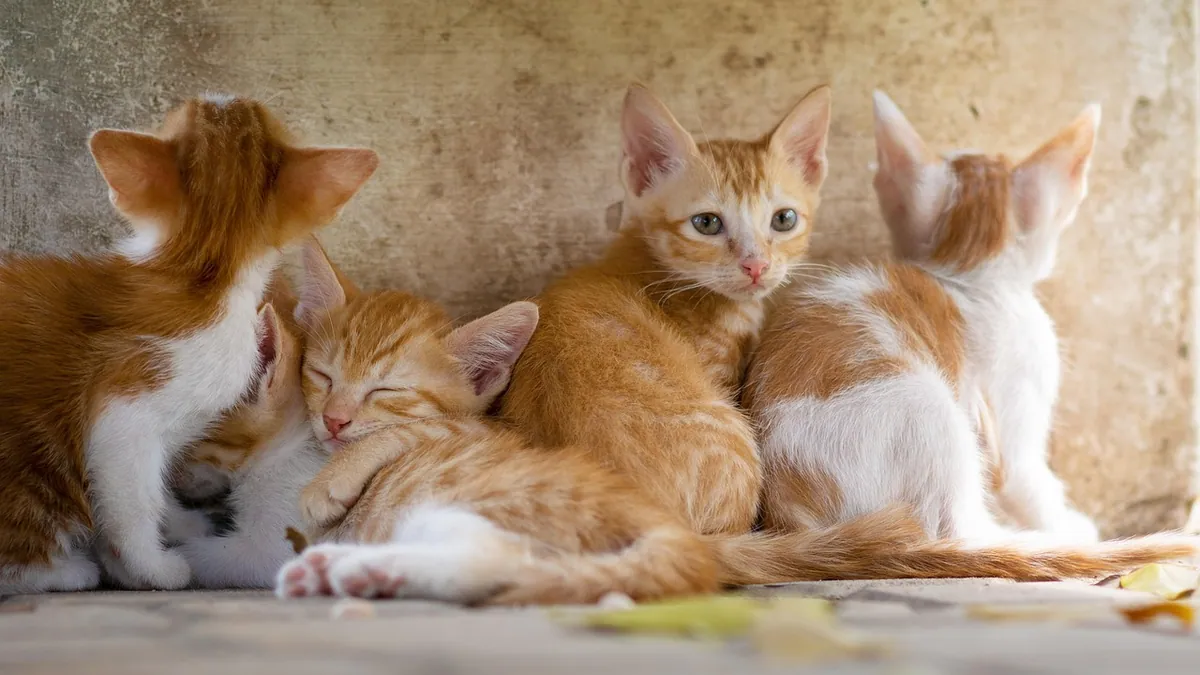
Weaning is the process of moving a kitten from mother's milk or a milk replacer to solid kitten food. Most kittens begin cat weaning around 4 weeks of age and finish near 8 to 10 weeks, with kitten-formula food offered the whole way through. The goal is slow, low-stress change that keeps the kitten gaining weight and free of diarrhea.
This article is educational and is not a substitute for veterinary diagnosis or treatment.
Quick Answer
- Start offering a shallow dish of kitten milk replacer or moistened kitten food at about 4 weeks of age, while the kitten still nurses or takes a bottle.
- Use only food labeled for growth or for kittens, since kittens need about two to three times the energy of an adult cat and roughly 30% of that energy from protein [1].
- Feed kitten-formula food until about 1 year of age, when most cats reach maturity [1].
- Weigh the kitten daily or every other day. Steady weight gain is the best sign that weaning is going well.
- Call your veterinarian the same day if a kitten stops eating, loses weight, or has diarrhea that lasts more than a day.
What Cat Weaning Actually Means
Weaning has two parts. The kitten shifts from milk to solid food, and the digestive tract adapts to a new diet. That second part matters more than many owners realize.
Weaning is a common challenge for young mammals and can lead to diarrhea, poor growth, and in severe cases even death [2]. Research in kittens shows real shifts in gut bacteria, immune markers, and metabolism in the days and weeks after weaning begins [2]. A slow transition gives the gut time to adjust.
If you are hand-raising orphans or supplementing a mother who cannot produce enough milk, you will need a commercial milk replacer. Contact your veterinarian for product and feeding recommendations before you buy anything [1]. Cow's milk is not a substitute. For help picking a product, see Choosing the Right Kitten Formula: A Veterinary Guide to Milk Replacers.
Cat Weaning Age: A Week-by-Week Timeline
The ages below are typical for healthy kittens. Orphans, premature kittens, and kittens who were sick may lag behind. Your veterinarian can adjust the pace for your kitten.
Weeks 0 to 3: Milk Only
The kitten nurses or takes a bottle of kitten milk replacer. No solid food yet. Keep the kitten warm, and feed on a schedule your veterinarian sets based on weight and body condition.
Week 4: First Tastes
Offer a shallow dish of milk replacer, or kitten canned food mixed with milk replacer into a loose gruel. Let the kitten walk through it, sniff it, and lick it off its paws. The first few days are about curiosity, not calories.
Weeks 5 to 6: Gruel Becomes Food
Thicken the mixture. Reduce the milk replacer a little each day. Most kittens at this stage eat several small meals daily and still nurse or take a bottle.
Weeks 6 to 8: Solid Food Takes Over
Move to moistened kitten kibble or canned kitten food with less liquid. Nursing usually drops off sharply. By 8 weeks, many kittens eat solid kitten food well.
Weeks 8 to 10: Weaning Complete
The kitten should be eating kitten-formula food and drinking water. Keep feeding kitten food until about 1 year of age [1].
Cat Weaning Food: What to Put in the Bowl
Kittens need a complete and balanced diet made for growth. In the United States, pet food labels carry a nutritional adequacy statement showing the food meets standards for a specific life stage, such as growth [3]. Look for that statement on the can or bag.
Cats are carnivores, and they need high-quality fats and proteins plus amino acids like taurine that are not found in dog food or human food [3]. Feed commercially formulated kitten food instead of homemade diets, which are often short on essential vitamins and minerals [3]. Our Kitten Food guide covers label reading in more detail.
You can feed dry kitten food or nutrient-dense canned kitten food [1]. Free-choice feeding, where food is always available, works best with dry food because it does not spoil when left out [1]. Canned food should be offered in meals and removed after about 30 minutes.
Cat Weaning Milk and Milk Replacers
Use a commercial kitten milk replacer, never cow's milk. Your veterinarian should recommend the product and the feeding amounts [1]. Kittens fed a milk replacer show different gut bacteria and metabolic profiles than kittens fed mother's milk, which is one more reason to transition to solid food on a sensible schedule [4].
Cat Weaning Paste
Some owners ask about weaning paste. A smooth paste of canned kitten food thinned with milk replacer does the same job. There is no strong evidence that commercial pastes are better than plain kitten food for weaning, so ask your veterinarian what they prefer for your kitten.
The Cat Weaning Bowl
Use a shallow, wide, heavy dish. Deep bowls let kittens dunk their noses, and light dishes slide across the floor. A saucer or a small flat plate works well for the first meals. Keep a second shallow bowl of fresh water available at all times [1].
Weaning Schedule Checklist
| Age | What to offer | Milk source | What to watch |
|---|---|---|---|
| 0 to 3 weeks | Nothing solid | Mother or bottle | Weight gain, warmth |
| 4 weeks | Milk replacer in a saucer, or thin gruel | Mother or bottle plus dish | Licking, curiosity |
| 5 to 6 weeks | Thicker gruel, then soft canned food | Mother or bottle, decreasing | Stool quality, appetite |
| 6 to 8 weeks | Moistened kibble or canned kitten food | Mostly food | Weight gain, energy |
| 8 to 10 weeks | Solid kitten food, free choice if dry | Food and water only | Steady growth |
| Up to 1 year | Kitten-formula food | Food and water | Body condition |
Setting Up the Feeding Area
Small setup details prevent big problems.
- Feed each kitten from its own shallow dish so you can see who is eating.
- Keep fresh water available at all times [1].
- If you have a dog, keep the kitten's food out of reach, since dogs will happily eat cat food [1].
- Store dry food in an airtight container in a cool, dry place, and check the expiration date before feeding [5].
- Buy only what you will use in a reasonable time. Long storage reduces vitamin activity and lets fats go rancid [5].
- Warm gruel slightly. Kittens prefer food near body temperature.
Signs Something Is Wrong
Weaning stress can tip a kitten into illness fast. Watch for these signs.
- Weight loss or no gain for two days in a row
- Diarrhea, especially watery or bloody stool
- Vomiting more than once
- Refusing food for more than 12 hours
- Lethargy, weakness, or feeling cool to the touch
- A potbellied look with poor coat condition
- Sneezing, eye discharge, or trouble breathing
Any of these in a kitten under 8 weeks deserves a call to your veterinarian the same day. Kittens have little reserve, and small problems become emergencies quickly.
Common Mistakes to Avoid
Rushing the transition. Going from milk to dry kibble in a day invites diarrhea. Weaning takes weeks, not days.
Using cow's milk. It does not match a kitten's needs and often causes digestive upset. Use a commercial milk replacer recommended by your veterinarian [1].
Feeding adult cat food. Kittens need far more energy and protein than adults [1]. Adult food will not support growth.
Feeding dog food or homemade diets. Dog food lacks taurine and other nutrients cats need, and homemade diets are often deficient in key vitamins and minerals [3].
Leaving canned food out all day. Canned food spoils. Offer it in meals and pick up what is left.
Skipping the scale. You cannot judge weight gain by eye in a young kitten. Weigh daily on a kitchen scale.
Ignoring the mother's health. If the mother is ill or not producing enough milk, the kittens need a replacer and a veterinary plan [1]. Pregnant and nursing queens have their own needs, covered in Pregnant Cat Care: Nutrition, Gestation, and Kitten Delivery.
Trying a raw or unconventional diet during weaning. Young kittens have fragile digestive systems. If you are curious about raw feeding in general, read Is Raw Food Safe for Dogs and Cats? before making changes.
Limitations and When to Contact a Veterinarian
This article gives general guidance. Every kitten is an individual, and a veterinarian who examines your kitten should set the feeding plan, the milk replacer amount, and any treatment.
Call your veterinarian the same day if your kitten:
- Loses weight or fails to gain for two days
- Has diarrhea lasting more than 24 hours
- Vomits repeatedly
- Refuses food for more than 12 hours
- Seems weak, cold, or unusually quiet
Go to an emergency clinic now if your kitten:
- Is limp, unresponsive, or hard to wake
- Breathes with effort or open-mouth breathes
- Has seizures
- Has bloody diarrhea with vomiting and collapse
Schedule a routine visit if weaning is going well but you want a weight check, a stool check, or help choosing a food. Your veterinarian can also confirm the kitten is on track for vaccines and deworming.
Frequently Asked Questions
When should I start weaning kittens?
Start offering a shallow dish of milk replacer or thin gruel at about 4 weeks of age. The kitten still needs mother's milk or a bottle at this stage, so the dish is practice, not the main meal. Full weaning usually wraps up between 8 and 10 weeks.
Can I use cow's milk for weaning?
No. Use a commercial kitten milk replacer instead, and ask your veterinarian which product and amount to use [1]. Cow's milk does not meet a kitten's nutritional needs and commonly causes digestive upset.
How much should I feed during weaning?
There is no single number that fits every kitten. Kittens can be fed free-choice, with food available at all times, and this method works best with dry food because it does not spoil when left out [1]. Your veterinarian can tailor amounts to your kitten's weight and body condition.
How long do kittens need kitten food?
Feed kitten-formula food until the cat reaches maturity, at about 1 year of age [1]. After that, transition to an adult maintenance diet. If you are unsure when to switch, ask your veterinarian at a routine visit.
What if the mother cat cannot nurse?
If the mother is ill or does not produce enough milk, or if the kittens are orphans, feed a commercial milk replacer [1]. Contact your veterinarian for product and feeding recommendations before you start [1]. Hand-raised kittens need careful monitoring of weight, temperature, and stool quality.
Is diarrhea normal during weaning?
Mild stool changes can happen as the gut adjusts, and research shows weaning affects gut bacteria and metabolism in kittens [2]. Diarrhea that lasts more than a day, is watery, or comes with vomiting or lethargy is not normal. Call your veterinarian.
Related Articles
- Choosing the Right Kitten Formula: A Veterinary Guide to Milk Replacers
- Kitten Food
- Pregnant Cat Care: Nutrition, Gestation, and Kitten Delivery
- Is Raw Food Safe for Dogs and Cats?
- Best Pet Food: A Complete Nutrition Guide for Dogs and Cats
- Cat Food Allergies: Signs, Diagnosis, and Safe Diet Trials
- How Long Do Kittens Need Milk? Nursing Timeline Explained
- Kitten Not Nursing: Causes and How to Feed Safely
- Feeding Pregnant and Nursing Cats: What They Need
References
- Cat Nutrition Tips. ASPCA Animal Poison Control Center.
- Dynamic development of gut microbiota and metabolism during and after weaning of kittens. Animal microbiome, 2025.
- Proper Nutrition for Cats - Cat Owners. Merck Veterinary Manual.
- Alterations in the Intestinal Microbiome and Metabolic Profile of British Shorthair Kittens Fed with Milk Replacer. Animals : an open access journal from MDPI, 2024.
- Feeding Your Cat. Cornell University College of Veterinary Medicine.