Why Dog Urine Burns Grass and How to Prevent It
By Dr. Zubair Khalid, DVM, MS, PhD ·
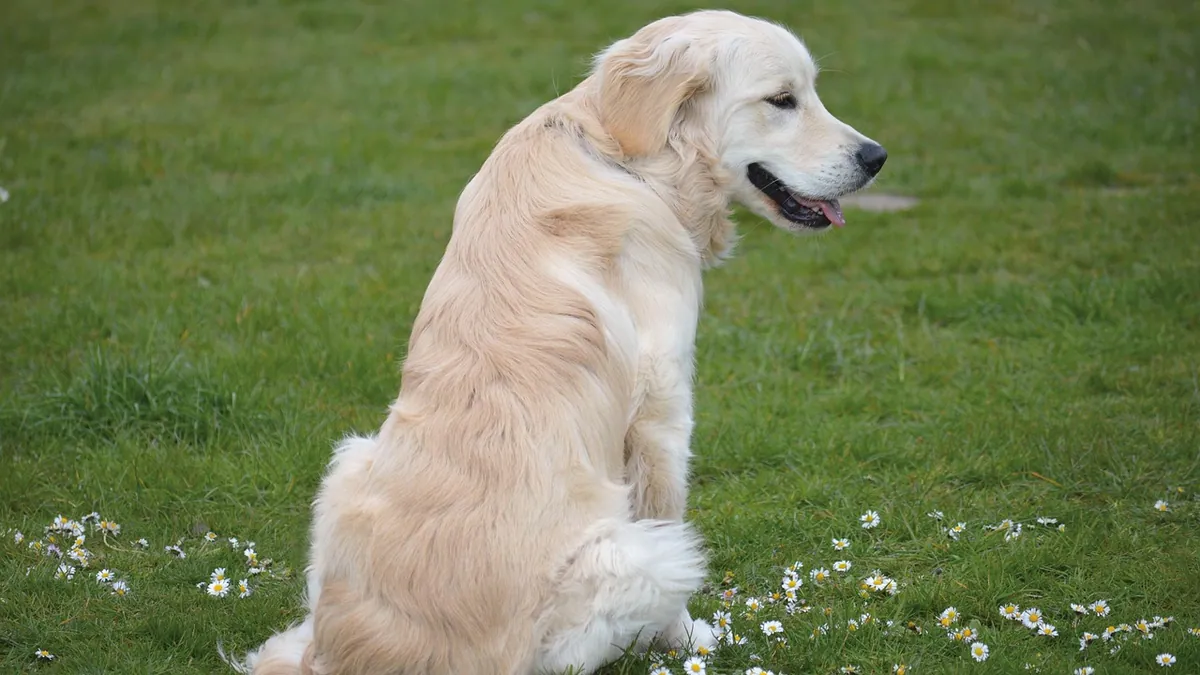
Dog urine burns grass because urine contains a concentrated mix of nitrogen and salts that damage the lawn when deposited in one spot. Female dogs squat and release a full bladder in a single location, which is why their spots tend to be more noticeable than those from male dogs who mark in smaller amounts. The good news is that urine burns in dogs are usually a lawn problem, not a health problem, and you can prevent most of them with a few simple changes.
This article is educational and is not a substitute for veterinary diagnosis or treatment.
Quick Answer
- Dog urine damages grass mainly because of its high nitrogen content, which acts like an overdose of fertilizer in one small area.
- Female dogs often cause more visible spots because they empty their bladder in one place instead of spreading urine across several marks.
- Urine burns are not usually a sign of illness, but changes in how much your dog drinks or pees can point to a medical issue.
- Watering the spot right after your dog pees dilutes the nitrogen and is the single most effective prevention step.
- If your dog suddenly starts peeing large volumes or having accidents indoors, schedule a veterinary visit instead of blaming the lawn.
What Causes Dog Urine to Burn Grass
Urine is mostly water, but it also carries waste products your dog's kidneys have filtered out of the blood. The main lawn-damaging ingredient is nitrogen, which comes from urea and other nitrogen-containing compounds. In small, spread-out amounts, nitrogen acts like fertilizer. In one concentrated puddle, it overwhelms the grass roots and burns them.
Urine also contains salts and a pH that can shift the soil chemistry right under the spot. The result is that familiar pattern: a dead, brown center surrounded by a dark green ring of over-fertilized grass. The ring grows faster than the rest of the lawn because that outer edge received a helpful dose of nitrogen, while the center got too much.
Why Female Dogs Cause More Spots
Female dogs typically squat and empty their bladder in one spot. Male dogs often lift a leg and deposit smaller amounts in several places, which spreads the nitrogen thin enough that the lawn tolerates it. This is why a household with a female dog often has a polka-dot lawn while a male dog's yard looks mostly fine.
It Is Usually Not a Health Problem
For most healthy dogs, strong urine is normal. The concentration of urine varies with how much water your dog drinks and how well the kidneys are conserving water. A study of healthy dogs receiving intravenous fluids found that urine osmolality, a measure of how concentrated urine is, can be estimated from urine sodium, potassium, glucose, and urea nitrogen levels [1]. In plain terms, urine concentration shifts with hydration and diet, and that is expected.
How to Prevent Urine Burns in Dogs: Step-by-Step
Prevention comes down to dilution, spreading, and lawn care. You do not need to change your dog's basic routine, just add a few habits.
Step 1: Water the Spot Immediately
Keep a watering can or a hose with a quick shutoff near the door. As soon as your dog finishes peeing, pour about a gallon of water over the spot. This dilutes the nitrogen before it soaks into the roots. If you cannot water immediately, do it within a few hours. Morning and evening are the highest-value times because the sun and heat concentrate the damage.
Step 2: Train a Designated Potty Area
Pick a corner of the yard with hardy ground cover, gravel, mulch, or a patch of clover and tall fescue. Walk your dog there on leash every time for the first few weeks. Reward heavily when they go in the right spot. This concentrates the damage in one area you do not care about and protects the rest of the lawn.
Step 3: Encourage More Drinking
A well-hydrated dog produces more dilute urine. Keep multiple water bowls clean and full, and refresh them daily. Some dogs drink more from a fountain or a wide bowl. If your dog eats only dry food, adding a small amount of water to the bowl can help, but ask your veterinarian how much is appropriate for your dog's size and health.
Step 4: Adjust the Diet Only With Veterinary Guidance
Diet affects urine nitrogen levels. A study of dogs fed diets containing wheat, rye, or triticale found that blood urea nitrogen and other blood values did not differ by grain type [2]. That means switching grains is unlikely to fix your lawn. If you want to change your dog's diet for any reason, talk to your veterinarian first. They can calculate what is appropriate based on your dog's weight and health.
Step 5: Repair and Replant
Rake out the dead grass, loosen the top inch of soil, and water deeply to flush the salts. Reseed with a urine-tolerant grass such as perennial ryegrass or tall fescue, or overseed with white clover, which handles nitrogen better than bluegrass. Keep your dog off newly seeded areas until the grass is established.
Step 6: Consider Lawn and Yard Products Carefully
Some lawn treatments and soil amendments claim to neutralize urine. There is no strong veterinary evidence that these products change your dog's urine, and some can be irritating to paws or stomachs if your dog licks them. If you use any product, follow the label and keep your dog away until it is fully dry. For dogs who mark indoors or in the yard, a deterrent approach may help, and you can read more about options in Dog Urine Deterrent.
Prevention Schedule and Comparison Table
Use this table to match the fix to the problem. The schedule below it keeps prevention on track.
| Problem | Best Fix | Effort | When It Works Best |
|---|---|---|---|
| Fresh spot, small yard | Water immediately with about a gallon | Low | Every single time your dog pees |
| Repeated spots in one area | Train a designated potty zone | Medium | First few weeks of training |
| Dog drinks very little | More water bowls, wet food if approved | Low | Ongoing |
| Lawn already damaged | Rake, flush, reseed with tolerant grass | High | Spring or fall |
| Multiple dogs, many spots | Combine watering plus potty zone | Medium | Ongoing |
Weekly Prevention Checklist
- Refill and wash water bowls daily.
- Water every urine spot within a few hours, ideally right away.
- Walk your dog to the designated potty area on leash.
- Check the lawn weekly for new brown spots and treat them early.
- Note any change in how much your dog drinks or pees, and write it down for your next vet visit.
Signs That Something Is Wrong
Lawn spots alone rarely mean your dog is sick. What matters more is a change in your dog's urinary habits. Watch for these patterns.
Drinking and Urinating More Than Usual
If your dog suddenly empties the water bowl and asks to go out constantly, that is a change worth a veterinary visit. Increased thirst and urination can have several causes, and your veterinarian will want to run blood and urine tests. Blood urea nitrogen and creatinine are common markers your vet checks, and researchers have studied whether these can be measured in tears as an alternative to blood draws [3]. That research is still developing, so standard blood testing remains the usual approach.
Straining, Blood, or Accidents Indoors
Straining to pee, crying while urinating, blood in the urine, or new accidents in a house-trained dog can point to a urinary tract infection, bladder stones, or other problems. These signs deserve prompt attention. You can read more about what these signs can mean in Why Is My Dog having bloody urine? Cystitis Bladder Stones and UTI Guide. If your dog keeps peeing on carpet, that guide may help too: Dog Keeps Peeing On Carpet.
Changes in Appetite, Weight, or Energy
A dog who is eating less, losing weight, or acting tired along with urinary changes needs a veterinary exam. Blood work can reveal how well the kidneys and other organs are working. In dogs with serious illness such as pyometra, a uterine infection in unspayed females, a higher blood urea nitrogen-to-albumin ratio has been linked to a greater risk of death [4]. In a separate study of hospitalized dogs, low serum albumin and elevated blood urea nitrogen-to-albumin and creatinine-to-albumin ratios were associated with mortality [5]. These findings are about sick dogs in veterinary care, not about healthy dogs with lawn spots, but they show why your veterinarian pays attention to these values when your dog is unwell.
Eating Grass or Other Odd Behavior
Some dogs eat grass, and owners often wonder if it is related to stomach upset or urine issues. Grass eating is common and usually not a sign of urinary disease. If you want to understand it better, see Why Does My Dog Eat Grass?.
Common Mistakes Owners Make
- Watering only after the spot turns brown. By then the roots are already damaged. Water right after your dog pees.
- Assuming a female dog's spots mean kidney disease. Concentrated urine is normal in healthy dogs.
- Changing dog food to "fix" the lawn without veterinary input. Grain type did not change blood urea nitrogen in one study of dogs [2], so this is unlikely to solve the problem.
- Using a lawn chemical and letting the dog back out too soon. Wait until the product is fully dry, and check with your veterinarian if your dog has sensitive skin or a history of stomach upset.
- Ignoring sudden increases in drinking or urination. That is a medical signal, not a lawn problem.
- Letting the dog pee on the same small patch for months. Rotate potty areas or commit to a designated zone with tolerant ground cover.
Supplies and Setup That Matter for Health
A few inexpensive items make prevention easier and safer for your dog.
- A watering can or hose with a quick shutoff valve kept by the door.
- At least two water bowls, washed daily, placed where your dog spends most of the day.
- A leash for potty trips to the designated area during training.
- A urine-tolerant seed mix or clover seed for repairs.
- A small notebook or phone note to track drinking, urination, and any accidents. This record helps your veterinarian spot patterns.
- For indoor marking or training setbacks, a targeted spray can help. Learn more in Dog Urine Spray For Potty Training.
If you use any spray, cleaner, or deterrent, keep your dog away until it dries, and never apply a product directly to your dog's skin unless your veterinarian approves it. Doses of any medication or supplement are calculated by your veterinarian based on your dog's weight and health, so do not guess at amounts on your own.
Limitations and When to Contact a Veterinarian
This article covers the common, everyday reasons dog urine damages lawns. It cannot tell you whether your individual dog has a medical problem. Only your veterinarian can do that after an exam and testing.
Contact your veterinarian the same day if your dog is straining to urinate, has blood in the urine, is crying while peeing, or has gone more than 24 hours with little or no urine output. These can be signs of a blockage or infection that needs prompt care.
Go to an emergency clinic now if your dog is a male who is repeatedly trying to urinate with nothing coming out, has a hard or painful belly, is vomiting, or is collapsing. A urinary blockage in a male dog is life threatening and cannot wait.
Schedule a routine visit within a few days if your dog is drinking and urinating more than usual, has started having accidents indoors after being house-trained, or has lost weight or appetite. Bring your notes about when the changes started and how often they happen.
Frequently Asked Questions
Does dog urine kill grass permanently?
No, the damage is usually not permanent. The roots may die back, but the soil recovers once you flush the salts and reseed. Most spots fill in within a few weeks to a couple of months depending on the season and grass type.
Is female dog urine worse for lawns than male dog urine?
Female urine is not chemically stronger, but it is delivered differently. Female dogs tend to empty their bladder in one spot, while males often mark in smaller amounts across several spots. That difference in volume per location is why female dogs cause more visible lawn damage.
Can I change my dog's diet to stop urine burns?
Diet changes are unlikely to fix lawn spots on their own. One study found that feeding dogs wheat, rye, or triticale did not change their blood urea nitrogen levels [2]. If you want to adjust your dog's diet for any reason, ask your veterinarian first so the change is safe and appropriate for your dog.
Will adding tomato juice or other home remedies to my dog's food help?
There is no reliable veterinary evidence that home remedies change urine enough to protect grass. Some additives can upset your dog's stomach or interact with medications. Talk to your veterinarian before giving your dog anything new, and focus on watering the spots instead.
How do I know if my dog's urine spots mean a health problem?
Lawn spots alone are not a sign of illness. A health problem is more likely if your dog is also drinking more, urinating more often, straining, having accidents indoors, or losing weight. If you notice any of those changes, schedule a veterinary visit instead of waiting to see if the lawn improves.
Related Articles
- Dog Urine Deterrent
- Why Does My Dog Eat Grass?
- Why Is My Dog having bloody urine? Cystitis Bladder Stones and UTI Guide
- Dog Keeps Peeing On Carpet
- Dog Urine Spray For Potty Training
- Why Is My Dog Peeing So Much?
- Why Dog Pee Kills Grass and How to Fix It
- Dog Pee Grass Patch: Repair and Prevention Tips
- Why Is My Dog Leaking Urine? Causes and When to Worry
References
- A newly derived formula outperforms published formulae for estimating urine osmolality in healthy dogs receiving intravenous fluids. American journal of veterinary research, 2026.
- Effects of wheat, rye, and triticale grains on digestion, fecal quality, and health parameters in dogs. BMC veterinary research, 2026.
- Agreement between lacrimal fluid and serum for detecting urea nitrogen and creatinine in dogs. Journal of the American Veterinary Medical Association, 2024.
- Blood urea nitrogen-to-albumin ratio predicts mortality in dogs with pyometra. Journal of veterinary science, 2026.
- Low serum albumin and elevated blood urea nitrogen-to-albumin and creatinine-to-albumin ratios are associated with mortality in dogs. American journal of veterinary research, 2026.