Is It Safe for Cats to Fly on Airplanes?
By Dr. Zubair Khalid, DVM, MS, PhD ·
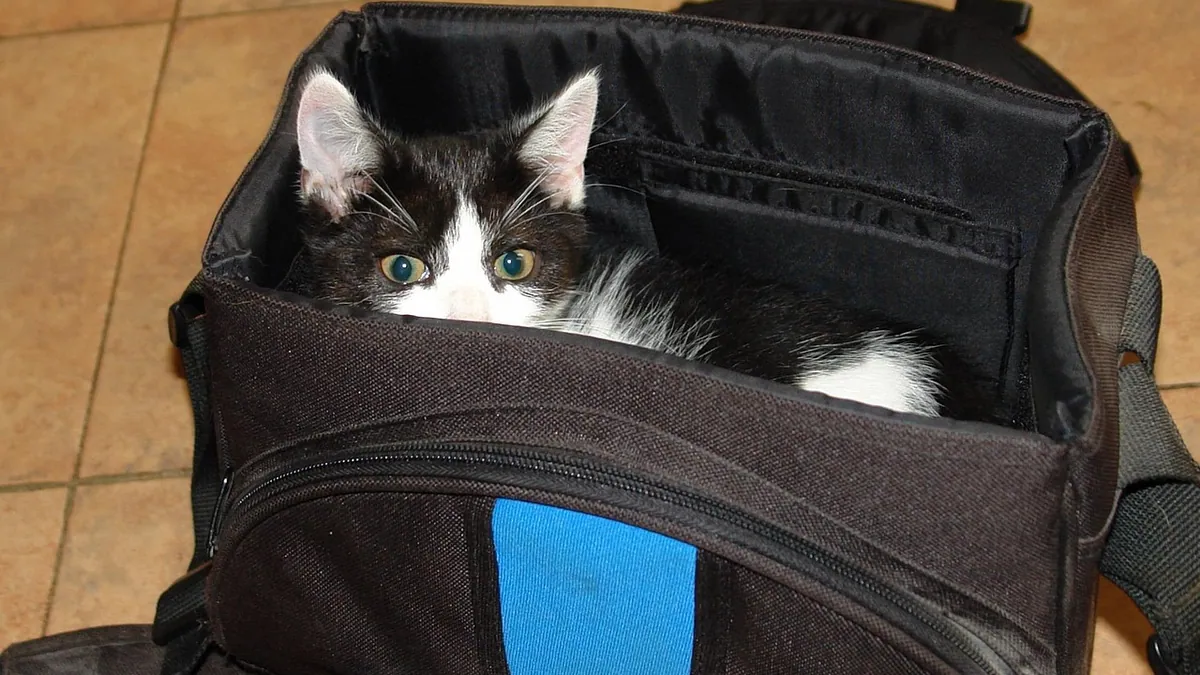
Is it safe for cats to fly on airplanes? Yes, many cats fly safely, but the answer depends on where your cat rides, its health, and how well you prepare. Cats in the cabin generally face fewer risks than cats in cargo, and a pre-flight veterinary check helps confirm your cat can handle the trip [1]. This article is educational and is not a substitute for veterinary diagnosis or treatment.
Quick Answer
- Cabin travel is usually safer and less stressful for cats than cargo, where temperatures, noise, and handling are out of your control [1].
- Get a full veterinary exam before booking. Your vet can flag heart, breathing, or other conditions that make flying risky [1].
- Book direct or nonstop flights, and choose midweek departures when airports are less crowded [1].
- Ask your vet about anxiolytic medication or pheromone products instead of assuming sedation is needed or safe [2][3][4].
- Confirm your airline's specific pet rules early, since policies on cabin pets, carriers, and cargo vary by carrier [1].
Is It Safe for Cats to Travel by Plane? Cabin vs Cargo
Most of the safety question comes down to one decision: does your cat fly in the cabin with you, or in the cargo hold?
Cabin travel
In the cabin, your cat stays with you. You can watch for stress, check breathing, and offer reassurance. You control the carrier, the temperature nearby, and how much handling your cat gets. For most healthy cats, this is the lower-risk option.
Cabin space is limited, though. Airlines cap how many pets can be in the cabin per flight, and carriers must fit under the seat in front of you. That is why you need to confirm rules and reserve a spot early [1].
Cargo travel
Cargo is a different situation. Your cat travels in a temperature-controlled and pressurized area on most aircraft, but you are not there to monitor it. Loading, noise, vibration, and unfamiliar handlers all add stress [2].
Heat is a real concern. During hot months, if your cat must travel in cargo, book early morning or late evening flights so it does not overheat [1]. Some airlines restrict cargo pet travel in extreme temperatures, and short-nosed breeds often face extra limits.
If you are weighing options, our guide to Flying With a Dog or Cat: Airline Rules, Carriers, and Cabin Requirements breaks down carrier sizing and cabin rules in more detail.
Step-by-Step: How to Prepare Your Cat for a Flight
1. Schedule a veterinary exam first
Book a complete checkup before you commit to travel. Your vet confirms your cat is healthy enough to fly and can discuss stress management [1]. Bring your travel dates so the visit lines up with any airline or destination paperwork.
2. Contact the airline early
Rules differ by carrier and route. Most airlines post pet travel information on their websites, but call to confirm cabin limits, carrier dimensions, cargo restrictions, and any health certificates [1]. Ask specifically about your cat's breed and the season you plan to fly.
3. Choose the right flights
Direct flights or routes with minimal stops reduce the chance of your cat being lost or mishandled in transit [1]. Midweek flights tend to be less crowded, which makes the whole process easier for you and your cat [1]. Think about your cat's age, size, and feeding schedule when you pick departure times [1].
4. Plan stress management with your vet
Air travel involves environmental changes and a lack of control and predictability, which are common sources of stress for cats [2]. A multimodal plan, meaning several strategies used together, works better than one single fix [2].
Options include:
- Anxiolytic medication prescribed by your vet when appropriate [2]
- Pheromone products, such as a synthetic feline facial pheromone, which has been studied for reducing stress during veterinary handling and exams [4]
- Carrier training at home before the trip
Oral medications in cats, including gabapentin, pregabalin, trazodone, and others, have been reviewed for reducing fear and stress, but palatability and dosing vary [3]. Your vet calculates any dose from your cat's weight and health. Never give a human medication or an old prescription without asking.
5. Acclimate your cat to the carrier
The carrier should be a familiar, safe space before travel day. Leave it open at home with bedding and treats inside for weeks ahead. A carrier that smells like home and opens from the top is easier to work with during security checks. For sizing and style guidance, see How to Choose the Best Cat Carrier: Safe and Stress-Free Travel Tips.
6. Prepare the day of travel
Feed a light meal at the usual time unless your vet advises otherwise. Avoid free-feeding right before the flight to reduce nausea and accidents. Arrive early, but not so early that your cat waits in a busy terminal for hours.
Travel Timeline and Checklist
| When | Action |
|---|---|
| 4 to 8 weeks before | Veterinary exam, discuss health and stress plan [1] |
| 4 to 8 weeks before | Call airline, confirm cabin or cargo rules and carrier size [1] |
| 2 to 4 weeks before | Book direct or minimal-stop flights, midweek if possible [1] |
| 2 to 4 weeks before | Start carrier training and pheromone use at home [4] |
| 1 week before | Confirm any health certificates or paperwork |
| 1 to 2 days before | Confirm flight times and weather, especially for cargo [1] |
| Day of travel | Light meal, secure carrier, arrive with buffer time |
| After arrival | Quiet room, litter box, water, and time to settle |
Is It Safe for Cats to Fly in Cargo? What Owners Should Know
Cargo travel is not automatically unsafe, but it carries more variables you cannot control. Your cat is handled by strangers, exposed to loud equipment, and separated from you for the duration of the flight [2].
Temperature is the biggest seasonal risk. In hot months, early morning or late evening departures reduce overheating risk for pets traveling beneath the plane [1]. Cold weather brings its own limits, and airlines may refuse cargo pets in extreme conditions.
Some cats handle cargo without obvious problems, but research on air travel welfare is limited. A survey of dog owners found that most dogs cope and recover well, yet a smaller group suffered physical, mental, or emotional harm, including death [5]. That study looked at dogs, not cats, so treat it as a caution about individual variation, not a prediction for your cat.
Stress management products were underused in that survey, and in some cases owners were actively discouraged from using them [5]. If your cat is anxious, talk to your vet about a plan instead of skipping support entirely.
Signs Something Is Wrong During or After Travel
Watch your cat closely before, during, and after the flight.
Before the flight, reschedule if you see:
- Open-mouth breathing or heavy panting at rest
- Vomiting or diarrhea that started in the last day
- Refusing food and water for more than 24 hours
- Extreme lethargy or hiding that is unusual for your cat
During travel, tell airline staff or seek help if you see:
- Continuous yowling, drooling, or rigid posture that does not settle
- Panting, which is not normal in cats
- Attempts to escape the carrier or self-injury
After arrival, contact a vet if you see:
- Breathing that stays fast or labored
- Not eating or drinking for more than 24 hours
- Vomiting, diarrhea, or straining in the litter box
- Limping, wounds, or signs of injury from handling
If your cat is injured during travel, move it carefully and keep it confined. Our article on How to Transport an Injured Cat Safely to the Vet covers safe handling.
Common Mistakes Owners Make
Assuming sedation is always the answer. Sedation can be helpful for some cats, but it is not right for every cat or every flight. Your vet decides based on health, temperament, and trip length [2][3].
Skipping the pre-flight exam. A checkup catches heart or breathing problems that make flying dangerous [1].
Booking connecting flights to save money. More stops mean more chances for delays, missed transfers, and handling errors [1].
Flying in peak heat with a cargo pet. Choose early or late flights in hot months to reduce overheating risk [1].
Waiting too long to reserve cabin space. Airlines limit cabin pets, so early booking matters [1].
Using a carrier your cat has never seen. Acclimation reduces fear and makes security checks easier.
Forgetting destination rules. Some states and countries require health certificates or vaccines. Ask your vet and airline well ahead of time.
Supplies and Setup That Matter for Health
Carrier. It must meet airline size rules and be sturdy enough for cargo if needed. Top-loading carriers are easier for vet checks and security.
Absorbent bedding. Line the carrier with pee pads under a familiar blanket. Bring spares in a zip bag.
Water and food. Collapsible bowls work well. For cargo, attach a water dish to the crate door per airline instructions.
Pheromone spray or wipes. A synthetic feline facial pheromone can lower stress during handling and exams [4]. Spray the carrier lining 15 to 20 minutes before your cat goes in.
Medication, if prescribed. Carry it in your purse or carry-on, not checked luggage. Keep the label with your cat's name and dose.
Health documents. Keep paper copies of the health certificate and vaccine records with you.
Litter and a portable box. Set these up as soon as you reach your destination so your cat can reorient quickly.
For general travel safety beyond flights, see Cat Travel Safety.
Limitations and When to Contact a Veterinarian
No article can tell you whether your specific cat is safe to fly. Age, heart health, breathing, anxiety level, and trip details all change the answer. Your veterinarian needs to examine your cat and review the itinerary.
Contact your vet the same day if:
- Your cat has not eaten or drunk for 24 hours after arrival
- Breathing stays fast, noisy, or labored
- Vomiting or diarrhea continues past one day
- Your cat seems painful, lame, or unusually withdrawn
Go to an emergency clinic now if:
- Your cat is open-mouth breathing, gasping, or has blue gums
- There is collapse, seizure activity, or unresponsiveness
- You see heavy bleeding, a suspected fracture, or a major wound
- Your cat's body temperature feels very hot or very cold
Schedule a routine visit if:
- Your cat stays anxious or hides for more than a few days after travel
- Appetite or litter box habits stay changed
- You are planning another trip and want to adjust the stress plan
Frequently Asked Questions
Can my cat fly in the cabin with me?
Yes, many airlines allow small cats in the cabin if the carrier fits under the seat and you reserve a spot in advance. Cabin space is limited, so confirm rules with your airline early [1].
Should I sedate my cat for a flight?
Only with veterinary guidance. Anxiolytic medication can help some cats, and a multimodal stress plan is often recommended, but the choice depends on your cat's health and temperament [2][3].
Is cargo travel safe for older cats?
It depends on the individual cat. Older cats with heart, kidney, or breathing conditions may not tolerate cargo stress or temperature extremes, so a pre-flight exam is essential [1].
How early should I arrive at the airport with my cat?
Plan to arrive with enough buffer to check in, clear security, and settle your cat without rushing. Confirm your airline's recommended timing when you book, since it varies by carrier [1].
What if my cat panics during the flight?
Keep the carrier closed and speak calmly. If your cat is panting, drooling heavily, or trying to escape, alert a flight attendant and get veterinary advice as soon as you land. Pheromone products and prescribed medication can reduce this risk if planned ahead [2][4].
Related Articles
- Cat Travel Safety
- Flying With a Dog or Cat: Airline Rules, Carriers, and Cabin Requirements
- How to Choose the Best Cat Carrier: Safe and Stress-Free Travel Tips
- How to Transport an Injured Cat Safely to the Vet
- Traveling With Dogs and Cats: Health Checklist
- Cat Travel Sickness Medicine: Safe Options for Car Trips
- What Can I Give My Cat for Travel Sickness and Anxiety?
- Cat Motion Sickness Tablets: Safe Options for Travel
References
- Traveling by Plane With Pets - Special Pet Topics. Merck Veterinary Manual.
- Feline Stress Management During air Travel: A Multimodal Approach. Journal of feline medicine and surgery, 2023.
- Oral use of anxiolytic, sedative, and anaesthetic medications in domestic cats (Felis catus): A scoping review. Veterinary journal (London, England : 1997), 2026.
- Effects of a synthetic feline facial pheromone analogue (F3, Feliway®) on stress and cardiovascular parameters during clinical examination in cats: a prospective crossover study. BMC veterinary research, 2026.
- How Well Do Dogs Cope with Air Travel? An Owner-Reported Survey Study. Animals : an open access journal from MDPI, 2023.