Cat Ran Away or Got Out: Step-by-Step Plan
By Dr. Zubair Khalid, DVM, MS, PhD ·
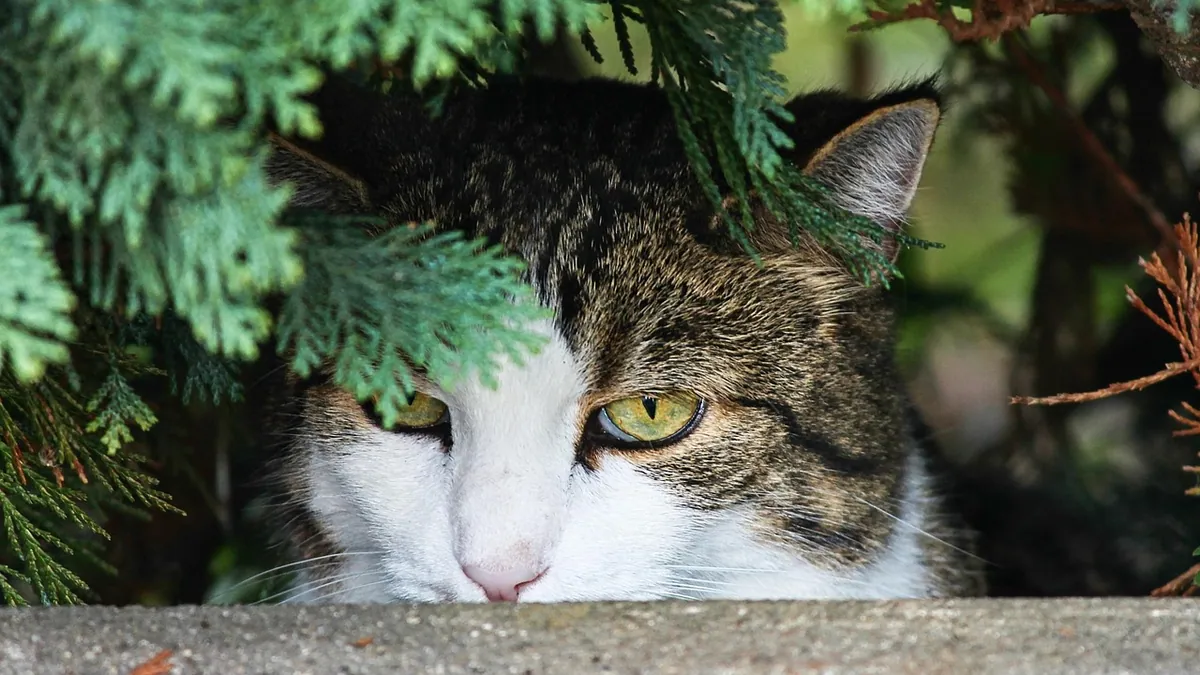
If your cat ran away or slipped outside, start searching your own yard and the immediate area right now, quietly and at your cat's eye level. Most indoor cats stay close to home and hide instead of travel. What to do if my cat ran away comes down to acting fast, searching low and near, and getting the word out to neighbors and shelters.
This article is educational and is not a substitute for veterinary diagnosis or treatment.
Quick Answer
- Search your home first, then your yard and the nearest hiding spots within a few houses of yours. Indoor cats often freeze in place close to the door they escaped through.
- Go out at dusk or before dawn with a flashlight. Cats are most active at night, and free-roaming cats in one tracking study moved across many habitat types, from forest to farmland to shrubland [1].
- Put out familiar scent items (worn clothing, their bedding, a litter box) and a humane trap instead of chasing a frightened cat.
- Call your cat's microchip company and update your contact info, then file lost reports with local shelters and animal control.
- Post clear photos and a phone number on neighborhood apps and paper flyers within a few blocks.
What to Do If My Cat Gets Out: The First Hour
Check inside before you check outside. Cats that "got out" are sometimes wedged under a bed, inside a closet, or behind an appliance. Call softly and listen. Do not slam doors or move furniture fast, since noise pushes a scared cat deeper into hiding. If your cat is hiding and will not come out even when you know where they are, that behavior has its own playbook: Cat Suddenly Hiding and Not Coming Out: What to Do.
Once you are sure your cat is outside, walk the perimeter of your home. Look under porches, decks, and cars. Check sheds, garages, storm drains, and dense bushes. Bring a flashlight even in daylight, because cat eyes reflect light in dark corners.
Keep the search quiet. A cat that is frightened by the move outdoors will not come to a loud voice. Sit still in one spot near the escape point and talk in a normal, calm tone for 10 to 15 minutes. Some cats come out on their own when the area goes silent.
Leave one door or window cracked if it is safe to do so. Many cats re-enter the same way they left, usually at night.
What to Do If My Cat Runs Away: The First 24 Hours
Search at the right times
Cats with outdoor access tend to have small home ranges. In one study of owned cats with daily outdoor time, the average home range was about 0.85 hectares, roughly a 50 meter radius, and ranges shrank as cats got older [2]. That is good news for you. Your cat is probably within a few houses of your door, not miles away.
Search at dawn and dusk. Use a flashlight and sweep it slowly across hiding spots. Call your cat's name in a normal voice, then pause and listen for a meow or movement.
Use scent, not speed
Put your cat's used litter box, bedding, and an unwashed shirt of yours outside near the escape point. Familiar smell can draw a cat back. Do not leave food out overnight unless you are monitoring it, because it attracts other animals.
Talk to your neighbors
Knock on doors within a two block radius. Ask neighbors to check garages, sheds, and under decks. Give them your phone number. Ask them to call you instead of chase your cat, since chasing pushes cats farther away.
Start the paperwork
Call your cat's microchip registry and confirm your phone number and address are current. Microchips only work when the contact information is up to date. In a large desexing program, 72 percent of enrolled cats that were not already chipped received one, which shows how common chipping has become, but a chip is only useful if the registry can reach you [3].
File a lost cat report with your local shelter and animal control. Post on neighborhood apps and social media with a clear photo, your cross streets, and a phone number.
What to Do If My Cat Ran Away From Home: The First Week
Set up a feeding station and a trap
Place a humane trap near your home, baited with strong smelling food like tuna or sardines. Check it every few hours, and never leave it unattended in heat or direct sun. A trapped cat needs shade and water.
If you are not comfortable using a trap, set a feeding station at the same time each night and watch from a distance. Cats often return to a reliable food source.
Expand the search radius
After 48 hours, widen your search to a half mile. Focus on garages, crawl spaces, construction sites, and areas with dense ground cover. One study of free-roaming cats found they used a wide range of habitats, including forests, farmland, and shrubland, so do not assume your cat is only in yards [1].
Refresh your flyers
Update your flyers with "still missing" and the date. Replace faded ones. Hand flyers to mail carriers, delivery drivers, and dog walkers, since they cover the same streets every day.
Check shelters in person
Visit shelters instead of only calling. Staff see many cats, and a phone description may not match. Bring a photo and ask to walk the cat areas. Shelter workers report that limited staff, funding, and space are common barriers to caring for unowned cats, so in person visits help your cat stand out [4].
Lost Cat Search Schedule
| Timeframe | Main actions | What to avoid |
|---|---|---|
| First hour | Search inside, then yard and nearby hiding spots. Use a flashlight. | Loud calling, chasing, moving furniture fast |
| First 6 hours | Talk to neighbors, check garages and sheds, set out scent items | Leaving food out unmonitored overnight |
| First 24 hours | Confirm microchip info, file shelter reports, post online | Waiting to post, assuming your cat will come back alone |
| Days 2 to 3 | Set a humane trap, search at dawn and dusk, widen radius | Checking the trap only once a day |
| Days 4 to 7 | Refresh flyers, visit shelters in person, expand to a half mile | Giving up because the cat is quiet |
How to Tell If My Cat Ran Away or Is Hiding Nearby
A cat that ran away is usually silent and still. A cat that is hiding nearby may meow at night or come to a familiar sound. Here is how to read the signs.
- Food gone but no sighting. Your cat may be eating at night and hiding by day. Set a camera near the food.
- Meowing at night. This often means your cat is close but too scared to come out in daylight.
- No sightings at all after 3 days. Widen your search and check with shelters and animal control.
- Your cat was recently sick, injured, or on medication. A cat that is unwell may hide more and travel less. Call your veterinarian for guidance on how long your cat can safely go without food or medication.
Signs That Something Is Wrong
A lost cat can be injured, dehydrated, or exposed to hazards. Watch for these signs when you find your cat or when a neighbor reports a sighting.
- Limping, dragging a leg, or not putting weight on a limb
- Labored breathing, open mouth breathing, or coughing
- Bleeding, visible wounds, or swelling
- Vomiting, diarrhea, or not eating after return
- Weakness, confusion, or not responding to you
- Drooling, pawing at the mouth, or gagging, which can mean something is stuck in the throat. If that happens, use this guide: How to Help a Choking Cat: Step-by-Step First Aid and When to Rush.
If your cat is unresponsive or not breathing, start CPR and call your veterinarian or an emergency clinic immediately. Here is how: How to Perform CPR on a Cat: Step-by-Step Guide.
Common Mistakes Owners Make
- Chasing a scared cat. This pushes your cat farther away and into more dangerous areas.
- Searching only in daylight. Cats move more at dawn, dusk, and night.
- Waiting to post flyers. The first 24 hours matter most.
- Forgetting to update microchip contact info. A chip with an old phone number does not help.
- Leaving food out without watching. You may feed raccoons, opossums, or other cats instead.
- Assuming your cat will come when called. A frightened cat often stays silent even when it hears you.
- Giving up too soon. Cats have been found weeks after going missing, especially when a feeding station stays in place.
Supplies and Setup That Help
Keep a lost cat kit ready before you need it. It saves time when every minute counts.
- A humane trap, sized for a cat, with a towel to cover it
- A flashlight with fresh batteries
- Strong smelling food (canned tuna, sardines, or wet cat food)
- Your cat's carrier, in case you find them and need to move fast
- A recent photo of your cat, printed and saved on your phone
- Your cat's microchip number and registry phone number
- A list of local shelters, animal control, and emergency vet clinics with addresses and hours
If your cat returns home and then hides, refuses food, or avoids the litter box, that can be a stress response. A move or a scare can trigger litter box problems, and this guide explains what to do: Cat Not Using Litter Box After Moving: How to Help.
How to Make a Lost Cat Easier to Recover
Prevention is the best recovery plan. These steps make a reunion faster if your cat gets out again.
- Microchip your cat and keep the registry current. In one program, 72 percent of unchipped cats received a microchip when it was offered for free, but 28 percent of owners declined [3].
- Use a breakaway collar with an ID tag. Collars fall off safely if snagged, and tags give a neighbor a phone number to call.
- Spay or neuter your cat. Desexing programs have been linked to large drops in shelter intake, with one program reporting a 49 to 73 percent decrease within its areas [3].
- Keep screens and windows secure. Check screens for tears and make sure window locks work.
- Train a recall cue. Say your cat's name before every meal so the name predicts food.
- Keep a current photo. Take a clear photo of your cat's face and body every few months.
Limitations and When to Contact a Veterinarian
A lost cat can look fine and still be dehydrated, injured, or sick. Contact your veterinarian the same day if your cat returns with a limp, a wound, vomiting, diarrhea, or no appetite. Go to an emergency clinic right away if your cat is having trouble breathing, is bleeding heavily, is unresponsive, or has had a seizure. If your cat may have eaten something toxic while outside, call your veterinarian or a pet poison hotline immediately. Do not wait for symptoms.
If your cat is on daily medication and has been missing for more than a day, call your veterinarian to ask how to manage missed doses. Do not double up on a dose unless your veterinarian tells you to. Your veterinarian calculates any dose from your cat's weight and health, so never guess.
Every cat is different. A cat with a heart condition, diabetes, or kidney disease may need to be seen sooner than a healthy cat. Your veterinarian can tell you what is safe for your cat.
Frequently Asked Questions
How long do lost cats usually stay away?
Many cats are found within the first few days, often close to home. Some stay hidden for a week or longer, especially if they are scared. Keep a feeding station and trap in place for at least two weeks.
Should I leave food out for my lost cat?
Yes, but monitor it. Set food at the same time each evening and watch from a distance. Unattended food attracts other animals and may keep your cat from approaching.
Will my cat come back on its own?
Many cats do return on their own, usually at night when the area is quiet. Leave a door or window cracked if it is safe, and keep checking at dawn and dusk.
Do indoor cats run far when they get out?
Usually not. Indoor cats often hide within a few houses of the door they escaped through. One study found owned cats with outdoor access had home ranges of about 50 meters, and older cats ranged even less [2].
Can a microchip help me find my cat?
Yes, if your contact information is current. A shelter or veterinary clinic scans the chip and calls the number on file. Update your registry the same day your phone number or address changes.
What if my cat is injured when I find them?
Do not chase or handle a hurt cat unless you must. Use a towel or carrier to move them gently, then call your veterinarian or an emergency clinic right away. A frightened injured cat may bite or scratch even if it normally would not.
Related Articles
- Cat Suddenly Hiding and Not Coming Out: What to Do
- How to Help a Choking Cat: Step-by-Step First Aid and When to Rush
- Cat Not Using Litter Box After Moving: How to Help
- How to Perform CPR on a Cat: Step-by-Step Guide
- What to Do If Your Cat Ate a Human Medication: First Steps and When to Rush
- Cat Broken Leg: How to Tell and What to Do
- Cat Missing: What to Do to Find Your Lost Cat
- How to Get Your Cat to Come Home and Back Inside
- Do Cats Run Away From Home? Why Cats Leave and Return
References
- Living Wild in a Mediterranean Island: Spatial and Temporal Behaviour of Free-Roaming Cats in Cyprus. Animals : an open access journal from MDPI, 2026.
- Owned House Cats Show No Preference for Specific Land Cover Types When Roaming Outdoors. Animals : an open access journal from MDPI, 2026.
- StrayCare Metro: Evaluation of a Targeted Cat Desexing Program to Manage Free-Roaming Cats. Animals : an open access journal from MDPI, 2026.
- An Investigation of Shelter Workers' Perspectives on the Assessment and Management of Unowned Cat Welfare in the United Kingdom. Animals : an open access journal from MDPI, 2026.