Caring for an 8-Week-Old Puppy: What They Need
By Dr. Zubair Khalid, DVM, MS, PhD ·
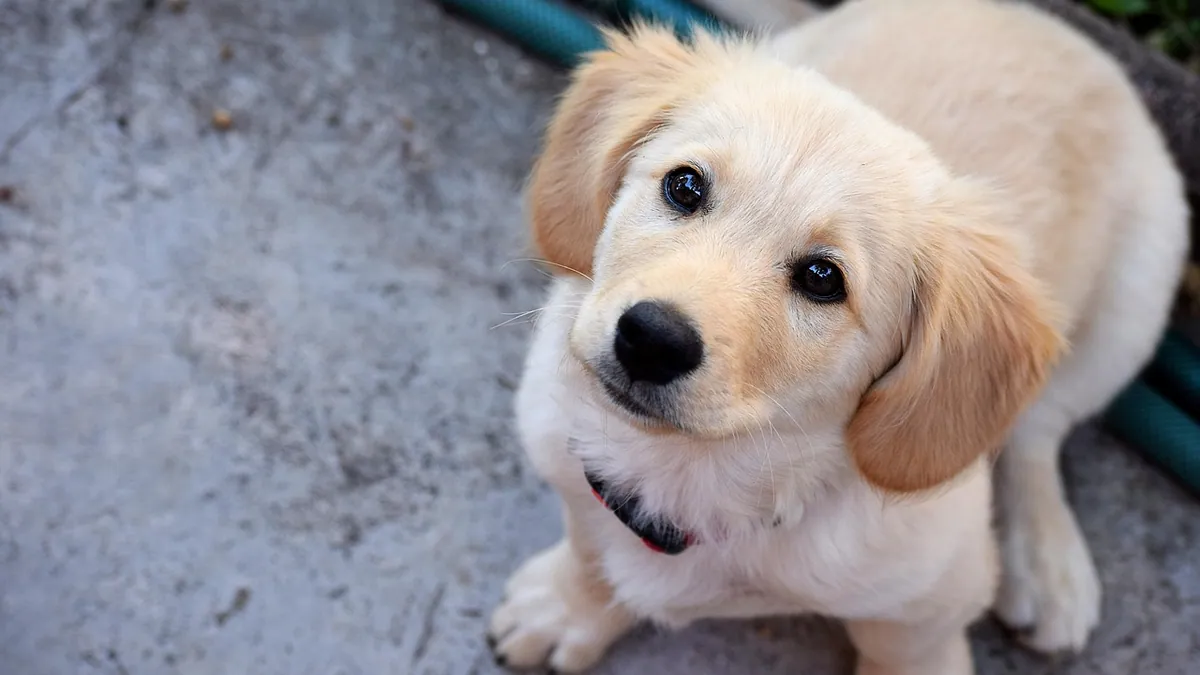
Eight weeks is the age when most puppies leave their mother and littermates and come home with you. At this stage a puppy can eat solid food on its own, but it still needs frequent meals, a warm safe place to sleep, early veterinary care, and gentle, steady socialization [1]. This article is educational and is not a substitute for veterinary diagnosis or treatment.
Quick Answer
- Feed a growth-formula puppy food three to four times a day, and ask your veterinarian how much and when to switch to adult food.
- Book a veterinary visit within the first few days home for a full exam, a fecal check for worms, and to start or continue the vaccine series [1].
- Expect your puppy to sleep a large part of the day, often 16 to 20 hours in total, in short stretches.
- Keep your puppy away from unvaccinated dogs and dogs with unknown vaccine status until the full vaccine series is complete at about 4 months old [1].
- Use the socialization window (roughly 3 to 12 weeks) to introduce new people, sounds, surfaces, and gentle handling in positive ways [2].
What Do Puppies Need at 8 Weeks? A Step-by-Step Plan
The first week home sets the tone for everything that follows. Work through these steps in order.
Step 1: Set up a safe space before your puppy arrives
Choose a small, puppy-proofed area, such as a crate with the door open or a pen in a quiet room. Line it with washable bedding. Remove electrical cords, small objects, and toxic plants from reach. Keep the space small at first so your puppy is not overwhelmed and cannot get into trouble while you are not watching.
Step 2: Schedule the first veterinary visit
Call your veterinarian before or right after pickup. The first exam checks weight, hydration, heart, lungs, eyes, ears, and belly. Your vet will also check a stool sample for intestinal worms, which puppies commonly carry from their mother, and will set up a deworming plan [1]. Expect repeat fecal checks every 2 to 4 weeks until your puppy has two negative tests in a row [1].
Step 3: Start the vaccine series
Puppies get some protective immunity from their mother at birth and through her milk. That immunity fades at different rates, so vaccines may not work well until it is gone. This is why puppies are vaccinated every 2 to 3 weeks until they are about 4 months old [1]. Your veterinarian will decide which vaccines your puppy needs based on local risk and lifestyle.
Step 4: Build a feeding routine
Feed a complete and balanced food made for puppies. Most 8-week-old puppies do well with three to four small meals a day. Your veterinarian will tell you the exact amount based on your puppy's weight, body condition, and the calorie content of the food. Do not free-feed if your puppy gulps food or gains weight too fast. If your puppy came home with a specific food, keep feeding that for the first week or two, then transition slowly if you plan to change.
Step 5: Begin house training and gentle training
Take your puppy outside often, including right after waking, after meals, and after play. Praise and reward outdoor elimination. Keep training sessions short, a few minutes at a time, several times a day. For a week-by-week plan, see Puppy Training Guide By Week. If you plan to use a crate, Puppy Crate Training First Week walks through the first steps.
Step 6: Start socialization now
The socialization period runs from about 3 to 12 weeks of age. During this window puppies form their primary social bonds and get used to new things. Puppies that miss positive experiences in this period are more likely to develop fear, aggression, or anxiety as adults [2]. Carry your puppy in your arms in public places, invite calm friends over, and expose your puppy to everyday sounds like vacuums, traffic, and doorbells. Keep every new experience low-key and paired with treats.
8-Week-Old Puppy Schedule and Checklist
Use this as a starting framework. Your veterinarian can adjust it for your puppy.
| Time of day | What to do |
|---|---|
| Early morning | Potty break outside, then breakfast |
| Mid-morning | Short play session, potty break, nap |
| Midday | Lunch, potty break, quiet time |
| Afternoon | Gentle handling and socialization practice, potty break, nap |
| Early evening | Dinner, potty break, short training session |
| Evening | Quiet play, potty break before bed |
| Overnight | Expect one or two potty breaks for the first weeks |
Checklist for the first week:
- Veterinary exam scheduled or completed [1]
- Stool sample checked for worms [1]
- Deworming plan started or continued [1]
- Vaccine series started or continued [1]
- Puppy food and feeding schedule set
- Crate or pen set up
- Identification tag and microchip plan discussed with your vet
- First socialization outings planned (carrying your puppy, not walking on unknown ground)
What Do Puppies Do at 8 Weeks?
At 8 weeks, puppies are curious, mouthy, and easily tired. They can eat on their own and no longer need their mother's milk [1]. They explore with their mouths, so expect nipping during play. They sleep a lot, often in short bursts through the day and night. They may whine or cry when left alone, especially in the first nights away from their littermates.
This is also a sensitive age for behavior. Puppies adopted at 1 month or 2 months of age showed more signs of fear, anxiety, and attention-seeking than puppies adopted later [2]. That does not mean an 8-week-old puppy is doomed to behavior problems. It means the weeks right after adoption matter, and steady, positive socialization helps.
If you want to understand what came before this stage, Newborn Puppy Care Week by Week: Neonatal Care and Development covers the first weeks of life.
Signs That Something Is Wrong
Call your veterinarian if you notice any of these:
- Refusing to eat or drink for more than a few hours
- Vomiting or diarrhea, especially with blood or repeated episodes
- Lethargy or difficulty waking
- Coughing, sneezing, or discharge from the eyes or nose
- Pale gums, weakness, or collapse
- Straining to urinate or poop
- A swollen or painful belly
- Sudden behavior change, such as hiding or crying when touched
Puppies can decline quickly. When in doubt, call. Your veterinarian would rather see a puppy early than treat a serious problem later.
Common Mistakes With 8-Week-Old Puppies
Taking your puppy to dog parks or busy pet stores too soon. Until the vaccine series is complete at about 4 months, keep your puppy away from unvaccinated dogs and dogs with unknown vaccine status [1]. Carry your puppy in public and let it meet only healthy, fully vaccinated dogs in safe spaces.
Skipping or delaying vaccines. The maternal immunity that protects a puppy also blocks vaccines, so the series has to be repeated every 2 to 3 weeks until about 4 months of age [1]. Missing a booster leaves a gap in protection.
Free-feeding without a plan. Puppies grow fast, and growth rate matters. In one study, puppies nursing from overweight mothers gained weight faster than puppies from lean mothers, even though the milk composition was similar [3]. Your veterinarian can track your puppy's growth curve and adjust portions.
Waiting to socialize until vaccines are done. The socialization window closes around 12 weeks [2]. Waiting until 4 months to introduce new experiences misses the most receptive period. Use safe socialization methods, such as carrying your puppy and hosting calm visitors, while avoiding high-risk areas.
Punishing normal puppy behavior. Nipping, chewing, and accidents are normal at this age. Redirect to appropriate toys and reward the behavior you want. Harsh punishment can increase fear and damage your bond.
Ignoring worms and parasites. Puppies often have intestinal worms passed from their mother and need deworming as a precaution a few weeks after birth [1]. Your vet will check stool samples every 2 to 4 weeks until two tests in a row are negative [1].
Supplies and Setup That Matter for Health
- Food and water bowls: shallow, easy to clean, and placed away from the sleeping area.
- Puppy food: a complete and balanced growth diet. Ask your vet for the right amount.
- Crate or pen: sized so your puppy can stand, turn, and lie down comfortably.
- Bedding: washable, and enough to keep your puppy warm. Young puppies cannot regulate body temperature well.
- Identification: a collar with a tag, plus a microchip discussion at your vet visit.
- Toys: a mix of chew toys and soft toys. Rotate them to keep interest.
- Cleaning supplies: an enzymatic cleaner for accidents.
- A safe carrier or sling: for carrying your puppy in public before vaccines are complete [1].
- A notebook or app: track meals, potty times, sleep, and any symptoms. This helps your vet spot patterns.
Limitations and When to Contact a Veterinarian
This article gives general guidance for a typical 8-week-old puppy. Every puppy is an individual, and your veterinarian needs to see your puppy to make specific recommendations.
Contact your veterinarian the same day if your puppy:
- Has repeated vomiting or diarrhea
- Refuses to eat for more than a few hours
- Seems weak, wobbly, or unusually quiet
- Has discharge from the eyes or nose
- Has not had a first exam yet
Go to an emergency clinic now if your puppy:
- Collapses or cannot stand
- Has pale or white gums
- Breathes fast or with effort while resting
- Has a swollen, painful belly
- Has a seizure
- Has uncontrolled bleeding
Schedule a routine visit for:
- The first exam within a few days of coming home [1]
- Vaccine boosters every 2 to 3 weeks until about 4 months old [1]
- Fecal checks every 2 to 4 weeks until two negative tests in a row [1]
- Growth and body condition checks
- Behavior questions, especially about fear, nipping, or crying at night
Frequently Asked Questions
How much should an 8-week-old puppy eat?
There is no single amount that fits every puppy. Portion size depends on your puppy's weight, body condition, activity, and the calorie density of the food. Your veterinarian will calculate the right amount and tell you how often to feed. Most 8-week-olds do best with three to four small meals a day.
Can my 8-week-old puppy go outside?
Yes, for potty breaks in your own yard or another low-risk area. Avoid places where unknown or unvaccinated dogs roam, such as dog parks and busy sidewalks, until the vaccine series is complete [1]. Carry your puppy when you take it into public spaces.
How long can an 8-week-old puppy hold its bladder?
Most 8-week-old puppies need a potty break every one to two hours while awake, plus one or two breaks overnight. Bladder control improves with age and with a consistent routine. Take your puppy out after waking, after meals, after play, and before bed.
Why does my puppy cry at night?
Crying at night is common in the first week home. Your puppy just left its mother and littermates and is in a new place. A small, warm sleeping area close to you, a consistent bedtime routine, and a potty break before bed can help. If crying is constant or your puppy seems painful or unwell, call your veterinarian.
When can my puppy meet other dogs?
Your puppy can meet healthy, fully vaccinated dogs in a safe, private space right away. Avoid unknown dogs and public dog areas until the vaccine series is complete at about 4 months old [1]. Ask the other owner about vaccine status before any meeting.
Related Articles
- Newborn Puppy Care Week by Week: Neonatal Care and Development
- Puppy Training Guide By Week
- Puppy Crate Training First Week
- Puppy Training Tips Week By Week
- Puppy Training Guide By Age
- New Puppy Checklist: The First 30 Days
- What Do Puppies Need? Diet, Care, and First Weeks
- How Long Do Puppies Nurse? Weaning Timeline
- How Long Should Puppies Stay With Their Mom?
References
- Puppy Care - Dog Owners. Merck Veterinary Manual.
- The Puppies' Age at Adoption Time Influences the Behavioral Responses of Adult Dog. Veterinary sciences, 2025.
- Accelerated early weight gain of neonatal puppies from overweight bitches compared to lean dams in spite of similar milk macronutrient composition. Frontiers in nutrition, 2026.