Puppy Umbilical Cord: Care and When It Falls Off
By Dr. Zubair Khalid, DVM, MS, PhD ·
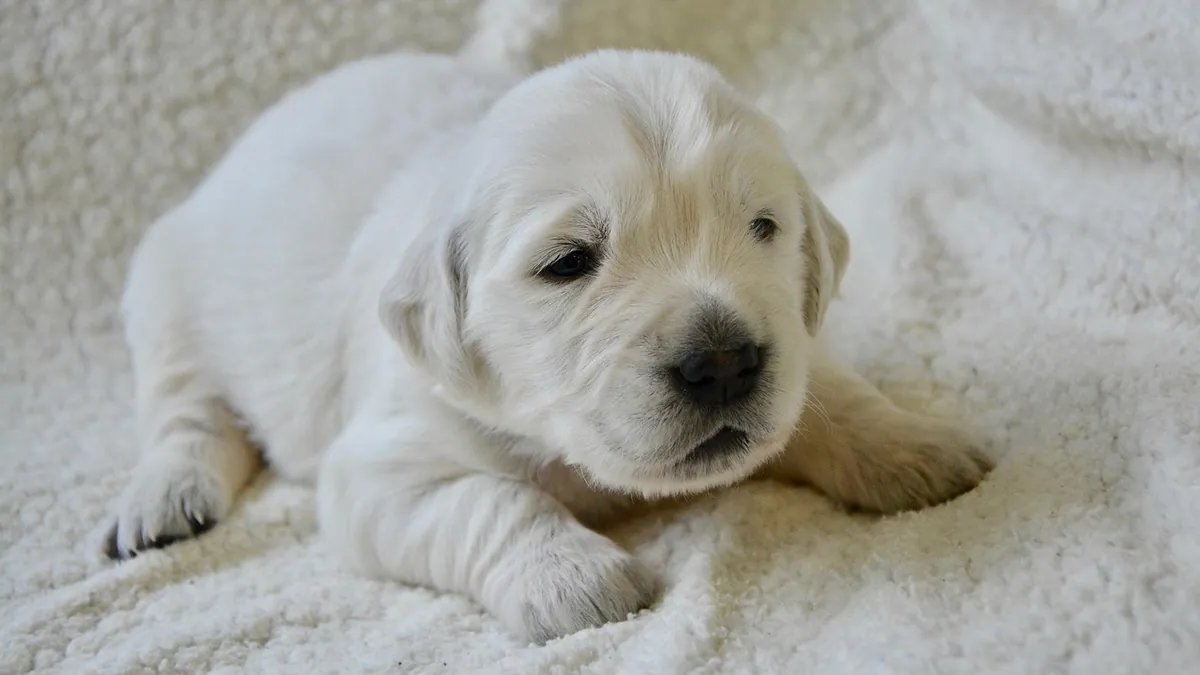
Yes, puppies have umbilical cords. The cord is cut or breaks at birth, leaving a short stump on the belly that dries up and falls off on its own within the first week of life. Your main job is to keep that stump clean, dry, and undisturbed while you watch for signs of infection or a hernia.
This article is educational and is not a substitute for veterinary diagnosis or treatment.
Quick Answer
- Puppies are born attached to a placenta by an umbilical cord, and the mother usually chews or bites it off herself.
- The remaining stump normally dries, shrivels, and drops off in roughly 3 to 7 days without any help from you.
- Do not pull, cut, or pick at the stump, even when it looks ready to fall.
- Keep the area clean and dry, and check it once or twice a day for swelling, redness, pus, or a bad smell.
- A soft, squishy bulge under the skin at the navel may be an umbilical hernia, which a veterinarian should examine.
What a Puppy Umbilical Cord Is and What Happens at Birth
Every puppy starts life attached to a placenta. The umbilical cord carries oxygen and nutrients from the mother to the fetus during pregnancy. At birth, the mother typically bites or chews through the cord, leaving a short stump attached to the puppy's belly. If she does not, whoever is assisting with the delivery clamps and cuts it.
The stump you see is dead tissue. It has no nerve supply you need to worry about, and it will not bleed much once it has closed off. Over the next few days it changes from soft and slightly shiny to dark, thin, and leathery. Then it separates from the belly wall and falls off, leaving a small, clean navel.
In dogs, the umbilical cord has a different internal structure than the human cord. The canine cord contains an allantois with very little connective tissue surrounding the blood vessels, and there is an abundance of collagen around those vessels [1]. That anatomy matters mostly to researchers, but it helps explain why the stump is fairly small and why it heals quickly when it is left alone.
How to Care for a Newborn Puppy's Umbilical Cord
Step 1: Leave the stump alone
The single most useful thing you can do is nothing. Do not tug on the stump to speed things up. Do not trim it with scissors. Do not pick at the dried edge. Pulling too early can tear the abdominal wall and increase the risk of bleeding or a hernia.
Step 2: Keep the area clean and dry
Damp bedding, urine, and feces all slow healing and encourage bacteria. Change bedding at least daily, and more often if it gets soiled. If the stump looks dirty, wipe gently around it with a clean, damp cloth and pat dry. Do not soak it or scrub it.
Step 3: Dip the stump if your veterinarian advises it
Some breeders and veterinarians apply a dilute antiseptic to the stump in the first day or two. Ask your veterinarian what they recommend for your litter. Do not use alcohol, hydrogen peroxide, or human antibiotic ointments unless a veterinarian tells you to. These can irritate the skin or dry it out too much.
Step 4: Watch the puppies nurse
Good nursing drives good circulation and good healing. Puppies get some protective immunity from their mother at birth and through her milk [2]. Strong, regular nursing also means the puppies are warm and hydrated, which supports normal tissue repair.
Step 5: Check the stump daily
Look at it once or twice a day. You are checking for three things: color, smell, and swelling. A normal stump gets darker and drier. A problem stump gets redder, wetter, or smellier.
Step 6: Let it fall off on its own
When the stump is ready, it will drop off, often stuck to the bedding. You may find a small dry piece of tissue in the whelping box. That is normal. The spot underneath should look flat and clean.
Step 7: Keep the environment clean
Newborn puppies are susceptible to infections until they have completed their vaccine series [2]. That makes hygiene in the whelping area a real health measure, not just housekeeping. Wash your hands before and after handling the puppies, and limit visitors.
Normal Healing Timeline for the Stump
| Time after birth | What you should see | What you should do |
|---|---|---|
| First few hours | Short stump, may look moist or slightly shiny | Leave it alone, keep bedding dry |
| Day 1 to 2 | Stump darkens, starts to dry and shrivel | Check once or twice daily |
| Day 3 to 5 | Stump is thin, leathery, and loose | Do not pull it, let it separate |
| Day 3 to 7 | Stump falls off, small clean navel remains | Keep the area clean |
| After it falls off | Flat or slightly dimpled navel, no discharge | Watch for swelling over the next weeks |
Most stumps are gone within a week. If yours is still firmly attached and looks healthy at day 8 or 9, mention it at your next veterinary contact. If it is still attached and looks red, wet, or swollen, call sooner.
Umbilical Hernia in Puppies
An umbilical hernia is a soft bulge at the navel where abdominal contents push through a small opening in the belly wall. It is one of the more common things veterinarians find on a puppy's first exam. Many are small and close on their own as the puppy grows. Others need surgical repair.
You will usually feel a soft, squishy bump under the skin at the navel. It may get bigger when the puppy cries, strains, or eats, and smaller when the puppy is relaxed. That movement is typical of a hernia.
What you should do depends on the size and feel of the bulge:
- Small, soft, and reducible (you can gently push it back in): usually monitored, often repaired at the time of spay or neuter.
- Firm, painful, or you cannot push it back: this needs same-day veterinary attention.
- The puppy is vomiting, crying, or the area is red and hard: this is an emergency.
Never try to force a hernia back in yourself. If it is stuck, you can injure the tissue or the puppy.
Rare umbilical problems exist beyond hernias. One case report described a 2-month-old French Bulldog with a greenish-yellow discharge dripping from the umbilicus since birth, caused by an abnormal connection between the umbilicus and the bile duct [3]. That is uncommon, but it shows why any persistent discharge from the navel deserves a veterinary workup instead of home treatment.
Signs That Something Is Wrong
Call your veterinarian if you see any of these:
- Redness spreading around the stump or onto the belly
- Swelling that is firm, hot, or growing
- Pus, cloudy fluid, or a greenish-yellow discharge
- A bad smell from the stump or navel
- Bleeding that does not stop with gentle pressure
- The puppy is crying, restless, or refusing to nurse
- The puppy feels cold or feels limp
- A bulge at the navel that is hard, painful, or cannot be pushed back
A newborn puppy can go downhill fast. When in doubt, call. Do not wait to see if it improves overnight.
Common Mistakes to Avoid
Pulling the stump off early. This is the most common mistake. It can cause bleeding or a hernia.
Cutting the stump shorter. There is no reason to trim a healthy stump. You risk infection and injury.
Using harsh antiseptics. Alcohol and hydrogen peroxide damage healing tissue. Ask your veterinarian before applying anything.
Ignoring a bulge because it is small. Small hernias are usually fine, but they still need to be checked and monitored. A small hernia can become a strangulated hernia.
Assuming a dirty navel is just dirt. Discharge, crusting, and odor are signs of infection or another problem. Get it looked at.
Skipping early veterinary visits. Puppies need frequent care in the first months, including deworming and vaccines [2]. Your veterinarian will check the navel at those visits, so keep the appointments.
Letting unvaccinated dogs near the litter. Puppies should be kept away from unvaccinated dogs, or dogs whose vaccine status is unknown, until they have all their shots [2].
If you notice your puppy scooting or licking at the rear end instead of the belly, that is a different problem. See Puppy Scooting On The Floor and Puppy Scooting Bottom On Floor After Pooping. If a puppy is limping or favoring a leg, see Puppy Limping: When to See a Vet and When to Wait.
Supplies and Setup That Support Healing
You do not need much, but the few things you use matter.
Clean, absorbent bedding. Fleece pads, towels, or whelping pads that you can change and wash daily. Wet bedding is the enemy of a healing stump.
A warm, draft-free whelping area. Newborns cannot regulate their body temperature well. A chilled puppy heals poorly and nurses poorly.
A kitchen scale. Daily weights are one of the best ways to tell whether a puppy is thriving. A puppy that is not gaining weight needs veterinary attention.
Clean hands and clean clothes. Wash before handling the litter, especially in the first two weeks.
A notebook or phone note. Track daily weights, stool quality, and anything you notice about the stump or navel. This record is genuinely useful at veterinary visits.
Your veterinarian's phone number and after-hours contact. Save it before you need it.
Do not stockpile human antibiotics or ointments for the litter. Doses for puppies are calculated by a veterinarian from the puppy's weight and health, and the wrong product or amount can be harmful.
Limitations and When to Contact a Veterinarian
This article covers the normal course of a puppy umbilical cord and the common problems. It cannot tell you what is happening with your specific puppy. Individual cases need a veterinarian who can examine the puppy, feel the navel, and decide on treatment.
Contact a veterinarian the same day if you see:
- Redness, swelling, or heat around the stump or navel
- Pus, cloudy, or greenish-yellow discharge
- A foul smell
- Bleeding that does not stop
- A navel bulge that is firm or painful
- A puppy that is not gaining weight or is nursing poorly
Go to an emergency clinic now if you see:
- A hard, discolored, or painful bulge at the navel
- Vomiting, crying, or collapse in a puppy with a navel bulge
- A puppy that is cold, limp, or unresponsive
- Heavy bleeding from the stump
Bring it up at a routine visit if:
- The stump is still attached and looks normal after about a week
- You feel a small, soft, reducible bulge at the navel
- You want the navel checked before spay or neuter
Puppies need a lot of care in their first months, including veterinary visits, feeding, socialization, and training [2]. Your veterinarian will check the umbilicus at those visits, so use them.
Frequently Asked Questions
Do all puppies have umbilical cords?
Yes. Every puppy is attached to a placenta by an umbilical cord before birth. The mother usually removes most of it herself, leaving a short stump that dries and falls off.
How long does it take for a puppy's umbilical cord to fall off?
Most stumps fall off within about 3 to 7 days after birth. If the stump is still attached and looks healthy after a week, mention it to your veterinarian.
Can I help the umbilical cord fall off faster?
No, and you should not try. Pulling or cutting the stump can cause bleeding, infection, or a hernia. Let it separate on its own.
Is a bulge at the navel always a hernia?
No, but a soft bulge at the navel is most often an umbilical hernia. A veterinarian should examine any bulge, especially if it is firm, painful, or cannot be pushed back in.
Can an umbilical hernia go away without surgery?
Many small hernias close on their own as the puppy grows. Larger or persistent hernias are usually repaired surgically, often at the time of spay or neuter. Your veterinarian will decide based on the size and behavior of the hernia.
Related Articles
- Dog Hair Loss After Puppies: Causes and What to Do
- Puppy Limping: When to See a Vet and When to Wait
- Puppy Scooting On The Floor
- Ectopic Ureters in Puppies: Diagnosing Incontinence and Surgical Fixes
- Puppy Scooting Bottom On Floor After Pooping
- When to Spay or Neuter a Puppy: Optimal Age and Health Considerations
- When Do Puppies Stop Nursing? Weaning Age Guide
- Post-Whelping Care: What to Expect After Your Dog Gives Birth
- Dog C-Section: Procedure, Risks, and Infection Signs
References
- Characterization of the extracellular matrix from human and dog umbilical cords. Anatomical record (Hoboken, N.J. : 2007), 2026.
- Puppy Care - Dog Owners. Merck Veterinary Manual.
- Concurrent Congenital Umbilicobiliary Fistula and Vesicourachal Diverticula in a Dog. Animals : an open access journal from MDPI, 2025.