Can Parrots Eat Raspberries and Blackberries? Berry Guide
By Dr. Zubair Khalid, DVM, MS, PhD ·
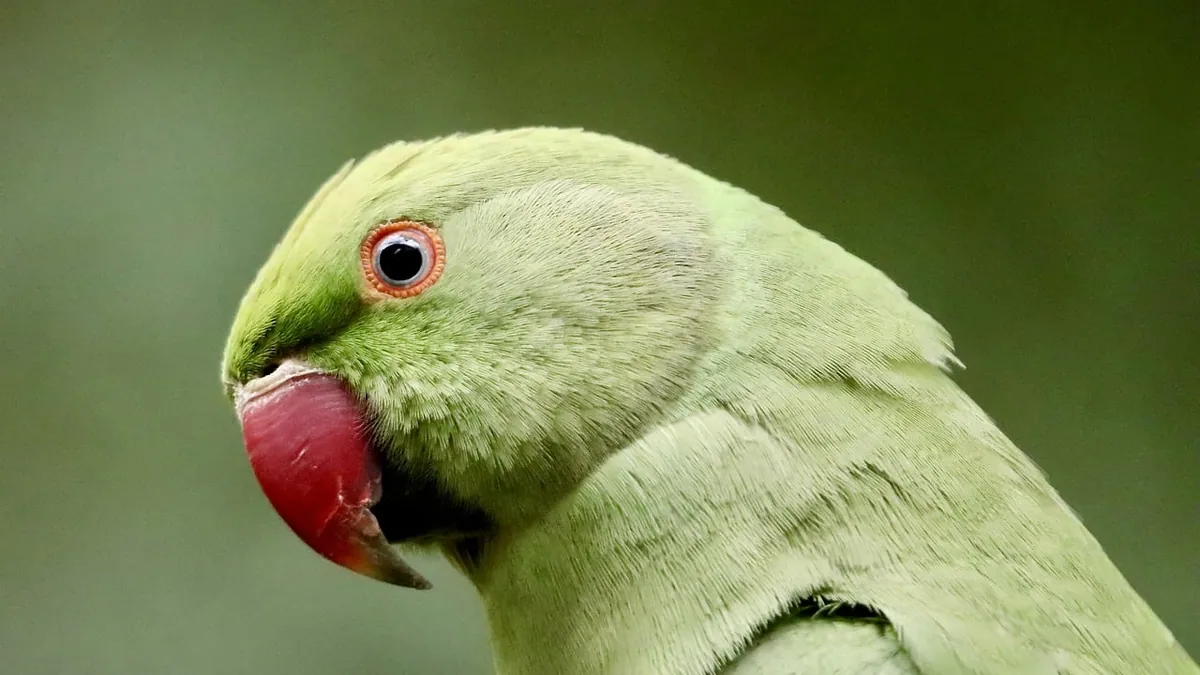
Can parrots eat raspberries? Yes. Raspberries and blackberries are among the safest fruits you can share with a pet parrot, and most species eat them eagerly. The main things to get right are portion size, thorough washing, and avoiding processed berry products with added sugar or other ingredients.
This article is educational and is not a substitute for veterinary diagnosis or treatment.
Quick Answer
- Raspberries and blackberries are safe for parrots, including parakeets, Quaker parrots, and ringneck parrots.
- Serve a small portion, roughly one to three berries for a medium parrot, as a treat alongside a balanced diet.
- Wash berries under running water and pat them dry before offering them.
- Remove stems, leaves, and any moldy or mushy berries.
- Never feed berry jams, jellies, syrups, pies, or dried berries with added sugar or preservatives.
Are Raspberries and Blackberries Safe for Parrots?
Yes, both berries are safe for parrots. Raspberries and blackberries are soft, seed-bearing fruits that parrots can eat fresh, and they are widely used as treats in captive bird care. Wild parrot diet studies show that fruit makes up part of the natural diet for many species, and birds interact with fruiting plants across the year as a regular food source [1]. A study of Burrowing Parrots found a wide variety of plant material in their diet across the annual cycle, which supports the idea that plant-based foods belong in a parrot's feeding routine [2].
That said, safe does not mean unlimited. Berries should be a small part of the diet, not a replacement for pellets, vegetables, and other staples. The same principle applies to other pets in your home, so if you also have a dog, our guide on Can Dogs Eat Raspberries covers how portions work for them.
Can Parakeets Eat Raspberries?
Yes, parakeets can eat raspberries. Because parakeets are small, keep the portion tiny. A single berry cut into small pieces is plenty for one budgie, and many will nibble just a few bites. Offer berries in a shallow dish so pieces do not roll around or get buried in bedding.
Can Quaker Parrots Eat Raspberries?
Yes, Quaker parrots can eat raspberries. Quakers are medium-sized and can handle a whole raspberry or blackberry without trouble. Cut larger blackberries in half so your bird can grip them easily and so you can check the inside for mold.
Can Ringneck Parrots Eat Raspberries?
Yes, ringneck parrots can eat raspberries. Ringnecks have a sturdy beak and generally manage whole berries well. Two or three berries make a reasonable treat portion for a ringneck, depending on the bird's size and the rest of its daily food.
Nutritional Value and Real Benefits
Berries give your parrot a few things that a plain seed or pellet mix may not. They provide vitamin C, vitamin K, and dietary fiber, along with antioxidants called anthocyanins that give the fruit its color. They are also low in fat compared with many nuts and seeds.
That low fat content matters for parrots. Lipid disorders, including hepatic lipidosis and atherosclerosis, are common in psittacine birds and are linked to diet, exercise, and species predisposition [3]. Swapping some fatty treats for berries is one small way to keep the overall diet lighter. Berries also add variety and texture, which supports natural foraging behavior. Feeding enrichment that lets parrots work for food can promote natural behaviors and improve welfare, though the response depends on the species and its feeding ecology [4].
Fresh berries also add moisture, which is helpful for birds that do not drink much water. Just do not count on berries to fix a poor base diet. Pellets, leafy greens, and a mix of vegetables should still do the heavy lifting.
Risks and What to Watch For
Choking and Seeds
The seeds in raspberries and blackberries are small and soft, and parrots can eat them without issue. Choking is uncommon with fresh berries, but it can happen if a bird gulps a large piece. Cutting berries in half for small species reduces that risk. Remove the stem and the green calyx at the top, since those parts are firm and offer no benefit.
Digestive Upset
Too many berries at once can cause loose droppings. This is usually mild and settles within a day once you return to the normal diet. If your bird has never eaten berries, start with one small piece and see how the droppings look over the next 24 hours.
Pesticide Residue
Berries are thin-skinned fruits, so pesticide residue on the surface can transfer to your bird. Rinse berries under cool running water and rub them gently with your fingers. A produce wash designed for fruit is fine, but plain water and friction remove most surface residue. Organic berries lower the concern, but you should still wash them.
Added Ingredients
The real danger is not the berry. It is what people add to it. Jams, jellies, syrups, and pie fillings contain sugar, and some contain xylitol, which is toxic to birds. Dried berries often have added sugar or sulfites. Never share a berry product made for humans unless the only ingredient is the fruit itself.
Other Toxic Foods to Keep Away
Do not serve berries in a bowl that held garlic, onion, avocado, chocolate, caffeine, or alcohol. These foods are dangerous for parrots. Salt is also a problem, so skip salted nut butters, salted crackers, and seasoned toppings. If you want a comparison for another pet, our article on Can Dogs Eat Blackberries explains how the same fruit fits into a different species' diet.
How to Offer Berries Safely
Start with fresh or frozen berries. Frozen berries are fine as long as they have no added sugar or syrup. Thaw them and pat them dry, or offer them partially frozen on a hot day as a cool treat.
Follow these steps:
- Rinse under cool running water.
- Pat dry with a clean paper towel.
- Remove stems, leaves, and any bruised or moldy spots.
- Cut berries in half or quarters for small birds.
- Place them in a clean dish away from droppings.
- Remove uneaten berries after a few hours.
Fresh berries spoil quickly at room temperature. In warm weather, toss leftovers within two hours. Refrigerate the rest and use them within a few days.
Form and Safety Table
| Form | Safe? | Notes |
|---|---|---|
| Fresh raspberries | Yes | Wash first, remove stem |
| Fresh blackberries | Yes | Cut in half for small birds |
| Frozen plain berries | Yes | No added sugar or syrup |
| Organic berries | Yes | Still wash before serving |
| Dried berries with sugar | No | Added sugar and sulfites |
| Jam, jelly, syrup | No | Sugar, possible xylitol |
| Berry pie or cobbler | No | Sugar, butter, salt |
| Berries in alcohol | No | Alcohol is toxic to birds |
Portion Guidance
Treat berries as a topping, not a meal. For a medium parrot such as a Quaker, one to three berries per day is a reasonable ceiling. For a parakeet, a few small pieces. For a large ringneck, up to three or four berries depending on the bird's overall size and activity. These are general starting points, not fixed rules. Your veterinarian can tailor portions to your bird's weight, species, and health conditions.
If your bird is overweight or has a diagnosed lipid disorder, ask your veterinarian how berries fit into the plan. Dietary modification is a core part of managing lipid disorders in psittacine birds, and the right mix depends on the individual bird [3].
What to Do If Your Parrot Ate Too Much or the Wrong Form
If your bird ate a few extra berries, watch the droppings and behavior for the next day. Mild loose stool often resolves on its own once you return to the normal diet. Offer fresh water and skip other treats for 24 hours.
If your bird ate a berry product containing xylitol, alcohol, chocolate, onion, or garlic, treat it as an emergency. Call your veterinarian or an animal poison control hotline right away. Do not wait for symptoms. Birds hide illness well and can decline quickly.
If your bird ate moldy berries, watch for vomiting, lethargy, or appetite loss. Contact your veterinarian the same day.
Signs that need urgent care include:
- Repeated vomiting or regurgitation
- Bloody or black droppings
- Labored breathing
- Fluffed feathers and sitting on the cage floor
- Tremors, weakness, or collapse
- Refusing food for more than a few hours
Safer Alternatives and Variety
Berries are one option among many. Other parrot-safe fruits include apple (no seeds), pear, melon, mango, papaya, and kiwi. Vegetables such as carrot, bell pepper, broccoli, and leafy greens add bulk and nutrients with less sugar. If you want more fruit ideas for the dogs in your house, our articles on Can Dogs Eat Strawberries And Raspberries and Can Dogs Eat Strawberries Fruit cover similar ground for a different species.
Rotate treats so your bird does not fixate on one food. A parrot that only wants berries may start refusing pellets and vegetables. Offer berries two or three times a week instead of daily, and use them as a reward during training or foraging games.
Limitations and When to Contact a Veterinarian
This article gives general guidance for healthy pet parrots. It cannot account for your bird's species, weight, medical history, or current medications. Individual cases need a veterinarian who can examine your bird and review its full diet.
Contact your veterinarian the same day if your bird ate a dangerous berry product, shows vomiting, has changed droppings, or seems less active than usual. Go to an emergency clinic immediately if your bird is breathing hard, cannot perch, has seizures, or collapses. Schedule a routine visit if you want help building a balanced diet, if your bird is overweight, or if you are unsure how much fruit is right for its species.
Frequently Asked Questions
Can parrots eat raspberries every day?
Yes, a small portion of raspberries can fit into a daily routine for many healthy parrots. Keep the amount modest so berries do not crowd out pellets and vegetables. If droppings become loose, cut back to a few times a week.
Are blackberry seeds dangerous for parrots?
No, blackberry seeds are small and soft enough for parrots to swallow safely. The seeds pass through the digestive tract without causing blockages in most cases. Cut berries in half for very small birds if you are concerned about size.
Can parrots eat frozen raspberries?
Yes, plain frozen raspberries are safe as long as they have no added sugar or syrup. Thaw them or offer them partly frozen as a cool treat. Check the label first, since some frozen fruit blends include sweeteners.
Do I need to buy organic berries for my parrot?
No, organic berries are not required. Washing conventional berries under running water removes most surface residue. Organic fruit still needs washing before you serve it.
What if my parrot eats a whole container of berries?
A large amount of plain berries may cause loose droppings and a full stomach, but it is rarely dangerous on its own. Watch for vomiting, lethargy, or appetite loss over the next day. Call your veterinarian if any of those signs appear or if the berries contained added sugar, xylitol, or alcohol.
Related Articles
- Can Parrots Eat Blueberries and Strawberries? Berry Safety
- Can Parrots Eat Strawberries? Seeds, Leaves, and Portions
- Can Parrots Eat Cranberries? Fresh, Dried, and Sugar Risks
References
- Context-dependent plant-bird interactions shape polychory across the antagonism-mutualism continuum. Communications biology, 2026.
- Using next-generation sequencing to unravel the diet composition of Burrowing Parrots over the annual cycle. Die Naturwissenschaften, 2026.
- Lipid Disorders in Psittacine Birds: Diagnosis and Clinical Management. The veterinary clinics of North America. Exotic animal practice, 2026.
- Functionally Relevant Feeding Enrichment: An Examination of Nectar Feeding Devices With Two Species of Parrot. Veterinary medicine and science, 2026.