Can Parrots Eat Cranberries? Fresh, Dried, and Sugar Risks
By Dr. Zubair Khalid, DVM, MS, PhD ·
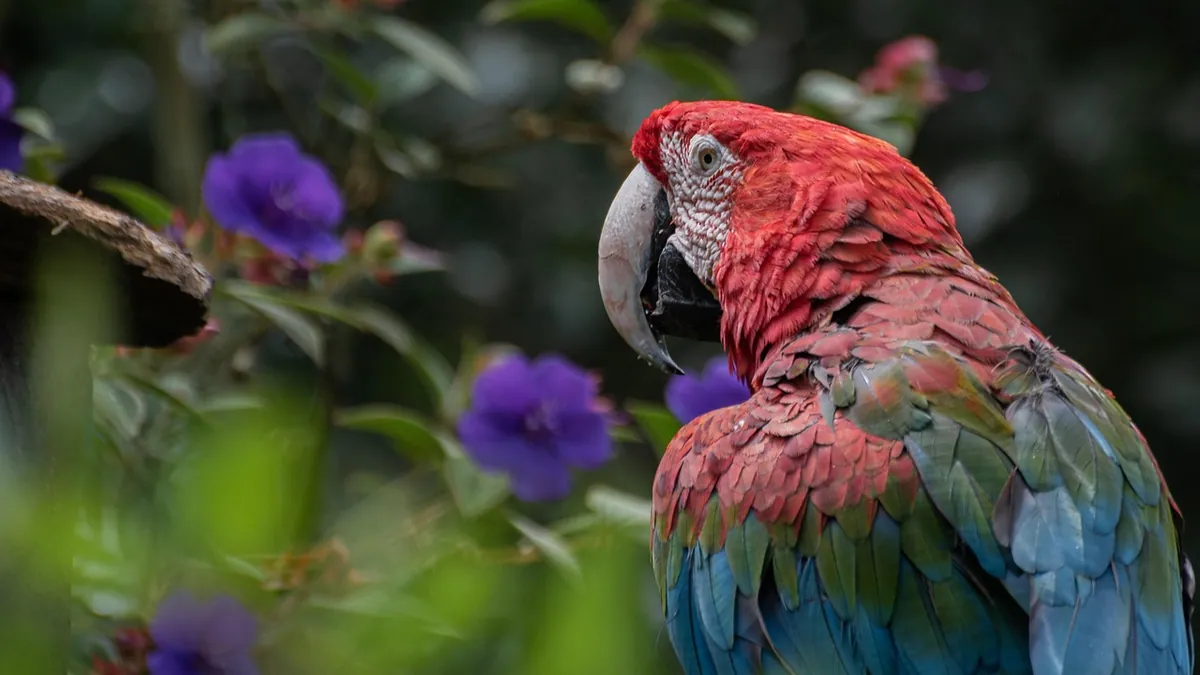
Fresh cranberries are safe for parrots, but they are very sour and should be a small treat, not a meal. Dried cranberries are a different story because most brands add sugar, and some add other ingredients that are not safe for birds. If you have ever asked can parrots eat cranberries, the short answer is yes for fresh, with limits, and careful label reading for dried.
This article is educational and is not a substitute for veterinary diagnosis or treatment.
Quick Answer
- Fresh, raw cranberries are safe for parrots, including parakeets and Quaker parrots, when fed in small amounts.
- Fresh cranberries are tart, so many birds will refuse them or eat only a bite or two.
- Dried cranberries are usually sweetened with added sugar, which should stay a rare treat.
- Never feed cranberry sauce, cranberry juice cocktails, or any product with xylitol, salt, garlic, or onion.
- Cut fresh cranberries into pieces sized for your bird, and remove any pits, stems, or damaged fruit.
Can Parrots Eat Cranberries? The Safety Verdict
Yes, parrots can eat fresh cranberries. Cranberries are a fruit, and parrots are generalist fruit eaters in the wild. Research on wild parrots shows they eat a wide range of fleshy fruits and berries and pass intact seeds through their digestive tract [1]. A study of Burrowing Parrots found a large variety of plant material in their diet across the year, including many non-native plants [2]. That tells us parrots are built to handle fruit, including tart berries.
That said, safe does not mean unlimited. Cranberries are acidic and very sour. Your bird may take one bite and walk away. That is normal. A parrot's willingness to eat a food is not the same as its need for that food. Cranberries should be a garnish on a balanced diet, not a staple.
For parakeets and Quaker parrots, the same rule applies. These smaller birds can eat fresh cranberries too, but the pieces need to be smaller. A whole cranberry is about the size of a parakeet's head, so cut it into quarters or smaller.
What Is in a Cranberry?
Fresh cranberries are mostly water. They contain vitamin C, fiber, and plant compounds called proanthocyanidins. They are low in calories and low in sugar compared with many other fruits. That makes them a reasonable occasional treat for a bird that needs to watch its weight.
The real nutritional value for a pet parrot is small. A few bites of cranberry will not change your bird's overall health. The bigger benefit is variety. Offering different safe fruits and vegetables keeps mealtime interesting and supports normal foraging behavior. Feeding enrichment matters for welfare, and parrots with contrasting feeding strategies respond differently to how food is presented [3]. Hiding a cranberry piece in a foraging toy can be more valuable than the fruit itself.
If you want to build a complete diet around your bird's species, see Parrot Nutrition: Building a Balanced Diet for Pet Parrots. For a broader list of safe and unsafe foods, see What Pet Birds Can and Cannot Eat: A Safe Diet Guide.
Are Dried Cranberries Safe for Parrots?
Usually not as a regular food. The problem is not the cranberry. The problem is what gets added to it.
Most dried cranberries sold in the United States are sweetened with sugar or corn syrup because plain dried cranberries are too tart to sell well. Some brands also add sulfites, fruit juice concentrate, or oil. A small piece of sweetened dried cranberry is not poison, but it is a concentrated sugar bomb for a small bird. Regular feeding can push a parrot toward obesity, fatty liver disease, and poor feather condition.
Read the label. If sugar, corn syrup, cane syrup, or fruit juice concentrate appears in the first few ingredients, treat that bag as candy, not fruit. If you find a brand with no added sugar and no other additives, a single small piece is acceptable as an occasional treat.
Watch for xylitol on any label. Xylitol is a sugar alcohol that is extremely toxic to dogs, and it is not safe for birds either. If a dried fruit product lists xylitol, do not feed it. The same goes for salt, garlic powder, and onion powder, which show up in some flavored dried fruit snacks.
Can Parrots Eat Raw Cranberries?
Yes. Raw, fresh cranberries are the safest form. Wash them well under running water, then cut them to a size your bird can handle. Remove the stem and any soft or moldy berries.
Some owners worry that raw cranberries are too acidic. In practice, a healthy parrot eating one or two small pieces will not have a problem. The bigger risk is that your bird eats a large amount at once and gets an upset stomach. Stick to small portions.
Frozen cranberries are also fine if they are plain and unsweetened. Thaw them first, or offer them partially frozen in warm weather. Skip any frozen product packed in syrup.
Can Parakeets and Quaker Parrots Eat Cranberries?
Yes, both can eat fresh cranberries. Size is the main difference.
For a parakeet, cut a cranberry into four to six pieces. One piece is plenty for a treat. For a Quaker parrot, a quarter or half of a berry is a reasonable serving. For larger parrots like macaws and African greys, half a berry to one whole berry is fine.
Macaws have powerful jaws built for cracking hard fruits and nuts. A study of the Blue-and-yellow Macaw found an estimated total bite force of about 232.74 N, with most of that force coming from three main jaw muscles [4]. That means a macaw can crush a cranberry without any trouble. It also means a macaw can crush things it should not eat, so keep unsafe items out of reach.
Risks and What to Avoid
Choking and Size
A whole cranberry can be a choking hazard for small birds. Cut everything down to a size your bird can swallow safely. Never leave a large piece unattended with a small parrot.
Digestive Upset
Too much tart fruit can cause loose droppings or an upset stomach. Keep servings small. If your bird has never had cranberries, offer one tiny piece and watch for a day.
Added Ingredients
This is the biggest real risk. Sugar, xylitol, salt, garlic, and onion are the additives to avoid. Cranberry sauce is off the menu because it is loaded with sugar and sometimes spices. Cranberry juice cocktail is mostly sugar water and should never replace drinking water.
Toxicity
Cranberries themselves are not toxic to parrots. The danger comes from what is added to them or from feeding too much of a good thing.
| Form | Safe? | Notes |
|---|---|---|
| Fresh raw cranberry | Yes | Cut into small pieces, wash first, 1 to 2 pieces as a treat |
| Frozen plain cranberry | Yes | Thaw first, no syrup or sugar added |
| Dried cranberry, no sugar | Yes, rarely | Small piece only, check the full ingredient list |
| Dried cranberry, sweetened | No, or very rarely | High sugar, can lead to weight and liver problems |
| Cranberry sauce | No | Added sugar and often spices |
| Cranberry juice cocktail | No | Mostly sugar, not a substitute for water |
| Any product with xylitol, salt, garlic, or onion | No | Do not feed |
How to Offer Cranberries Safely
Start with one small piece. Wash the berry, remove the stem, and cut it to fit your bird's beak size. Offer it in a food bowl or thread it onto a foraging skewer.
If your bird ignores it, try again another day. Parrots can be suspicious of new foods, and it may take several introductions before they try something. Do not force it. Never mix a new food into a favorite dish in a way that ruins the whole meal.
Keep treats to a small part of the daily diet. Fresh vegetables, a quality formulated pellet, and a modest amount of fruit should make up the bulk of most parrot diets. If you are not sure what balance is right for your species, ask your veterinarian. Eclectus parrots in particular have specific dietary needs, covered in Eclectus Parrot Nutrition: Preventing Deficiencies and Supporting Health.
What If Your Bird Ate Too Much or the Wrong Kind?
If your bird ate a few extra fresh cranberries, most likely nothing serious will happen. Watch for loose droppings, vomiting, or a fluffed, quiet bird. Offer fresh water and skip treats for the rest of the day.
If your bird ate sweetened dried cranberries, the sugar load is the concern, not immediate poisoning. One piece is unlikely to cause harm in a healthy bird. Repeated feeding is the real problem.
If your bird ate a product containing xylitol, garlic, onion, or a large amount of salt, treat it as an emergency. Call your veterinarian or a pet poison control hotline right away. Do not wait for symptoms. The dose matters, and your veterinarian will calculate it based on your bird's weight and health.
Safer Alternatives
If your bird loves tart fruit, try these instead.
- Blueberries, which are lower in acid and easy to cut.
- Pomegranate seeds, which many parrots enjoy.
- Apple pieces with the seeds removed.
- Papaya, mango, and melon in small amounts.
- Cooked sweet potato or squash for a non-fruit treat.
For a comparison of how fruit treats work in other pets, see Can Dogs Eat Cranberries? UTI Prevention and Oxalate Risks. The rules differ by species, so never assume a food safe for a dog is safe for a bird.
Limitations and When to Contact a Veterinarian
This article covers general guidance. Your bird's age, species, weight, and health conditions change what is safe. Individual cases need a veterinarian who can examine your bird.
Contact your veterinarian the same day if your bird ate a product with xylitol, garlic, onion, or a large amount of salt, or if it shows vomiting, droppings that are bloody or black, a swollen or distended abdomen, or a sudden drop in activity.
Go to an emergency clinic now if your bird is having trouble breathing, is open-mouth breathing, is sitting on the cage floor, is having seizures, or is unresponsive.
Schedule a routine visit if your bird has had repeated sugary treats, is gaining weight, or has changes in droppings or appetite over several days.
Frequently Asked Questions
Can parrots eat cranberries every day?
No, cranberries should be an occasional treat, not a daily food. Even fresh cranberries are tart and low in the nutrients a parrot needs most. Offer them a few times a week at most, in small pieces.
Are dried cranberries ever safe for parrots?
Only if the label shows no added sugar and no other additives. Even then, keep the portion to one small piece. Most dried cranberries on store shelves are sweetened, so read every label carefully.
Do parrots actually like cranberries?
Some do, and many do not. The sour taste puts off a lot of birds. If your parrot turns up its beak, that is normal and you should not push it.
Can I give my parrot cranberry juice?
No. Cranberry juice cocktail is high in sugar and often has added vitamin C or other ingredients. Plain unsweetened cranberry juice is extremely tart and not a good choice either. Water is the best drink for a parrot.
What should I do if my parakeet ate a whole cranberry?
One whole cranberry is unlikely to cause serious harm in a healthy parakeet, but it is a large piece for a small bird. Watch for choking, loose droppings, or vomiting. If your bird seems distressed, call your veterinarian.
Related Articles
- What Pet Birds Can and Cannot Eat: A Safe Diet Guide
- Parrot Nutrition: Building a Balanced Diet for Pet Parrots
- Eclectus Parrot Nutrition: Preventing Deficiencies and Supporting Health
- Bird Food
- Can Parrots Eat Blueberries and Strawberries? Berry Safety
- Can Parrots Eat Raspberries and Blackberries? Berry Guide
- Can Parrots Eat Strawberries? Seeds, Leaves, and Portions
References
- Internal seed dispersal by parrots: an overview of a neglected mutualism. PeerJ, 2016.
- Using next-generation sequencing to unravel the diet composition of Burrowing Parrots over the annual cycle. Die Naturwissenschaften, 2026.
- Functionally Relevant Feeding Enrichment: An Examination of Nectar Feeding Devices With Two Species of Parrot. Veterinary medicine and science, 2026.
- Morpho-functional analyses of the jaw apparatus in the Blue-and-yellow Macaw (Ara ararauna, Psittaciformes, Aves): Adaptations to feeding behavior. Anatomical record (Hoboken, N.J. : 2007), 2026.