How Long Does Coccidia Last in Dogs? Recovery Timeline
By Dr. Zubair Khalid, DVM, MS, PhD ·
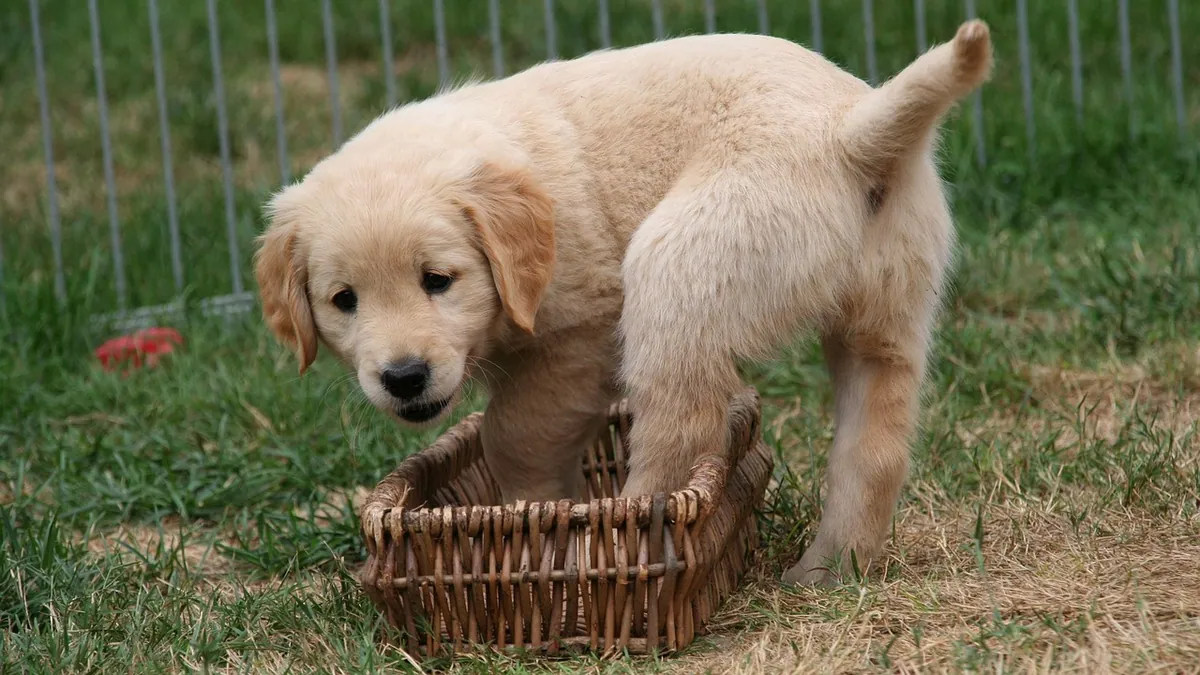
Coccidia in dogs how long does it last? For most puppies and dogs with diarrhea from coccidia, stool starts to firm up within 3 to 7 days of starting treatment, and full recovery usually takes 1 to 2 weeks. Some dogs shed the parasite longer than they have symptoms, so a follow-up fecal test matters even after the diarrhea stops.
This article is educational and is not a substitute for veterinary diagnosis or treatment.
Quick Answer
- Most dogs with coccidiosis improve within 3 to 7 days of starting a prescription medication, with complete resolution of diarrhea often by 1 to 2 weeks.
- Not every dog needs treatment. In almost all puppies and kittens, the infection is spontaneously eliminated, and supportive care with warmth and fluids may be all that is needed [1].
- Puppies, stressed dogs, and dogs in kennels or breeding facilities are at highest risk, and infection can be severe or even fatal in young puppies [2].
- Diarrhea that lasts beyond 2 weeks, contains blood, or comes with vomiting, lethargy, or refusal to eat needs a veterinary recheck.
- Prompt removal of feces and frequent cleaning of the environment are the best prevention strategies [3].
What Is Coccidia in Dogs?
Coccidia are microscopic protozoan parasites that live in the gastrointestinal tract. The type that causes disease in dogs is Cystoisospora, formerly called Isospora [3]. These parasites infect the lining of the intestine and can trigger diarrhea, especially in young animals.
Coccidia are host-specific, meaning the species that infects dogs cannot infect cats, and cats cannot pass their coccidia to dogs [3]. Humans cannot get Cystoisospora from dogs either [3]. That is reassuring if you have children or other pets at home, though good hygiene is still wise.
Healthy adult dogs rarely develop diarrhea from coccidia. Puppies are commonly affected because their immune systems are still developing [3]. Many adult dogs carry the parasite without any signs at all.
Signs Owners Notice
The most common sign is diarrhea, which may be watery, mucoid, or contain blood. Puppies may have accidents in the house, strain to defecate, or produce stool with a foul odor. Some dogs vomit, lose their appetite, or act tired.
Weight loss and dehydration can develop quickly in small puppies. A study of a dog breeding facility found that oocyst shedding peaked around day 30 of life in both dams and puppies, which is when clinical signs are most likely to appear [2]. If your puppy has diarrhea during the first two months of life, coccidia should be on your veterinarian's list.
Severe cases can be life-threatening. Research on a coccidiosis outbreak noted that infection was associated with mild to severe gastrointestinal disease, and two dogs in that group deteriorated enough to be humanely euthanized [4]. That is an extreme outcome, but it shows why young or immune-compromised dogs need prompt care.
Causes and Risk Factors
Dogs get coccidia by ingesting an oocyst, which is the infectious egg form of the parasite, from contaminated soil, water, or feces [3]. An oocyst only becomes infective after it matures in the environment, which happens within a few hours after a dog passes it in stool [3]. This is why cleaning up feces right away matters so much.
Dogs can also get infected by eating prey animals such as mice [3]. Research in mice found that dogs inoculated with certain parasite stages from infected mice had a shorter prepatent period, a longer patent period, and higher oocyst shedding compared to dogs given sporulated oocysts directly [5]. In plain terms, hunting and scavenging can increase risk.
Risk factors include:
- Young age, especially puppies under 6 months
- Crowded environments such as kennels, shelters, and breeding facilities [2]
- Stress from weaning, transport, or illness
- Poor sanitation or delayed removal of feces [3]
- A weakened immune system
If your dog recently had surgery or another illness, recovery may overlap with other timelines. You can read about Dog Castration Recovery Timeline for a sense of how post-procedure healing is tracked.
How Coccidia Is Diagnosed
Your veterinarian will start with a history and physical exam. They will ask about the diarrhea's duration, appearance, and frequency, plus your dog's diet, environment, and any recent boarding or travel.
The key test is a fecal examination. A small stool sample is examined under a microscope to look for oocysts. Because shedding can be intermittent, a single negative test does not always rule out infection. Your veterinarian may recommend testing multiple samples over several days.
In some cases, a fecal flotation with centrifugation or a special stain improves detection. If your dog has severe or bloody diarrhea, blood work may be recommended to check hydration, electrolyte balance, and organ function.
Coccidia can be confused with other causes of diarrhea, including giardia, parvovirus, dietary upset, and intestinal worms. Accurate diagnosis matters because treatment differs.
Treatment Options
Treatment depends on your dog's age, symptoms, and overall health. Not every dog with coccidia needs medication. In almost all puppies and kittens, the infection is spontaneously eliminated, making treatment unnecessary, and affected animals mainly need warmth, hydration, and nutritional support [1].
When treatment is prescribed, it is typically an antiprotozoal medication given by mouth for several days. Your veterinarian calculates the dose from your pet's weight and health. Do not use leftover medication from a previous illness or medication intended for another animal.
A study at a breeding facility used a combination of emodepside and toltrazuril in puppies on day 35 of life, dosed at 0.5 ml/kg of body weight, which equals 0.45 mg/kg emodepside and 9 mg/kg toltrazuril [2]. That is a specific protocol from a research setting, not a general recommendation. Your veterinarian will choose the right product and dose for your dog.
Supportive care often includes:
- Fluids to correct dehydration
- A bland, easily digestible diet during recovery
- Probiotics or intestinal support, if your veterinarian recommends them
- Keeping the rear end clean to prevent skin irritation
If your dog is not eating or drinking, that changes the urgency. Our article on How Long Can A Dog Go Without Eating Or Drinking explains the risks.
Recovery Timeline: Coccidia in Dogs How Long Does It Last?
This is the question most owners ask. Here is a realistic breakdown.
| Timeframe | What You May See |
|---|---|
| Days 1 to 2 after starting treatment | Stool may still be loose. Energy may improve slightly. |
| Days 3 to 7 | Diarrhea typically starts to firm up. Appetite often returns. |
| Days 7 to 14 | Most dogs have normal stool and normal energy. |
| Weeks 2 to 4 | Some dogs still shed oocysts even with normal stool. Follow-up testing may be advised. |
Coccidia recovery time in dogs varies with age, immune status, and how quickly treatment starts. A puppy with mild diarrhea may bounce back in a few days. A severely affected puppy may need hospitalization and a longer recovery.
Coccidia treatment duration in dogs is usually short, often 3 to 10 days depending on the medication. Your veterinarian will tell you exactly how long to give it and whether a recheck is needed. Stopping early can lead to relapse.
Relapse is possible. The parasite can persist in the environment, and reinfection is common if cleaning is incomplete. If diarrhea returns after treatment, a repeat fecal test is the next step.
Outlook and Long-Term Management
The outlook for most dogs with coccidiosis is good. Healthy adult dogs often clear the infection on their own. Puppies with supportive care and appropriate treatment usually recover fully.
Long-term management focuses on breaking the reinfection cycle:
- Remove feces from the yard or kennel immediately [3]
- Clean food and water bowls daily
- Wash bedding in hot water
- Disinfect hard surfaces where stool may have contaminated them
- Keep puppies away from areas used by unknown dogs
If your dog has an underlying condition that weakens the immune system, recovery may take longer. Dogs with cancer or other chronic illnesses can have a harder time. Our article on How Long Can A Dog Go Without Eating With Cancer covers appetite concerns in those cases.
Some dogs remain carriers and shed oocysts intermittently without symptoms. This is one reason follow-up fecal testing is useful, especially in multi-dog homes or breeding facilities.
Prevention
Prevention comes down to hygiene and limiting exposure.
- Pick up feces promptly, before oocysts have time to mature [3]
- Keep puppies away from public areas until fully vaccinated and cleared by your veterinarian
- Prevent hunting and scavenging, since prey animals can carry the parasite [3]
- Clean kennels, yards, and whelping areas thoroughly [1]
- Quarantine new dogs until a fecal test is negative
- Wash your hands after handling stool or cleaning up accidents
Coccidia oocysts are hardy in the environment. Regular cleaning with appropriate disinfectants and removing organic matter first gives you the best chance of reducing contamination.
Limitations and When to Contact a Veterinarian
This article gives general information. Your dog's individual case needs a veterinarian who can examine your pet, run tests, and prescribe treatment.
Contact your veterinarian the same day if your dog:
- Has diarrhea lasting more than 2 days in a puppy or more than 3 days in an adult
- Has blood or mucus in the stool
- Is vomiting repeatedly
- Refuses to eat or drink
- Seems painful or strains without producing stool
Go to an emergency clinic now if your dog:
- Is a puppy under 12 weeks old with watery diarrhea and lethargy
- Has a distended, painful abdomen
- Is collapsing, weak, or unresponsive
- Has pale gums or a very fast heart rate
- Cannot keep any fluids down
Schedule a routine visit if your dog's diarrhea has resolved but you want a follow-up fecal test, or if you have other pets at home and want to check them too.
Frequently Asked Questions
Can my dog give coccidia to my cat or to me?
No. Coccidia are host-specific, so the species that infects dogs cannot infect cats, and humans cannot get Cystoisospora from dogs [3]. You still need to practice good hygiene when cleaning up stool, but you do not need to worry about cross-species transmission of this parasite.
Does every dog with coccidia need medication?
No. In almost all puppies and kittens, the infection is spontaneously eliminated without treatment, and supportive care with warmth and hydration is the main focus [1]. Your veterinarian will decide whether medication is appropriate based on your dog's age, symptoms, and overall health.
How do I know if treatment is working?
You should see firmer stool and improved energy within the first week. If diarrhea is unchanged after several days of treatment, or if it gets worse, call your veterinarian. A repeat fecal test can confirm whether the parasite is still being shed.
Can coccidia come back after treatment?
Yes, reinfection is possible because the parasite survives in the environment and can be picked up again. Prompt removal of feces and frequent cleaning are the best prevention strategies [3]. If signs return, a fresh fecal sample and another veterinary visit are warranted.
Are there long-term effects of coccidia in dogs?
Most dogs recover fully with no lasting effects. Severe cases in young puppies can cause dehydration and weight loss that take time to reverse. Dogs with weakened immune systems may have a harder time clearing the infection and may need longer monitoring.
Related Articles
- Dog Castration Recovery Timeline
- How Long Does A Dog Period Last
- How Long Can A Dog Go Without Eating With Cancer
- How Long Can A Dog Go Without Eating Or Drinking
- How Long Does A Dogs Heat Last
- How Long Can A Dog Go Without Eating And Be Ok
- Coccidia in Dogs: Treatment Options and Medications
- Coccidia in Dogs: Symptoms and When to See a Vet
- How Do Dogs Get Coccidia? Causes and Risk Factors
- Intestinal Parasites in Dogs: Diagnosis, Home Treatment Myths, and Veterinary Management
References
- Coccidiosis of Cats and Dogs - Digestive System. Merck Veterinary Manual.
- Cystoisospora spp. infection at a dog breeding facility in the Madrid region: Infection rate and clinical management based on toltrazuril metaphylaxis. Veterinary parasitology, regional studies and reports, 2024.
- Coccidia in dogs. Cornell University College of Veterinary Medicine.
- Response to primary canine core vaccination in 10-month-old seronegative dogs treated with three times the recommended therapeutic dose of Ilunocitinib tablets (Zenrelia™). BMC veterinary research, 2025.
- Weight development of intermediate hosts infected by a Cystoisospora ohioensis-like coccidian (Apicomplexa: Cystoisosporinae): Experimental model in mice. Veterinary parasitology, 2026.