How Do Dogs Get Coccidia? Causes and Risk Factors
By Dr. Zubair Khalid, DVM, MS, PhD ·
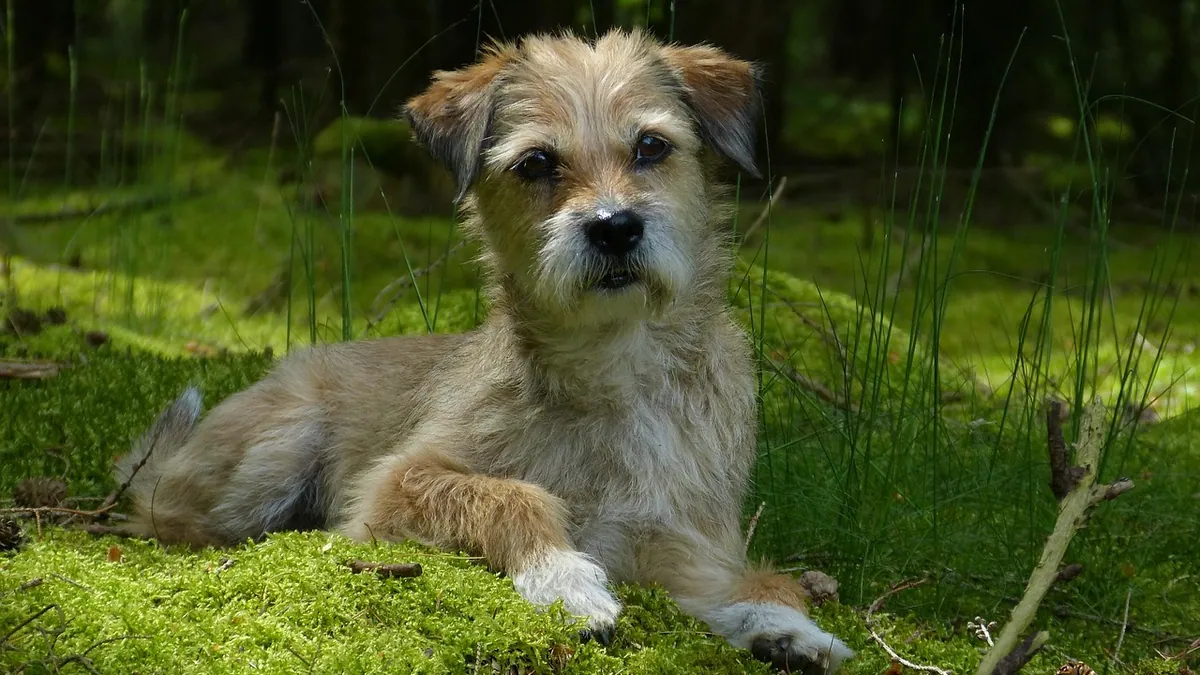
Coccidia in dogs how do they get it comes down to one main route: your dog swallowed something contaminated with infected feces. The parasite's eggs, called oocysts, must mature in the environment before they can cause infection, so a dirty yard, kennel, or dog park can be the source [1]. Puppies and stressed dogs are most likely to get sick. This article is educational and is not a substitute for veterinary diagnosis or treatment.
Quick Answer
- Dogs get coccidia by ingesting mature oocysts from contaminated soil, grass, water, or surfaces, or through direct contact with infected feces [1].
- Oocysts become infective within a few hours after a dog passes them in stool, so fresh feces left in the yard can quickly become a hazard [1].
- Puppies between 4 and 12 weeks old are the most commonly affected group, and illness often appears around weaning stress [2].
- Dogs can also pick up coccidia by eating prey animals such as mice [1].
- Coccidia species are host-specific, so your dog cannot catch coccidia from your cat, and you cannot catch Cystoisospora from your dog [1][2].
What Is Coccidia in Dogs?
Coccidia are microscopic protozoan parasites that live in the gastrointestinal tract. The type that infects dogs is Cystoisospora, formerly called Isospora [1]. These single-celled organisms attach to the lining of the small intestine and multiply there.
Most healthy adult dogs that encounter coccidia never show signs. Their immune systems keep the parasite in check [1]. Puppies are a different story. Their immune systems are still developing, and a coccidia infection can cause significant diarrhea.
Coccidia are host-specific, meaning the species that infects dogs does not infect cats, and the species that infects cats does not infect dogs [2]. Humans cannot get Cystoisospora spp. from dogs [1]. That said, a dog with diarrhea can carry other parasites that do pose a risk to people, so good hygiene around sick pets matters. If you are trying to sort out which parasite your dog has, see How To Know If Dog Has Parasite Infection.
Signs of Coccidia Owners Notice
The most common sign is diarrhea, which may be watery, mucousy, or contain blood. Puppies can also show:
- Vomiting
- Loss of appetite
- Weight loss or poor growth
- Lethargy
- Dehydration
In puppies, clinical signs usually develop about two weeks after infection [2]. That delay matters. Your puppy may have picked up the parasite at a breeder, shelter, or pet store and seemed fine for days before the diarrhea started.
Severe cases in puppies can be life-threatening, especially when dehydration sets in quickly [3]. Small bodies lose fluid fast. A puppy with repeated watery stools needs veterinary care the same day.
Coccidia in Dogs Causes: How Infection Actually Happens
The Oocyst Life Cycle
When an infected dog defecates, it passes unsporulated oocysts in its stool. Those oocysts are not yet infective. They need time in the environment to mature, or sporulate, which happens within a few hours after defecation [1]. Once mature, the oocyst can infect any dog that swallows it.
This is why prompt poop pickup matters so much. A stool left on the lawn for a few hours can turn into an infectious dose.
Contaminated Soil, Grass, and Surfaces
Your dog does not need to eat feces directly to get coccidia. Sniffing, licking, or digging in contaminated soil can be enough. Oocysts can cling to paws, toys, bowls, and bedding. A dog that licks its paws after walking through a contaminated area can swallow oocysts [1].
Coccidia contaminated environment is a real concern in places where many dogs share space. Yards, kennels, grooming facilities, dog parks, and shelter runs all concentrate dog traffic and feces.
Direct Contact With Infected Feces
Direct contact with contaminated feces is a primary route [1]. This includes dogs that eat stool, a behavior more common in puppies. It also includes puppies that walk through a kennel run and then groom themselves.
Eating Prey Animals
Dogs can get infected with coccidia by ingesting prey such as mice [1]. Research on a Cystoisospora species found that mice can carry tissue cysts, and dogs fed infected mouse tissue had a shorter prepatent period and shed more oocysts than dogs given sporulated oocysts directly [4]. In plain terms, hunting and eating rodents may be an efficient way for a dog to pick up this parasite.
Mother to Puppy Transmission
Dams can shed oocysts around the time they give birth and nurse their litters. In one breeding facility study, oocyst shedding was detected in 4.6 to 18.6 percent of dams examined and in 2.2 to 9.1 percent of their litters, with peak shedding on day 30 after birth or day 30 of life [3]. Puppies in a contaminated whelping area are exposed repeatedly during their first weeks.
Coccidia Puppy Risk Factors
Puppies face a stack of risks that adult dogs usually do not.
| Risk Factor | Why It Matters |
|---|---|
| Age 4 to 12 weeks | Most clinical cases occur in this window [2] |
| Weaning stress | Illness in kittens occurs mainly during weaning stress, and the same pattern is seen in puppies [2] |
| Crowded environments | Kennels, shelters, and breeding facilities concentrate feces and oocysts [3] |
| Immature immunity | Puppies have not built protective immunity yet [2] |
| Shedding dams | Mothers can pass oocysts to their litters [3] |
| Poor sanitation | Oocysts mature in hours and survive in the environment [1] |
Stress deserves its own mention. Moving to a new home, shipping, vaccination day, and abrupt diet changes all raise stress hormones. Stress does not create coccidia out of nothing, but it can tip a puppy from a quiet infection into visible diarrhea.
Debilitated or immunocompromised adult dogs can also develop clinical disease, though this is uncommon [2].
How Coccidia Is Diagnosed
Your veterinarian will start with a history. When did the diarrhea begin? Where has your dog been? Has your puppy been to a kennel, shelter, or training class?
The key test is a fecal flotation. A small stool sample is mixed with a solution that causes parasite eggs and oocysts to float to the surface, where they can be seen under a microscope. Cystoisospora oocysts have a distinctive oval shape and can be identified by size and appearance [2].
One fecal sample can miss the infection, because oocyst shedding comes and goes. Your veterinarian may recommend testing samples from more than one day. They may also run tests for other causes of diarrhea, including Giardia, parvovirus, and bacterial overgrowth. A study of puppies in Brazil found Cystoisospora in 28 percent of samples, alongside Toxocara at 34 percent and Ancylostomatidae at 22 percent, so mixed infections are common [5]. If your dog has bloody diarrhea and you are worried about a more severe viral cause, read How Does A Dog Get Parvo.
Treatment Options for Coccidia in Dogs
Coccidia infections with clinical signs are treated with a prescription medication [1]. Your veterinarian calculates the dose from your dog's weight and health status. Do not use leftover medication from a previous illness or a product meant for another species.
Supportive care matters as much as the antiparasitic drug. Puppies with diarrhea often need fluids, a bland diet for a few days, and monitoring for dehydration. Severe cases may need hospitalization.
In breeding settings, some veterinarians use strategic deworming protocols that include anticoccidial drugs. One study evaluated combined treatment with emodepside at 0.45 mg/kg and toltrazuril at 9 mg/kg in puppies on day 35 of life [3]. That protocol was specific to a breeding facility and is not a general recommendation for pet owners. Your veterinarian decides what is appropriate for your dog.
If your dog has a cough along with digestive signs, a separate problem may be at play. See How Does A Dog Get Pneumonia.
Recovery, Outlook, and Long-Term Management
Most dogs recover well with treatment. Puppies typically improve within a few days, though the stool may take a week or more to return to normal. Immunity after infection is generally good, especially in cats, and the same pattern is thought to apply to dogs [2].
Some dogs become carriers. They may shed oocysts intermittently without showing signs, which is one reason reinfection happens in multi-dog homes. Reinfection is common when the environment is not cleaned thoroughly.
Long-term management focuses on three things:
- Pick up all feces immediately, every day.
- Clean and disinfect food bowls, water bowls, toys, and bedding regularly.
- Reduce stress for puppies during transitions.
If your dog has repeated bouts of diarrhea, your veterinarian may recommend follow-up fecal testing to confirm the infection has cleared.
Prevention: How to Stop Reinfection
Prevention comes down to breaking the fecal-oral cycle.
- Remove feces from the yard at least once daily, and ideally right after each bowel movement [1].
- Clean hard surfaces with a disinfectant that is labeled for coccidia. Ask your veterinarian which product to use, because not all cleaners kill oocysts.
- Wash bedding in hot water and dry it on high heat.
- Bathe your dog after kennel stays or trips to high-traffic areas.
- Keep puppies away from unknown dog feces during walks.
- Do not let your dog drink from puddles, ponds, or shared outdoor water bowls.
- Feed a complete diet and avoid sudden food changes that add stress.
- Quarantine a new puppy from other dogs until your veterinarian confirms a clean fecal test.
Coccidia oocysts are tough. They have a protective shell that helps them survive in soil for long periods. That is why cleaning alone rarely solves the problem if feces are left in place. Frequent removal is the best strategy [1].
If you are unsure whether your dog's signs point to coccidia or another parasite, How To Tell If Dog Has Parasite Infection walks through the common clues.
Limitations and When to Contact a Veterinarian
Coccidia is common and usually treatable, but it can become serious fast in a small puppy. Contact your veterinarian the same day if your puppy has watery diarrhea more than twice, refuses to eat, or seems weak. Go to an emergency clinic now if your puppy is vomiting repeatedly, has blood in the stool, cannot stand, or has pale gums. These signs suggest severe dehydration or another emergency.
Schedule a routine visit if your adult dog has soft stool for more than two days, has been losing weight, or has recently come from a kennel or shelter. Bring a fresh stool sample in a sealed bag.
Every case is different. Your veterinarian needs to examine your dog, run appropriate tests, and set a treatment plan for your pet's specific situation.
Frequently Asked Questions
Can my dog get coccidia from my cat?
No. Coccidia species are host-specific, so the species that infects cats does not infect dogs [2]. Your dog would need to encounter canine-specific Cystoisospora oocysts from another dog or a contaminated environment.
How long can coccidia survive in my yard?
Oocysts have a tough outer shell that helps them persist in soil, and they become infective within hours of being passed in stool [1]. The exact survival time depends on temperature, moisture, and sunlight, and it is not well established in veterinary research. Assume the soil is contaminated until you have removed feces and cleaned thoroughly.
Do all dogs with coccidia need treatment?
No. Healthy adult dogs rarely develop diarrhea from coccidia, and many clear the infection on their own [1]. Dogs with clinical signs are treated with a prescription medication [1]. Your veterinarian decides whether your dog needs medication based on age, signs, and overall health.
Can I get coccidia from my dog?
Humans cannot get Cystoisospora spp. from dogs [1]. However, dogs can carry other parasites with zoonotic potential, so wash your hands after handling stool, cleaning bowls, or touching a dog with diarrhea.
How do I disinfect my home after a coccidia infection?
Remove all feces first, then clean surfaces, bowls, toys, and bedding. Oocysts are resistant to many common cleaners, so ask your veterinarian which disinfectant is effective against coccidia. Steam cleaning or hot water washing helps for fabrics. Repeat cleaning for several days after signs resolve, because shedding can continue after the diarrhea stops.
Related Articles
- How Does A Dog Get Parvo
- How Does A Dog Get Pneumonia
- How To Know If Dog Has Parasite Infection
- How To Know If My Dog Has A Parasite Infection
- How To Tell If Dog Has Parasite Infection
- Can Worms Cause Infection In Dogs
- Coccidia in Dogs: Symptoms and When to See a Vet
- Coccidia in Dogs: Treatment Options and Medications
- How Long Does Coccidia Last in Dogs? Recovery Timeline
References
- Coccidia in dogs. Cornell University College of Veterinary Medicine.
- Coccidiosis of Cats and Dogs - Digestive System. Merck Veterinary Manual.
- Cystoisospora spp. infection at a dog breeding facility in the Madrid region: Infection rate and clinical management based on toltrazuril metaphylaxis. Veterinary parasitology, regional studies and reports, 2024.
- Weight development of intermediate hosts infected by a Cystoisospora ohioensis-like coccidian (Apicomplexa: Cystoisosporinae): Experimental model in mice. Veterinary parasitology, 2026.
- Prevalence of Potentially Zoonotic Endoparasites in Domestic Dog Puppies. Veterinary sciences, 2025.