Is Coccidia in Dogs Contagious to Other Pets?
By Dr. Zubair Khalid, DVM, MS, PhD ·
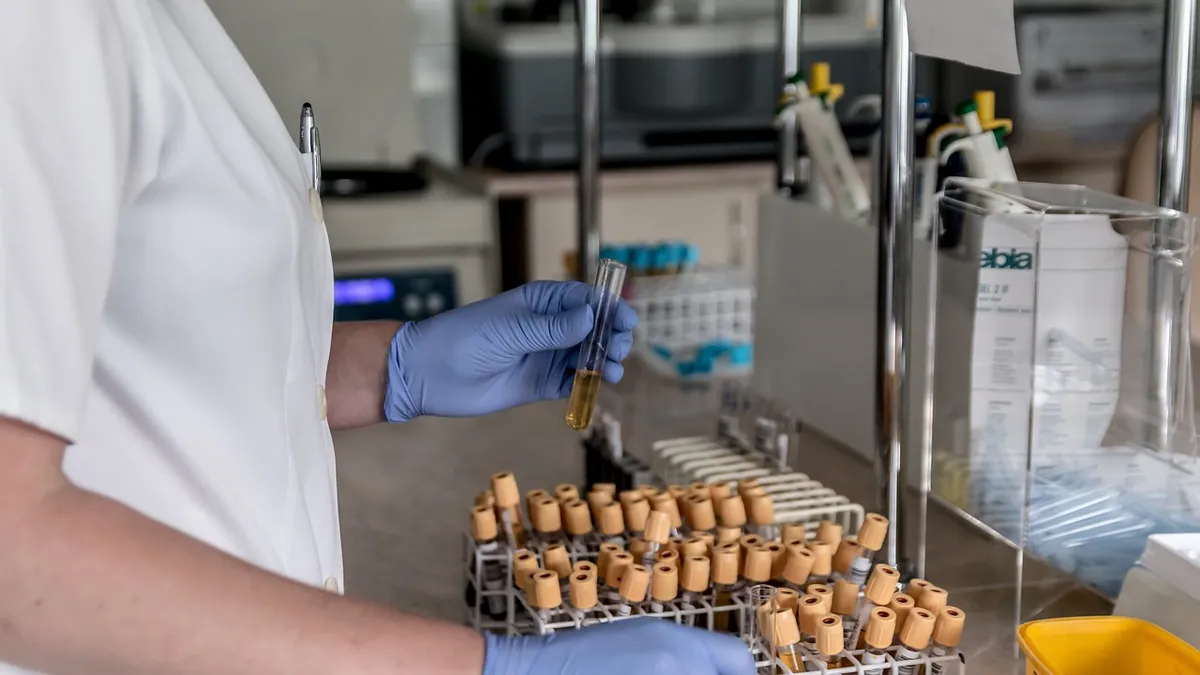
Is coccidia in dogs contagious? Yes, to other dogs, but the parasite is species specific, so it does not spread from dogs to cats or from dogs to people. The main risk is a dog eating contaminated stool or soil where an infected dog has defecated. If you have a coccidia-positive dog at home, the practical question is which pets need separation and how thoroughly you need to clean.
This article is educational and is not a substitute for veterinary diagnosis or treatment.
Quick Answer
- Coccidia spreads dog to dog through the fecal-oral route, meaning a dog swallows microscopic parasite eggs (oocysts) from contaminated stool, soil, or fur [1].
- Cats cannot catch coccidia from dogs, and dogs cannot catch it from cats, because each species of coccidia infects only its host species [1][2].
- Humans cannot get Cystoisospora spp. from dogs, so you will not catch this parasite from your pet [1].
- Fresh stool is not immediately infectious. Oocysts need a few hours in the environment to mature into the infective form [1].
- Separate your infected dog from other dogs until treatment is finished and a follow-up fecal test is negative, and pick up all stool right away [1].
What Is Coccidia in Dogs?
Coccidia are microscopic protozoan parasites that live in the gastrointestinal tract. The type that causes illness in dogs belongs to the genus Cystoisospora, which was previously called Isospora [1]. These are single-celled organisms, not worms, so you will not see them in your dog's stool with the naked eye.
Infection happens when a dog swallows an oocyst, which is the egg-like stage of the parasite. An oocyst only becomes infective after it matures, or sporulates, in the environment. That process takes a few hours after a dog passes unsporulated oocysts in its stool [1]. This timing matters for cleaning. Fresh stool is less risky than stool that has been sitting outside for a day.
Coccidiosis is the name for the intestinal infection itself. Healthy adult dogs rarely develop diarrhea from coccidia, but puppies are commonly affected [1]. In the United States, Cystoisospora species were found in about 1.95 percent of nearly 48,510 canine parasite cases analyzed in 2023, making them one of the five most common parasites detected [3].
Signs of Coccidia You Might Notice
Many infected dogs show no signs at all. When signs do appear, they usually reflect inflammation in the small intestine.
Watch for:
- Diarrhea, which may be watery, mucousy, or contain blood
- Straining to defecate
- Weight loss or poor weight gain in a puppy
- Decreased appetite
- Vomiting
- Lethargy
- A dull, rough coat
Puppies and dogs under stress are more likely to show obvious illness. Clinical disease is uncommon and usually mild in adult dogs, though some cases are more serious [2]. In breeding kennels, coccidiosis can cause severe signs in puppies and sometimes even lead to death, which is why prevention matters so much in group settings [4].
If your dog has any of these signs, a fecal test is the fastest way to sort out what is going on. You can read more about the general warning signs in How To Know If My Dog Has A Parasite Infection.
How Coccidia Spreads Between Dogs
The fecal-oral route is the whole story. A dog becomes infected by ingesting oocysts from:
- Stool from an infected dog, directly or through contaminated soil, grass, or bedding
- Contaminated fur, paws, or toys
- Prey animals such as mice, which can carry coccidia and pass it to dogs that hunt or scavenge [1]
Once swallowed, the parasite develops in the intestinal lining and eventually produces new oocysts that leave the body in stool. Those oocysts then mature in the environment and can infect the next dog.
Is Coccidia in Dogs Contagious to Other Dogs?
Yes. Coccidia in dogs is contagious to other dogs, especially in places where dogs share space and stool is not picked up promptly. Kennels, shelters, breeding facilities, dog parks, and multi-dog households all create opportunities for spread [1][4]. Puppies are the most vulnerable because their immune systems are still developing and they explore the world with their mouths.
The good news is that transmission requires swallowing the parasite. A dog that simply sniffs or walks past infected stool is unlikely to get sick. A dog that eats stool, licks contaminated ground, or shares a contaminated water bowl is at real risk.
Can Cats Catch Coccidia From a Dog?
No. All species of coccidia that infect cats and dogs appear to be host specific [2]. Cats have their own coccidia species, including Isospora felis and Isospora rivolta, and dogs have four Isospora species of their own [2]. A cat cannot get a dog's coccidia, and a dog cannot get a cat's coccidia.
That said, if you have both a dog and a cat with diarrhea, each pet needs its own fecal test and its own diagnosis. The parasites look similar under a microscope but are not interchangeable.
Can People Get Coccidia From Dogs?
No. Humans cannot get Cystoisospora spp. from dogs [1]. This is a relief for most owners, but it does not mean you should skip basic hygiene. Other intestinal parasites that dogs carry, such as roundworms and hookworms, do have zoonotic potential, so washing your hands after handling stool and cleaning up promptly is still smart practice [5].
Causes and Risk Factors
Coccidia is common in young dogs and in dogs kept in groups. Risk factors include:
- Age under six months. Puppies have immature immune systems and are more likely to develop diarrhea [1].
- Crowded or unsanitary environments. Shelters, kennels, and breeding facilities see higher infection rates [4].
- Stress. Weaning, travel, and new homes can trigger shedding and illness.
- Hunting or scavenging. Eating prey such as mice is a documented route of infection [1].
- Contact with contaminated soil or water. Oocysts can survive in the environment long enough to infect the next dog [1].
- Geography and season. Parasite prevalence varies by region and month across the United States, so risk is not the same everywhere [3].
A dog can also be a carrier with no signs and still shed oocysts that infect other dogs. That is one reason routine fecal testing matters, even for dogs that seem perfectly healthy.
How Coccidia Is Diagnosed
Your veterinarian diagnoses coccidia by examining a stool sample under a microscope. The oocysts have a distinctive oval shape, and a trained technician can identify them using a flotation technique, which concentrates the parasite eggs so they are easier to see.
In dogs, four Isospora species are recognized. Only Isospora canis can be identified by oocyst structure alone. The other three overlap in size and shape and can be told apart only by looking at how they develop inside the host [2]. For treatment purposes, this distinction usually does not change the plan.
Because oocysts are shed in waves, a single negative fecal test does not always rule out infection. Your veterinarian may recommend testing more than one sample or repeating the test after treatment. If your dog has diarrhea, your vet may also check for other causes such as Giardia, hookworms, or roundworms, which are often found alongside coccidia [3][6].
Treatment Options for Coccidia in Dogs
Coccidia is treated with prescription medication. Over-the-counter dewormers do not work against protozoan parasites like Cystoisospora. Your veterinarian will choose a drug based on your dog's age, weight, and overall health, and will calculate the exact dose for your pet.
Commonly used prescription options include sulfa-based antibiotics and other antiprotozoal drugs. In kennel settings, veterinarians sometimes use toltrazuril, either alone or combined with other medications, to treat and control outbreaks [4]. The specific product, dose, and duration depend on your dog's situation, so follow your veterinarian's instructions exactly.
Supportive care matters too. A puppy with diarrhea may need fluids, a bland diet, or a temporary change in food. If your dog is dehydrated or very young, your veterinarian may recommend hospitalization for intravenous fluids.
Do not stop treatment early just because the stool looks normal. The parasite may still be shedding, and stopping too soon can lead to a relapse or spread to other dogs in the home.
If you are dealing with a litter or a kennel situation, see Coccidia in Puppies: Ponazuril Treatment and Kennel Outbreak Control for more detail on managing multiple dogs at once.
Recovery, Outlook, and Long-Term Management
Most dogs recover well with treatment. Diarrhea typically improves within a few days, though the full course of medication should be completed. A follow-up fecal test is often recommended to confirm that shedding has stopped.
Some dogs remain carriers and shed oocysts intermittently, especially under stress. This is more common in puppies and in dogs with weakened immune systems. Long-term management focuses on:
- Picking up stool immediately, before oocysts have time to mature [1]
- Cleaning food and water bowls daily
- Reducing crowding and stress where possible
- Repeating fecal tests if signs return
- Keeping puppies away from unknown dogs and contaminated areas until they are older
The outlook is generally good for otherwise healthy dogs. Severe cases are more likely in very young puppies, in dogs with other intestinal parasites, and in dogs with underlying health problems [4].
Prevention and Disinfection at Home
Prevention comes down to breaking the fecal-oral cycle. Oocysts are tough and can survive in the environment, so cleaning needs to be consistent.
| Step | What to Do | Why It Helps |
|---|---|---|
| Pick up stool right away | Remove feces from the yard, litter area, or kennel within minutes | Oocysts need a few hours to become infective [1] |
| Disinfect hard surfaces | Use a veterinary-approved disinfectant or a diluted bleach solution on floors, bowls, and crates | Reduces the number of infective oocysts in the environment |
| Wash bedding and toys | Launder with hot water and detergent, then dry thoroughly | Removes contaminated material dogs may mouth |
| Bathe the infected dog | Wash the rear end and paws after episodes of diarrhea | Removes oocysts stuck to fur |
| Isolate during treatment | Keep the infected dog away from other dogs until treatment is complete and a follow-up test is negative | Prevents spread to other dogs [1] |
| Test new dogs | Have a fecal test done before introducing a new dog to the household | Identifies carriers that look healthy |
| Control prey access | Prevent hunting and scavenging where possible | Prey animals can carry coccidia [1] |
Bleach is not a guarantee. Some oocysts are resistant to common disinfectants, so mechanical removal of stool and thorough washing matter as much as the product you use. Steam cleaning carpets and letting surfaces dry completely also help.
If you have multiple dogs, feed them separately and do not let them share water bowls during an outbreak. Wash your hands after handling any dog that has diarrhea. For a broader look at parasite prevention and household cleaning, see How To Tell If Dog Has Parasite Infection.
Limitations and When to Contact a Veterinarian
Coccidia is usually manageable, but some situations need prompt attention. Contact your veterinarian the same day if your dog:
- Has bloody diarrhea
- Is vomiting and cannot keep water down
- Seems painful in the abdomen
- Is a puppy under six months old with any diarrhea
- Has a known exposure to a dog with coccidia and starts showing signs
Seek emergency care now if your dog:
- Is collapsed, weak, or unresponsive
- Has severe dehydration (tacky gums, sunken eyes, no urine output)
- Is having repeated vomiting with no ability to drink
- Has a distended, painful abdomen
Schedule a routine visit if your dog:
- Has soft stool lasting more than two or three days
- Has been treated for coccidia and signs are returning
- Needs a follow-up fecal test after treatment
- Lives with other dogs and you want to check them too
Every case is different, and your veterinarian is the only one who can examine your dog, run the right tests, and set a treatment plan for your pet.
Frequently Asked Questions
Do I need to isolate my dog with coccidia from my other dogs?
Yes, separation is wise until treatment is finished and a follow-up fecal test is negative. The parasite spreads through stool, so keeping dogs apart and picking up waste immediately lowers the risk. If separation is not possible, clean shared areas often and feed dogs separately.
How long is a dog with coccidia contagious?
A dog can shed oocysts in its stool for days to weeks, and shedding may continue after diarrhea stops. Your veterinarian will decide when it is safe to reintroduce your dog to other dogs, usually after a negative follow-up test. Do not rely on the stool looking normal as your only guide.
Can my dog get coccidia again after treatment?
Yes, reinfection is possible if the environment still contains infective oocysts. Cleaning thoroughly and removing stool promptly reduces that risk. Dogs with weakened immune systems or ongoing stress may be more likely to get it again.
Should I treat my other dogs if one has coccidia?
Only treat dogs that have a positive fecal test or signs of illness, and only under veterinary direction. Giving medication to dogs that do not need it can cause side effects and does not address the environment. Your veterinarian may recommend testing all dogs in the household.
Is coccidia the same as worms in dogs?
No, coccidia are single-celled protozoan parasites, while worms are multicellular parasites like roundworms and hookworms. They require different medications, and a dewormer will not treat coccidia. If your dog has diarrhea, a fecal test can tell you which type of parasite is involved.
Related Articles
- Coccidia in Puppies: Ponazuril Treatment and Kennel Outbreak Control
- How To Know If My Dog Has A Parasite Infection
- How To Know If Dog Has Parasite Infection
- Can Worms Cause Infection In Dogs
- How To Tell If Dog Has Parasite Infection
- Can A Dog Have Herpes
- How Do Dogs Get Coccidia? Causes and Risk Factors
- Coccidia in Dogs: Symptoms and When to See a Vet
- Is Coccidia in Cats Contagious to Other Cats?
- Intestinal Parasites in Dogs: Zoonotic Potential and Public Health Implications
- Zoonotic Intestinal Parasites in Dogs: Transmission to Humans
References
- Coccidia in dogs. Cornell University College of Veterinary Medicine.
- Coccidiosis of Cats and Dogs - Digestive System. Merck Veterinary Manual.
- Regional and seasonal variability in canine parasitism across the United States. Veterinary parasitology, 2025.
- Cystoisospora spp. infection at a dog breeding facility in the Madrid region: Infection rate and clinical management based on toltrazuril metaphylaxis. Veterinary parasitology, regional studies and reports, 2024.
- Prevalence of Potentially Zoonotic Endoparasites in Domestic Dog Puppies. Veterinary sciences, 2025.
- Beyond the clinical eye: mapping intestinal parasitic infections and its risk factors among dogs and cats across Portugal. Frontiers in veterinary science, 2026.