Lice in Cats: Signs, Treatment and Prevention
By Dr. Zubair Khalid, DVM, MS, PhD ·
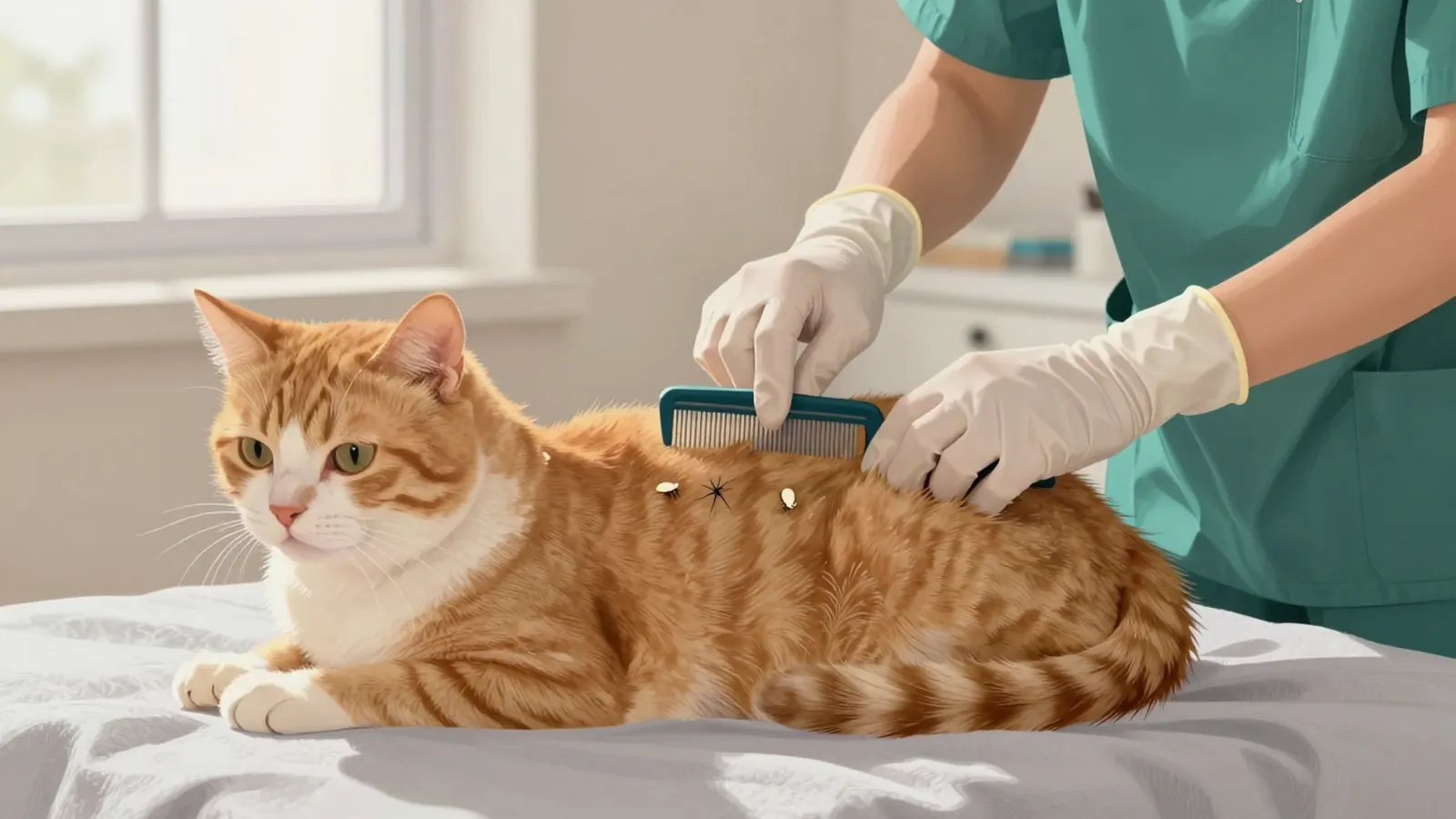
Lice in cats are caused by a single chewing louse species, Felicola subrostrata, a small flightless insect that lives in the coat and clings to hairs with clawed legs (Lice of Cats; Lice in Dogs and Cats). Infestation is now uncommon and turns up mainly on older longhaired cats that can no longer groom themselves, and on stray, feral, debilitated, or shelter cats (Lice of Cats; Cats infected with feline lice; Lice in Dogs and Cats).
The signs are scratching, biting, and rubbing, often with restlessness, a rough or matted coat, and bald patches, and lice tend to gather around the ears and neck (Lice of Cats; Lice in Dogs and Cats - Veterinary Partner; Treating lice in feral cats). Parting the hair usually reveals moving lice or pale, oval nits glued to the hairs near the skin (Lice of Cats). Treatment uses a veterinarian-approved flea or lice product and is repeated 7 to 10 days after the first application, because eggs keep hatching for 2 to 3 weeks (Lice of Cats; What is the best course of treatment for lice on kittens?).
Key Points
- Only one louse species infests cats, the chewing louse Felicola subrostrata; rare reports of Heterodoxus spiniger on feral cats exist in some regions (Lice in Dogs and Cats).
- Lice move from cat to cat by direct contact and are host-specific, so they do not fly or jump between animals (Lice of Cats).
- Females glue eggs to hairs near the skin, and ordinary shampooing will not dislodge them; the nit-to-adult cycle takes about 3 to 4 weeks.
- Typical signs include intense itch, self-trauma, a scruffy dry coat with bald patches, and a matted or thinning haircoat (Lice of Cats; Lice in Dogs and Cats - Veterinary Partner; Treating lice in feral cats).
- Selamectin, fipronil, imidacloprid, and fluralaner are among the flea products effective against lice (What is the best course of treatment for lice on kittens?).
- Lice are rare in cats on monthly flea and tick preventives and cluster in debilitated, stray, feral, and shelter cats (Lice of Cats; Cats infected with feline lice; Lice in Dogs and Cats).
At a Glance
| Key point | Detail |
|---|---|
| Cause | Felicola subrostratus, a wingless biting louse (Lice of Cats) |
| Signs | Itching, hair loss, nits, or visible lice |
| Spread | Direct contact with infested cats and shared items |
| Diagnosis | Coat combing and close skin examination |
| Treatment | Cat-safe insecticide and environmental cleaning |
| Prevention | Treat affected cats and limit contact |
Lice are rare in cats that receive routine flea and tick preventives (Lice of Cats; Lice in Dogs and Cats). A veterinarian should confirm the diagnosis and choose a cat-safe product before treatment (Lice of Cats).
What Are Lice in Cats?
Lice are small, wingless insects that live on the skin and hair of animals (Lice of Cats). The cat louse is a chewing louse, and it spends its life on the host (Lice of Cats; Lice in Dogs and Cats). It does not fly or jump. It moves by crawling from one hair to another or from one cat to another during close contact.
A Chewing Insect With a Narrow Host Range
Most lice are biting or chewing types (Lice of Cats). The common cat louse belongs to that group (Lice in Dogs and Cats). Chewing lice feed on skin and hair debris, and they do not have the blood-sucking habit of some lice that infest other animals (Lice of Cats; Lice in Dogs and Cats). Lice have claws adapted for clinging to hair. That body form helps explain why lice stay on the cat and why ordinary washing does not remove all of them.
Lice are host-specific in most cases. A louse that lives on a cat is adapted to cats or to closely related species (Lice of Cats). Human head lice are adapted to people and do not establish on cats. This point matters when a household has both children and pets. Finding lice on a child does not mean the family cat is the source. Each host species has its own lice.
Nits and the Life Cycle
Female lice glue eggs, called nits, to hairs near the skin (Lice of Cats). The nits are tightly attached. Ordinary shampooing will not dislodge them. Nits are pale, translucent, and almost oval. They may look like small flakes, but they do not brush off like dandruff.
The nit hatches on the cat, and the young louse remains on the host (Lice of Cats). Most lice take about 3 to 4 weeks to go from nit to adult. A louse that is pulled or dropped from the cat dies in a few days, but eggs may continue to hatch over 2 to 3 weeks. This is why a single treatment may not end an infestation. The timing of repeat treatment is based on the life cycle, and a veterinarian can set that schedule.
In temperate regions, lice are most common during colder months and hard to find in summer (Lice of Cats).
Why Infestations Can Spread in Groups
Lice move from host to host by direct contact (Lice of Cats). In a household or shelter, close contact between cats can pass lice along (Cats infected with feline lice). Crowding and poor coat care can make an infestation easier to miss. A cat that is old, longhaired, or unable to groom may carry more lice because grooming removes some lice and nits.
| Term | What it means |
|---|---|
| Louse | The active insect on the cat (Lice of Cats) |
| Nit | An egg glued to a hair shaft |
| Pediculosis | The medical term for a louse infestation (Lice in Dogs and Cats) |
| Host | The animal on which the louse lives and feeds |
An infestation is not a sign that a cat is dirty. Lice can appear on a well-cared-for cat after contact with an infested cat (Lice of Cats). The next step is to confirm the diagnosis and choose a cat-safe treatment plan with a veterinarian.
Meet Felicola subrostratus, the Cat Biting Louse
Felicola subrostratus is the common biting louse of cats (Lice of Cats; Lice in Dogs and Cats). Some sources spell the species name F. subrostrata (Lice of Cats). The louse is a chewing louse, and cats usually carry this one species (Lice in Dogs and Cats). Rare reports describe Heterodoxus spiniger on feral cats in some regions, but F. subrostratus is the usual finding.
Appearance and Movement
The cat louse is flattened, pale, and small (Lice of Cats). It moves among the hairs and may be seen as a moving speck when the coat is parted. Lice have claws adapted for clinging to hair. They do not fly or jump. Their movement is a crawl, and close contact is needed for spread.
A louse may be hard to see on a dense coat. Parting the hair often reveals lice or eggs (Lice of Cats). A magnifying glass or scope may be needed to see eggs or lice. The eggs are pale, translucent, and almost oval. They are glued near the skin and are tightly attached.
Feeding and Host Preference
Biting lice chew skin debris and hair (Lice of Cats; Lice in Dogs and Cats). They do not suck blood like some lice of other animals (Lice in Dogs and Cats). The cat louse lives within the environment provided by the skin and hair (Lice of Cats). It rarely leaves the cat, and a louse that is dropped or pulled from the host dies in a few days. The eggs can remain and hatch over 2 to 3 weeks.
Lice are host-specific in most cases (Lice of Cats). The cat louse is adapted to cats and does not normally live on people or dogs (Lice of Cats; Lice in Dogs and Cats). This narrow host range helps with diagnosis: a louse found on a cat is likely to be the cat louse (Lice in Dogs and Cats). A veterinarian can confirm the identity when needed.
Why Heavy Infestations Matter
Light infestations may cause few visible signs. Heavy infestations can cause persistent itching and coat damage (Lice of Cats; Treating lice in feral cats). The cat may scratch, bite, and rub the infested areas (Lice of Cats). If lice are abundant, the hair may be matted or missing. Infested cats can show severe itching and a scruffy dry coat with bald patches (Lice in Dogs and Cats - Veterinary Partner). Severe infestations can cause extreme itch, restlessness, intense scratching, and hair loss (Treating lice in feral cats). These signs are not specific to lice, so examination and combing are needed.
| Feature | Felicola subrostratus |
|---|---|
| Type | Biting or chewing louse (Lice of Cats; Lice in Dogs and Cats) |
| Host | Cats (Lice in Dogs and Cats) |
| Color and shape | Pale, flattened (Lice of Cats) |
| Movement | Crawls on hair; does not fly or jump |
| Eggs | Nits glued to hairs near the skin |
| Life cycle | About 3 to 4 weeks from nit to adult |
Older, longhaired cats that can no longer groom themselves are often the cats in which lice are seen (Lice of Cats). A cat's grooming removes some lice and nits, so a decline in grooming can allow numbers to rise. This is one reason a coat check belongs in routine care for older cats.
How Do Cats Get Lice?
Direct contact with an infested cat is the main route (Lice of Cats). Lice move from host to host by contact. They do not have wings, and they do not jump. A cat that shares a bed, a carrier, or a grooming session with an infested cat can pick up lice. The more contact, the greater the chance (Cats infected with feline lice).
Direct Contact Between Cats
Lice live on the cat and move by crawling (Lice of Cats). When two cats sleep together or groom each other, a louse can crawl from one coat to the other. This route is common in multi-cat homes and in shelters (Cats infected with feline lice). Feline lice is described as very contagious in shelter settings. Crowded housing and poor husbandry raise the risk.
A cat that is old, longhaired, or unable to groom may carry more lice (Lice of Cats). Such a cat can be a source for other cats in the home. The lice do not need a weak cat to spread, but heavy infestations are more likely on cats in poor condition (Lice of Cats; Cats infected with feline lice). Neglected cats and strays are common sources in reports (Lice of Cats; Cats infected with feline lice).
Shared Bedding, Brushes, and Grooming Tools
Shared bedding, brushes, and grooming tools can carry lice (Lice of Cats). A louse that is dropped or pulled from a cat dies in a few days, but eggs may continue to hatch over 2 to 3 weeks. A brush that holds a few hairs with nits can move eggs from one cat to another. Shared items are a practical reason to treat all cats in a household and to clean bedding and grooming tools.
Shelter and Stray Contact
Crowded shelters and multi-cat homes raise risk (Cats infected with feline lice). Feline lice is usually associated with neglected cats or poor husbandry. Stray or shelter contact can introduce lice to a home. A newly adopted cat may carry lice or nits without obvious signs (Lice of Cats). A coat check before introduction to resident cats is reasonable.
| Route | How it works | Risk setting |
|---|---|---|
| Cat-to-cat contact | Louse crawls from one coat to another (Lice of Cats) | Multi-cat home, shelter (Cats infected with feline lice) |
| Shared bedding | Lice or hairs with nits move between cats | Shared sleeping areas |
| Grooming tools | Hairs with nits remain on combs or brushes | Grooming multiple cats |
| Stray or shelter contact | An infested cat enters the home | Adoption, rescue, boarding |
How Lice Do Not Spread
Lice do not jump or fly between hosts (Lice of Cats). They do not spread through the air like a respiratory infection. Human head lice do not infest cats. A child with head lice is not a source for the family cat. This distinction prevents unnecessary treatment and worry.
Worked Example: A Two-Cat Home
A household has two cats. One cat has a rough coat and scratches at the neck. A fine-toothed comb reveals pale nits on hairs near the skin (Lice of Cats). The second cat shares a bed and has no obvious signs. Because lice spread by direct contact and shared items, the second cat may still be infested. Both cats need a veterinary check, and the home needs a plan for bedding and grooming tools. The first treatment is repeated 7 to 10 days later because eggs may hatch after the first application. The veterinarian sets the product and schedule.
At a Glance
| Topic | Key point |
|---|---|
| Cause | Felicola subrostratus, a chewing louse that lives in the cat's hair (Lice of Cats) |
| Risk | Older, longhaired, debilitated, stray, feral, or shelter cats; rare with monthly flea and tick preventives |
| Signs | Scratching, biting, restlessness, rough coat, patchy hair loss, visible lice or nits |
| Diagnosis | Part the coat and find moving lice or pale oval nits glued to hairs |
| Treatment | Cat-approved insecticide chosen by a veterinarian; repeat as directed; treat in-contact cats |
| Prevention | Reduce direct contact, groom regularly, and use veterinary-approved flea and tick control |
Lice in cats are uncommon in well-cared-for pets and usually signal direct contact with an infested cat or a lapse in grooming and preventive care (Lice of Cats). A veterinarian can confirm the diagnosis and choose a product that is safe for the cat's age and weight.
Signs of Lice in Cats
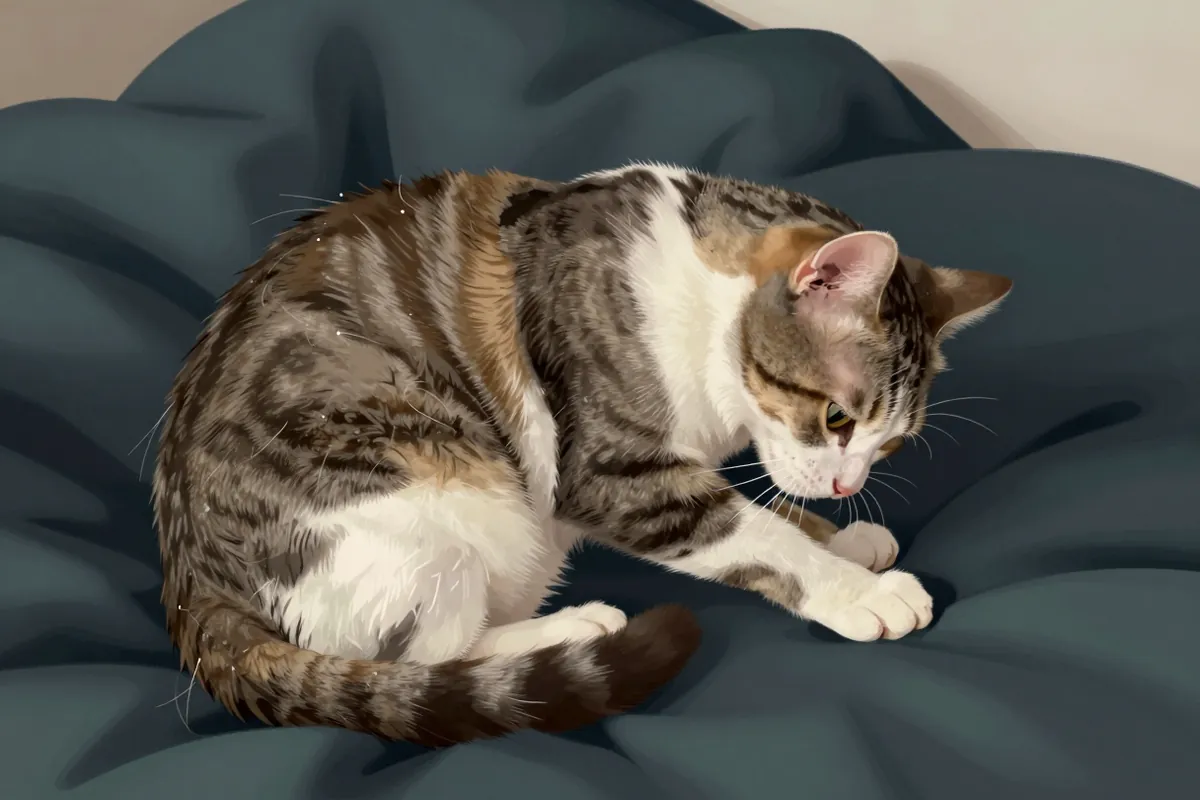
Lice cause itching and coat damage, and the signs can be subtle in a longhaired cat. Mild infestations are easy to miss, while heavy infestations produce obvious restlessness and self-trauma (Lice of Cats). Infestations can result in skin disease and may possibly spread some infectious diseases, such as parasitic worms.
Common signs
- Scratching, biting, rubbing, and restlessness are common (Lice of Cats).
- Visible lice may be seen moving through the hair, and pale oval nits may be attached near the skin.
- The coat may look rough, dry, scruffy, matted, or have patchy hair loss (Lice of Cats; Lice in Dogs and Cats - Veterinary Partner).
- Small scabs or skin irritation can follow scratching and self-trauma.
- Severe infestations can cause extreme itch, intense scratching, restlessness, and hair loss (Treating lice in feral cats).
What owners notice first
Owners often report a cat that scratches more than usual, bites at the coat, or seems restless (Lice of Cats). The coat may feel rough or look dull, and matted areas or bald patches may appear when lice are abundant. In longhaired cats, the coat can hide a light infestation, so a cat may itch without obvious lice at first glance. Lice are most often seen on older, longhaired cats that are no longer able to groom themselves.
A closer look at nits
Nits are eggs glued to hairs near the skin (Lice of Cats). They are pale, translucent, and almost oval. They are tightly attached, and ordinary shampooing will not dislodge them. A magnifying glass or scope may help confirm nits or lice.
A simple coat check
- Work in good light and part the coat down to the skin (Lice of Cats).
- Check the ears, neck, and several other body areas because lice can congregate around the ears and neck (Lice in Dogs and Cats - Veterinary Partner).
- Look for slow-moving lice and for nits stuck to hair shafts.
- Use a fine-toothed comb to dislodge nits and collect lice, but note that combing is tedious and will not kill lice that have already hatched.
- Inspect bedding and grooming tools used by the cat, especially in a multi-cat home (Cats infected with feline lice).
When signs are subtle
A light infestation may produce only mild scratching and a slightly rough coat (Lice of Cats). Because lice are rare in cats that receive monthly flea and tick preventives, a finding of lice should prompt a review of grooming, contact with other cats, and overall health. Debilitated, stray, feral, and shelter cats are at
Preventing Lice in Cats
Lice in cats are uncommon in well-cared-for households, and most cases trace back to direct contact with an infested cat (Lice of Cats; Cats infected with feline lice). Felicola subrostratus, the cat biting louse, cannot fly or jump and does not survive long off the host, so prevention comes down to a few habits: screening new cats, keeping grooming gear clean, and treating infested cats and their contacts promptly (Lice of Cats).
Screen Every New Cat Before It Meets Residents
Feline lice are very contagious within a household or shelter population (Cats infected with feline lice). A cat can carry a light infestation with no obvious signs, especially a longhaired cat that grooms less effectively (Lice of Cats; Lice in Dogs and Cats).
- Keep a new cat separate from resident cats until it has been checked.
- Part the hair around the ears, neck, and tail base, where lice tend to gather (Lice in Dogs and Cats - Veterinary Partner).
- Look for pale, oval nits glued to individual hairs near the skin (Lice of Cats).
- Use a fine-toothed comb to help part the coat and lift debris. Combing alone is tedious and will not kill lice that have already hatched.
Keep Bedding and Grooming Tools Separate
Lice dropped or pulled from a cat die within a few days, but eggs can keep hatching over 2 to 3 weeks (Lice of Cats). Shared bedding, brushes, and carriers give those eggs a route back to a host.
| Item | Action during an infestation |
|---|---|
| Bedding, blankets, towels | Wash in hot water and dry fully (Lice of Cats) |
| Brushes and combs | Keep separate for the infested cat |
| Carriers and crates | Reserve one for the treated cat until the course is finished |
| Soft furnishings the cat uses daily | Clean at the same time as the bedding |
Treat the Cat and Every Contact
Prompt treatment shortens the window in which a cat can pass lice to others (Lice of Cats). Waiting to see whether the infestation clears on its own lets nits hatch and the cycle continue.
- Treat every cat in the household, including cats with no visible signs (Lice of Cats).
- Plan a repeat treatment 7 to 10 days after the first one, because eggs survive the initial application.
- Do not rely on shampooing alone to remove nits. They are tightly glued and ordinary shampooing will not dislodge them.
- Ask a veterinarian which product suits the cat's age and condition before applying anything.
Limit Contact with Cats of Unknown Status
Stray, feral, and shelter cats account for most of the infestations seen in practice (Lice of Cats; Cats infected with feline lice). Lice are also more common in colder months in temperate regions and hard to find in summer, so a winter check matters more than the season suggests (Lice of Cats).
Monthly flea and tick preventives have made lice rare in treated populations (Lice of Cats; Lice in Dogs and Cats), and several common flea products also act against lice (What is the best course of treatment for lice on kittens?). A product bought for fleas should still be confirmed with a veterinarian before it is relied on for lice control.
Recheck if Signs Persist
Itching that continues after treatment, or nits still visible weeks later, warrants another examination (Lice in Dogs and Cats - Veterinary Partner). Because nits stay glued to hair, finding them does not prove that live lice remain; moving lice are the clearer sign (Lice of Cats).
When to Contact a Veterinarian
Most lice infestations respond well to treatment, but some cats need an assessment before a product is chosen or applied again. The situations below are the everyday reasons to book an appointment instead of managing the problem at home.
Kittens, Pregnant Cats, and Weakened Cats
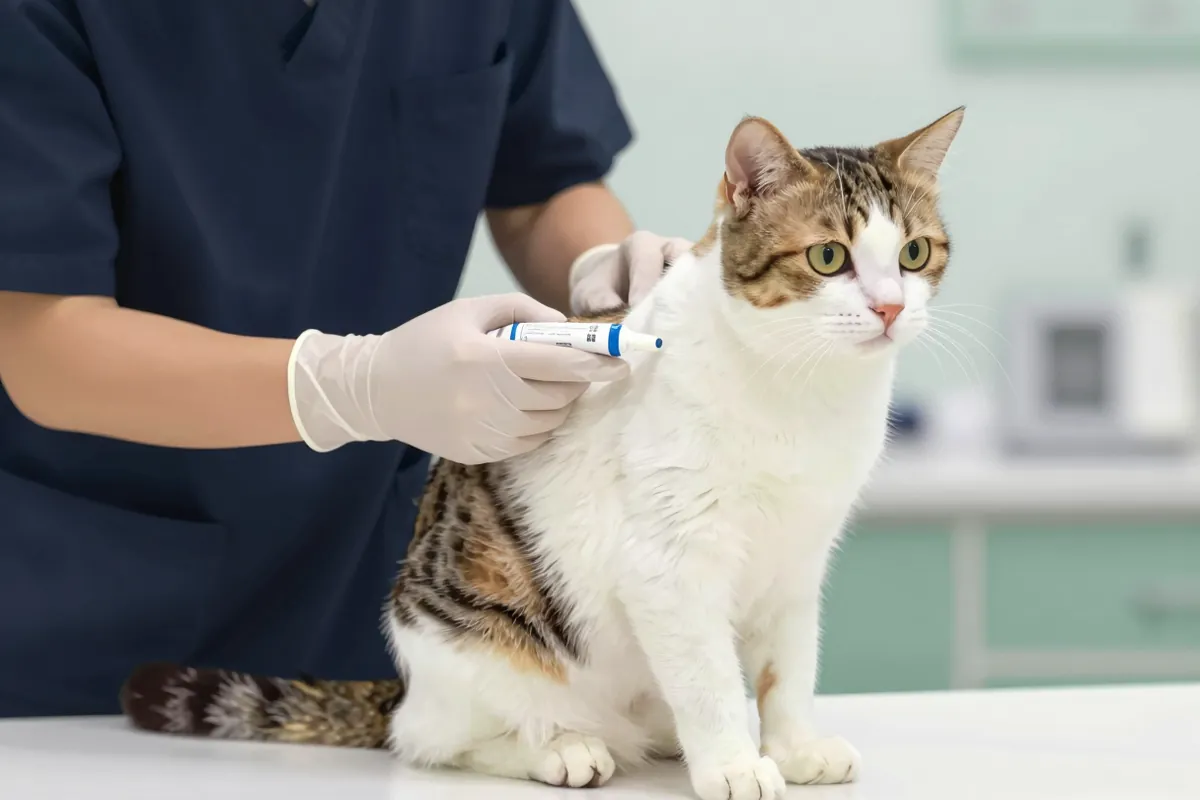
Insecticide choices are narrower for cats that are very young, pregnant, or in poor condition (What is the best course of treatment for lice on kittens?). Older longhaired cats that can no longer groom themselves also carry lice more often, and their coat condition may hide how heavy the infestation is (Lice of Cats). A veterinarian can pick a product and schedule that fit the cat's age and health.
Widespread Hair Loss, Wounds, or Severe Scratching
Scratching, biting, and rubbing at infested areas are the first signs of lice, and a heavy burden can leave the coat matted or patchy (Lice of Cats). Severe infestations cause extreme itch, restlessness, intense scratching, and hair loss (Treating lice in feral cats). Self-trauma and a rough, matted haircoat are common clinical signs (Lice in Dogs and Cats). Broken skin from scratching needs to be seen, and the cat may need more than a single lice treatment.
| What is seen | Why it needs a veterinarian |
|---|---|
| Bald patches, matted coat | Confirms the scale of infestation and rules out other causes (Lice in Dogs and Cats - Veterinary Partner) |
| Open sores from scratching | Skin damage from self-trauma needs assessment (Lice of Cats; Lice in Dogs and Cats) |
| Constant restlessness | Sign of a heavy burden, not routine grooming (Treating lice in feral cats) |
No Improvement After an Approved Treatment
Eggs keep hatching for 2 to 3 weeks, which is why lice treatments are repeated 7 to 10 days after the first application (Lice of Cats). If a full course has been completed and itching continues, the diagnosis or the product may need review (Lice in Dogs and Cats - Veterinary Partner). Nits still glued to the hair do not by themselves mean failure, since they stay attached after lice are gone.
Other Cats in the Home Remain Infested
Feline lice are very contagious, and untreated contact cats keep the cycle going (Cats infected with feline lice). If one cat clears and another does not, every cat in the household needs to be examined and treated together (Lice of Cats).
A Dog Product Was Used or the Dose Is Uncertain
Some insecticides are poisonous to cats, and no product should be applied without veterinary advice (Lice of Cats). If a dog product was used, the wrong dose was given, or the cat seems unwell after application, contact a veterinarian promptly.
Signs of Illness, Poor Appetite, or Lethargy
Lice infestations often appear on debilitated or stray cats, and lice may possibly spread some infectious diseases such as parasitic worms (Lice of Cats). A cat that stops eating, seems weak, or is losing condition needs a general health check alongside lice treatment.
Related Guides
- Cat Flea Bites: What They Look Like on Cats and People, and Treatment: Explains itchy cat flea bites that can mimic lice signs
- Fungal Skin Infections in Cats: Signs and Treatment: Covers fungal skin infections with itching and hair loss
- How Do Cats Get Fleas? Causes and Prevention: Explains how cats get fleas and how to prevent them
- Dog Lice: How to Treat and Get Rid of Them: Dog lice treatment for households with dogs and cats
- Signs of Mites and Lice in Dogs: What to Look For: Helps compare mites and lice signs in dogs
- Diet and Treatment for Miliary Dermatitis in Cats: Itchy skin condition that can resemble lice-related scratching
- How to Apply Flea and Tick Medication to Your Dog or Cat Correctly: Shows correct application of flea and tick medication
Frequently Asked Questions
Can humans get lice from cats?
Cat lice are host-specific. The cat louse, Felicola subrostrata, lives on cats and is not a human parasite; human lice have their own host preferences (Lice of Cats; Lice in Dogs and Cats). A person who finds lice on a cat does not need treatment for cat lice. Human crab lice (Phthirus pubis) are sometimes brought in for identification after being found on an animal, but this species does not typically infest cats or dogs (Lice in Dogs and Cats). The few reported dog infestations came from close bedding contact with a heavily infested person, which is a different situation from cat lice.
What do lice look like on a cat?
Cat lice are small, wingless insects that move through the hair (Lice of Cats). Parting the coat often reveals them, and a magnifying glass may help. The eggs, called nits, are pale, translucent, and almost oval; females glue them tightly to hairs near the skin. Nits resist ordinary shampooing and stay attached until they hatch. Lice tend to gather around the ears and neck, and heavy infestations can leave the coat scruffy, matted, or bare (Lice in Dogs and Cats - Veterinary Partner; Lice of Cats). The lice themselves may look like tiny specks that move, while nits look like fixed pale dots.
How do cats get lice?
Cats get lice by direct contact with an infested cat (Lice of Cats). Lice do not fly or jump; they cling to hair with claws and move from host to host when animals touch. Infestations are most often seen in older, longhaired cats that can no longer groom well, and in debilitated, feral, stray, or shelter cats (Lice of Cats; Cats infected with feline lice). In temperate regions, lice are more common in colder months. Because monthly flea and tick preventives have made lice rare in treated pets, a diagnosis in a well-cared-for cat should prompt a careful look at exposure history (Lice of Cats; Lice in Dogs and Cats).
Can indoor cats get lice?
Indoor cats can get lice, but the risk is low when there is no contact with an infested animal. Lice spread by direct contact, so an indoor cat would need exposure to another cat carrying lice, such as a new foster, a shelter cat, or a visiting pet (Lice of Cats; Cats infected with feline lice). Infestations are rare in cats that receive monthly flea and tick preventives (Lice of Cats; Lice in Dogs and Cats). Older or longhaired indoor cats that groom poorly may be at higher risk if lice are introduced (Lice of Cats). A cat with no possible exposure and no itching or coat changes is unlikely to have lice.
What kills lice on cats?
Several flea products kill cat lice. Selamectin, fipronil, imidacloprid, and fluralaner are effective against lice, and spot-on products are commonly used (What is the best course of treatment for lice on kittens?; Lice of Cats). Shampoos, collars, sprays, and dusts can also kill lice, but some insecticides are poisonous to cats (Lice of Cats). A veterinarian should choose the product and give directions before any insecticide is applied. Treatment usually needs to be repeated 7 to 10 days after the first application because eggs may keep hatching for 2 to 3 weeks. Combing out nits helps remove them but does not kill lice that have hatched.
Are cat lice contagious to dogs?
Cat lice generally stay on cats. The common cat louse, Felicola subrostrata, is a chewing louse with a strong host preference, and dogs have their own louse species (Lice of Cats; Lice in Dogs and Cats). Direct contact with a cat is therefore not a typical route for dog lice infestation. One exception in the literature is Heterodoxus spiniger, a chewing louse that feeds on blood and has been reported rarely on feral cats; it is also a dog parasite in warmer regions (Lice in Dogs and Cats). That report does not make cat lice a general risk to dogs. Dogs with itching or coat damage should be checked for their own lice.
References and Further Reading
- Lice of Cats, merckvetmanual.com
- Lice in Dogs and Cats, merckvetmanual.com
- Cats infected with feline lice, sheltermedicine.wisc.edu
- Lice in Dogs and Cats - Veterinary Partner, veterinarypartner.vin.com
- Treating lice in feral cats, sheltermedicine.wisc.edu
- What is the best course of treatment for lice on kittens?, sheltermedicine.wisc.edu
This article is educational and is not a substitute for veterinary diagnosis or treatment. Consult a veterinarian about your animal.