Fungal Skin Infections in Cats: Signs and Treatment
By Dr. Zubair Khalid, DVM, MS, PhD ·
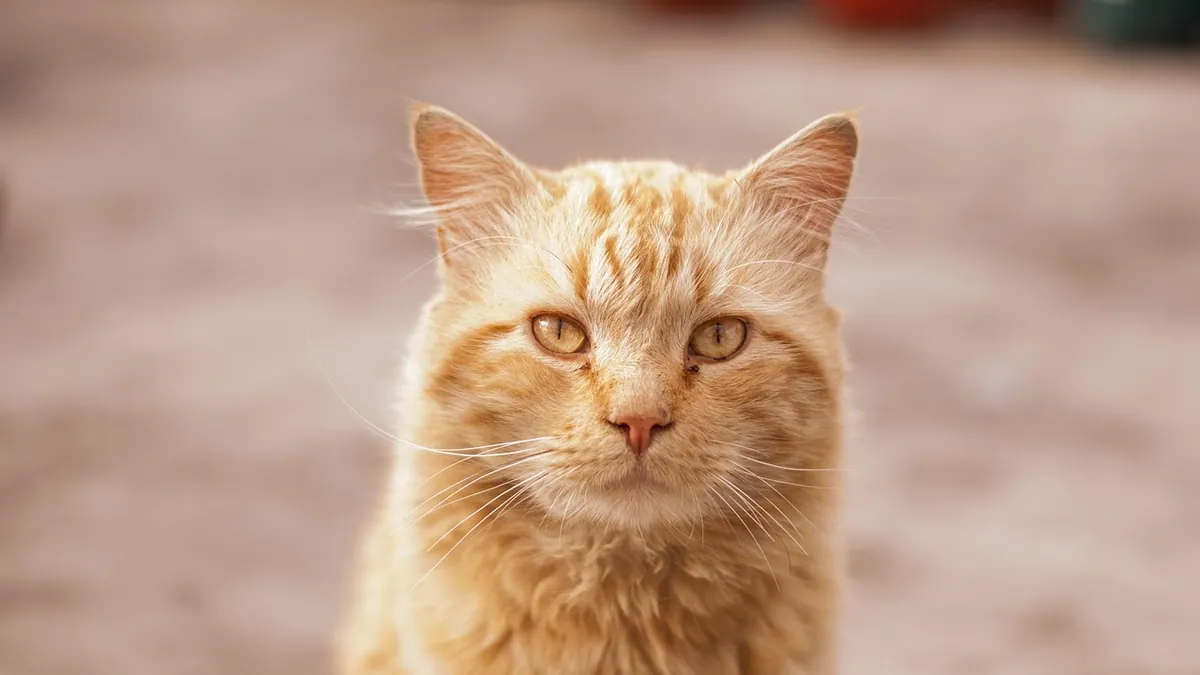
A cat skin fungal infection is an overgrowth of fungi on the skin, hair, or claws. The most common type in cats is ringworm, which is not a worm at all but a fungus that feeds on dead skin and hair [1]. Fungal skin disease can look a lot like allergies or bacterial infections, so a veterinarian usually needs to test for it before treatment will work.
This article is educational and is not a substitute for veterinary diagnosis or treatment.
Quick Answer
- Ringworm is the main fungal skin infection in cats, and about 98% of feline cases are caused by Microsporum canis [1].
- Classic signs include circular bald patches, broken hairs, scaly skin, and crusting, often on the head, ears, or front legs [1].
- Ringworm spreads easily to people and other pets through direct contact and contaminated objects like furniture, bedding, and grooming tools [1].
- Kittens, longhaired cats, and cats with weakened immune systems tend to get more severe or persistent infections [1][2].
- Diagnosis usually involves a Wood's lamp exam, microscopic hair examination, and fungal culture, and treatment often combines topical therapy with an oral antifungal [1].
What Is a Cat Skin Fungal Infection?
Fungi are parasitic, spore-producing organisms that absorb nutrients from the host they grow on [3]. Many fungi live in the environment, but only some cause disease. The main source of most infections is soil, and pets can pick up fungi by inhaling spores, swallowing them, or through breaks in the skin [3].
Skin fungal infections in cats are common, while infections that spread through the whole body are very rare [3]. The infection can stay in one small area or cover much of the body. Ringworm, also called dermatophytosis, is an infection of the skin, hair, or claws caused by a group of fungi called dermatophytes [1]. Under most conditions, these fungi grow only in dead cells of the skin and hair, and the infection stops when it reaches living cells or inflamed tissue [1].
Some owners search for "fungal acne in cats." That term is not a recognized veterinary diagnosis. Cats do get yeast-related skin and ear problems, and Malassezia is a common yeast found on cat skin and in ears [4]. If your cat has blackheads, chin bumps, or greasy skin, a veterinarian can tell you whether yeast, bacteria, allergies, or something else is involved.
Signs of Cat Skin Fungus Owners Notice
The signs of ringworm can be subtle at first. You might see a small patch of hair loss, then notice the skin underneath looks flaky or slightly red. Here is what owners most often report.
Common visual signs
- Circular or irregular bald patches, sometimes with a red ring at the edge
- Broken or stubby hairs that look chewed off at the base
- Scaly, grayish, or crusty skin
- Mild redness or darkening of the skin
- Crusting around the claws or nail beds
Where lesions tend to appear
Ringworm lesions often show up on the face, ears, and front legs, but they can appear anywhere. Longhaired cats may have widespread scaling with less obvious bald spots, which makes the problem easy to miss [1].
Itching and discomfort
Ringworm is often only mildly itchy, and some cats barely scratch at all. That is one reason owners confuse it with a mild allergy flare or a dry skin problem. If your cat is intensely itchy, allergies or a bacterial skin infection may be more likely, though cats can have more than one skin problem at the same time. For a broader look at how these conditions overlap, see Cat Skin Infection: Signs and Treatment Options.
Signs that involve the ears or claws
Fungal infection can affect the claws, making them rough, thick, or brittle [1]. If your cat has ear debris, head shaking, or hair loss around the ears, ear disease may be part of the picture. You can read more about that in Ear Infections In Cats Symptoms and Cat Ear Infection with Hair Loss: Causes and Treatment.
Causes and Risk Factors
Ringworm is contagious, and it spreads through contact with infected cats and contaminated objects such as furniture or grooming tools [1]. Broken hairs carrying spores are an important source of spread [1]. Contact does not always lead to infection. Whether a cat gets sick depends on the fungal species and on host factors like age, health, immune status, skin condition, grooming habits, and nutrition [1].
Known risk factors for dermatophytosis include young age, a long hair coat, lifestyle, warm climates, and the Persian breed [2]. Kittens and longhaired cats may have more persistent and widespread infections [1]. Cats that are sick, weakened, or immunocompromised are also more likely to develop fungal infections, and prolonged use of antibiotics or immunosuppressive drugs can raise the risk [3].
One more point matters for your household. Cats that look completely healthy can still carry dermatophytes on their skin and hair, which means they can pass the fungus to people and other animals without showing signs themselves [5]. That is why a veterinarian may recommend testing all pets in the home when one cat is diagnosed.
How Veterinarians Diagnose Fungal Skin Disease in Cats
Diagnosis starts with a full history and physical exam. Your vet will ask about new pets, boarding, outdoor access, and whether anyone in the home has a new rash. Then they will examine the lesions and may use several tests together, because no single test is perfect.
| Test | What it does | What to expect |
|---|---|---|
| Wood's lamp exam | Uses ultraviolet light to look for certain fungi that glow | Quick and painless, but not all infections glow |
| Microscopic hair exam | Checks plucked hairs and scales for spores | Results same visit in many cases |
| Fungal culture | Grows the fungus to confirm the species | Can take days to weeks |
| Skin scraping or cytology | Looks for yeast, bacteria, or mites | Helps rule out other causes |
| Biopsy | Takes a small tissue sample | Used for unusual or stubborn cases |
A confirmed diagnosis typically requires a positive microscopic examination of hair shafts or a positive fungal culture, sometimes along with a Wood's lamp exam [2]. Cultures are especially useful because they identify which fungus is involved, and that guides treatment. In one case report, a child was treated for psoriasis for a while before testing confirmed tinea capitis caused by Microsporum canis from the family cat, and the whole family turned out to be infected [6]. That story shows why testing matters when skin disease does not respond to the first treatment.
Treatment Options for Cat Skin Fungal Infection
Treatment depends on how much of the body is affected, the cat's age and health, and whether other pets or people are involved. Most cases need both topical and systemic therapy, and treatment usually continues for weeks after the skin looks normal.
Topical treatment
Topical therapy helps kill spores on the coat and reduces spread in the home. Options include medicated shampoos, dips, creams, and ointments. Your veterinarian will choose the product and schedule based on your cat's condition. Never use a human antifungal cream on your cat without asking your vet first, since some ingredients are not safe for cats that groom themselves.
Oral antifungal medication
For widespread, stubborn, or deep infections, vets prescribe oral antifungal drugs. The dose is calculated from your cat's weight and health status, and your veterinarian will monitor your cat during treatment. In human medicine, terbinafine is used to treat dermatophytosis, including cases linked to a household cat [6]. For cats, your vet decides which drug is appropriate and at what dose.
Treating the environment
Spores can survive in the home, so cleaning is part of treatment. Vacuum carpets and furniture, wash bedding in hot water, and disinfect grooming tools. Throw away or thoroughly clean items that cannot be disinfected. If you skip this step, your cat can get reinfected after treatment ends.
When standard treatment does not work
Some infections do not respond well to standard antifungal therapy. This is called refractory dermatophytosis, and it is defined by chronicity, recurrence, or persistence despite adequate treatment [7]. When this happens, your vet may recommend antifungal susceptibility testing to find a drug that works against that specific fungus [7]. Researchers are also studying alternatives such as copper oxide nanoparticles, which have shown antifungal activity against Microsporum canis isolates from pets, though these are not standard treatments today [8].
Recovery, Outlook, and Long-Term Management
Most cats recover with consistent treatment, but it takes patience. As inflammation and immunity develop, the infection stops spreading, and this process can take several weeks [1]. After a cat recovers, it usually has temporary resistance to reinfection [1].
Kittens and longhaired cats may need longer treatment and more frequent checkups [1]. Your vet may recheck with another culture before declaring the infection cleared, because a cat can look normal while still carrying spores. Keep up with follow-up visits even when your cat seems fine.
If your cat has other skin conditions, such as allergies, those need to be managed too. A cat with untreated allergies may keep scratching and damaging the skin, which makes fungal infections harder to clear. For a deeper clinical overview of skin infections in cats, see Cat Skin Infections: Comprehensive Veterinary Reference Guide.
Prevention
Prevention comes down to hygiene, monitoring, and quick action when something looks wrong.
- Wash your hands after handling a cat with a known or suspected fungal infection.
- Keep bedding, brushes, and toys clean, and do not share grooming tools between pets.
- Isolate a cat under treatment from other pets until your vet says it is safe.
- Check new cats and kittens for bald spots or scaling before bringing them home.
- Feed a balanced diet and keep up with routine veterinary care, since poor nutrition and illness raise the risk of infection [1].
- If anyone in your home develops a new scaly or ring-shaped rash, see a doctor and tell them you have a cat.
Limitations and When to Contact a Veterinarian
This article covers general information, but every cat is different. Individual cases need a veterinarian who can examine your cat, run tests, and prescribe treatment.
Contact your veterinarian the same day if you notice:
- Rapidly spreading bald patches or crusting
- Open sores, bleeding, or signs of pain
- A cat that stops eating or seems depressed
- New skin lesions in a kitten or a cat on immunosuppressive medication
Seek emergency care now if your cat has trouble breathing, severe swelling of the face or throat, or collapses. These signs are not typical of ringworm and point to a more serious problem.
Schedule a routine visit if you see mild hair loss, scaling, or a small bald spot, especially if it has not improved in a week or two. Early diagnosis makes treatment easier and lowers the chance of spreading the infection to people and other pets in your home.
Frequently Asked Questions
Can I catch ringworm from my cat?
Yes. Ringworm spreads easily to people, usually through contact with an infected cat or contaminated objects like furniture and grooming tools [1]. Children, older adults, and people with weakened immune systems are at higher risk. If you develop a new rash, see a doctor and mention your cat's diagnosis.
Is fungal acne in cats a real condition?
No, fungal acne is not a recognized veterinary diagnosis for cats. Cats can have yeast overgrowth on the skin and in the ears, and Malassezia is a common yeast found in those areas [4]. If your cat has chin bumps or greasy skin, a vet can determine whether yeast, bacteria, or another condition is responsible.
How long does ringworm treatment take in cats?
Treatment usually lasts several weeks, and the infection stops spreading only as inflammation and immunity build up, which can take weeks [1]. Your vet will likely recheck your cat with a culture before stopping treatment. Stopping early is a common reason infections come back.
Do all cats with ringworm show symptoms?
No. Some cats carry dermatophytes on their skin and hair without any visible signs, which means they can still spread the fungus to people and other animals [5]. This is why testing all pets in the home may be recommended when one cat is diagnosed.
Can ringworm come back after treatment?
Yes, reinfection is possible, especially if spores remain in the environment or if treatment stops too soon. Cats develop temporary resistance after infection, but that protection does not last forever [1]. Cleaning the home and finishing the full course of treatment are the best ways to reduce the chance of a repeat infection.
Related Articles
- Cat Skin Infection: Signs and Treatment Options
- Ear Infections In Cats Symptoms
- Cat Skin Infections: Comprehensive Veterinary Reference Guide
- Cat Ear Infection with Hair Loss: Causes and Treatment
- Ear Infection Treatment For Cats
- Cat Ear Yeast Infection
- Cat Skin Fungus: Treatment Options for Ringworm and More
- Cat Yeast Infection: Skin and Ear Treatment Guide
- Cat Skin Disease: How to Treat Infections and Problems
References
- Ringworm (Dermatophytosis) in Cats - Cat Owners. Merck Veterinary Manual.
- Epidemiological and Clinical Features of Dermatophytosis in a Referral Practice in Italy: A Retrospective Study in Different Feline Breeds. Veterinary dermatology, 2026.
- Fungal Infections in Cats - Cat Owners. Merck Veterinary Manual.
- Fungal Pathogens in Pet Dogs and Cats in Grenada: Identification and Antifungal Susceptibility. Journal of fungi (Basel, Switzerland), 2025.
- Antifungal susceptibility testing of Microsporum canis isolated from the skin of dermatologically healthy cats. Open veterinary journal, 2025.
- Microsporum canis infection from a cat : A source of tinea capitis and dermatophytosis in an entire family. Dermatologie (Heidelberg, Germany), 2025.
- Refractory Dermatophytosis in a Spitz Dog Successfully Managed with Posaconazole: A Case Report. Animals : an open access journal from MDPI, 2026.
- Antifungal potential of copper oxide nanoparticles against Microsporum canis isolates in canine and feline dermatophytosis. Current medical mycology, 2025.