What Does a Cat Eat? Feline Diet Guide
By Dr. Zubair Khalid, DVM, MS, PhD ·
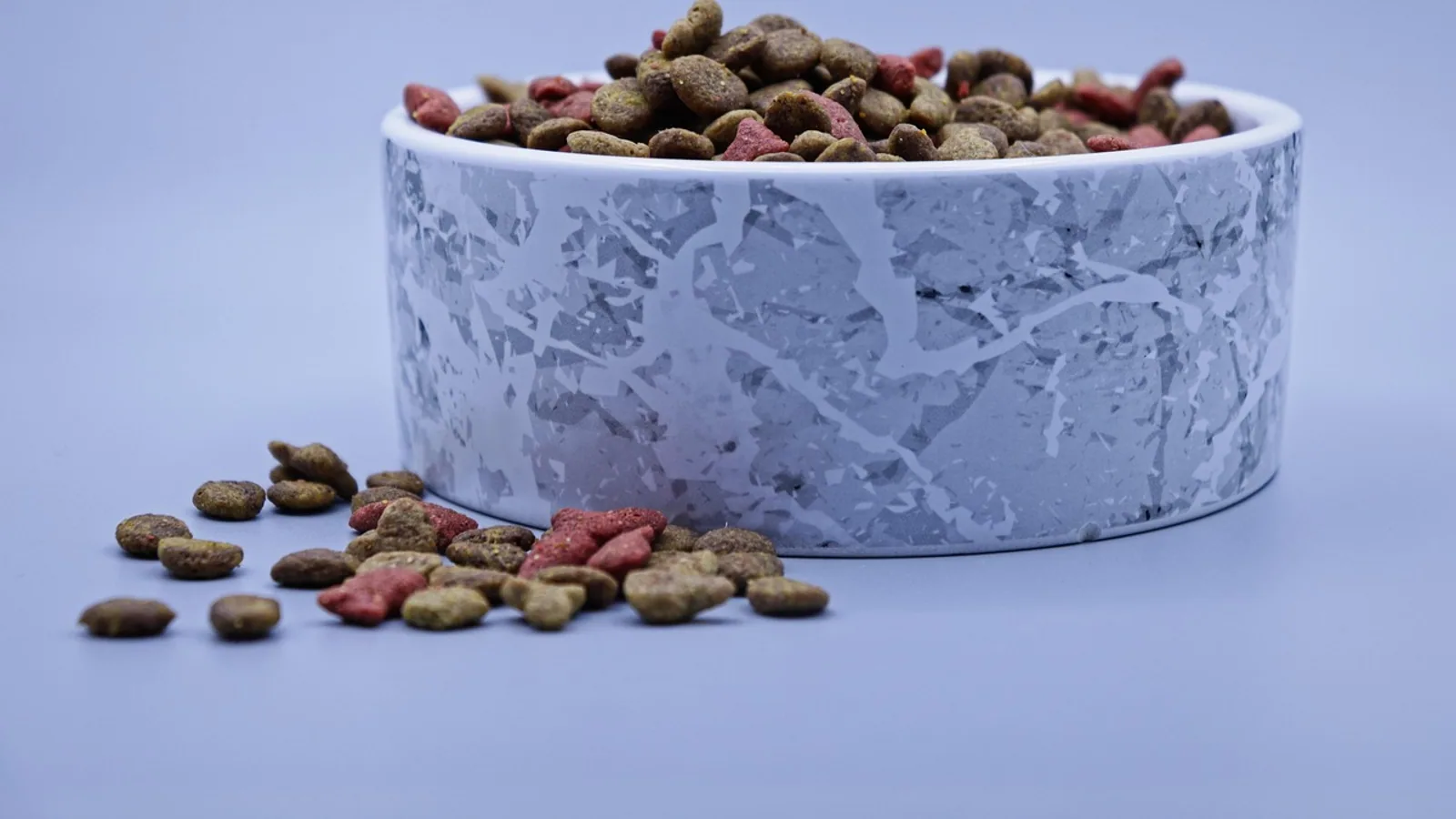
A cat eats a diet built around animal tissue. Domestic cats descend from the obligate carnivore Felis silvestris, and they retain the metabolic machinery of a hunter that must obtain specific nutrients from prey [1]. That single fact shapes everything about how you should feed a cat: the nutrients required, the amount of protein needed, the role of water, and the foods that can harm them.
This guide explains what a cat eats in biological terms, how commercial diets are formulated and labeled, how much to feed, the wet versus dry debate, and the human foods that are dangerous. It is written for US cat owners who want to feed correctly without chasing human diet trends that do not fit feline physiology.
This article is educational and is not a substitute for veterinary diagnosis or treatment.
The Obligate Carnivore: What It Actually Means
"Obligate carnivore" is not a marketing phrase. It describes a set of enzymatic and metabolic limits that make cats dependent on nutrients found in animal tissues.
Cats have a relatively short digestive tract but a large stomach volume, and they share many digestive features with dogs [2]. The differences matter more than the similarities. Cats have either absent or very low salivary alpha-amylase activity, and only low levels in pancreatic secretions, so they are poorly adapted to high-starch rations compared with dogs [2]. Dogs adapted to starch-rich diets over domestication. Cats did not.
Cats also maintain a consistently high rate of protein oxidation and gluconeogenesis, meaning they break down protein continuously and use it to make glucose. They cannot adapt to reduced protein intake the way omnivores can [3]. Adult cats require more dietary protein than omnivorous species, and they have higher requirements for essential amino acids and essential fatty acids [3].
The practical consequence is that a cat needs a diet with substantial animal-derived protein and fat, and specific nutrients that plant-based ingredients often cannot supply in adequate amounts.
The Four Nutrients Cats Cannot Make Themselves
Four nutrients deserve special attention because cats either cannot synthesize them or cannot synthesize them efficiently.
Taurine. Cats have a limited ability to synthesize taurine from cysteine [2]. Taurine is an essential amino acid for cats and must be supplied preformed in the diet. It is found in animal muscle and organ tissue.
Arachidonic acid. Cats have a very limited ability to generate polyunsaturated fatty acids from their respective substrates [2]. Arachidonic acid is an essential fatty acid for cats and must come from animal fat.
Arginine. Cats have a more limited ability to synthesize arginine from glutamine and proline than dogs [2]. Arginine is required for the urea cycle, and a deficiency can cause severe hyperammonemia.
Vitamin A. Cats cannot efficiently convert beta-carotene from plants into retinol. They require preformed vitamin A from animal sources such as liver.
A 2021 analysis of commercial plant-based pet foods sold in Canada illustrates why these four nutrients matter. Of the products tested, none met AAFCO or FEDIAF nutrient recommendations for feline maintenance or growth. The nutrients most commonly found insufficient were sulfur amino acids, taurine, arachidonic acid, EPA, DHA, calcium, phosphorus, and vitamin D [4]. The authors noted that no nutrient was impossible to provide from non-animal sources in principle, but the commercial products on the market did not achieve it [4].
The Felinine Pathway and Cysteine
Cats use cysteine for more than protein synthesis. They divert it into the felinine pathway, which produces a sulfur-containing compound excreted in urine. This is one reason cats have a higher requirement for sulfur amino acids such as methionine and cysteine compared with most other species [3]. Hastened use, combined with an inability to conserve certain amino acids including methionine, cysteine, taurine, and arginine, means cats need a higher dietary intake of these nutrients [3].
B Vitamins and Choline
Cats also appear to require higher amounts of several B vitamins than other species and are predisposed to depletion during prolonged inappetance [3]. Compared with dogs, cats have higher requirements for some B-complex vitamins and choline [2]. This is why a cat that stops eating for several days is at risk of serious metabolic consequences, including hepatic lipidosis.
Table: Key Nutrients, Why Cats Need Them, and Common Sources
| Nutrient | Why cats need it | Common animal sources |
|---|---|---|
| Taurine | Essential amino acid. Cats cannot synthesize enough from cysteine. Needed for heart muscle, vision, and bile acid conjugation. | Muscle meat, heart, liver, fish |
| Arachidonic acid | Essential fatty acid. Cats have very limited ability to build it from precursor fats. Needed for cell membranes and inflammation signaling. | Animal fat, liver, poultry skin |
| Arginine | Required for the urea cycle. Cats have limited ability to synthesize it. Deficiency can cause hyperammonemia. | Poultry, meat, fish |
| Preformed vitamin A (retinol) | Cats cannot efficiently convert beta-carotene from plants. Needed for vision, immunity, and skin health. | Liver, kidney, egg yolk |
| Methionine and cysteine | Sulfur amino acids. Used heavily for the felinine pathway and protein synthesis. Cats cannot conserve them well. | Eggs, fish, poultry, meat |
| B-complex vitamins and choline | Cats have higher requirements than many species and deplete quickly during inappetance. | Liver, meat, egg yolk |
| Vitamin D | Cats have a very limited ability to synthesize vitamin D3. Must come from the diet. | Fatty fish, liver, animal fat |
| Protein (total) | Cats run continuous protein oxidation and gluconeogenesis. They cannot downshift on low protein. | All animal tissues |
How Commercial Cat Food Is Formulated and Labeled
In the United States, cat food labels are governed by state feed laws that adopt nutrient standards set by the Association of American Feed Control Officials (AAFCO). AAFCO publishes nutrient profiles for two feline life stages: growth and reproduction, and adult maintenance. A product can also be labeled for all life stages, which means it meets the higher growth profile.
The life-stage statement on the label tells you which profile the manufacturer claims to meet. This matters because a growth diet and an adult maintenance diet are not nutritionally identical. A 2025 study of cat food labels sold in Ontario, Canada, found that high-end recommended energy intake values were higher for all-life-stage diets than for adult maintenance diets for both 3 kg and 5 kg cats [5]. That is consistent with growth diets being formulated for higher energy and nutrient demands.
The same study found that feeding guidelines on labels frequently diverge from predictive energy equations. Among 790 diets with a feeding guideline, 57% of low recommended energy intake values were below the predictive value for inactive or obese-prone 3 kg cats, and 32% were below it for 5 kg cats. At the other end, 35% of high values for 3 kg cats and 52% for 5 kg cats exceeded the predictive value for lean cats [5]. In plain terms, label feeding charts vary widely, and following the chart blindly can lead to overfeeding or underfeeding.
AAFCO labeling also requires a nutritional adequacy statement, a guaranteed analysis, and a calorie content statement in most cases. The guaranteed analysis gives minimum protein and fat and maximum fiber and moisture, but it does not tell you the diet's actual nutrient bioavailability or its calorie density in a way that lets you compare diets directly. For that, you need the metabolizable energy value, usually expressed as kcal per kilogram or kcal per cup or can.
Wet Versus Dry Food: Water Content and Carbohydrate Load
The most concrete difference between wet and dry cat food is water. Wet food is roughly 75% water. Dry food is roughly 10% water. A cat eating only dry food takes in far less water with each meal, and cats have a relatively weak thirst drive compared with dogs.
Carbohydrate load is the second difference. Dry extruded kibble requires starch to hold the kibble together, so dry diets typically contain more carbohydrate than wet diets. Given that cats have limited salivary and pancreatic amylase activity and are poorly adapted to high-starch rations [2], this is a meaningful difference for some cats, particularly those with certain metabolic conditions.
A 2025 in-home study of 134 healthy aging cats (7 years and older) compared ad libitum wet, dry, and mixed feeding. Cats ate significantly more frequently on wet and mixed regimens than on dry, with 6.0 meals per day on dry, 6.9 on wet, and 7.2 on mixed [1]. Mean caloric intake was significantly higher for dry (262.6 kcal per day) and mixed (222.6 kcal per day) regimens than for wet (138.1 kcal per day) [1]. This shows that food format influences both how often cats eat and how many calories they take in, which is directly relevant to weight management.
The same study noted that healthy aging cats eat small frequent meals with a crepuscular rhythm, and that declining senses, cognitive impairment, and poor oral health can reduce food intake in older cats, putting them at risk of sarcopenia and poor body condition [1].
Bowl Hygiene and Feeding Format
Feeding format also affects hygiene. A 2023 study of pet feeding habits found that cats were mostly fed ad libitum (43% of caregivers), and cat food bowls were cleaned less frequently than dog bowls. Only 21.5% of cat bowls were cleaned after each meal, 22.7% once a day, and 19.3% two to three times a week [6]. The study also found that total mesophilic aerobic bacteria counts were higher in bowls used for wet food than dry food [6]. If you feed wet food, wash the bowl after each meal.
How Much to Feed a Cat: Calories by Body Weight
The most reliable way to feed a cat is by calories, not by cups or cans. Cup and can measures vary by product because calorie density varies. A cup of one kibble may deliver 300 kcal, and a cup of another may deliver 450 kcal.
The National Research Council publishes predictive energy equations for cats, and the American Animal Hospital Association publishes equations for inactive or obese-prone cats and for neutered cats [5]. Your veterinarian can calculate a target for your individual cat using body weight, body condition score, and activity level.
As a starting framework, feeding guidelines on labels can be compared against predictive equations. The 2025 label study found that many label recommendations fall outside the predictive range, so treat the bag chart as a starting point and adjust based on your cat's body condition over time [5].
Weigh your cat or have your veterinary clinic weigh it at each visit. Track body condition score, which is a hands-on assessment of fat cover over the ribs and spine. Adjust calories gradually. A cat that is gaining weight needs fewer calories. A cat that is losing weight without a planned weight loss program needs a veterinary evaluation.
Feeding Frequency
Cats are natural small-meal eaters. The aging cat study documented 6 to 7 meals per day under ad libitum conditions [1]. Most owners cannot feed six meals a day, but the principle supports feeding at least two measured meals daily, and more frequent small meals if your schedule allows. VCA Animal Hospitals notes that feeding times and frequency should be tailored to the individual cat and household routine [7].
Puzzle feeders, timed feeders, and splitting the daily ration into three or four portions can mimic the natural pattern and slow rapid eaters.
Life-Stage Feeding
Life stage changes nutrient needs. A kitten, an adult, a senior, and a geriatric cat are not fed the same way.
Kittens
Kittens need a growth diet or an all-life-stage diet that meets the AAFCO growth profile. Growth diets are more energy dense and have higher concentrations of protein, fat, calcium, phosphorus, and other nutrients to support bone growth, muscle development, and immune function. Feed kittens measured meals multiple times per day and monitor body condition as they grow.
Adult Cats
Adult maintenance diets meet the AAFCO adult maintenance profile. The goal for a healthy adult cat is stable body weight, good muscle condition, and a body condition score in the ideal range. Most adult cats do well on two measured meals per day.
Senior and Geriatric Cats
At least one-third of cats seen by veterinarians are mature, defined as 7 years or older, and about 13% are geriatric, defined as 12 years or older [8]. Geriatric cats have increased requirements for dietary energy and protein [8]. This is the opposite of what many owners assume. Older cats often need more protein, not less, to preserve muscle mass.
Aging cats may also benefit from modified nutritional strategies to meet energy requirements, because declining senses, cognitive impairment, and poor oral health can reduce intake [1]. Diet-sensitive conditions in older cats include cognitive dysfunction, diabetes mellitus, chronic kidney disease, osteoarthritis, and hyperthyroidism [8]. Each of these may require a specific therapeutic diet, so senior cats should be evaluated at least twice yearly.
Therapeutic Diets
When a cat has a diagnosed condition such as chronic kidney disease, the diet becomes part of treatment. A 2025 survey of 100 UK owners of cats with chronic kidney disease found that 76% were feeding a renal diet, and 70% reported that a veterinary recommendation influenced that decision [9]. That study also documented high levels of owner anxiety, with 99% reporting anxiety related to caring for a cat with CKD [9]. If your cat has a chronic condition, ask your veterinarian for a specific diet plan rather than adapting a general guideline.
Foods to Avoid: What Cats Should Never Eat
Some human foods are toxic to cats. Others are dangerous for mechanical or metabolic reasons. Keep this list where everyone in the household can see it.
Onion and garlic. These Allium species damage red blood cells and can cause hemolytic anemia. Toxicity can occur from raw, cooked, or powdered forms, and from foods cooked with them. Small repeated exposures can accumulate.
Chocolate. Chocolate contains theobromine and caffeine, both methylxanthines that cats cannot metabolize efficiently. Dark chocolate and baking chocolate are the most dangerous. Even small amounts can cause vomiting, tremors, arrhythmias, and seizures.
Xylitol. Xylitol is a sugar alcohol used in sugar-free gum, candy, baked goods, and some peanut butters. It causes rapid insulin release and hypoglycemia in dogs, and it should be kept away from cats as well.
Alcohol. Ethanol causes central nervous system depression, hypoglycemia, and metabolic acidosis. Even small amounts in desserts, raw dough, or spilled drinks can harm a cat.
Raw dough. Bread dough containing yeast continues to rise in the warm environment of the stomach. It produces ethanol as a byproduct and can cause bloat, alcohol toxicity, and severe abdominal distension.
Bones. Cooked bones splinter and can perforate the mouth, esophagus, stomach, or intestine. Even raw bones can cause fractures, obstructions, and dental damage. Do not feed bones.
Additional cautions. Grapes and raisins have been associated with kidney injury in dogs and should be avoided in cats. Caffeine, macadamia nuts, and high-fat table scraps can also cause problems. High-fat foods can trigger pancreatitis in susceptible cats.
If you suspect your cat ate any of these, contact your veterinarian or a pet poison control service immediately. Do not wait for symptoms.
Common Myths and Questions About Cat Diets
Myth: Cats can be vegetarian or vegan. Cats are obligate carnivores with specific requirements for preformed taurine, arachidonic acid, arginine, and vitamin A [2][4]. A 2021 analysis of commercial plant-based pet foods found that none met AAFCO or FEDIAF recommendations for feline maintenance or growth, with taurine, arachidonic acid, EPA, DHA, and other nutrients commonly insufficient [4]. A separate 2021 cross-sectional survey of 1,325 cat owners found that cats fed plant-based diets were reported by owners to have more ideal body condition scores and fewer gastrointestinal and hepatic disorders than cats fed meat-based diets [10]. That survey relied on owner reports, not veterinary examination or nutrient analysis, so it does not establish that plant-based diets meet feline nutrient requirements. The nutrient analysis data show that most commercial plant-based cat foods do not.
Myth: Cats need milk. Adult cats are often lactose intolerant. Cow's milk can cause diarrhea.
Myth: Cats can eat dog food. Dog food is formulated to canine nutrient profiles and does not meet feline requirements for taurine, arachidonic acid, and other nutrients. Long-term feeding of dog food to a cat can cause deficiency disease.
Myth: Dry food cleans teeth. Dry kibble does not effectively clean teeth. Dental disease is common in cats and requires veterinary assessment and dental care.
Myth: Cats self-regulate their intake. Some cats do, but many overeat when food is freely available, particularly indoor and neutered cats. The aging cat study found that dry and mixed feeding regimens produced significantly higher caloric intake than wet feeding [1]. Measure portions.
Myth: A cat that stops eating will start again when hungry. Cats that stop eating for more than 24 to 48 hours need veterinary attention. Prolonged inappetance predisposes cats to depletion of B vitamins and other nutrients and increases the risk of hepatic lipidosis [3].
Practical Feeding Plan for Owners
- Choose a diet labeled for your cat's life stage. Look for the AAFCO nutritional adequacy statement on the label.
- Calculate a daily calorie target with your veterinarian based on body weight, body condition score, and activity level. Do not rely on the bag chart alone [5].
- Measure food by weight when possible. A kitchen scale is more accurate than a measuring cup.
- Feed at least two measured meals per day. Split into three or four meals if your schedule allows, since cats are natural small-meal eaters [1].
- Offer wet food, dry food, or a mix based on your cat's needs, your budget, and your cat's preference. Wet food increases water intake and reduces carbohydrate load. Dry food is convenient and shelf-stable.
- Wash wet food bowls after every meal. The bacterial load is higher in bowls used for wet food [6].
- Weigh your cat monthly and adjust calories to maintain ideal body condition.
- Schedule veterinary wellness exams at least annually for adult cats and twice yearly for cats 7 years and older [8].
- Keep all toxic foods out of reach. Train household members and guests.
- Transition diets gradually over 7 to 10 days to avoid gastrointestinal upset.
Limitations and When to Contact a Veterinarian
Individual cats vary in their nutrient needs, and a diet that works for one cat may not work for another. This article provides general guidance based on published nutrition science and is not a substitute for an examination and a personalized feeding plan.
Contact a veterinarian promptly if your cat:
- Stops eating for more than 24 hours, or shows any decrease in appetite lasting more than two days
- Loses weight without a planned weight loss program
- Has vomiting, diarrhea, or constipation that persists beyond 24 hours
- Drinks noticeably more water or urinates more frequently
- Has bad breath, drooling, dropping food, or difficulty chewing
- Shows lethargy, hiding, or personality changes
- Ate any food on the avoid list, including onion, garlic, chocolate, xylitol, alcohol, raw dough, or bones
- Has a known chronic condition such as kidney disease, diabetes, or hyperthyroidism and is not eating well
For a cat with a diagnosed condition, dietary management is part of medical treatment. Ask your veterinarian for a specific plan rather than adjusting a general guideline on your own.
Frequently Asked Questions
What does a cat eat in the wild?
Wild cats eat small prey animals, primarily rodents and birds, which supply muscle meat, organ tissue, and bone in a high-protein, high-fat, low-carbohydrate package. Domestic cats retain the same nutrient requirements, so a complete commercial diet must replicate the nutrient profile of prey.
Can cats be vegetarian?
No. Cats require preformed taurine, arachidonic acid, arginine, and vitamin A, and they have limited ability to synthesize these from plant precursors [2]. A 2021 nutrient analysis found that none of the commercial plant-based cat foods tested met AAFCO or FEDIAF recommendations for feline maintenance or growth [4].
Is wet or dry food better for cats?
Neither is universally better. Wet food is about 75% water and typically lower in carbohydrate. Dry food is about 10% water and typically higher in carbohydrate. The aging cat study found that cats ate more calories on dry and mixed regimens than on wet [1]. Choose based on your cat's health, weight, and hydration needs, and discuss the choice with your veterinarian.
How many calories should I feed my cat?
Calorie needs depend on body weight, body condition score, and activity level. Predictive equations from the National Research Council and the American Animal Hospital Association provide starting targets [5]. Your veterinarian can calculate a specific number for your cat.
How often should I feed my cat?
Adult cats do well on at least two measured meals per day. Cats are natural small-meal eaters and may eat six or more small meals daily when food is freely available [1]. Splitting the daily ration into three or four portions mimics that pattern.
Can I feed my cat dog food?
No. Dog food is formulated to canine nutrient profiles and does not meet feline requirements for taurine, arachidonic acid, and other essential nutrients. Long-term feeding of dog food to a cat can cause deficiency disease.
What human foods are toxic to cats?
Onion, garlic, chocolate, xylitol, alcohol, and raw dough are toxic or dangerous. Bones can cause mechanical injury. Contact your veterinarian or a pet poison control service immediately if your cat eats any of these.
Do older cats need less protein?
No. Geriatric cats have increased requirements for dietary energy and protein [8]. Older cats often need more protein to preserve muscle mass, not less. Ask your veterinarian to evaluate your senior cat's diet at least twice yearly.
Related Articles
- Stick Insect Diet: What Do Stick Insects Eat?
- Cat Food Nutrition: Choosing the Best Diet for Your Feline
- Hermit Crab Diet: What to Feed Your Land Hermit Crab
- What Pet Birds Can and Cannot Eat: A Safe Diet Guide
- Snake Diet and Feeding: What Do Snakes Eat in the Wild and in Captivity?
- Cat Kidney Disease: How to Encourage Your Cat to Eat a Renal Diet
- What Do Turtles Eat? Diet Guide by Species
- What Do Foxes Eat? Diet by Season and Habitat
- What Does a Goose Eat? Daily Diet and Feeding Schedule
Sources
- Twenty-Four-Hour Feeding Patterns of In-Home Healthy Aging Cats Fed Wet, Dry, or a Combination of Wet and Dry Diets Ad Libitum.
- Recent Advances in the Nutrition and Metabolism of Dogs and Cats.
- Peculiarities of one-carbon metabolism in the strict carnivorous cat and the role in feline hepatic lipidosis.
- A Comparison of Key Essential Nutrients in Commercial Plant-Based Pet Foods Sold in Canada to American and European Canine and Feline Dietary Recommendations.
- Energy intake recommendations from cat food labels sold in Ontario, Canada, diverge from predictive equations for adult cat maintenance.
- Pet feeding habits and the microbiological contamination of dog food bowls: effect of feed type, cleaning method and bowl material.
- Feeding Times and Frequency for Your Cat - VCA Animal Hospitals
- Nutrition of aging cats.
- Owners' experiences of caring for cats with chronic kidney disease in the UK.
- A cross-sectional study of owner-reported health in Canadian and American cats fed meat- and plant-based diets.