What Does a Goose Eat? Daily Diet and Feeding Schedule
By Dr. Zubair Khalid, DVM, MS, PhD ·
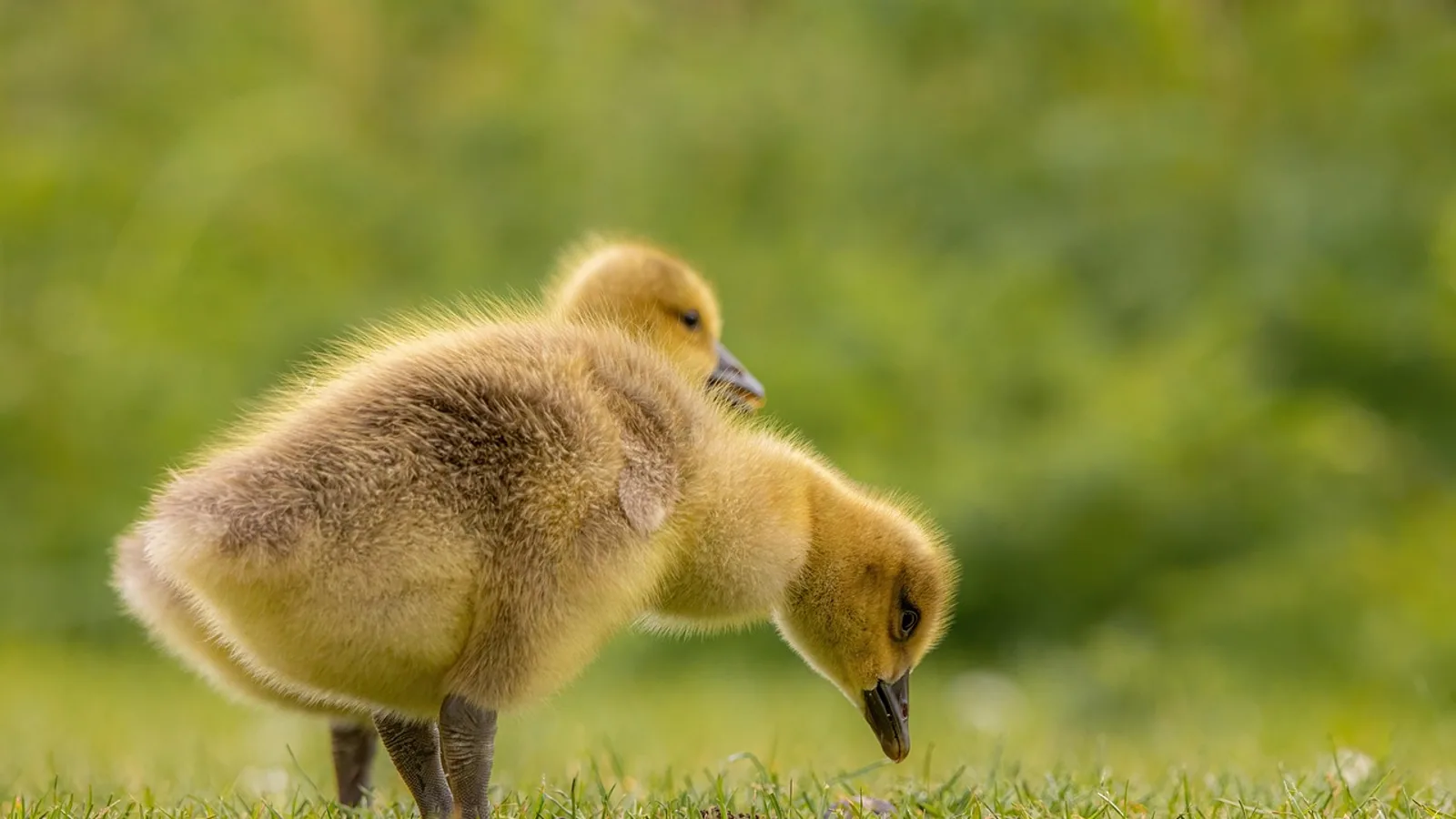
A goose is a grazing herbivore. Its natural diet is fresh grass and other tender green plants eaten throughout the day, with grain and a protein supplement used to fill the gaps that pasture alone cannot cover. The practical answer for most backyard keepers is simple: pasture or fresh grass available at all times, roughly 100 to 150 grams of grain per adult goose per day, and a 15 to 20 percent protein pellet during the breeding season.
This article explains the biology behind that ration, gives you a daily feeding chart you can use, and covers the nutritional deficiencies that show up when a goose diet goes wrong.
The Goose Is Built to Eat Grass
Geese belong to a group of waterfowl that are obligate herbivores, meaning their digestive systems are designed around plant material rather than meat, insects, or fish [1]. Their bills have serrated edges that work like a cutting tool, letting them crop grass close to the ground more efficiently than most other poultry. Their digestive tract is long and suited to fermenting fibrous plant matter, which is why grass is not a treat for a goose. It is the foundation of the diet.
A review of the scientific literature on herbivorous waterfowl found that geese and similar birds select foods based on both energy content and nutrient quality, and that dense, single-species crops such as rotational grassland and early-growth cereals offer higher energy and nutrient intake rates than most natural vegetation [1]. In plain terms, a well-managed lawn or pasture is a better goose food source than scrubby weeds. That same review noted that geese will move toward spilled grain and high-quality crops when available, which is why a free-ranging goose often spends its morning grazing and its afternoon hunting for grain.
One study of Canada geese on Cape Cod showed how carefully geese match their diet to their needs. The birds fed heavily on marsh grasses early in the growing season when nitrogen demand was high, then switched to eelgrass later in the season when building energy reserves mattered more than protein intake [2]. Goslings, which need more nitrogen than adults, stayed on the nitrogen-rich marsh grasses longer into the season than the adult birds did [2]. This is a useful lesson for anyone feeding geese at home. Growing birds and breeding birds have different needs than a mature, non-laying adult, and the ration should shift with the season and the bird's stage of life.
Why Fiber Matters More Than Most Owners Realize
A goose that eats only grain will grow fast and put on fat. A goose that eats grass with grain as a supplement will grow more slowly but produce a leaner, higher-protein carcass. That trade-off is not opinion. It comes directly from controlled feeding trials.
Researchers at Yangzhou University divided 360 goslings into four groups: grazing only, grazing with a grain supplement, grazing with grain and other supplements, and confined feeding [3]. The grazing birds had lower eviscerated carcass yield, which means less total meat per bird. But the meat they did produce had significantly higher protein content and more muscle collagen in both breast and thigh than the confined birds, while fat content was lower [3]. Birds that ate grass plus a grain supplement had higher magnesium and copper in breast muscle [3]. The authors concluded that geese reach their full potential when allowed to graze pasture supplemented with grain, and they called this the ideal production model [3].
The practical takeaway is that grass is not filler. It changes the composition of the meat and supports the bird's natural digestive function. A goose denied pasture and fed grain alone is being fed against its biology.
The Daily Ration Chart
The table below gives a working daily ration for a healthy adult goose. Amounts are per bird per day. Adjust upward for large breeds such as Embden or Toulouse and downward for smaller breeds such as Chinese geese. Growing goslings and breeding birds need different ratios, which are covered in the sections that follow.
| Feed type | Amount per bird per day | Purpose |
|---|---|---|
| Pasture or fresh grass | Ad libitum (free access all day) | Base diet. Provides fiber, supports natural grazing behavior, improves meat protein and collagen content [3] |
| Grain (corn, wheat, oats) | 100 to 150 g for an adult goose | Energy supplement. Fills the calorie gap when pasture quality is low or the bird is growing or laying [3] |
| 15 to 20 percent protein layer pellet | Free choice or measured to deliver 15 to 20 percent dietary protein during breeding season | Supports egg production, fertility, and feather regrowth during molt [4] |
| Grit (insoluble) | Small amount offered free choice | Helps the gizzard grind fibrous plant material |
| Fresh water | Constant access | Required for digestion and egg formation |
A few notes on this chart. The grain figure of 100 to 150 grams per adult goose per day is a practical working range for backyard flocks, not a laboratory constant. A goose on lush spring pasture needs less grain. A goose on dry summer stubble needs more. The 15 to 20 percent protein pellet is a breeding-season tool, not a year-round staple. Outside the breeding season, a mature goose on good pasture often does well on grass and grain alone.
Choosing the Grain
Corn, wheat, and oats are the three grains most commonly fed to geese, and each behaves a little differently.
Corn is high in energy and low in protein. It is the fastest way to put weight on a bird, which is exactly why it should be used with restraint. A study of young fattening geese found that high-energy feeding increased weight gain, but the extra gain was almost entirely adipose tissue, meaning fat stored in the skin and around the intestines and abdomen [5]. The same study found that high energy intake triggered earlier juvenile molting, which made the carcasses of 56-day-old birds unusually bristly and less valuable [5]. The authors recommended fattening geese on lower-energy rations up to 63 days of age because meat yield, especially breast meat, improves when slaughter is delayed [5].
Wheat is a middle ground. It has more protein than corn and is well accepted by geese.
Oats are the highest in fiber of the three and the lowest in energy. They are a good choice for a mature, idle goose that tends to gain weight easily.
A simple approach is to mix the grains rather than feed one alone. A blend of cracked corn, wheat, and oats gives the bird a more balanced energy profile and reduces the risk of the fat accumulation that comes with an all-corn diet.
Protein and the Breeding Season
Protein level matters most when a goose is producing eggs or regrowing feathers. A study of growing geese tested three dietary protein levels (22, 20, and 18 percent in the starter phase and 20, 18, and 16 percent in the finisher phase) and found that birds on higher-protein diets had significantly better liver, gizzard, heart, and giblet weights at 12 weeks of age [4]. The same study found that feed form mattered too. Geese fed pellets had significantly better body weight, weight gain, feed conversion, and protein efficiency than geese fed crumble or mash, and pellet-fed birds had improved carcass, liver, heart, dressing, and wing percentages [4].
That is the scientific basis for using a pellet rather than loose mash during the breeding season. A 15 to 20 percent protein layer pellet delivers consistent protein in a form geese eat efficiently. During the breeding season, when a hen is laying and a gander is maintaining condition for fertility, this supplement supports the higher protein demand. Outside breeding season, most adult geese do not need it.
Feeding Schedule Through the Day
Geese are diurnal grazers with a strong morning and late-afternoon feeding pattern. A workable daily schedule looks like this.
Early morning. Turn the birds out onto pasture or fresh grass. This is their longest and most important grazing period. Do not lead with grain. A goose that fills up on grain first will graze less for the rest of the day.
Mid-morning. Offer the grain ration. Splitting the daily grain into two smaller feedings rather than one large one reduces the chance of a single bird gorging and helps you spot birds that are off feed.
Midday. Fresh water check. Geese drink heavily and foul water quickly. Clean water supports digestion and, in laying hens, egg formation.
Late afternoon. Second grain feeding and, during breeding season, access to the protein pellet. This is also a good time to check body condition and look for signs of deficiency.
Evening. Return birds to secure housing. Remove or secure leftover grain so it does not attract rodents or spoil overnight.
Feeding Goslings
Goslings need more protein and more careful management than adults. They also need a diet higher in nitrogen than adult birds, a pattern documented in wild Canada geese, where goslings selected nitrogen-rich marsh grasses longer into the season than adults did [2]. For backyard goslings, this translates into a starter ration with higher protein and gradual introduction to pasture as they grow.
Goslings should have access to short, tender grass from an early age, but they cannot live on pasture alone during their first weeks. They need a complete starter feed to supply the vitamins and minerals that young birds cannot yet obtain efficiently from forage.
Nutritional Deficiencies and Their Signs
A goose on good pasture with a balanced grain and protein supplement rarely develops a deficiency. A goose on an unbalanced diet, or one kept confined without forage, can develop several. The table below summarizes the most important ones.
| Nutrient | Deficiency sign | What it means |
|---|---|---|
| Niacin (vitamin B3) | Leg weakness, difficulty walking, poor growth | Niacin is required for normal growth and development. Goslings fed niacin-deficient diets grow poorly [6] |
| Vitamin E and selenium | White muscle disease (muscle degeneration, stiffness, weakness) | These nutrients work together to protect muscle tissue from oxidative damage |
| Calcium | Soft-shelled eggs, reduced egg production | Laying hens draw heavily on calcium for shell formation |
| Riboflavin (vitamin B2) | Poor growth, weakness | Goslings fed riboflavin-deficient diets grow poorly [6] |
| Pantothenic acid (vitamin B5) | High mortality, poor growth | A pantothenic acid-deficient diet caused 100 percent mortality in young Embden geese [6] |
| Choline | Perosis (slipped tendon, leg deformity) | Goslings fed diets containing 530 mg/kg of choline or less developed perosis [6] |
The niacin finding deserves emphasis because leg weakness in goslings is one of the most common problems owners report. Research on young Embden geese established that goslings require no more than 3.84 mg/kg of riboflavin and 31.2 mg/kg of niacin in the diet for rapid growth and normal development, that the pantothenic acid requirement is no more than 12.6 mg/kg, and that a dietary choline level of 1530 mg/kg is adequate to prevent perosis and support rapid growth [6]. The same research found that these vitamin levels are similar to the requirements of other species that have been studied [6]. In practice, this means a complete starter feed formulated for waterfowl will meet these needs, while a homemade ration of grain and scraps often will not.
White Muscle Disease
Vitamin E and selenium deficiency produces white muscle disease, a condition in which muscle tissue degenerates. Affected birds show stiffness, weakness, and difficulty moving. It is more common in regions with selenium-poor soil, because the forage grown there is also low in selenium. A goose grazing selenium-deficient pasture can develop the condition even with adequate vitamin E in the diet.
Calcium and Soft Eggs
A laying goose needs calcium for eggshell formation. When dietary calcium is short, the hen pulls calcium from her own bones, and the first visible sign is often a soft or thin-shelled egg. Over time, chronic calcium deficit weakens the skeleton. Providing a calcium source alongside the regular ration, and ensuring the layer pellet is actually formulated for layers rather than for maintenance, prevents most cases.
Overfeeding Grain: Obesity and Angel Wing
The most common feeding mistake in backyard geese is too much grain. It is an easy mistake to make because geese beg enthusiastically and grain is cheap.
The consequences are well documented. A study of young fattening geese found that high-energy feeding increased weight gain, but the extra weight was almost entirely fat deposited in the skin and around the intestines and abdomen [5]. The same high-energy intake caused earlier juvenile molting and produced bristly carcasses in young birds [5]. In a backyard setting, that translates into an obese goose that is prone to leg problems, poor fertility, and a shortened productive life.
Angel wing is a separate but related problem. It is a developmental deformity in which the last joint of the wing twists outward, causing the flight feathers to point away from the body instead of lying flat. It is associated with rapid growth and high-energy, high-protein diets in young growing birds, particularly when the diet is unbalanced. The mechanism is that the wing tip grows faster than the supporting structures can keep up. The practical prevention is to avoid pushing goslings with excess grain or high-energy feed, to let them graze, and to keep protein levels appropriate for their age rather than maximizing growth speed.
The Yangzhou feeding trial offers the clearest guidance here. Birds raised on grass with a grain supplement had leaner meat with more protein and collagen than confined birds fed a concentrated ration [3]. The grazing model is not just more natural. It produces a healthier bird.
Common Myths About Goose Diets
Myth: Geese can live on bread and kitchen scraps. Bread is low in the nutrients geese need and high in simple carbohydrates. It fills the bird without nourishing it and contributes to obesity. Kitchen scraps are inconsistent in composition and cannot be relied on to meet a goose's requirements.
Myth: Geese need the same feed as chickens. They do not. Geese are grazers with a higher fiber tolerance and different vitamin requirements than chickens. A chicken layer ration is formulated around a chicken's needs, and a goose on chicken feed alone may not receive the nutrient profile it requires. This is why waterfowl-specific or goose-appropriate rations matter.
Myth: A goose that eats grass does not need grain. Pasture quality varies enormously by season. A goose on good spring grass may need very little grain. A goose on dry late-summer pasture needs more. The Yangzhou study showed that grass plus a grain supplement produced the best overall result, better than grass alone [3].
Myth: More grain means faster, better growth. The fattening study showed the opposite. Extra energy goes into fat, not muscle, and it triggers early molting that reduces carcass quality [5]. Slower growth on a forage-based diet produces a better bird.
Myth: Geese do not need grit. A grazing bird consumes a large volume of fibrous plant material. Insoluble grit in the gizzard helps grind that material and supports digestion.
What Is Still Uncertain
The precise optimal grain amount for a backyard goose is not a fixed number. It depends on breed, body size, pasture quality, season, and whether the bird is laying. The 100 to 150 gram range is a practical starting point, not a universal rule. Owners should adjust based on body condition, egg production, and how much the bird actually grazes.
The interaction between diet and angel wing is also not fully mapped. The condition is clearly associated with rapid growth and high-energy diets in growing birds, but the exact thresholds that trigger it in different breeds are not established. The safest approach is to avoid pushing growth and to let goslings graze.
Individual birds vary. A goose that seems to be struggling on a ration that works for the rest of the flock needs individual assessment.
Limitations and When to Contact a Veterinarian
This article is educational and is not a substitute for veterinary diagnosis or treatment.
Contact a veterinarian if your goose shows any of the following: sudden leg weakness or inability to stand, which may indicate niacin deficiency or another neurological problem. Stiffness, muscle wasting, or difficulty moving, which may indicate vitamin E and selenium deficiency. Soft-shelled or misshapen eggs, which point to a calcium problem. A wing that twists outward and does not lie flat, which suggests angel wing and needs early assessment to have the best chance of correction. Rapid weight gain with reduced activity, which suggests overfeeding. Any bird that stops eating, loses weight, or develops diarrhea.
A veterinarian can assess body condition, review the ration, and recommend specific changes. Do not attempt to correct a suspected deficiency by adding supplements on your own, because oversupplementation of some nutrients, particularly selenium, can be toxic.
Frequently Asked Questions
What do geese eat?
Geese eat grass and other tender green plants as their base diet, supplemented with grain such as corn, wheat, or oats and a protein pellet during the breeding season. They are grazing herbivores, not seed-eaters or omnivores.
How much grain should I feed a goose per day?
A practical range is 100 to 150 grams of grain per adult goose per day, split into two feedings. Adjust based on pasture quality, breed size, and whether the bird is laying.
Can geese eat chicken feed?
Chicken feed is formulated for chickens, not geese. Geese have different fiber tolerance and vitamin requirements, so a waterfowl-appropriate ration is a better choice.
Do geese need protein pellets year-round?
No. A 15 to 20 percent protein pellet is most useful during the breeding season when hens are laying and birds are regrowing feathers. A mature goose on good pasture often does well without it outside that period.
What causes leg weakness in goslings?
Niacin deficiency is a common cause of leg weakness and poor growth in goslings. Research on young geese established that goslings need adequate niacin in the diet for normal development [6].
What is angel wing in geese?
Angel wing is a developmental deformity where the wing tip twists outward and the flight feathers point away from the body. It is associated with rapid growth and high-energy diets in young birds.
How do I know if my goose has a calcium deficiency?
The first sign is usually a soft or thin-shelled egg in a laying hen. Over time, chronic calcium shortage weakens the skeleton. A layer-appropriate pellet and a calcium source help prevent it.
Can geese live on grass alone?
Grass is the foundation of the diet, but pasture quality varies by season. Research shows geese do best on grass supplemented with grain rather than grass alone [3].
Related Articles
- Goose Farming: Breeds, Housing, and Production Systems
- Snake Diet and Feeding: What Do Snakes Eat in the Wild and in Captivity?
- Koi Fish Nutrition: Feeding Schedules, Diet Types, and Seasonal Adjustments
- Feeding Ducks and Geese: Unique Nutritional Needs of Waterfowl
- Calf Barn Cleaning Schedule: Daily, Weekly, and Deep Cleaning Tasks
- Rabbit Cage Cleaning Schedule: Daily, Weekly, and Deep Cleaning Routines
- Sebastopol Goose: Care Guide for Curly-Feathered Geese
- Goose Types: Breeds Compared for Eggs and Meat
- Dog Calorie Calculator: Daily kcal Needs by Weight
Sources
- Agriculture and herbivorous waterfowl: a review of the scientific basis for improved management.
- Variability in the chemistry of estuarine plants and its effect on feeding by Canada geese.
- Effects of forage feeding versus grain feeding on the growth performance and meat quality of Yangzhou geese.
- Effect of feed form and dietary protein level on growth performance and carcass characteristics of growing geese.
- [[Energy and crude protein requirements of young fattening geese. 2. Inluence of varying energy and crude protein contents of feed on carcass quality].](https://pubmed.ncbi.nlm.nih.gov/655860/)
- Studies on the riboflavin, pantothenic acid, nicotinic acid, and choline requirements of young Embden geese.