Can Dogs Eat Pickles? Sodium and Safety
By Dr. Zubair Khalid, DVM, MS, PhD ·
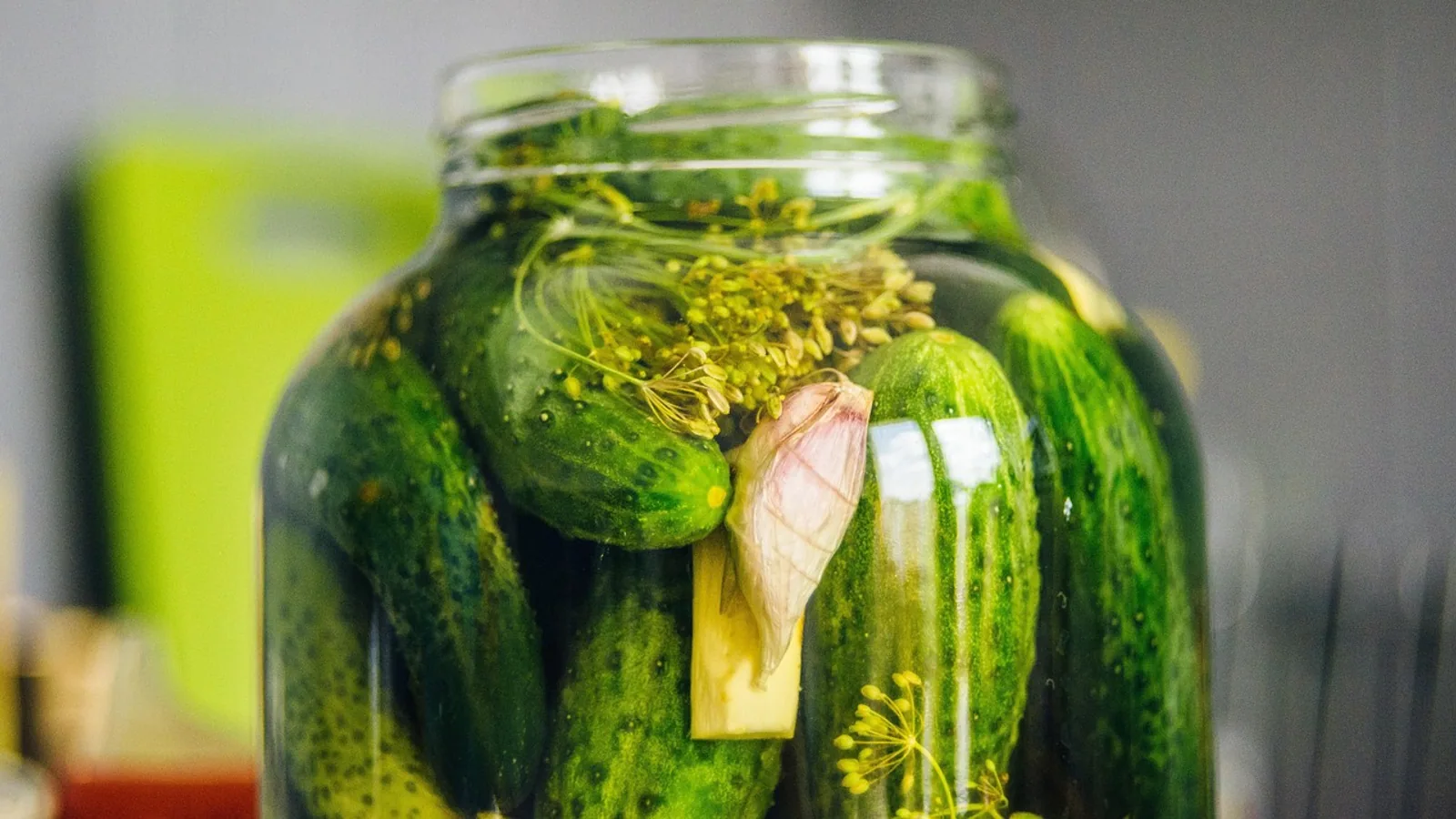
A dog can survive eating a piece of a pickle, but a pickle is not a good food for a dog. The cucumber underneath the brine is harmless. The brine is the problem. A single dill pickle can carry 300 to 500 mg of sodium, and a 10 kg (22 lb) dog needs only about 200 to 500 mg of sodium per day. One pickle can therefore supply a dog's entire daily sodium budget, or exceed it, in a few bites. Add vinegar, sugar, and seasonings such as onion and garlic, and the case against sharing pickles becomes clear.
The short answer: skip the pickle jar and offer a plain cucumber slice instead. If a pickle does end up in your dog's mouth, the outcome depends on how much was eaten, what kind of pickle it was, and how big your dog is. This guide explains the sodium math, the vinegar question, the seasoning risks, the pickle varieties that are worst for dogs, and the signs that mean a trip to the veterinarian.
This article is educational and is not a substitute for veterinary diagnosis or treatment.
At a Glance: Pickle Safety Checklist
| Question | Answer |
|---|---|
| Can dogs eat pickles? | Not recommended. Sodium and seasoning risks outweigh any benefit. |
| Can dogs eat cucumbers? | Yes. Plain, unseasoned cucumber is a safe low-calorie treat. |
| Can dogs eat dill pickles? | A small piece is unlikely to be toxic, but sodium load is high. |
| Can dogs have pickle juice? | No. Never give pickle juice. |
| Biggest risk | Sodium overload, plus onion and garlic in seasoned brines. |
| Safe alternative | One or two plain cucumber slices, washed and cut small. |
| Call a veterinarian if | Vomiting, diarrhea, tremors, seizures, or a large amount of brine was consumed. |
Why a Pickle Is Not a Cucumber


A cucumber is roughly 95 percent water and delivers very little sodium. A pickle starts as that same cucumber and then sits in a brine of salt, vinegar, water, and flavorings for days to weeks. The cucumber absorbs the brine, and with it the sodium. What was a low-sodium vegetable becomes a high-sodium processed food.
That transformation matters because dogs are small. Sodium requirements scale with body weight and metabolic needs, not with human portion sizes. A pickle spear that seems like a trivial snack to a person can represent a meaningful fraction of a small dog's daily sodium intake. The same logic applies to olives, sauerkraut, capers, and other brine-cured foods.
The Sodium Math for a 10 kg Dog
Veterinary nutrition references place the daily sodium requirement for a healthy adult dog in the range of roughly 200 to 500 mg for a 10 kg dog, depending on life stage, activity, and diet formulation. A single dill pickle commonly contains 300 to 500 mg of sodium. Do the arithmetic and one pickle can meet or exceed the entire day's sodium need for that dog.
For a 5 kg dog, the same pickle represents an even larger proportion of daily sodium. For a 30 kg dog, one pickle is a smaller relative load but still a concentrated sodium hit that serves no nutritional purpose. There is no scenario in which a pickle improves a dog's diet.
What High Sodium Does to a Dog's Body
Sodium is an essential electrolyte. Dogs need it for nerve conduction, muscle contraction, and fluid balance. The problem is excess, not presence.
Controlled dietary studies in dogs show that sodium intake changes physiology in measurable ways. In one experiment, dogs fed a high-salt diet for four weeks showed reduced acetylcholine-induced relaxation of mesenteric resistance arteries compared with dogs on a low-salt diet, while vasoconstrictor responses to noradrenaline were unchanged [1]. In plain terms, a high-salt diet altered how the dogs' blood vessels responded to a dilating signal. The study used experimental sodium levels far above typical pet food, so it does not describe what one pickle does. It does show that canine vascular tissue is sensitive to dietary sodium.
Other canine research shows how tightly the body regulates sodium. When dogs were fed a low-sodium diet, plasma renin activity and aldosterone concentration rose significantly, and dietary sodium manipulation changed angiotensin receptor expression in the kidney and adrenal gland [2][3]. These are the hormones and receptors that control blood pressure and fluid balance. The canine body defends its sodium balance aggressively, which is exactly why dumping a large sodium load into a small dog is not a neutral event.
Acute Sodium Toxicity Versus Chronic Excess
Two different problems exist. The first is acute sodium toxicity, sometimes called salt poisoning. This happens when a dog consumes a large amount of salt or salty liquid in a short period, such as drinking pickle juice, eating multiple pickles, or getting into a bag of water softener salt. The body's sodium concentration rises faster than the kidneys can correct it, and water shifts out of cells, including brain cells. Signs include vomiting, diarrhea, lethargy, tremors, and seizures. This is a medical emergency.
The second problem is chronic excess. A dog that regularly gets salty table food takes in more sodium than it needs every day. Over time this can matter for dogs with heart disease, kidney disease, or hypertension, and it works against any veterinarian-prescribed sodium-restricted diet. The Merck Veterinary Manual and AAHA nutrition guidance both stress that therapeutic diets depend on owners controlling every bite, which is difficult when salty snacks are shared.
Vinegar: Not Toxic, But Not Always Tolerant
Vinegar is the second major component of pickle brine. The active ingredient is acetic acid. In the small quantities present in a bite of pickle, vinegar is not considered toxic to dogs. The concern is gastrointestinal tolerance.
Acidic foods can irritate the stomach lining and trigger nausea, drooling, or vomiting in some dogs. Dogs with sensitive stomachs, acid reflux, inflammatory bowel disease, or a history of pancreatitis may react more strongly. A dog that eats a whole pickle, or laps pickle juice, is taking in a much larger acid load than a dog that eats one small piece.
There is no established safe vinegar dose for dogs in the veterinary literature, and no published study defines a threshold for gastrointestinal upset from pickle brine. The practical guidance is simple. Small accidental exposure is usually tolerated. Deliberate feeding of vinegar-heavy foods is not recommended.
Seasonings and Add-Ins That Change the Risk
The base brine is only part of the story. Many pickle products contain ingredients that are genuinely unsafe for dogs.
Onion and Garlic
Onion and garlic, including powdered forms, are toxic to dogs. They damage red blood cells and can cause hemolytic anemia. The toxic principle is the same across the allium family, which also includes leeks, chives, and shallots. Some pickle brines, particularly "kosher dill" and "barrel" styles, include garlic cloves or onion. Garlic dill pickles are common. A single piece may not contain enough allium to cause poisoning, but repeated exposure adds up, and some dogs are more sensitive than others.
Sugar
Sweet pickles, bread-and-butter pickles, and gherkins are made with substantial added sugar. Dogs do not need added sugar. Frequent sugary treats contribute to obesity and dental disease, and they are inappropriate for dogs with diabetes. Sugar also makes these pickles more palatable, which increases the chance a dog begs for more.
Other Additives
Some pickle products include hot peppers, artificial colors, preservatives, or "spicy" brine blends. Hot peppers contain capsaicin, which irritates the mouth, esophagus, and stomach of dogs. Artificial colors and preservatives have no nutritional role in a dog's diet and add no benefit.
Pickle Comparison Table
| Pickle Type | Sodium per Pickle (typical) | Added Sugar | Key Risks | Safety Verdict |
|---|---|---|---|---|
| Dill pickle (whole or spear) | 300 to 500 mg | None or minimal | High sodium, possible garlic or onion in brine | Do not feed |
| Sweet pickle or gherkin | 200 to 400 mg | High (several grams) | High sodium, high sugar, obesity and dental risk | Do not feed |
| Bread-and-butter pickle | 250 to 450 mg | High (several grams) | High sodium, high sugar, onion and mustard seed often present | Do not feed |
| Kosher dill with garlic | 300 to 500 mg | None or minimal | High sodium, garlic toxicity risk | Do not feed |
| Plain cucumber slice | Under 5 mg | None | Choking if cut too large | Safe in moderation |
Sodium and sugar values vary by brand, brine strength, and pickle size. Treat the ranges as typical, not exact. The safety verdict does not change.
Can Dogs Have Pickles in Any Amount?
The honest answer is that a small piece of a plain dill pickle is unlikely to cause serious harm in a healthy medium or large dog. That is not the same as saying it is a good idea. Three reasons to avoid it anyway:
- The sodium load is concentrated and unnecessary.
- The brine may contain garlic or onion.
- Feeding pickles teaches a dog to beg for salty human food, which is the behavior that leads to bigger problems later.
If you want to give your dog a crunchy, low-calorie treat, a plain cucumber slice does everything a pickle does without the brine. Wash it, cut it into dog-bite-sized pieces, and offer one or two slices. For small dogs, cut slices into quarters to reduce choking risk.
If Your Dog Ate a Pickle
Stay calm and assess the situation.
- Identify what was eaten. Was it a whole pickle, a spear, a slice, or pickle juice?
- Estimate the amount. One slice is very different from a whole jar.
- Check the ingredient list. Look specifically for onion, garlic, and sugar.
- Note your dog's weight. A 5 kg dog and a 40 kg dog face different risk levels.
- Watch for signs. Vomiting, diarrhea, drooling, lethargy, tremors, or seizures warrant a call to your veterinarian or a pet poison hotline.
- Offer fresh water. Do not force fluids. Do not induce vomiting unless a veterinarian instructs you to.
- Do not give salt or salty foods to "balance" anything. That advice applies to human athletes, not dogs.
If your dog ate one small piece of a plain dill pickle and is acting normally, monitoring at home is reasonable. If your dog drank pickle juice, ate multiple pickles, or has any of the signs listed above, contact a veterinarian right away.
Signs of Sodium Toxicity in Dogs
Sodium toxicity is a time-sensitive emergency. Signs can progress quickly, especially in small dogs.
- Vomiting
- Diarrhea
- Excessive thirst
- Increased urination, then decreased urination as dehydration develops
- Lethargy or weakness
- Drooling
- Loss of coordination or stumbling
- Muscle tremors
- Seizures
- Coma in severe cases
The mechanism behind these signs is fluid shift. When blood sodium rises, water moves out of cells to dilute it. Brain cells shrink, which disrupts neurologic function and produces the tremors and seizures that define severe salt poisoning. Treatment involves careful, controlled correction of sodium and fluid balance under veterinary supervision. Correcting sodium too quickly is itself dangerous, which is why this is not a home treatment situation.
Sodium in Context: What Dogs Actually Need
The canine body regulates sodium through the renin-angiotensin-aldosterone system, the same hormonal axis that controls blood pressure in people. Canine studies show that dietary sodium restriction raises plasma renin activity and aldosterone concentration, and that sodium loading changes angiotensin receptor expression in the kidney and adrenal gland [2][3]. These findings confirm that sodium intake is not a trivial variable in canine physiology.
They also explain why veterinarians prescribe sodium-restricted diets for dogs with certain heart and kidney conditions. A therapeutic diet only works if the sodium coming in from treats and table food is controlled. One pickle can undo a day of careful feeding.
Sodium, Potassium, and Cellular Function
Sodium does not act alone. It works in balance with potassium across cell membranes. Research in dogs has examined the relationship between cardiac steroids, sodium-potassium adenosine triphosphatase inhibition, ion transport, and inotropic activity [4]. This is the cellular machinery that keeps the heart beating and nerves firing. Upsetting the sodium-potassium balance with a large sodium load is not a small thing. It is a disturbance of the system that keeps cells working.
Common Mistakes Owners Make
Giving pickle juice as a "treat." Pickle juice is the most concentrated sodium source in the jar. It should never be given to a dog. This is the single most dangerous pickle-related mistake.
Assuming "dill" means "plain." Many dill pickle brines contain garlic. Check the label.
Sharing from a restaurant plate. Restaurant pickles are often saltier than grocery store versions and may sit next to onions or other alliums.
Letting a dog lick the empty jar. Residue brine can contain a surprising amount of salt.
Using pickles to hide medication. The sodium and seasoning risks are not worth the convenience. Use a veterinarian-approved pill pocket or a small piece of plain cooked meat instead.
Assuming a big dog can handle anything. A large dog tolerates more sodium than a small dog, but a large dog that eats an entire jar of pickles still faces a serious sodium load.
Safe Alternatives to Pickles
If your dog likes crunchy food, several options deliver texture without the brine.
- Plain cucumber slices, washed and cut small
- Plain zucchini slices
- Plain green beans, raw or steamed without salt
- Plain carrot sticks, cut to a safe size
- Plain apple slices without seeds or core
All of these should be given in moderation and counted as part of your dog's daily calorie intake. Treats should generally make up no more than about 10 percent of daily calories, a standard recommendation in veterinary nutrition guidance. If your dog has a medical condition, ask your veterinarian which treats are appropriate before introducing anything new.
Welfare and Safety Points
Food safety for dogs is about more than toxicity. It is about consistency, portion control, and protecting the diet your veterinarian designed.
- Keep pickles and pickle jars out of reach. Dogs can open some containers or knock jars off counters.
- Do not leave pickle juice in a bowl or cup where a dog can reach it.
- Teach family members and guests not to share pickles. Children often do not know the difference between a cucumber and a pickle.
- If your dog is on a prescription diet, treat every off-diet bite as a deviation worth mentioning at the next visit.
- Store pickles in the refrigerator, not on a low shelf where a dog can reach them.
When a Veterinarian Is Needed
Contact a veterinarian or an animal poison control service immediately if any of the following occur:
- Your dog ate multiple pickles or drank pickle juice.
- Your dog ate a pickle containing onion or garlic.
- Your dog is vomiting, has diarrhea, is drooling excessively, or seems weak.
- Your dog is trembling, stumbling, or having a seizure.
- Your dog is a small breed or puppy and ate a whole pickle.
- Your dog has heart disease, kidney disease, or is on a sodium-restricted diet.
- You are unsure how much was eaten.
Do not wait for signs to appear before calling if a large amount was consumed. Early intervention is easier and safer than treating a dog that is already seizuring.
Limitations and When to Contact a Veterinarian
This article provides general guidance based on published veterinary research and standard nutrition principles. It cannot account for your dog's individual weight, health status, medications, or diet. Sodium tolerance varies with body size, kidney function, heart health, and hydration status. A dog with pre-existing heart or kidney disease may react to a sodium load that a healthy dog would handle without obvious signs.
If you are uncertain whether your dog's exposure warrants a veterinary visit, call your veterinarian. A phone call costs nothing and can prevent a serious outcome. If your dog is showing neurologic signs such as tremors or seizures, go to an emergency veterinary hospital immediately.
How Sodium Is Handled by the Canine Body After a Pickle
Understanding why a pickle matters requires a short walk through the physiology of sodium balance in dogs. Sodium is the dominant cation in extracellular fluid. It determines plasma osmolality, which in turn determines where water sits in the body. When sodium intake rises, water follows it into the vascular space, expanding blood volume. When sodium falls, water shifts out of the vessels and the body's hormonal response kicks in.
The kidneys are the primary regulator. They filter sodium freely and then reabsorb or excrete it under hormonal instructions. The renin-angiotensin-aldosterone system is the command center. Renin is released from the kidney in response to reduced renal perfusion, reduced distal sodium delivery, or sympathetic stimulation. It converts angiotensinogen to angiotensin I, then angiotensin converting enzyme converts angiotensin I to angiotensin II, which constricts vessels and stimulates aldosterone release from the adrenal cortex. Aldosterone promotes sodium reabsorption in the distal nephron, and water follows.
Canine research has mapped this axis in detail. When dogs were maintained on a low-sodium diet, investigators documented a significant rise in plasma renin activity and aldosterone concentration, alongside measurable shifts in angiotensin receptor expression in renal and adrenal tissue [2][3]. These findings are important for two reasons. First, they confirm the dog's sodium conserving machinery is robust and responsive. Second, they show that experimental manipulation of dietary sodium produces receptor-level changes, not just transient hormone fluctuations.
A dog that eats one pickle receives a bolus of sodium that enters the extracellular space, transiently raises plasma osmolality, stimulates thirst, and prompts renal sodium excretion. A healthy dog with normal kidney function and free access to water will usually handle that bolus without visible consequences. This is the reason a single small piece of a plain dill pickle rarely produces an emergency. The system is built to correct small deviations.
The danger appears when the deviation is large, fast, or layered on top of impaired physiology. A dog that drinks pickle juice takes in sodium far faster than the kidneys can excrete it, and without the water volume needed to dilute it. Water then moves out of cells to balance the serum, including cells in the brain. That reversal of normal fluid movement is the mechanism behind neurologic salt poisoning signs. Dogs with chronic kidney disease, heart failure, or abnormal thirst regulation have less reserve to absorb a sodium load, which is why the same pickle slice that means nothing to one dog can matter to another.
There is also a vascular dimension. Experimental feeding of a high-salt diet to dogs for four weeks reduced acetylcholine-induced relaxation of mesenteric resistance arteries while leaving vasoconstrictor responses to noradrenaline unchanged [1]. The authors interpreted this as evidence of altered endothelial function from dietary sodium. This study used sodium concentrations well beyond what commercial diets or occasional treats would provide, so it does not predict the effect of one pickle. It does show that canine blood vessels are not inert to dietary salt. It also provides biologic plausibility for the veterinary habit of restricting sodium in dogs with cardiac or hypertensive disease.
Reading a Pickle Label the Way a Clinician Would
Owners routinely ask whether a pickle is safe based on the first ingredient on the label. That is not the right way to assess risk. The clinically important questions are sodium content, added sugar, allium content, and total portion. A label reading workflow helps.
First, find the sodium number. Sodium is listed in milligrams per serving on the Nutrition Facts panel. Then compare the serving size to the actual pickle. Many brands list sodium per half pickle or per one ounce, not per whole pickle. A "300 mg per serving" figure may translate to 600 mg if the dog ate two servings. This is a common source of underestimation.
Second, scan the ingredient statement for allium words. Onion, onion powder, dehydrated onion, garlic, garlic powder, garlic oil, and garlic extract are all relevant. Pickle products sometimes list "natural flavors" that can include allium derivatives. If the label does not clearly state otherwise, assume a garlic dill product may contain garlic.
Third, look for sugar on the ingredient list, not just the Nutrition Facts panel. Sweeteners appear as sugar, high fructose corn syrup, corn syrup, dextrose, maltose, honey, or fruit juice concentrate. Sweet and bread-and-butter pickles frequently contain several of these. Sugar content matters most for diabetic dogs, obese dogs, and any dog on a weight management plan.
Fourth, note any additional flavorings. Peppers, horseradish, mustard seed, dill weed, and assorted spice blends appear in specialty products. Capsaicin from peppers is a mucosal irritant. Mustard seed is not classically toxic to dogs at the amounts found in brine, but it contributes to gastrointestinal upset potential.
Fifth, check for preservatives and colors if your dog has known sensitivities. Sodium benzoate, potassium sorbate, and artificial dyes appear in some commercial products. These are not established canine toxins at brine concentrations, but they add no nutritional value and are unnecessary exposure.
The practical takeaway is that most pickle products fail at least one of these checks, and many fail several. A plain dill spear with no allium and no added sugar is the least problematic version, and even that version carries the sodium load that makes it unsuitable as a routine treat.
Diagnostic Workflow When a Dog Has Eaten Pickles
Owners often call a clinic unsure whether the exposure warrants a visit. The reception team and technician should gather a structured history. A clear intake checklist shortens the triage process and reduces the risk of missing an important detail.
The essential history items include: what form of pickle was eaten (whole, spear, slice, relish, juice); the estimated quantity in grams, ounces, or approximate pickle count; the time elapsed since ingestion; the ingredient list if the owner has the jar; the dog's body weight and age; any current medications, especially diuretics, angiotensin converting enzyme inhibitors, and other cardiovascular drugs; any pre-existing diagnoses of heart disease, kidney disease, diabetes, or hypertension; and whether the dog has vomited, had diarrhea, or shown any neurologic signs.
If the dog is asymptomatic and the exposure was small, home monitoring with instructions is often appropriate. Owners should be told exactly what to watch for and when to call back. Excessive thirst, increased urination, vomiting, diarrhea, lethargy, drooling, incoordination, tremors, or seizures are the red flags. They should also be told not to restrict water, because water restriction during a sodium load is dangerous.
If the dog is symptomatic or the exposure is large, the veterinary team moves to examination and diagnostics. Physical examination focuses on hydration status, mentation, mucous membrane character, capillary refill time, heart rate and rhythm, respiratory effort, and neurologic assessment including gait and tremor evaluation. A dog with significant salt poisoning may show altered mentation, ataxia, or hyperresponsiveness before frank seizures develop.
Initial laboratory work typically includes a serum biochemistry panel with electrolytes, a complete blood count, and a urinalysis. The single most informative value is serum sodium concentration, along with calculated osmolality. Blood glucose and renal values help separate salt poisoning from other causes of neurologic signs, including hypoglycemia, uremic encephalopathy, and primary intracranial disease. If allium ingestion is suspected, a packed cell volume and blood smear review for Heinz bodies may be appropriate, though hemolysis from a single pickle brine exposure is unlikely.
Imaging is generally not indicated for pickle ingestion alone unless there is concern for a foreign body, such as a swallowed whole pickle causing esophageal obstruction, or if the dog has concurrent vomiting and abdominal pain that suggests another diagnosis. Thoracic radiographs are relevant if a dog with known heart disease develops respiratory signs after a sodium load.
Therapeutic planning for suspected salt poisoning centers on controlled sodium correction. The veterinary team calculates the sodium deficit, chooses a fluid with an appropriate sodium concentration, and targets a slow correction rate to avoid cerebral edema from overly rapid normalization. This is why salt poisoning is a hospital-level problem, not a home problem. Owners should never attempt to dilute a sodium load with large volumes of water by mouth, because that can worsen fluid shifts and provoke vomiting with aspiration risk.
The presence of tremors or seizures changes the pathway to emergency care immediately. These signs indicate significant cerebral dysfunction and require intravenous therapy, continuous monitoring, and sometimes anticonvulsant support.
What Owners Frequently Miss During Observation
Owners generally recognize vomiting and diarrhea as problems. They often miss subtler signs that matter. Excessive thirst in the hours after a salty snack is easy to dismiss as normal drinking. Increased urination may not be noticed until the dog has an accident indoors. Mild lethargy after a treat is often attributed to a nap. Drooling at night can be interpreted as dental discomfort. Unsteady walking in an older dog is attributed to arthritis.
These details become important when the exposure history is uncertain. If a dog is drinking noticeably more than usual, urinating more, and seems slightly dull, those findings together suggest a sodium load. Documenting them in a timeline helps the veterinarian decide whether to examine the dog or monitor at home.
Owners should also check the environment for missing pickles, opened jars, and displaced lids. Dogs sometimes eat the evidence, and a jar that appears untouched may simply have been licked clean. Photographing the jar and label before cleanup is helpful. Keeping the jar for ingredient review is better than discarding it.
If the dog has any chronic condition, the owner should mention it at the first contact. A dog with mitral valve disease on a sodium-restricted diet and diuretic therapy has a very different risk profile from a healthy young dog. The same pickle exposure that is trivial for one could destabilize the other.
Prevention Strategies That Actually Work
Prevention is easier than treatment, and it depends on environmental control and household communication.
Store pickles where dogs cannot reach them. That means inside a closed refrigerator, not on a low shelf, not in an open cooler, and not on a coffee table during a party. Jars with screw lids are not dog proof. Strong jaws and determined licking can open or tip containers.
Do not leave brine in cups, bowls, or the sink. Pickle juice left at the bottom of a bowl after a snack looks like water to a dog. Rinse and place bowls in the dishwasher promptly.
Brief every household member and guest. Children frequently cannot tell a cucumber from a pickle and may share food deliberately or drop it accidentally. Guests at barbecues and holiday meals are the most common source of table food exposure. A one sentence rule at the door prevents most incidents: no human food to the dog.
Manage restaurant leftovers carefully. Restaurant pickles tend to be saltier than retail versions and may be served on a plate with onions, sauces, or other alliums. Takeout containers on the floor or within reach are a common source of ingestion.
Use safe training treats instead. If the dog enjoys crunchy food, keep plain cucumber slices, green beans, carrot sticks, or zucchini slices available. These deliver texture without brine.
Reinforce the diet plan with your veterinary team. Owners managing a prescription diet should confirm that all treats and food items are compatible. A single deviation is not usually catastrophic in a healthy dog, but in a dog with heart or kidney disease the cumulative sodium load matters.
Prognosis and What Recovery Usually Looks Like
Prognosis depends almost entirely on the size of the sodium load, the dog's underlying health, and how quickly treatment begins.
A healthy dog that eats one small piece of a plain dill pickle and remains normal usually needs no intervention. The dog may drink a bit more water than usual. Owners can monitor for 12 to 24 hours and offer free access to fresh water. If nothing develops, no further action is typically required. Owners should still mention the exposure at the next routine visit so the history is accurate.
A dog that eats several pickles or laps a modest amount of brine may develop gastrointestinal signs such as vomiting or diarrhea. With supportive care and monitoring, these cases generally resolve without lasting effects. Dehydration from vomiting and diarrhea is a concern, particularly in small dogs and puppies, so early veterinary contact is warranted.
A dog with significant salt poisoning requires hospitalization, intravenous fluid therapy with careful sodium correction, and monitoring of neurologic status and electrolytes. Recovery is possible with prompt treatment. Prognosis is guarded to poor in dogs that develop seizures before treatment is initiated, because cerebral edema and neuronal injury can be severe. This is the reason the threshold for calling a veterinarian after a large brine exposure is intentionally low.
Dogs with pre-existing heart disease may experience worsening of clinical signs such as increased respiratory rate, cough, or exercise intolerance after a sodium load. Dogs with chronic kidney disease may have a temporary decline in renal values that requires adjustment of therapy. These populations need earlier and more aggressive intervention even for moderate exposures.
Special Populations That Need Extra Caution
Not all dogs face the same risk from a pickle. Several groups deserve specific attention.
Puppies. Puppies have smaller body weight and immature renal concentrating ability compared with adults. A pickle that is trivial for an adult dog can represent a much larger sodium load for a puppy. Puppies are also more likely to investigate food sources and chew through packaging. Any pickle exposure in a puppy warrants a call to the veterinarian.
Small breed dogs. A 3 kg Chihuahua and a 30 kg Labrador eating the same pickle are not the same event. Sodium load scales relative to body size. Small breeds reach toxic thresholds with far less ingested material.
Senior dogs. Older dogs are more likely to have chronic kidney disease, reduced renal reserve, and concurrent cardiac disease. They are also more likely to be on multiple medications, some of which interact with sodium and fluid balance. Any exposure in a senior dog with known organ disease should be reported promptly.
Dogs with heart disease. Sodium restriction is a cornerstone of management for many cardiac conditions. A pickle can undermine a therapeutic diet and trigger fluid retention, which can manifest as respiratory distress. Owners of dogs with heart disease should treat any pickle ingestion as a reportable event.
Dogs with kidney disease. Impaired sodium excretion means a sodium load persists longer and can worsen azotemia. Dogs with chronic kidney disease often benefit from controlled sodium intake. Pickle exposure is a deviation worth discussing with the veterinary team.
Dogs with diabetes. Sweet pickles and bread-and-butter pickles add sugar that complicates glycemic control. Even a small amount can affect blood glucose readings in a dog with poorly controlled diabetes.
Dogs with gastrointestinal disease. Acidic brine can aggravate conditions such as inflammatory bowel disease, chronic enteropathy, reflux, or a history of pancreatitis. Any ingestion should be monitored closely for worsening of baseline signs.
Dogs on prescription diets. These dogs are often managed for specific conditions, and the therapeutic diet is the treatment. Off-diet exposures should be reported to the prescribing veterinarian so the plan can be adjusted if needed.
Evidence Limitations and What the Literature Does Not Tell Us
It is important to be honest about the limits of current evidence.
There is no published study that defines a safe pickle dose for dogs. There is no prospective trial measuring outcomes in dogs that eat pickles. The sodium figures cited in this article are typical values from retail products and vary substantially by brand, brine strength, and pickle size. The daily sodium requirements used for context are drawn from general canine nutrition references and vary with life stage, activity, and diet formulation.
The canine sodium research cited here was designed to study vascular and hormonal physiology under controlled dietary conditions. Those studies used sodium loads that are not equivalent to a single pickle and cannot be extrapolated directly to a treat exposure. They establish biologic plausibility, not a specific risk threshold.
The allium toxicity literature is much stronger. Onion and garlic toxicity in dogs is well documented, with established mechanisms and dose dependent effects on red blood cells. The uncertainty is not whether alliums are harmful but whether a specific pickle product contains enough to matter. That depends on the product and the amount eaten.
Vinegar toxicity is even less characterized. There is no established threshold for gastrointestinal upset from acetic acid in dogs. The guidance in this article is conservative and based on general tolerance principles rather than a specific study.
Given these limitations, the safest clinical posture is straightforward. Pickles are not a recommended food for dogs, accidental small exposures in healthy dogs usually resolve without intervention, and any large exposure or any exposure in a vulnerable dog should prompt veterinary contact. Owners who want to give a crunchy treat should choose plain cucumber.
Preparing for a Veterinary Visit After a Pickle Incident
Being prepared shortens the visit and improves the quality of the assessment. Owners should bring or have ready the following items.
The actual jar or a clear photograph of the front and back label, including the Nutrition Facts panel and ingredient list. The ingredient list is more useful than a brand name.
An estimate of quantity eaten. Describe it in pickle count, approximate fraction of a jar, or visual size relative to a familiar object. "About a third of a large spear and a few laps of juice" is more useful than "a little bit."
A timeline. Note when the exposure occurred, when signs started if any, and what the dog has done since. Include water intake, urination, vomiting, stool changes, and behavior changes.
The dog's current weight, either from a recent veterinary visit or an accurate home scale.
A list of current medications, supplements, and the exact diet being fed, including treats and table food routinely given. Prescription diet details matter.
Any prior bloodwork or recent veterinary records, if available. Prior renal values and electrolyte results help establish a baseline.
Contact information for the regular veterinarian and the nearest emergency hospital, in case the visit needs to escalate.
Owners should ask specific questions during the visit. Which signs would warrant a return visit? How long should the dog be monitored? Are there any diet or water intake changes needed? Should the exposure be noted in the medical record for future reference? Is there any concern about allium exposure based on the ingredient list?
Bringing this information lets the veterinary team make a faster and more accurate assessment. It also gives the owner a clear plan for the next 24 to 48 hours.
Key Takeaways at a Glance
Pickles are not a safe treat for dogs. The cucumber underneath is fine, but the brine transforms a low-sodium vegetable into a concentrated sodium source, and many products add garlic, onion, or sugar.
The sodium load in a single dill pickle can meet or exceed a 10 kg dog's daily sodium requirement. Canine physiology responds to dietary sodium at the vascular and hormonal level, and the body's regulatory systems are built to handle small deviations, not large boluses.
Vinegar is not classically toxic but can irritate sensitive stomachs. Allium ingredients are genuinely dangerous. Sweet pickles add unnecessary sugar.
A small accidental piece of a plain dill pickle in a healthy medium or large dog is usually not an emergency. A whole jar, pickle juice, allium containing products, or any exposure in a small, young, senior, or medically managed dog warrants prompt veterinary contact.
Signs to watch for include vomiting, diarrhea, excessive thirst, increased urination, lethargy, drooling, incoordination, tremors, and seizures. Neurologic signs indicate a serious emergency.
Never give pickle juice. Never attempt to correct sodium at home. Never induce vomiting unless a veterinarian directs it.
Plain cucumber slices are the appropriate crunchy treat substitute. Treats should generally make up no more than about 10 percent of daily calories, and any dog on a therapeutic diet should have treats approved by the treating veterinarian.
When in doubt, call. A phone call to a veterinarian or animal poison control is inexpensive and can prevent a serious outcome.
This article is educational and is not a substitute for veterinary diagnosis or treatment. If your dog has eaten pickles or pickle juice and you are concerned, contact your veterinarian or an animal poison control service right away.
Frequently Asked Questions
Can dogs eat pickles?
Dogs should not eat pickles. A single dill pickle can contain 300 to 500 mg of sodium, which may meet or exceed a 10 kg dog's entire daily sodium requirement, and many brines contain garlic or onion.
Can dogs eat dill pickles?
A small piece of a plain dill pickle is unlikely to be toxic to a healthy medium or large dog, but the sodium load is high and many dill brines contain garlic, so dill pickles are not recommended.
Can dogs have pickles as a regular treat?
No. Pickles offer no nutritional benefit and deliver concentrated sodium, added sugar in sweet varieties, and potential allium exposure. Plain cucumber slices are a safer crunchy treat.
Can dogs drink pickle juice?
No. Pickle juice is the most concentrated sodium source in the jar and can cause acute sodium toxicity, with signs including vomiting, diarrhea, tremors, and seizures.
What happens if a dog eats a whole jar of pickles?
A whole jar is a medical emergency. The sodium load can cause salt poisoning, and any garlic or onion in the brine adds toxicity risk. Contact a veterinarian or animal poison control immediately.
Are sweet pickles worse than dill pickles for dogs?
Sweet pickles are not more toxic, but they add sugar on top of sodium. Both should be avoided. Bread-and-butter pickles often contain onion and mustard seed as well.
Is vinegar toxic to dogs?
Vinegar is not considered toxic in the small amounts found in a bite of pickle, but acidic foods can cause stomach upset, drooling, or vomiting in sensitive dogs.
What are the signs of sodium toxicity in dogs?
Vomiting, diarrhea, excessive thirst, lethargy, drooling, loss of coordination, muscle tremors, and seizures are the main signs. Tremors and seizures indicate a severe emergency that requires immediate veterinary care.
Related Articles
- Can Cats Eat Crab? Shell Hazards and Sodium
- Can Cats Eat Anchovies? Sodium Overload and Omega-3
- Can Dogs Eat Anchovies? Sodium and Omega-3 Benefits
- Can Dogs Eat Tuna? Mercury Poisoning & Sodium
- Can Dogs Eat Deli Meat? Sodium Nitrate and Listeria
- Can Cats Eat Sardines? Omega 3 Benefits & Sodium Limits
- Can Dogs Eat Coconut? Benefits and Safety Limits
- Can Cats Eat Apples? Safety, Seeds and Serving Tips
Further Reading
- 13-Week Repeated Oral Toxicity and Toxicokinetic Studies of Rabeprazole Sodium and Sodium Bicarbonate Combination in Dogs
- Nonclinical toxicology studies with sodium taurodeoxycholate: acute and subacute toxicity in dogs
Sources
- High-salt diet and responses of the pressurized mesenteric artery of the dog to noradrenaline and acetylcholine.
- Additive effects of a sodium chloride restricted diet and furosemide administration in healthy dogs.
- Coordinate regulation of canine glomeruli and adrenal angiotensin receptors by dietary sodium manipulation.
- CARDIOTONIC STEROIDS: CORRELATION OF SODIUM-POTASSIUM ADENOSINE TRIPHOSPHATE INHIBITION AND ION TRANSPORT in vitro WITH INOTROPIC ACTIVITY AND TOXICITY IN DOGS