Can Chickens Eat Oranges? Safe Feeding Guide
By Dr. Zubair Khalid, DVM, MS, PhD ·
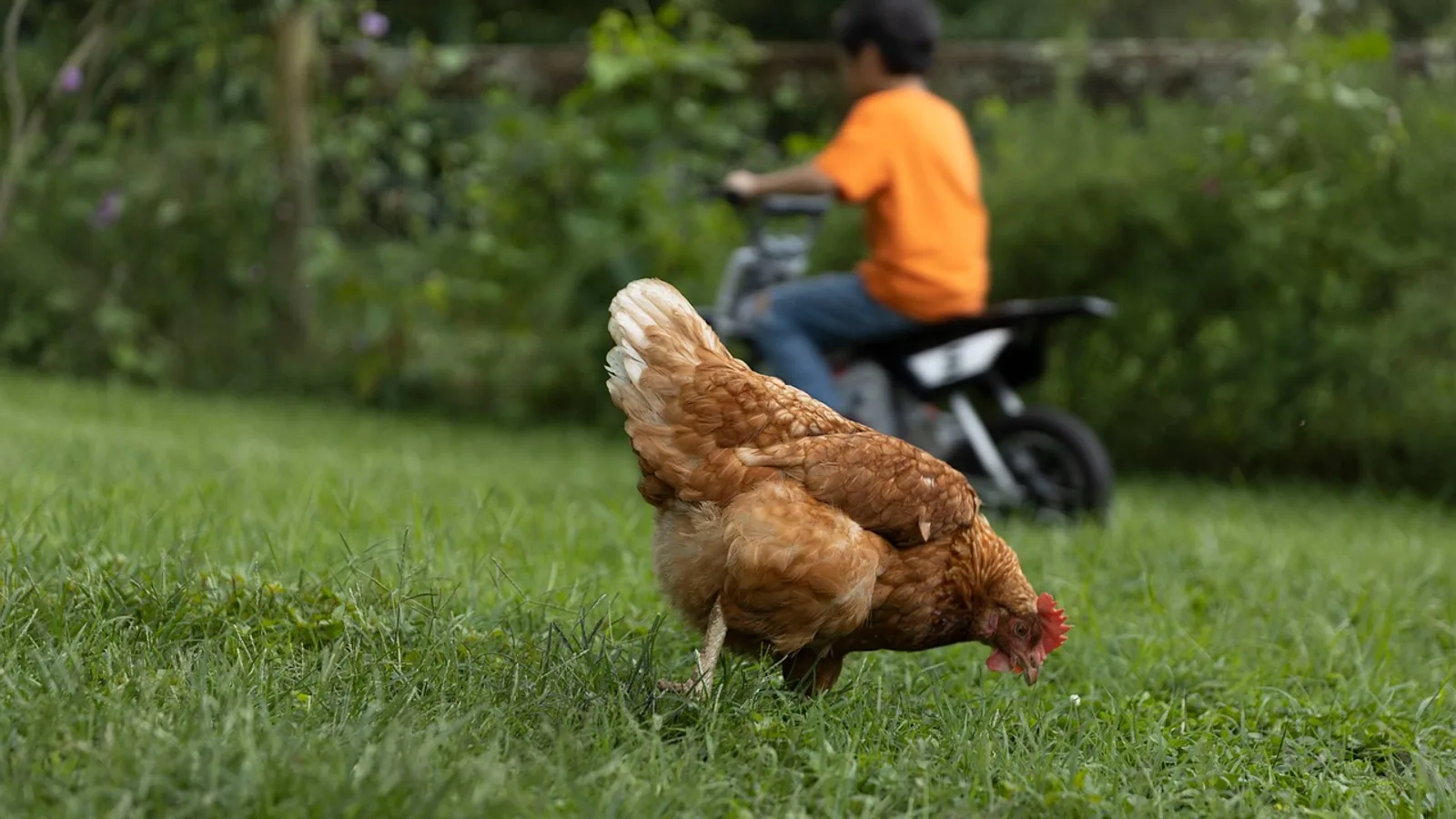
Yes, chickens can eat orange flesh. The juicy interior of a fresh orange is safe for backyard chickens when it is offered as an occasional treat in small amounts. The peel and the seeds are a different story. Orange peel contains concentrated essential oils, including limonene, that can irritate a chicken's digestive tract, and the hard, slick seeds pose a choking risk. The practical rule is simple: feed a small amount of peeled, seeded, chopped orange flesh, no more than 1 to 2 tablespoons per bird per week, and treat it as a garnish rather than a meal.
This guide explains what is safe, what to avoid, how to prepare an orange for your flock, how much to feed, and which mistakes cause the most problems. It also covers how chickens compare with ducks and turkeys, because owners who keep mixed flocks often ask whether the same rules apply.
This article is educational and is not a substitute for veterinary diagnosis or treatment.
At a Glance: Orange Safety for Chickens
| Part of the orange | Safe for chickens? | Why |
|---|---|---|
| Flesh (pulp) | Yes, in moderation | Provides water, some vitamin C, and sugars chickens can digest |
| Juice | Yes, in tiny amounts | Mostly water and sugar, no fiber, easy to overdo |
| Peel (rind and zest) | No | Concentrated essential oils such as limonene can cause digestive upset |
| Pith (white layer) | Avoid | Bitter, fibrous, and hard to digest, offers no benefit |
| Seeds | No | Choking hazard, and chickens gain nothing from them |
| Moldy or fermented fruit | Never | Mold toxins can cause serious illness |
Portion limit: 1 to 2 tablespoons of chopped orange flesh per bird per week.
Prep steps:
- Wash the orange under running water.
- Peel away the rind and the white pith.
- Cut the fruit open and remove every seed.
- Chop the flesh into small, bite-sized pieces.
- Scatter the pieces in a clean feeder or on the ground where you can watch the birds eat.
- Remove any leftovers within a few hours so they do not spoil.
Why Oranges Are a Treat, Not a Staple
A chicken's nutritional needs are met by a complete layer or grower feed, fresh water, and access to grit and calcium as appropriate. Treats are extras. They should never replace more than a small fraction of the daily ration. When treats crowd out balanced feed, egg production and shell quality can suffer, and the bird's overall condition declines.
Orange flesh fits into the treat category because it is mostly water and sugar with a modest amount of vitamin C and fiber. It is not a meaningful source of protein, calcium, or the amino acids a hen needs to build eggs. The value of an orange in a chicken's diet is variety and enrichment, not nutrition.
Commercial poultry research has looked at citrus by-products as feed additives, and the results are worth understanding because they explain why small amounts of citrus are fine while large amounts can backfire. A study on sweet orange peel extract added to broiler drinking water found that antibody responses to several vaccines increased in a dose-dependent manner, suggesting that citrus compounds can support immune function at controlled inclusion levels [1]. Other work on dried lemon citrus peel in aged laying hens found that moderate dietary inclusion improved egg production rates and feed conversion compared with a control diet [2]. These are formulated, measured inclusions in commercial diets, not handfuls of orange tossed into a coop. The lesson is that citrus bioactives can be beneficial at the right dose and disruptive at the wrong one.
A separate study that replaced part of the maize meal in broiler diets with orange and pineapple peels found that birds on the control diet performed better than birds on the peel-supplemented diets for several growth parameters [3]. That result reinforces the same point from the opposite direction: when citrus peel makes up a large share of the diet, performance can drop. Your backyard flock is not a broiler trial, but the principle holds. Keep citrus small.
What Makes Orange Flesh Safe
Orange flesh is safe because it is soft, wet, and low in the compounds that cause trouble in the peel. Chickens have a simple digestive system compared with ruminants. They grind food in the gizzard and absorb nutrients primarily in the small intestine. Soft fruit pulp passes through this system easily. The sugar content gives a quick energy bump, and the water content helps with hydration in hot weather.
The flesh also contains vitamin C and small amounts of other micronutrients. Chickens can synthesize vitamin C on their own, so they do not have a dietary requirement for it the way humans do. That means the vitamin C in an orange is a bonus, not a necessity. Do not feed oranges hoping to prevent or treat disease. Use them as a small, enjoyable addition to a varied treat routine.
Fiber from fruit can support gut motility in small amounts. A study in Tibetan pigs found that dietary citrus pomace at a 5 percent inclusion level improved intestinal villus height and digestive enzyme activity [4]. That is a pig study at a much higher inclusion level than anything you would feed a chicken, but it illustrates that citrus fiber is not inherently harmful to a monogastric digestive tract. The dose and the form matter.
Why Orange Peel and Seeds Should Be Avoided
Essential oils in the peel
The rind of an orange is where the fruit stores its aromatic oils. Limonene is the dominant compound, and it gives citrus peel its strong smell. In concentrated form, these oils are irritants. A chicken that eats a large amount of peel may develop a sour or upset stomach, loose droppings, and a drop in appetite. The oils can also affect the taste of eggs in extreme cases, though this is uncommon at the small amounts a backyard owner would feed.
Research on citrus peel in poultry diets has used dried, processed, and often fermented forms at measured inclusion rates. A study on fermented orange pulp in broilers found that fermentation improved oxidative stability of breast meat and that growth performance was not significantly affected at a 7 percent inclusion level [5]. Another study on dried sweet orange peel and lemongrass in broilers found no significant effect on body weight gain, feed intake, or feed conversion at 0.8 percent inclusion, though serum protein and globulin levels changed [6]. These are controlled, dried, and often fermented products. Fresh wet peel is a different material. It carries the oils in a more concentrated and volatile form, and it is far easier for a chicken to overeat because it is a novel, brightly colored object.
Choking and impaction risk from seeds
Orange seeds are small, hard, and slippery. A chicken that swallows one whole may have it pass through without incident, but a bird that gulps several can experience a blockage. The risk is highest in small breeds, bantams, and chicks. Seeds also carry no nutritional value for the bird, so there is no reason to leave them in. Remove every seed before the fruit goes into the coop.
Mold and spoilage
Citrus fruit can grow mold, especially if it has been sitting in a fruit bowl for weeks or if it was dropped on the ground and forgotten. Moldy fruit should never be fed to any animal. Some molds produce mycotoxins that can cause liver damage, neurological signs, and death. If an orange has soft brown spots, a fuzzy surface, or a fermented smell, throw it in the compost, not the coop.
How Much Orange Can a Chicken Have?
The safe treat amount is 1 to 2 tablespoons of chopped orange flesh per bird per week. That is roughly one or two small wedges, depending on the size of the fruit and the size of the bird. A standard-size hen can handle the upper end of that range. A bantam or a young pullet should get closer to 1 tablespoon or less.
Spread the treat across the week rather than offering it all at once. A single large serving of citrus can cause loose droppings in a bird that is not used to it. Start with a teaspoon for a new flock and watch the droppings for 24 hours. If everything looks normal, you can work up to the full weekly allowance over the next few weeks.
Treats in general should stay under about 10 percent of a chicken's daily caloric intake. For a hen eating roughly 4 to 5 ounces of complete feed per day, that leaves very little room. One tablespoon of orange is a reasonable slice of that treat budget. Two tablespoons is the ceiling, not the target.
Step-by-Step: How to Prepare an Orange for Your Flock
- Choose a fresh, firm orange. Avoid fruit with soft spots, mold, or a fermented smell. A fruit that is past its prime for your kitchen is past its prime for the coop.
- Wash the outside. Even though you will remove the peel, washing reduces the chance that surface contaminants transfer to the flesh when you cut.
- Peel the orange completely. Remove the rind and the white pith. The pith is bitter and fibrous and offers no benefit.
- Cut the fruit into segments or slices. This exposes the seeds so you can find them.
- Remove every seed. Run your thumb along each segment and pick out the seeds by hand. Do not rely on the birds to spit them out.
- Chop the flesh into small pieces. Pieces about the size of a pea or a small bean are easy for chickens to pick up and swallow. Large chunks invite competition and gulping.
- Offer the pieces in a clean dish or scatter them on clean ground. Do not toss them into dirty bedding where they will pick up droppings and bacteria.
- Watch the flock eat. This lets you confirm that every bird gets a share and that no bird is gulping too fast.
- Remove leftovers within a few hours. Fruit left out in warm weather attracts flies and grows bacteria.
- Note the date. If you feed citrus once a week, pick a fixed day so you do not accidentally double up.
Equipment and Supplies That Help
You do not need special equipment to feed an orange, but a few basic items make the job cleaner and safer.
- A sharp paring knife or a small cutting board. A clean cut exposes seeds and makes chopping even.
- A shallow, easy-to-clean treat dish. Ceramic or stainless steel dishes are easy to sanitize. Avoid deep bowls where pieces can pile up and spoil at the bottom.
- A compost bucket with a lid. Peel, pith, and seeds go in the compost, not the coop. A lidded bucket keeps flies and rodents away.
- Disposable gloves if you prefer. Citrus oil can irritate skin, and gloves keep the process tidy.
- A calendar or a note on your phone. A weekly treat schedule prevents overfeeding.
Selection criteria for the fruit itself are simple. Choose oranges that are heavy for their size, with tight, unbroken skin and no soft spots. Organic versus conventional matters less for the chicken than freshness does. If you would not eat it, do not feed it.
Common Mistakes Owners Make
Feeding the whole orange. The peel and seeds are the problem parts. A whole orange dropped into a coop invites the flock to eat the rind and swallow seeds.
Feeding citrus every day. Daily citrus is too much. Once a week is plenty, and less often is fine.
Using orange as a treatment for illness. Oranges do not treat respiratory infections, worms, or any other condition. If a bird is sick, contact a veterinarian.
Leaving fruit in the coop. Leftover fruit ferments, attracts pests, and grows mold. Remove it within a few hours.
Feeding moldy or fermented fruit. This is one of the most dangerous mistakes. Mold toxins can be fatal.
Assuming all citrus is the same. Different citrus fruits have different oil profiles and different sugar levels. This guide is about oranges. If you want to feed another citrus fruit, research that fruit separately.
Letting one bird dominate the treat. In a flock, the top hen may eat most of the orange while lower-ranked birds get nothing. Scatter pieces across a wide area so every bird has a chance.
Forgetting that chicks are different. Young birds have smaller digestive tracts and a higher choking risk. Keep citrus away from chicks until they are grown.
What Happens If a Chicken Eats Too Much Orange
The most common consequence of overfeeding orange flesh is loose droppings. The sugar and water content can pull fluid into the gut and produce a temporary change in droppings. This usually resolves on its own within a day once the treat is removed.
If a chicken eats a large amount of peel, the essential oils can cause more pronounced digestive upset. You may see reduced appetite, lethargy, and watery droppings. Offer fresh water and the normal complete feed, and withhold all treats until droppings return to normal. If the bird stops eating, becomes dull, or shows neurological signs, contact a veterinarian.
If a chicken swallows a seed and appears to be in distress, do not attempt to reach into the throat. Chickens have a narrow oral cavity and a fragile airway, and a finger can push the seed deeper. Contact a veterinarian immediately.
Citrus is not known to be acutely toxic to chickens at the amounts a backyard owner would feed. The concern is cumulative irritation and the indirect effect of filling a bird up on low-nutrient food. A hen that eats too much fruit eats less feed, and that shows up in egg production and shell quality over time.
Citrus in Poultry Nutrition Research
Poultry scientists have studied citrus by-products extensively because the juice industry produces enormous amounts of peel and pulp waste. The goal of that research is to find safe ways to use that waste in commercial feed. Understanding the findings helps backyard owners calibrate their own expectations.
A study on sweet orange peel extract in broiler drinking water found that antibody titers to Newcastle disease, avian influenza, infectious bursal disease, and infectious bronchitis vaccines rose in a dose-dependent manner, and immunoglobulin G and M levels increased [1]. The same study found no effect on spleen or bursa weights. This suggests that citrus bioactives can modulate the immune system without harming lymphoid organs at the doses tested.
A study on dried lemon citrus peel in spent laying hens found that birds receiving 15 or 20 grams per kilogram of peel in the diet produced significantly more eggs than control birds, and feed conversion ratios improved [2]. The hens in that study were at the end of their production life, a stage when egg production naturally declines. The result is interesting but not directly transferable to a backyard hen eating a handful of fresh orange.
A study on Tahiti lemon residue in slow-growing chickens found that high inclusion levels during the starter phase reduced body weight and weight gain, but inclusion up to 6 percent during the grower-finisher phase did not impair performance, carcass yield, or organ development [7]. Higher inclusion levels improved meat color and aroma. This study shows that young birds are more sensitive to citrus in the diet than older birds, which matches the common-sense advice to keep citrus away from chicks.
A study on orange and pineapple peels in broiler diets found that the control group outperformed the peel-supplemented groups on several growth parameters, though birds on a mixed peel diet had higher dry matter and nitrogen-free extract digestibility than controls [3]. The mixed message here is that peel can be digested but does not necessarily improve growth.
A study on fermented orange pulp in broilers found that fermentation improved oxidative stability of breast meat and that growth performance was largely unaffected at 7 percent inclusion [5]. Fermentation changes the chemistry of the peel, reducing some of the compounds that cause irritation. This is why fermented citrus products perform differently from fresh peel.
A study on citrus pomace in Tibetan pigs found that 5 percent inclusion improved intestinal morphology and digestive enzyme activity but also shifted the colonic microbiota, decreasing Lactobacillaceae and increasing Streptococcaceae [4]. That is a reminder that citrus can change the gut environment in ways that are not always predictable.
The through-line in all of this research is dose and form. Small amounts of processed citrus can support health and performance. Large amounts of raw citrus, especially peel, can cause problems. Backyard owners should treat fresh orange as a small treat, not a supplement.
Chickens Compared With Ducks and Turkeys
Owners with mixed flocks often want to know whether the same citrus rules apply across species. The answer is that the rules are similar in principle but differ in detail.
Chickens. Chickens tolerate small amounts of orange flesh well. They are more sensitive to peel oils than ducks, partly because they are smaller and partly because their foraging behavior leads them to peck at anything bright and novel. Keep peel and seeds away from chickens entirely.
Ducks. Ducks have a different digestive anatomy, including a bill that filters food and a crop that handles wet, bulky items well. They can often handle slightly more fruit than chickens, and they tend to eat more water-rich foods naturally. The same caution about peel oils applies. Ducks are also messier eaters, so fruit left in a water dish spoils quickly. Remove leftovers promptly.
Turkeys. Turkeys are larger and can physically handle bigger pieces of fruit, but they are also more prone to digestive upset from sudden diet changes. A turkey that has never eaten citrus should start with a very small amount. The choking risk from seeds is lower in turkeys because of their size, but the oil irritation risk from peel is similar.
Across all three species, the safe parts and the unsafe parts are the same. Flesh is fine in moderation. Peel and seeds are not. The portion size scales with body weight, so a turkey can have a bit more than a chicken, and a duck can have a bit more than a bantam hen. When in doubt, feed less.
Welfare and Safety Points
Feeding treats is a form of enrichment, and enrichment supports welfare. A flock that gets a novel food item once a week has something to investigate, peck, and compete over. That is good for behavioral health as long as the competition does not become aggressive.
Watch for bullying around treat time. If one bird chases others away, scatter the pieces over a wide area or use multiple feeding stations. A hen that is repeatedly denied food by a flockmate may need to be fed separately.
Keep the treat area clean. Fruit residue attracts flies, ants, and rodents. A coop that smells of rotting fruit is a coop with a pest problem waiting to happen.
Store oranges in a cool, dry place away from the coop. Do not store them in the same bin as your chicken feed, because the smell can attract pests to the feed.
If you have children who help with the flock, teach them the prep steps. A child who knows to remove seeds and peel is a child who will not accidentally harm a bird.
When a Veterinarian Is Needed
Most cases of citrus overfeeding resolve with a day of rest and fresh water. Contact a veterinarian if any of the following occur:
- The bird stops eating for more than 24 hours.
- Droppings remain watery or bloody for more than a day after treats are removed.
- The bird shows neurological signs such as head tilting, circling, or tremors.
- The bird appears to be choking, gasping, or extending the neck repeatedly.
- The bird becomes lethargic, fluffs up, and separates from the flock.
- Egg production drops sharply and does not recover within a week.
- You suspect the bird ate moldy fruit.
- The bird has a history of digestive disease or is under treatment for another condition.
A veterinarian with poultry experience can examine the bird, assess hydration and body condition, and determine whether the problem is dietary or something else. Do not assume that a sick bird is sick because of the orange. Many chicken illnesses look similar at the start, and a treat is an easy thing to blame.
Limitations and When to Contact a Veterinarian
This article gives general guidance for healthy backyard chickens. Individual birds vary in tolerance, and a bird with an underlying digestive, liver, or metabolic condition may react differently to citrus than a healthy flockmate. The portion guidance here is a starting point, not a prescription. If your bird has a diagnosed health condition, is on medication, or is recovering from illness, ask your veterinarian before adding any new treat to the diet.
Contact a veterinarian promptly if a bird shows signs of choking, if droppings stay abnormal after treats are removed, if appetite does not return within a day, or if you suspect mold exposure. Do not wait for a bird to recover on its own when the signs are severe.
Frequently Asked Questions
Can chickens eat oranges every day?
No. Orange flesh should be a weekly treat, not a daily food. The recommended limit is 1 to 2 tablespoons per bird per week. Daily citrus can crowd out balanced feed and cause digestive upset.
Is orange peel safe for chickens?
No. Orange peel contains concentrated essential oils, including limonene, that can irritate the digestive tract and cause loose droppings or appetite loss. Remove the peel and the white pith before feeding.
Can chickens eat orange seeds?
No. Orange seeds are a choking hazard, especially for small breeds and chicks, and they offer no nutritional value. Remove every seed before the fruit goes to the flock.
How much orange can I give my chickens?
Give no more than 1 to 2 tablespoons of chopped orange flesh per bird per week. Start with a teaspoon for a flock that has never had citrus and increase slowly if droppings stay normal.
Can chicks eat oranges?
Chicks should not eat oranges. Young birds have smaller digestive tracts and a higher choking risk from seeds. Wait until birds are grown before offering citrus as a treat.
Do oranges affect egg production?
A small weekly treat does not affect egg production. Large amounts of citrus or citrus peel can reduce feed intake and may lower egg production over time. Keep the portion small and the complete feed available at all times.
Can ducks and turkeys eat oranges?
Yes, ducks and turkeys can eat orange flesh in moderation, following the same rules as chickens. Peel and seeds should be avoided for all three species. Portion size scales with body weight.
What should I do if my chicken ate orange peel?
Remove all remaining peel and offer fresh water and complete feed. Watch the droppings for 24 hours. If the bird stops eating, becomes lethargic, or shows neurological signs, contact a veterinarian.
Related Articles
- Can Dogs Eat Oranges
- Can Dogs Eat Oranges? Citric Acid & Sugar Limits
- Safe Veggies For Dogs To Eat
- Can Dogs Eat Mulberries? Safe Portions Guide
- Safe Human Foods For Dogs To Eat
- What Kind Of Vegetables Are Safe For Dogs To Eat
- Can Chickens Eat Strawberries? Safe Feeding Guide
- Can Chickens Eat Carrots? Safe Feeding Guide
- Can Dogs Eat Black Beans? Safe Feeding Guide
Sources
- Effect of different levels of dietary sweet orange (Citrus sinensis) peel extract on humoral immune system responses in broiler chickens.
- Effect of dietary lemon citrus peel as a natural feed additive on egg yield and quality parameters in spent laying hens.
- Response of broiler chickens to pineapple and orange-based diets under a single-phase feeding.
- Effects of Long-Term Dietary Inclusion of Citrus Pomace on Growth Performance, Intestinal Morphology, Digestive Enzyme Activity, Antioxidant Status, and Colonic Microbiota in Tibetan Pigs.
- Valorization of fermented orange pulp as a sustainable feed ingredient: Impacts on broiler growth, immune system, meat quality and lipid oxidation.
- Effect of feeding dried sweet orange (Citrus sinensis) peel and lemon grass (Cymbopogon citratus) leaves on growth performance, carcass traits, serum metabolites and antioxidant status in broiler during the finisher phase.
- Unlocking the value of citrus waste: a sustainable feeding strategy for slow-growing chickens enhancing performance, meat traits, and profitability.