Ruminant Animal Definition: Digestive Anatomy
By Dr. Zubair Khalid, DVM, MS, PhD ·
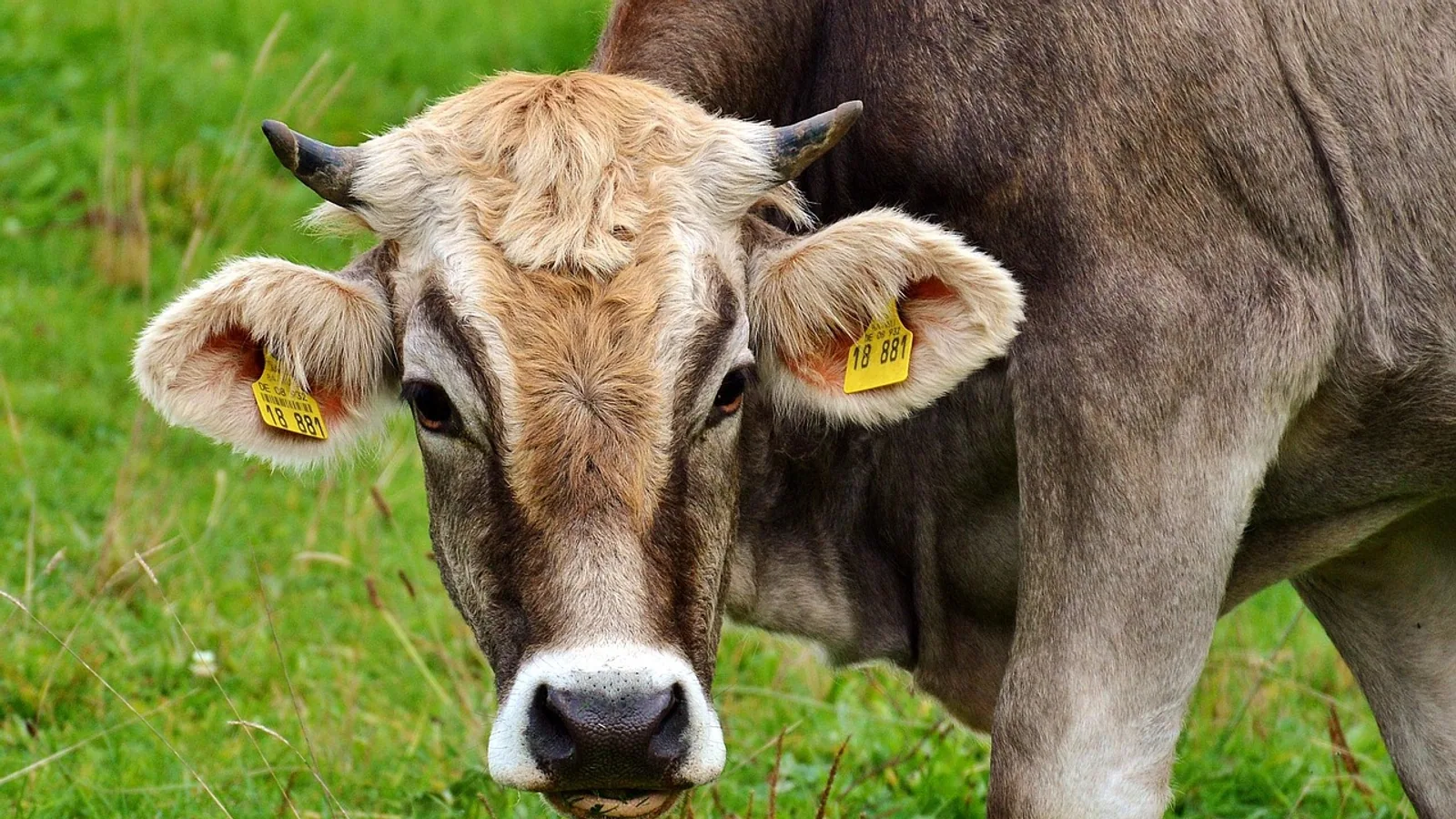
A ruminant is a mammal that has a four-chambered stomach (rumen, reticulum, omasum, and abomasum) and relies on foregut microbial fermentation to digest plant fiber. The first three chambers are non-glandular fermentation vats, while the fourth chamber, the abomasum, is the true glandular stomach that secretes acid and enzymes.
That single sentence separates ruminants from nearly every other herbivore a veterinarian will see. A horse eats the same grass but ferments it at the far end of the gut. A camel chews a cud and looks ruminant, but its stomach has three chambers, not four. Knowing which animal sits in which category changes how you interpret colic, bloat, rumen pH, reflux, and drug absorption. It also determines why a cow can turn straw into milk and a dog cannot.
This article defines ruminants, walks through the four chambers in order, explains rumination and eructation, compares cattle, sheep, goats, deer, and camelids, and covers the clinical problems that follow when fermentation goes wrong. This article is educational and is not a substitute for veterinary diagnosis or treatment.
The Definition of a Ruminant Animal
The definition of a ruminant animal rests on two anatomical and functional criteria. First, the stomach is divided into four distinct compartments. Second, the site of microbial fermentation is the foregut, meaning fermentation happens before the stomach proper and before the small intestine. The animal feeds a continuous culture of bacteria, protozoa, fungi, and archaea that break down cellulose the host cannot digest on its own.
True ruminants belong to the order Artiodactyla, suborder Ruminantia. The three families that matter most in veterinary and wildlife practice are Bovidae (cattle, sheep, goats, bison, antelope), Cervidae (deer, elk, moose), and Giraffidae (giraffe, okapi). All are even-toed ungulates with a four-chambered stomach.
Two groups are commonly confused with ruminants. Camelids (camels, llamas, alpacas, vicuñas, guanacos) belong to the suborder Tylopoda. They chew a cud and have a three-chambered stomach, not four. Horses, rabbits, and guinea pigs are hindgut fermenters. They have a simple glandular stomach and a large fermentation chamber (the cecum and colon) located after the small intestine. That difference in fermentation site is the single most useful discriminator in comparative nutrition.
Why the Definition Matters
Fermentation site drives almost everything downstream. Foregut fermenters harvest microbial protein when the microbes pass into the abomasum and small intestine, so they recover much of the protein the microbes synthesize. Hindgut fermenters lose most of that microbial protein in the feces because the fermentation chamber sits past the small intestine. A ruminant can therefore thrive on low-protein forage that would starve a horse. The trade-off is that the rumen is a fragile, pH-sensitive, anaerobic environment that can fail catastrophically, which is why bloat and acidosis are emergencies.
The Four-Chambered Stomach, Chamber by Chamber
The stomach of a ruminant is a single organ divided into four compartments arranged in series. Ingesta flows rumen to reticulum to omasum to abomasum. The first three are often grouped as the forestomach, and all three are lined by stratified squamous epithelium without glands.
Rumen
The rumen is the largest compartment, occupying most of the left side of the abdomen in cattle. In a mature cow it holds well over 100 liters, and in a sheep roughly 10 to 20 liters. Its lining is covered in papillae, finger-like projections that dramatically increase surface area for absorption of volatile fatty acids. The rumen is a strictly anaerobic, near-neutral environment, typically held around pH 6 to 7 on a forage diet.
The rumen is the primary fermentation vat. Microbes there break down cellulose, hemicellulose, starch, and protein. The products the host absorbs are volatile fatty acids (VFAs), chiefly acetate, propionate, and butyrate. These VFAs supply the majority of the ruminant's energy. A study in goats found that adult animals had significantly higher concentrations of dissolved methane, dissolved hydrogen, and total short-chain fatty acids, including acetate, propionate, and butyrate, than young goats [1]. That age-related shift reflects rumen maturation, when the microbial community stabilizes and fermentation capacity rises.
Rumen function is also a systemic issue, not a local one. Heat stress reshapes rumen microbiota through direct thermal sensing, host neuroendocrine regulation, and disturbance of the ruminal microenvironment, which impairs fermentation homeostasis and epithelial barrier integrity and can trigger endotoxin translocation [2]. The rumen and the host communicate bidirectionally through a neuro-endocrine-immune network, so a rumen problem becomes a whole-body problem [2].
Reticulum
The reticulum is the smallest compartment and sits cranially, just behind the diaphragm and adjacent to the heart. Its lining forms a honeycomb pattern of ridges. The reticulum and rumen share an opening, so they function largely as one unit, the reticulo-rumen. The reticulum is the site where heavy or metallic objects settle, which is why traumatic reticuloperitonitis (hardware disease) develops when a swallowed wire penetrates the reticulum wall toward the pericardium.
The reticulum also participates in the regurgitation reflex that drives rumination. Contractions of the reticulum and rumen move a bolus of ingesta back up the esophagus.
Omasum
The omasum, sometimes called the manyplies, sits between the reticulum and abomasum. Its lining carries many parallel folds, or laminae, that look like the pages of a book. The omasum absorbs water, minerals, and some VFAs, and it grinds and filters ingesta before it passes to the abomasum. It is the smallest of the four compartments in a mature animal but is proportionally large in the newborn.
A study of the compound stomach in intensively farmed yaks sampled chyme from all four chambers and found that microbial diversity was highest in the reticulum, with Bacteroidota and Firmicutes as the dominant phyla and Rikenellaceae_RC9_gut_group as the dominant genus [3]. That study also showed the microbiota of the four chambers vary spatially and interact with bile acid metabolism, which reinforces that each compartment is a distinct microenvironment rather than a passive pipe.
Abomasum
The abomasum is the true glandular stomach. It is the only chamber with gastric glands, and it secretes hydrochloric acid and pepsinogen, exactly as the monogastric stomach does. In the adult, the abomasum is acidic, with a pH typically around 2 to 4. In the pre-ruminant calf, the abomasum is the largest and most functional compartment, because the calf is essentially a monogastric animal drinking milk until the rumen develops.
The abomasum is where the microbial protein and undigested feed that leave the omasum meet acid and enzymes before entering the small intestine. The abomasum is also the chamber involved in displaced abomasum, a common postpartum problem in dairy cattle.
Rumen Development in the Calf
A newborn ruminant is not yet a functional fermenter. At birth the abomasum is the dominant compartment, and the rumen and reticulum are small and undeveloped. The esophagus carries a muscular groove called the reticular groove (esophageal groove) that, when closed by the suckling reflex, channels milk directly past the rumen and reticulum into the omasum and abomasum. This prevents milk from fermenting in the rumen, which would cause digestive upset.
The rumen grows and its papillae develop as the calf begins eating solid feed and as VFAs, particularly butyrate and propionate, stimulate the rumen epithelium. Prenatal growth studies in sheep show that the gastric chambers increase in diameter more slowly than in length, and that the muscular tunic of all compartments develops faster than the compartment walls themselves [4]. In practical terms, a calf weaned onto grain and forage early develops a functional rumen sooner than a calf held on milk alone.
Rumination: How Cud Chewing Works
Rumination is the process of regurgitating partially fermented ingesta, rechewing it, and reswallowing it. It is a defining behavior of true ruminants and camelids. The cycle has four steps.
- Regurgitation. A bolus of ingesta is pushed back up the esophagus into the mouth by a coordinated contraction of the reticulum and rumen.
- Rechewing. The animal chews the bolus, reducing particle size and mixing it with saliva.
- Reinsalivation. Saliva is produced in large volumes and buffers rumen pH. Ruminant saliva is rich in bicarbonate and phosphate.
- Reswallowing. The bolus is swallowed and re-enters the rumen for further fermentation.
Rumination reduces particle size so microbes can access more surface area, and it increases saliva flow, which buffers the acids fermentation produces. A healthy cow spends roughly 6 to 8 hours a day ruminating, usually while resting. Absence of rumination is a clinical red flag for acidosis, bloat, or systemic illness.
Microbial Fermentation and Volatile Fatty Acid Production
Fermentation is the engine of ruminant nutrition. Microbes in the rumen break down plant polymers the host cannot digest. Fibrolytic bacteria, anaerobic fungi, and ciliate protozoa degrade carbohydrate and generate hydrogen as a byproduct [5]. That hydrogen must be continuously removed to keep fermentation thermodynamically favorable.
The main end products absorbed by the host are the volatile fatty acids.
- Acetate is the most abundant VFA on a forage diet and is a precursor for milk fat synthesis.
- Propionate is a major glucose precursor through gluconeogenesis and rises when starch or grain is fed.
- Butyrate is a primary energy source for rumen epithelial cells and supports papillae development.
The acetate-to-propionate ratio is a practical index of fermentation pattern. Diets high in forage favor acetate, while diets high in concentrate favor propionate. A study in dairy cows found that humic substance supplementation increased ruminal pH and raised the acetate-to-propionate ratio from 2.56 to 3.46, while ammonia concentrations decreased [6]. A study in goats found that moderate barley inclusion increased ruminal propionate concentration and enriched the fiber-degrading bacterium Prevotella, whereas total barley replacement reduced microbial diversity and depleted fibrolytic and hydrogenotrophic genera [7]. These results show how tightly diet, microbial community, and VFA profile are linked.
Hydrogen disposal is the other half of the equation. Methanogenic archaea consume hydrogen and produce methane, which keeps the fermentation pathways thermodynamically feasible [5]. Methanogenesis is not a single isolated pathway but an emergent property of syntrophic microbial interactions that govern hydrogen flux [5]. This is why methane mitigation strategies target hydrogen balance rather than a single microbe.
Eructation: Getting Rid of Gas
Eructation is the controlled release of fermentation gas, mainly carbon dioxide and methane, from the rumen through the esophagus and out the mouth. A ruminant produces large volumes of gas every hour, and it must be expelled continuously. Eructation is a reflex coordinated with rumen contractions.
If eructation fails, gas accumulates and the rumen distends. That is bloat, a life-threatening emergency in cattle. Bloat is most common on lush legume pasture or high-grain diets that produce stable foam, which traps gas in the rumen fluid so it cannot be eructated. Left untreated, bloat compresses the diaphragm and impairs breathing and circulation.
Comparison Table: Stomach Chambers, Fermentation Site, and Diet
| Animal | Stomach chambers | Fermentation site | Typical diet | Key note |
|---|---|---|---|---|
| Cattle (Bovidae) | 4 (rumen, reticulum, omasum, abomasum) | Foregut (rumen) | Grazing and forage, often supplemented with concentrate | Rumen volume is large, bloat and acidosis are major risks |
| Sheep (Bovidae) | 4 | Foregut (rumen) | Grazing, browse, forage | Smaller rumen, similar physiology, sensitive to copper |
| Goats (Bovidae) | 4 | Foregut (rumen) | Browse and forage, highly selective | Efficient browsers, tolerate a wide range of plant material |
| Deer (Cervidae) | 4 | Foregut (rumen) | Browse, forage, seasonal | Concentrate selectors, rumen adapts to seasonal feed quality |
| Camelids (Tylopoda) | 3 | Foregut (forestomach) | Browse and coarse forage | Chew cud but are not true ruminants, different chamber anatomy |
The table captures the practical rule. Four chambers and a rumen mark a true ruminant. Three chambers and a forestomach mark a camelid. A simple stomach with a large cecum marks a hindgut fermenter.
How Ruminant Digestion Is Observed and Tested in Practice
Several routine methods let a clinician or researcher assess rumen function.
- Rumen fluid collection. Rumen fluid can be collected by oral stomach tube or by rumenocentesis in cattle, and by rumen cannula in research settings. A study of lactating dairy cows used the oral stomach tube technique to sample rumen fluid for VFA analysis [8].
- Rumen pH. A pH below roughly 5.5 to 5.6 sustained over time indicates subacute ruminal acidosis. Rumen pH is measured with a portable meter or pH strip on fresh fluid.
- VFA analysis. Gas chromatography or similar methods quantify acetate, propionate, butyrate, and minor VFAs. The acetate-to-propionate ratio is reported alongside total VFA concentration.
- Ammonia nitrogen. Ruminal ammonia nitrogen reflects protein degradation and microbial efficiency. A study of sesame seed meal substitution found ammonia nitrogen declined linearly as substitution increased [9].
- In vitro fermentation. The ANKOM RF system and similar gas-production systems measure total gas, methane, and carbon dioxide from rumen liquor incubated with a substrate, which allows rapid screening of feed additives [9][10].
- Microbiota sequencing. 16S rRNA gene sequencing profiles bacterial communities in rumen, reticulum, omasum, and abomasum samples and links community structure to fermentation outcomes [3].
These methods are used together. A pH reading alone tells you acidosis is present. VFA and microbiota data tell you why.
Comparative and Clinical Relevance
The anatomy of the ruminant stomach explains a set of clinical problems that have no direct equivalent in monogastric animals.
Ruminal Acidosis
When ruminants eat too much rapidly fermentable carbohydrate, lactate-producing bacteria bloom, pH falls, and the rumen epithelium is damaged. This is ruminal acidosis. It reduces feed intake, depresses milk fat, and can progress to laminitis and systemic inflammation. The acetate-to-propionate ratio falls, and propionate rises. A study in feedlot lambs examined physically effective neutral detergent fiber from forage and found that lambs fed higher levels of physically effective fiber had greater intake of dry matter, organic matter, crude protein, neutral detergent fiber, acid detergent fiber, and ether extract [11]. Adequate physically effective fiber supports chewing, saliva flow, and a stable rumen mat, which buffers against acidosis.
Bloat
Bloat results from failed eructation, as described above. It is a mechanical and dietary problem rooted in the anatomy of the reticulo-rumen and the physiology of gas release.
Displaced Abomasum
The abomasum can displace to the left or right, most often after calving in dairy cows. Because the abomasum is the glandular chamber and is normally positioned ventrally, displacement alters flow and causes clinical signs. This condition is unique to the anatomy of the four-chambered stomach.
Traumatic Reticuloperitonitis
The reticulum sits next to the diaphragm and heart. A swallowed sharp object can penetrate the reticulum wall and migrate, causing localized or diffuse peritonitis and sometimes pericarditis. This is a direct consequence of reticulum position.
Parasitic Disease
The rumen is the predilection site for paramphistomes, the ruminal flukes. An abattoir survey found a prevalence of paramphistomosis of 49.74% in screened ruminants, with host sex and age significantly associated with infection magnitude, and infected rumens showed significantly reduced epithelial integrity [12]. This is a reminder that the rumen is an organ with its own pathology, not just a fermentation tank.
Heat Stress and the Rumen
Heat stress impairs rumen fermentation and epithelial barrier integrity, and it drives systemic oxidative stress, immune dysfunction, and chronic low-grade inflammation through the neuro-endocrine-immune network [2]. Nutritional strategies, including vitamin premixes, have been studied for their effects on rumen fermentation and stress biomarkers in cattle under high temperature-humidity conditions [13]. This illustrates that rumen health and whole-animal health are inseparable.
Feed Additives and Rumen Modulation
A large body of work examines how feed additives shift rumen fermentation. Moringa oleifera leaf extract supplementation has been reported to increase volatile fatty acid production, especially propionate, and to regulate rumen pH stability while selectively promoting microbial diversity [14]. Tannin-containing additives and nitrate-based additives reduce methane yield in in vitro systems, with a composite additive lowering methane from 32.00 to 20.15 mL/g dry matter at 4% inclusion [10]. Hydrolysable tannin at 40 g/kg dry matter reduced methane by 50.0% at 24 hours in a corn silage study, accompanied by a higher propionate proportion and a lower acetate-to-propionate ratio [15]. These findings matter clinically because they show the rumen is a modifiable ecosystem, and because they explain why some additives improve efficiency while others impair fiber digestion at high doses.
Hindgut Fermenters and Camelids: The Main Confusions
The most common student error is treating every cud-chewing, plant-eating mammal as a ruminant. Two corrections are essential.
Camelids are not true ruminants. They belong to Tylopoda and have a three-chambered stomach. They do ruminate and they do ferment in the foregut, so they share the functional strategy, but the anatomy differs. This matters for drug dosing, surgery, and comparative anatomy exams.
Hindgut fermenters are not ruminants at all. Horses, rabbits, and guinea pigs have a simple glandular stomach and a large cecum or colon where fermentation occurs after the small intestine. They cannot recover microbial protein efficiently, they do not ruminate, and they do not eructate in the ruminant sense. A horse with colic and a cow with bloat are different diseases in different organs.
A second common error is assuming the rumen is the stomach. The rumen is a forestomach compartment, not the glandular stomach. The abomasum is the true stomach. Students who forget this misread the anatomy of the displaced abomasum and misunderstand why abomasal pH is acidic while rumen pH is near neutral.
A third error is treating the four chambers as independent organs. They are one organ with four regions, and they function as a series. The reticulo-rumen acts as a unit, the omasum filters, and the abomasum digests. Microbiota differ by chamber, with the highest diversity reported in the reticulum in yaks [3], so the compartments are not interchangeable.
Quick Review
- A ruminant is a mammal with a four-chambered stomach and foregut fermentation.
- The four chambers are the rumen, reticulum, omasum, and abomasum.
- The abomasum is the true glandular stomach and the only acid-secreting chamber.
- True ruminants include Bovidae, Cervidae, and Giraffidae.
- Camelids have three chambers and are not true ruminants.
- Horses and rabbits are hindgut fermenters, not ruminants.
- Rumination, VFA production, and eructation are the three functional pillars of ruminant digestion.
Clinical Relevance, Limitations and Common Mistakes
The clinical relevance of ruminant anatomy is direct. Bloat, acidosis, displaced abomasum, traumatic reticuloperitonitis, and ruminal fluke infection all follow from the structure and function described here. Recognizing the four-chambered stomach and the foregut fermentation strategy lets a clinician predict which diseases are possible in which species.
Limitations exist. Individual animals vary in rumen volume, microbial community, and tolerance to diet change. A single pH reading or VFA panel is a snapshot, not a diagnosis. Rumen fluid collection technique, time since feeding, and diet all affect results. Individual cases need a veterinarian for diagnosis and treatment.
Common mistakes to avoid:
- Calling a camelid a true ruminant. It has three chambers.
- Calling a horse a ruminant. It is a hindgut fermenter.
- Calling the rumen the stomach. The abomasum is the glandular stomach.
- Assuming all four chambers do the same job. Each has a distinct role and distinct microbiota.
- Ignoring eructation. Failure of gas release is an emergency, not a minor issue.
Frequently Asked Questions
What is a ruminant animal?
A ruminant is a mammal with a four-chambered stomach and foregut fermentation. The chambers are the rumen, reticulum, omasum, and abomasum, and the abomasum is the true glandular stomach.
What are the four chambers of a ruminant stomach?
The four chambers are the rumen, reticulum, omasum, and abomasum. The first three are non-glandular forestomach compartments, and the abomasum secretes acid and enzymes.
Are camelids true ruminants?
No. Camelids such as llamas and alpacas have a three-chambered stomach and belong to the suborder Tylopoda. They chew a cud and ferment in the foregut, but they are not true ruminants.
What is the difference between a ruminant and a hindgut fermenter?
A ruminant ferments plant fiber in the foregut before the small intestine, which lets it absorb microbial protein. A hindgut fermenter such as a horse ferments fiber in the cecum and colon after the small intestine, so most microbial protein is lost in feces.
What is rumination?
Rumination is the regurgitation, rechewing, reinsalivation, and reswallowing of partially fermented ingesta. It reduces particle size and increases saliva flow, which buffers rumen pH.
Why is eructation important in ruminants?
Eructation releases fermentation gas, mainly carbon dioxide and methane, from the rumen. If eructation fails, gas accumulates and causes bloat, which can be life-threatening.
Related Articles
- Ruminant Digestive Anatomy and Physiology: A Clinical Reference
- Equine Digestive System: Anatomy and Physiology of the Hindgut
- Comparative Anatomy of the Ruminant and Equine Eye
- Abdominal Radiographic Positioning and Normal Anatomy in Small Animals
- Preventing Digestive Problems in Farmed Rabbits
- Equine Digestive Physiology: Cecum and Colon Fermentation
- Chordata Phylum: Key Characteristics and Classes
- Proto Mammals: Synapsids and Mammal-Like Reptiles
- Arrector Pili Muscle: Function in Animals
Sources
- Age-related shifts of dissolved hydrogen and its impact on rumen fermentation dynamics and microbial communities in goats (Capra hircus).
- Rumen-host crosstalk: an amplifier of systemic pathology in heat-stressed ruminants.
- Exploring the Spatial Variation in the Microbiota and Bile Acid Metabolism of the Compound Stomach in Intensively Farmed Yaks.
- [[Mathematical models applied to the growth of the ovine stomach during intrauterine life].](https://pubmed.ncbi.nlm.nih.gov/8346812/)
- Hydrogen flux and microbial interactions governing methane formation in the rumen: Implications for mitigation.
- Effect of dietary humic substances on rumen fermentation, blood parameters, immune function, milk composition, and mammary health in periparturient dairy cows.
- Determining the Optimal Dietary Barley-to-Corn Ratio for Arbas White Cashmere Goats: Insights from Rumen Fermentation, Meat Metabolomics, and Gastrointestinal Microbiota.
- Linseed oil and DGAT1 K232A polymorphism: Effects on methane emission, energy and nitrogen metabolism, lactation performance, ruminal fermentation, and rumen microbial composition of Holstein-Friesian cows.
- Sesame seed meal as a partial soybean meal substitute in ruminant diets: effects on rumen fermentation, nutrient utilization, and methane emissions.
- A composite feed additive approach for methane mitigation and improved rumen fermentation: toward sustainable livestock production.
- Levels of physically effective neutral detergent fiber from forage and narasin inclusion: performance, carcass traits, meat quality, gastrointestinal fermentation, and rumen histology in feedlot lambs.
- Abattoir-Based Prevalence and Histopathological Analysis of Paramphistomes (Platyhelminthes: Digenea) in the Livers and Rumens of Ruminants.
- The effects of different vitamin mixtures on growth performance, rumen fermentation parameters, serum metabolites, and heat stress biomarkers in Hanwoo heifers under high temperature-humidity condition.
- Mechanisms of Moringa oleifera Leaf Extract Influences Productive Performance, Immunity, Milk Composition, and Rumen Microbiota in Ruminants: A Review.
- Lactobacillus casei TH14 and Hydrolysable Tannin as Corn Silage Additives Modify In Vitro Rumen Fermentation and Reduce Methane Production.