Wildfire Smoke Inhalation in Dogs: Signs and Safety Steps
By Dr. Zubair Khalid, DVM, MS, PhD ·
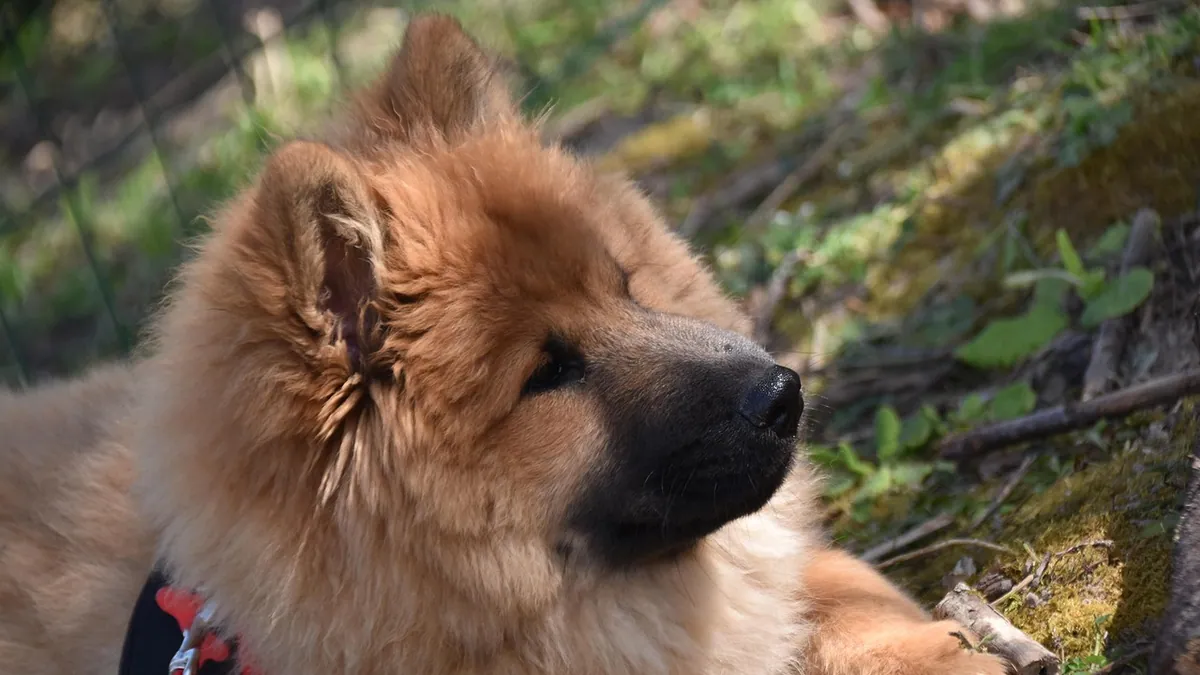
Wildfire smoke inhalation in dogs happens when your pet breathes in a mix of tiny particles, harmful gases, and sometimes superheated air from a fire. The effects can range from irritated eyes and a mild cough to serious lung and heart problems. The steps below help you judge the air, spot early signs, and decide when smoke exposure needs a veterinarian.
This article is educational and is not a substitute for veterinary diagnosis or treatment.
Quick Answer
- When air quality alerts are issued, the pollution and particulate matter can reach levels that are unhealthy for pets as well as people [1].
- Dogs cannot wear masks to filter out small particles, which may put them at greater risk than people during smoke events [1].
- Watch for red or watery eyes, coughing, gagging, a fast breathing rate at rest, or trouble breathing, and call your vet if you see them [1].
- Bring dogs indoors, keep windows closed, limit outdoor time, and avoid vigorous exercise while smoke is heavy.
- Seek emergency care right away for severe breathing effort, blue or gray gums, collapse, or a dog rescued from a fire.
What Wildfire Smoke Inhalation Does to a Dog
Smoke is not a single substance. It is a complex mixture of toxic agents and products of burning, and the injury it causes usually comes from a combination of heat damage to the upper airways, lack of oxygen, and toxicity from inhaled materials [2]. Smoke inhalation injury is a major cause of death in animals during fires [2].
The risks to pets from poor air quality are similar to those in people, mainly affecting the heart and lungs [1]. The smallest particles, called PM2.5 (particles 2.5 micrometers or smaller), travel deep into the lungs and can pass into the bloodstream.
One thing that makes smoke events harder on dogs is simple. People can wear masks outdoors to reduce how much small particulate matter they breathe in, but pets cannot, which may put them at greater risk [1].
Signs of Wildfire Smoke Inhalation in Dogs
Early signs you may notice at home
The most common signs of exposure irritate the throat, nose, and eyes, making them red or watery [1]. You may also see coughing, gagging, a fast respiratory rate even when your dog is resting, or difficulty breathing [1]. Contact your veterinarian if you have concerns about your pet's exposure risk or symptoms [1].
Eye irritation is common enough that researchers have measured it. In a study of dogs living in northern Colorado, exposure to wildfire smoke at a moderate air quality index (AQI) level was linked to more severe redness and swelling of the conjunctiva, the tissue around the eye, compared with clean-air days [3]. So if your dog's eyes look bloodshot or puffy during a smoke event, that fits a known pattern.
Signs that mean trouble
Some signs point to a more serious problem. These include:
- Breathing that is fast or labored even at rest
- Nostrils flaring, or the belly moving hard with each breath
- Standing with elbows out and neck stretched forward to breathe
- Coughing up blood
- Weakness, stumbling, or collapse
- Gums that look pale, blue, or gray
- Confusion or extreme sleepiness
Dogs rescued from a house fire can also have carbon monoxide poisoning. In three dogs treated after house fires, blood testing confirmed markedly high carboxyhemoglobin levels, which is the marker for carbon monoxide in the blood [4]. Carbon monoxide poisoning can be easy to miss because a dog may look stunned or weak without obvious burns.
Causes and Risk Factors
The main cause is breathing smoke from a wildfire, house fire, or other fire. The injury comes from heat, oxygen deprivation, and toxic inhaled materials acting together [2].
Some dogs face higher risk:
- Small dogs. Smaller animals are usually more susceptible to inhaled toxicants because they take in more air per unit of body weight and have relatively more respiratory surface area per unit of mass [2].
- Dogs with existing heart or lung disease. Their reserve is lower, so smoke can tip them into distress faster.
- Flat-faced breeds. Brachycephalic dogs such as bulldogs and pugs already work harder to breathe.
- Dogs with eye conditions. Smoke irritates the surface of the eye, and dogs with dry eye or prior eye disease may worsen faster.
- Working or outdoor dogs. Dogs who spend long hours outside get more exposure.
Long-term exposure matters too. A large modeling study in the contiguous United States found that wildfire smoke PM2.5 was linked to higher death rates from several causes, with no evidence of a safe threshold [5]. That study looked at people, not dogs, but it reinforces that smoke is not harmless at low levels.
How Veterinarians Diagnose Smoke Inhalation
Your veterinarian starts with the story. They will ask about the fire, how long your dog was exposed, whether it was indoors or outdoors, and what signs you have seen.
The physical exam focuses on breathing rate and effort, gum color, hydration, and the eyes, nose, and throat. Your vet may listen to the lungs with a stethoscope and check oxygen levels with a pulse oximeter, a small clip that measures oxygen in the blood.
Depending on how your dog looks, further testing may include:
- Blood work to check organ function and red blood cell counts
- Blood gas testing to measure oxygen and carbon dioxide
- Chest X-rays to look for lung changes
- Co-oximetry, a blood test that measures carbon monoxide levels, which was used to confirm poisoning in dogs after house fires [4]
Not every dog needs all of these. Your veterinarian decides based on exam findings and how sick your dog appears.
Treatment Options
Treatment depends on how severe the exposure is. Mild cases often need only rest, indoor air, and monitoring at home.
Dogs with more serious breathing problems need oxygen and supportive care. In one report, three dogs with carbon monoxide poisoning from house fires were treated with high-flow nasal cannula oxygen therapy for 4 to 7 hours, and all three survived to discharge with no delayed complications reported [4]. The half-life of carboxyhemoglobin during that treatment ranged from 77 to 86 minutes [4]. This is a hospital-level treatment, not something you can do at home.
Other supportive care may include:
- Oxygen supplementation
- Intravenous fluids
- Medications for airway inflammation or infection, if present
- Eye lubricants or drops for irritated eyes
- Sedation if anxiety is making breathing harder
Your veterinarian calculates any medication dose from your dog's weight and health status. Never give human medications to a dog without veterinary guidance.
If your dog was in a house fire, also think about the rest of the home. A dog who chewed or swallowed a candle during the chaos may need separate care, which is covered in Dog Ate a Candle: Wax, Wicks, and Fragrance Risks Explained.
Recovery, Outlook, and Long-Term Management
Dogs with mild smoke irritation often improve within a few days once the air clears and they rest indoors. Dogs with significant lung injury may need weeks of monitoring, and some develop lasting airway sensitivity.
Carbon monoxide poisoning has a good prognosis when treated promptly. In the three reported dogs, all survived to discharge with no delayed complications [4]. That said, the half-life of carboxyhemoglobin and how well oxygen therapy works should be studied in more dogs before we can make broad claims [4].
Long-term management centers on avoiding repeat exposure. If you live in a fire-prone area, plan ahead. Know where your dog will stay during smoke events, keep a go-bag with medications and records, and set up a clean-air room in your home.
Dogs with heart or lung disease need closer watching during smoke season. Ask your veterinarian whether any of your dog's medications should be adjusted during poor air quality days.
How to Judge Air Quality for Your Dog
The AQI is a tool you can use for your pet, not just yourself. The categories used in research on dogs range from good (0 to 50) to moderate (51 to 100) to smoke (101 to 150), and eye changes were seen even at the moderate and smoke levels [3].
A practical approach:
| AQI level | What it means for your dog |
|---|---|
| 0 to 50 (good) | Normal outdoor activity is fine |
| 51 to 100 (moderate) | Shorten walks, watch for eye or throat irritation |
| 101 to 150 (unhealthy for sensitive groups) | Keep outdoor time brief, no hard exercise |
| 151 to 200 (unhealthy) | Potty breaks only, keep windows closed |
| 201 and above (very unhealthy to hazardous) | Stay indoors, use filtered air if possible |
Check your local AQI daily during fire season. If you can see or smell smoke, treat the air as worse than the number suggests.
Prevention During Smoke Events
You cannot control the smoke, but you can control your dog's exposure.
- Bring dogs inside. Keep windows and doors closed.
- Use air filtration. A HEPA filter or a clean-air room helps reduce indoor particles.
- Skip long walks and runs. Swap them for indoor play, puzzle toys, or short potty breaks.
- Wipe eyes and paws. A damp cloth removes ash and irritants from the coat and face.
- Offer fresh water. Hydration helps the airways.
- Watch the forecast. Plan errands and exercise around the cleanest hours.
- Have a plan for evacuation. Keep a leash, carrier, medications, and records ready.
If your dog is struggling in the heat as well as the smoke, review Heatstroke in Dogs: Warning Signs and Prevention and Dog Walking Safety in Extreme Heat and Cold: Temperature Guidelines. Smoke plus heat is a dangerous combination for any dog.
Limitations and When to Contact a Veterinarian
No article can tell you how sick your dog is. Individual cases need a veterinarian who can examine your dog, listen to the lungs, and check oxygen levels.
Call your veterinarian the same day if your dog has:
- A new cough or gagging that lasts more than a few hours
- Red, watery, or squinting eyes
- A resting breathing rate that seems faster than normal
- Reduced appetite or low energy during a smoke event
Go to an emergency clinic now if your dog has:
- Heavy breathing at rest, or breathing that gets worse over minutes
- Gums that look blue, gray, or very pale
- Collapse, weakness, or confusion
- Coughing up blood
- Was in a house fire, even if they look okay
Schedule a routine visit if:
- Your dog has a chronic heart or lung condition and you want a smoke-season plan
- Eye redness keeps coming back after smoke events
- You want help setting up a clean-air space at home
Frequently Asked Questions
How long does smoke inhalation last in dogs?
Mild irritation often settles within a few days once your dog is out of the smoke and resting indoors. More serious lung injury can take weeks to improve, and some dogs stay sensitive to irritants afterward. Your veterinarian can give you a better timeline after examining your dog.
Can I give my dog human cough medicine for smoke cough?
No. Never give human cough or cold medicine to a dog without veterinary guidance. Some ingredients are toxic to dogs, and the correct choice depends on the cause of the cough. Call your veterinarian instead.
Should I walk my dog when the air smells like smoke?
Keep walks short and skip them if you can. If you can smell smoke, the air likely contains particles that can irritate your dog's airways and eyes. Use quick potty breaks and play indoors instead.
Do air purifiers help dogs during wildfire smoke?
They can help by reducing indoor particles, especially in a small, closed room where your dog spends most of the day. No purifier removes all smoke, so pair it with closed windows and limited outdoor time. Change filters as the manufacturer recommends.
Are some dogs more at risk from smoke?
Yes. Small dogs, flat-faced breeds, and dogs with heart or lung disease tend to be more vulnerable. Smaller animals are generally more susceptible to inhaled toxicants because of how much air they move relative to their body size [2]. If your dog falls into one of these groups, act earlier and call your vet sooner.
Related Articles
- Heatstroke in Dogs: Warning Signs and Prevention
- Dog Walking Safety in Extreme Heat and Cold: Temperature Guidelines
- Dog Fear of Fireworks: How to Calm Them Safely
- Hypothermia in Dogs Treatment: Warming Protocol and Emergency Signs
- Dog Ate a Candle: Wax, Wicks, and Fragrance Risks Explained
- Dog Bad Breath Cough
- Smoke Inhalation in Dogs: Signs and Treatment
- Long-Term Effects of Smoke Inhalation in Dogs
- Smoke Inhalation in Dogs and Cats: First Aid and Recovery
References
- Dog safety during poor air quality alerts or wildfire smoke. Cornell University College of Veterinary Medicine.
- Smoke Inhalation Injury in Animals - Toxicology. Merck Veterinary Manual.
- Particulate matter from wildfire smoke in northern Colorado appears to be associated with conjunctivitis in dogs. Journal of the American Veterinary Medical Association, 2024.
- Successful Use of High-Flow Nasal Cannula Oxygen Therapy in Three Dogs With Carbon Monoxide Poisoning. Journal of veterinary emergency and critical care (San Antonio, Tex. : 2001), 2026.
- Wildfire smoke PM2.5 and mortality rate in the contiguous United States: A causal modeling study. Science advances, 2026.