Smoke Inhalation in Dogs and Cats: First Aid and Recovery
By Dr. Zubair Khalid, DVM, MS, PhD ·
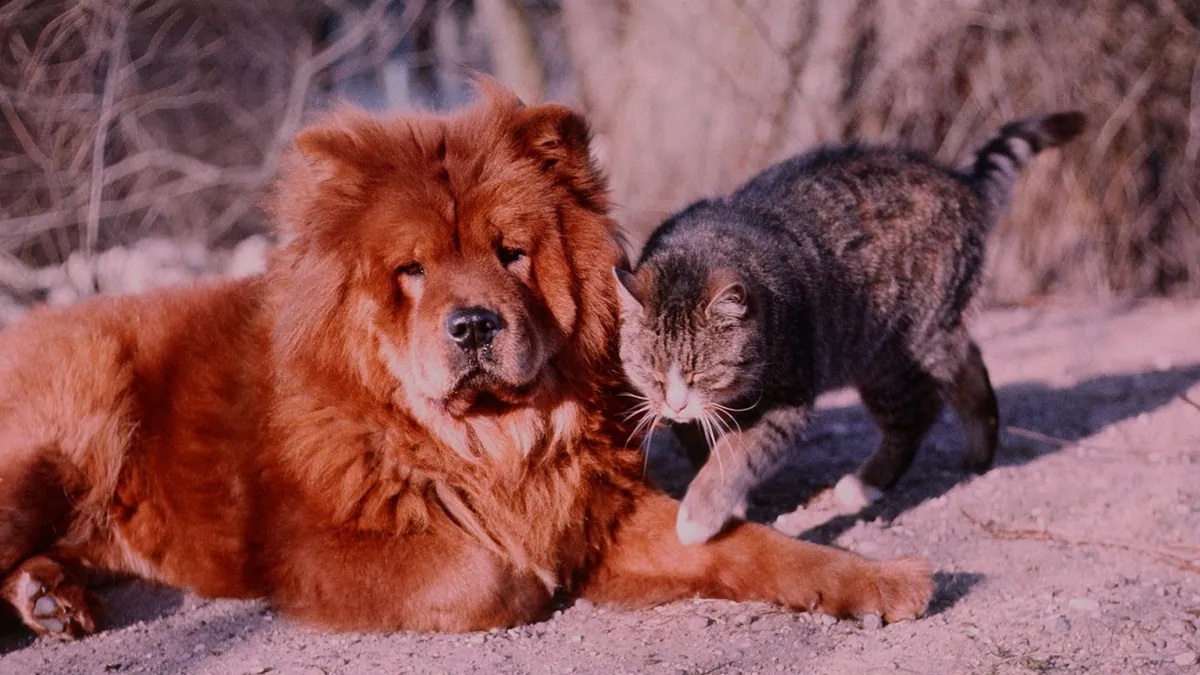
If your pet breathed smoke from a house fire, wildfire, or indoor fire, get them to fresh air and call a veterinarian or an emergency clinic right away. Smoke inhalation in dogs and cats damages the airways and can also poison the blood with carbon monoxide, and signs often get worse over the first day [1]. Even a pet that looks fine right after the fire needs to be checked.
This article is educational and is not a substitute for veterinary diagnosis or treatment.
Quick Answer
- Move your pet to fresh air immediately, keep them calm and warm, and do not force them to drink or eat.
- Call an emergency veterinary hospital on the way, even if your pet seems normal. Airway swelling usually peaks 12 to 24 hours after smoke exposure [1].
- Watch for coughing, gagging, red or watery eyes, noisy breathing, and a fast breathing rate while resting [2].
- Do not give human medications, inhalers, or oxygen at home unless a veterinarian directs you.
- Every pet exposed to smoke needs a veterinary exam, because serious lung and airway injury can happen without visible burns [1].
What Smoke Inhalation Does to a Dog or Cat
Smoke is not one thing. It is a mix of hot air or steam, harmful gases, vapors, and tiny particles produced by burning [1]. When a pet breathes this in, damage can come from heat, from chemicals, from toxic gases, or from a combination of all three [1].
Heat injury is often underestimated. The upper airway does a good job of cooling hot air before it reaches the lungs, so burns usually stay in the nose, throat, and windpipe [1]. That is still serious, because those tissues can swell and narrow the airway. Steam is the exception. Inhaled steam can cause severe injury deep in the lungs [1].
Carbon monoxide is a major concern in fires. It binds to red blood cells and reduces the oxygen that reaches the brain and organs. In dogs with carbon monoxide poisoning from house fires, blood testing confirmed very high carboxyhemoglobin levels, and oxygen therapy was used to clear it [3]. Smoke can also carry other combustion gases and fine particulate matter that irritate the eyes, nose, and throat and trigger coughing [2].
Smoke Inhalation Symptoms in Cats and Dogs: What You Will Notice
Signs can appear within minutes or hours, and some pets look normal at first. The most common early signs are irritation of the throat, nose, and eyes, which may look red or watery [2]. You may also see coughing, gagging, a fast breathing rate even at rest, or trouble breathing [2].
Early signs
- Red, watery, or squinting eyes
- Coughing or gagging
- Sneezing, nasal discharge, or a hoarse or changed voice
- Restlessness, pacing, or reluctance to lie down
- Fast breathing or visible effort to breathe
Delayed signs that suggest lung damage
Airway swelling generally peaks 12 to 24 hours after the initial injury, so a pet that seems okay at hour two can be in trouble by hour twelve [1]. Watch closely for:
- Breathing that gets faster or harder over the day
- Noisy breathing, wheezing, or a whistling sound
- Blue, gray, or pale gums and tongue
- Weakness, wobbling, or collapse
- Confusion, dull mentation, or unresponsiveness
- Vomiting or drooling
Eye injuries are common in fire-exposed cats. In one study of 108 cats exposed to wildfires, 64 cats (59.3%) had at least one eye abnormality, and ocular surface changes were the most common finding [4]. Of the 73 cats that had a fluorescein stain performed, 14 had corneal ulcers, and 9 of those were in both eyes [4]. This is one reason a vet exam matters even when the eyes just look irritated.
Causes and Risk Factors
Any fire that produces smoke can injure a pet. House fires are the classic cause, but wildfires, campfires, and indoor fires also create dangerous air. Pets in a burning building often hide, which means longer exposure and more inhaled smoke.
Risk goes up with:
- Confinement indoors during a fire, especially in a closed room
- Longer exposure time or heavier smoke
- Steam exposure, which can injure the lungs severely [1]
- Being unable to escape, such as a pet in a crate or a cat hiding under a bed
- Pre-existing heart or lung disease, which lowers the reserve to handle smoke stress
Poor outdoor air quality from wildfire smoke can also affect pets that never go near flames. The risks are similar to those in people and mainly involve the heart and lungs, and pets cannot wear masks to filter out fine particles the way people can [2]. If the air quality where you live is unhealthy, keep walks short and keep pets indoors.
How Veterinarians Diagnose Smoke Inhalation
Diagnosis starts with the story. Tell the vet how long your pet was exposed, whether there was steam, and whether your pet was unconscious at any point. Then the exam focuses on breathing, gum color, eye staining, and neurologic status.
Your vet may recommend:
- Blood oxygen measurement and, when available, CO-oximetry to check carbon monoxide levels, which confirmed poisoning in dogs from house fires [3]
- Bloodwork to look at oxygenation, organ function, and acid-base status
- Chest imaging. Lung ultrasound and chest radiographs are both used in dogs and cats with breathing difficulty, and each has strengths depending on the suspected cause [5]
- Eye staining with fluorescein to look for corneal ulcers, which were found in 14 of 73 cats tested after wildfire exposure [4]
- Airway sampling in some cases, such as a tracheal wash, when infection or airway disease is suspected. You can read more about that in Cytology of the Respiratory Tract in Dogs and Cats
Treatment Options for Smoke Inhalation in Cats and Dogs
Treatment depends on how sick your pet is. Mild cases may need oxygen, eye lubricants, and monitoring. Severe cases need hospitalization and intensive care.
Oxygen and breathing support
Oxygen is the cornerstone of care. In three dogs with carbon monoxide poisoning from house fires, high-flow nasal cannula oxygen therapy was used for 4 to 7 hours, and the half-life of carboxyhemoglobin during treatment was 77 to 86 minutes [3]. All three dogs survived to discharge with no delayed complications reported [3]. This is a newer approach, and the authors noted it should be studied in more dogs [3].
Pets with severe breathing difficulty may need more support, including mechanical ventilation. A veterinarian decides this based on exam findings, oxygen levels, and how hard the pet is working to breathe.
Airway and lung care
Upper airway swelling can narrow the airway, and veterinarians manage this with oxygen, careful monitoring, and sometimes medications to reduce swelling. Your vet calculates any drug dose from your pet's weight and health, so never give a medication on your own.
Eye treatment
Eye care is often needed after fire exposure. In the wildfire cat study, cats were started on an ophthalmic lubricant every 4 to 6 hours and/or topical antibiotics, including erythromycin [4]. If your pet has red, squinting, or cloudy eyes, that needs a vet visit the same day.
Supportive care
Hospitalized pets may receive intravenous fluids, pain control, nutrition support, and monitoring for secondary problems. If a bacterial lung infection is suspected, your vet chooses an antibiotic based on the pet's condition and culture results when possible. Responsible antibiotic use in respiratory disease is covered in Antimicrobial Stewardship in Respiratory Infections of Dogs and Cats.
What you can do at home
Home care is limited to first aid and follow-up. Move your pet to fresh air, keep them calm and warm, and get to a vet. Do not give human cough syrups, pain relievers, or leftover antibiotics. Do not use a human inhaler on a pet unless your vet has prescribed it and shown you the technique. If your pet has a known airway condition like asthma, inhaler technique matters, and you can review it in Feline Asthma: Inhaler Therapy and Technique.
| Situation | What to do |
|---|---|
| Pet was in a fire but seems normal | Call your vet or an emergency clinic now. Exam and oxygen assessment are still needed [1] |
| Coughing, red eyes, fast breathing at rest | Emergency visit today [2] |
| Blue gums, collapse, confusion, or severe breathing effort | Emergency now, call ahead so they can prepare |
| Only mild eye redness, no breathing signs | Same-day vet visit for an eye exam and stain [4] |
| Pet has heart or lung disease and any smoke exposure | Emergency visit, risk of complications is higher |
Recovery, Outlook, and Long-Term Management
Most pets with mild smoke exposure recover well with oxygen support, eye care, and monitoring. Pets with severe lung injury, steam inhalation, or carbon monoxide poisoning have a more guarded outlook and may need a longer hospital stay [1][3].
The first 24 hours are the most critical window because airway swelling peaks then [1]. After discharge, expect your vet to want a recheck. Keep your pet quiet, avoid strenuous activity, and watch breathing rate at rest. Ask your vet what breathing rate is normal for your pet and what number should trigger a call.
Some pets develop ongoing airway sensitivity or chronic coughing after smoke injury. If your pet had pre-existing respiratory disease, it may flare after smoke exposure. Long-term management may include avoiding smoke and irritants, treating any underlying airway disease, and regular checkups. If your pet has a chronic respiratory condition, treatment plans are similar to those for other airway diseases, such as Cat Upper Respiratory Infection Treatment, though the cause and plan differ for each pet.
Prevention
Prevention is mostly about planning ahead.
- Have a pet evacuation plan and keep carriers, leashes, and records where you can grab them fast.
- If wildfire smoke is in your area, keep pets indoors with windows closed and limit outdoor time [2].
- Use a high-efficiency air filter indoors. Air filtration reduced cat and dog allergens and particulate matter in home air in one study, with allergen reductions of 76.6% for cat allergen and 89.3% for dog allergen [6]. This helps indoor air quality when outdoor smoke is heavy.
- Never leave pets unattended near open flames, fire pits, or space heaters.
- Store fire safety supplies, including a pet first aid kit, where you can reach them quickly.
Limitations and When to Contact a Veterinarian
No article can tell you how badly your pet is injured. Only a veterinarian who examines your pet can do that, and individual cases need a veterinarian's judgment.
Call an emergency clinic now if you see:
- Blue, gray, or pale gums
- Collapse, weakness, or confusion
- Breathing that is fast, noisy, or clearly labored
- Coughing that will not stop
- Burns around the face, nose, or mouth
- Any pet that was unconscious during the fire
Call your vet the same day if you see:
- Red, watery, or squinting eyes
- Mild coughing or gagging
- A breathing rate that is faster than normal at rest
- Any smoke exposure, even with no visible signs [1]
Schedule a routine visit if your pet had brief, low-level smoke exposure and seems completely normal. Your vet can check the eyes, listen to the lungs, and decide whether more testing is needed.
Frequently Asked Questions
Is smoke bad for cats even in small amounts?
Yes. Cats have small airways and sensitive eyes, and smoke irritates the nose, throat, and eyes while also carrying fine particles and toxic gases [1][2]. Short exposures are usually less serious, but any cat in a smoky room should be moved to fresh air and watched closely.
What is smoke inhalation in cats treatment at home?
Home treatment is limited to first aid. Move your cat to fresh air, keep them calm, and contact a vet. Do not give medications, and do not assume a cat that seems fine is safe, because airway swelling can build for many hours after exposure [1].
How long do smoke inhalation symptoms take to show up in cats?
Some signs, like eye redness and coughing, can appear within minutes. Serious airway swelling usually peaks 12 to 24 hours after exposure, so the first day is the highest-risk period [1]. Keep watching your cat closely for at least 24 hours, and follow your vet's advice on rechecks.
Can smoke poisoning in cats go away on its own?
Mild irritation may settle with time and fresh air, but carbon monoxide and lung injury do not always resolve without treatment. Oxygen therapy was needed to clear carbon monoxide in affected dogs, and it shortened the carboxyhemoglobin half-life to 77 to 86 minutes [3]. A vet exam is the only way to know whether your cat needs oxygen or other care.
Should I worry if my pet seems fine after a fire?
Yes. Smoke injury can be present without obvious external burns, and signs may not show up for hours [1]. Have your pet examined the same day, especially if there was heavy smoke, steam, or a long exposure.
Related Articles
- Antimicrobial Stewardship in Respiratory Infections of Dogs and Cats
- Feline Asthma: Inhaler Therapy and Technique
- Cytology of the Respiratory Tract in Dogs and Cats
- Cat Upper Respiratory Infection Treatment
- Antifreeze Poisoning in Dogs and Cats: What Owners Should Know
- Electrolyte Emergencies in Dogs and Cats: Recognition and Correction
- Smoke Inhalation in Dogs: Signs and Treatment
- Wildfire Smoke Inhalation in Dogs: Signs and Safety Steps
- Can Cats Die From Smoke Inhalation? Signs and Care
References
- Smoke Inhalation Injury in Animals - Toxicology. Merck Veterinary Manual.
- Dog safety during poor air quality alerts or wildfire smoke. Cornell University College of Veterinary Medicine.
- Successful Use of High-Flow Nasal Cannula Oxygen Therapy in Three Dogs With Carbon Monoxide Poisoning. Journal of veterinary emergency and critical care (San Antonio, Tex. : 2001), 2026.
- Clinical signs, treatment, and outcomes for ophthalmic thermal injury in 108 cats exposed to northern California wildfires between 2015 and 2020. Journal of the American Veterinary Medical Association, 2025.
- Diagnostic performance of lung ultrasound compared to thoracic radiography in non-traumatized dogs and cats with respiratory distress in an emergency setting. Frontiers in veterinary science, 2026.
- Effect of air filtration on house dust mite, cat and dog allergens and particulate matter in homes. Clinical and translational allergy, 2022.