Can Smoke Inhalation Cause Diarrhea in Dogs?
By Dr. Zubair Khalid, DVM, MS, PhD ·
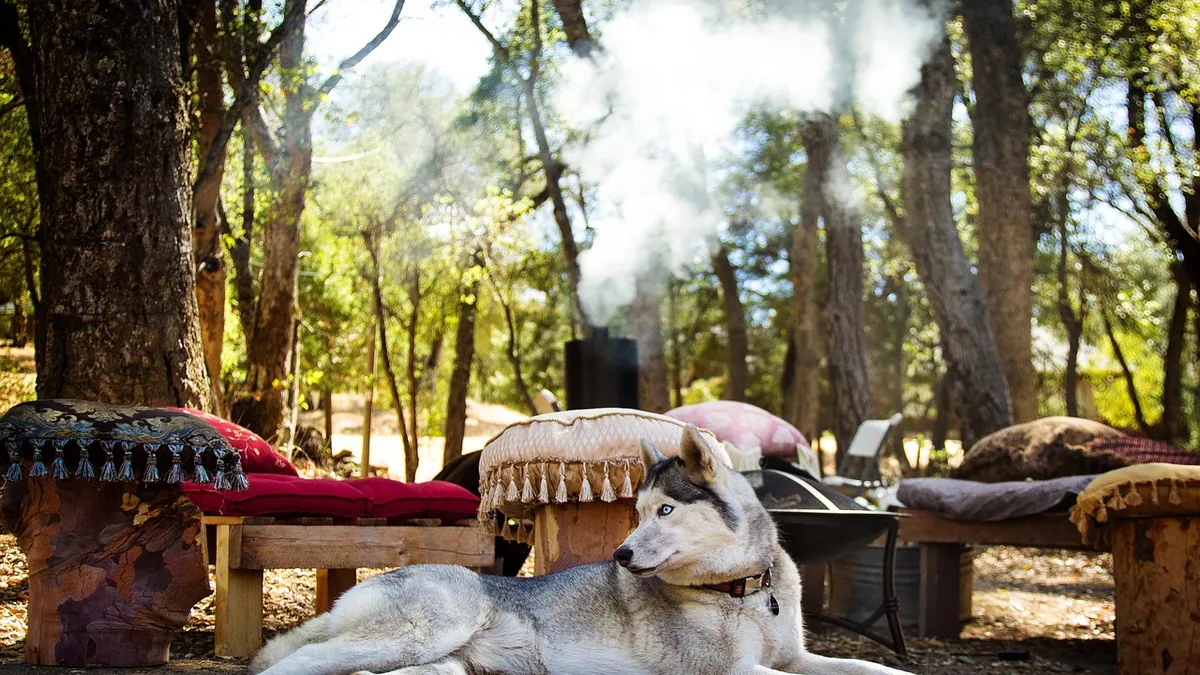
Can smoke inhalation cause diarrhea in dogs? Yes, it can, though the diarrhea is usually an indirect effect instead of direct damage to the gut. Smoke irritates the airways and can poison the bloodstream, and the stress and chaos of a fire often trigger colitis and loose stools within hours to a few days. This article is educational and is not a substitute for veterinary diagnosis or treatment.
Quick Answer
- Smoke inhalation mainly injures the lungs and airways, but the stress of a fire, plus swallowed soot and toxins, can lead to vomiting and diarrhea [1].
- Diarrhea after smoke exposure is often stress colitis, which usually shows up within 24 to 72 hours of the event.
- Smoke inhalation is a major cause of death in animals after fires, so breathing problems always outrank diarrhea in urgency [1].
- If your dog is coughing, wheezing, drooling, or breathing hard, treat it as an emergency and go to a vet now [1].
- Mild, soft stool in a dog that is otherwise bright and breathing normally can often be watched for 24 hours with bland food and water.
What Diarrhea After Smoke Exposure Looks Like
Normal dog stool is firm, log shaped, and easy to pick up. It holds its form and color, usually chocolate brown. A healthy dog passes stool one to three times a day without straining, and the stool does not contain blood, mucus, or a foul, greasy sheen.
Diarrhea is any stool that is looser, more frequent, or more urgent than your dog's normal pattern. It can range from soft serve texture to fully liquid. You may also see:
- Mucus, a shiny gel-like coating on the stool
- Bright red blood streaking the surface
- Dark, tarry stool, which suggests digested blood
- Straining, gas, or accidents in the house
- Vomiting, drooling, or lip licking
After a fire or wildfire, owners often notice diarrhea along with coughing, red eyes, or a hoarse bark. The combination matters. A dog with both breathing changes and diarrhea needs veterinary attention faster than a dog with loose stool alone.
If your dog has loose stool but seems completely normal otherwise, you can read more about that pattern in Dog Diarrhea but Acting Normal: Should You Worry?.
How Smoke Inhalation Affects a Dog's Body
Smoke inhalation injury is damage caused by breathing in superheated air, steam, harmful gases, vapors, and particulate matter from burning materials [1]. The injury can involve heat damage, chemical damage, systemic poisoning, or a mix of all three [1].
Fires produce a complex mixture of toxic substances and pyrolysis products, and injury usually results from a combination of thermal burns to the upper airways, oxygen deprivation, and toxicity from inhaled materials [1]. Smaller animals are generally more susceptible to inhaled toxicants because they breathe a larger volume of air per unit of body mass and have relatively more respiratory surface area per unit of mass [1].
So how does that reach the gut? Several ways:
- Swallowed soot and ash. Dogs lick their coats, paws, and faces after a fire. Whatever lands on the fur goes into the mouth and down the digestive tract.
- Systemic toxins. Inhaled chemicals absorbed into the bloodstream can affect organs far from the lungs, including the intestines.
- Oxygen deprivation. When tissues do not get enough oxygen, the gut lining, which has a high turnover rate, can suffer.
- Stress. Fear, transport, evacuation, and separation from family all hit the gut hard through the stress colitis pathway.
Direct thermal or chemical burns to the intestines from inhaled smoke are not well established in veterinary research. The diarrhea you see is more often a downstream effect of stress, swallowed debris, or whole-body illness.
Main Causes of Diarrhea After Smoke Exposure
| Cause | Typical clues | How urgent |
|---|---|---|
| Stress colitis | Loose stool with mucus or bright blood, starts 24 to 72 hours after the event, dog is alert and eating | Urgent if bloody or repeated, otherwise call your vet same day |
| Swallowed soot, ash, or debris | Black or gray material in the mouth or vomit, bad breath, drooling, soft stool | Same-day vet visit |
| Smoke inhalation injury with systemic illness | Coughing, wheezing, noisy breathing, red gums, weakness, collapse | Emergency now [1] |
| Toxic ingestion from fire debris (metals, chemicals, melted materials) | Vomiting, diarrhea, lethargy, pale or muddy gums, collapse | Emergency now |
| Diet change or spoiled food during evacuation | Sudden soft stool after eating unfamiliar food or trash | Call your vet, watch closely |
| Infectious diarrhea picked up in a shelter or evacuation site | Watery stool, vomiting, fever, contact with other dogs | Same-day vet visit |
One thing to keep in mind: acute diarrhea in dogs has many possible triggers, and researchers are still working out why some dogs develop sudden hemorrhagic diarrhea while others do not [2]. Weather and environmental factors have been studied as possible triggers, but the picture is not settled [2]. If your dog was in a shelter or boarding situation after evacuation, exposure to other dogs raises the odds of an infectious cause. In one study of dogs in central New York, Campylobacter jejuni was found in feces at similar rates in healthy dogs and dogs with acute diarrhea, but it was more common in puppies and in dogs that had recently eaten table scraps or trash [3]. That is a good reminder that what your dog ate during a chaotic evacuation can matter as much as the smoke itself.
Red Flags That Make It an Emergency
Go to an emergency clinic immediately if your dog has any of these:
- Loud, raspy, or whistling breathing, or you can hear the effort
- Breathing with the belly, elbows out, or neck stretched forward
- Blue, gray, or brick-red gums instead of bubblegum pink
- Collapse, weakness, or inability to stand
- Repeated vomiting or vomiting blood
- Diarrhea that is black and tarry, or contains a large amount of fresh blood
- Swelling, burns, or singed fur around the muzzle, nose, or face
- Drooling heavily, pawing at the mouth, or a hoarse, silent bark
- Seizures, tremors, or confusion
Smoke inhalation is a major cause of fatalities in animals after fires, so do not wait to see if breathing improves on its own [1]. Breathing problems can worsen over the first 24 to 48 hours as airway swelling builds. A dog that looks okay an hour after the fire can be in trouble by morning.
If your dog is vomiting and having diarrhea at the same time, dehydration can set in fast. Learn the warning signs in Dog Dehydration Symptoms Diarrhea.
What to Do Right After Smoke Exposure
Your first job is to get your dog away from the smoke and into clean air. Then work through these steps.
Move to fresh air and stay calm
Get your dog outdoors or into a well-ventilated space away from the fire zone. Keep your own voice and movements calm. Dogs read our stress, and a frantic environment makes colitis more likely.
Wipe down the coat and paws
Use a damp cloth to wipe your dog's face, muzzle, paws, and belly. This removes soot and ash your dog would otherwise lick off. Do not scrub burned skin. If the skin looks raw, blistered, or blackened, skip the wipe and go to the vet.
Offer small amounts of water
Offer fresh water in small amounts every 15 to 20 minutes instead of a full bowl at once. A dog that gulps a large volume after smoke exposure may vomit. If your dog will not drink or cannot keep water down, that is a reason to call the vet.
Do not force food
Wait a few hours before offering food. When you do, offer a small amount of a bland, highly digestible meal. A prescription diet designed for acute diarrhea may help dogs recover faster, based on a randomized controlled trial in which dogs fed a specific highly digestible formula reached normal stool consistency sooner than dogs fed a control diet [4]. Ask your veterinarian which diet fits your dog.
Skip human medications
Do not give human anti-diarrheal drugs, pain relievers, or antibiotics. Doses for dogs are calculated by your veterinarian based on your dog's weight and health, and some human medications are toxic to dogs. If you want to try gentle home support, read Natural Remedy Diarrhea In Dogs first, and check with your vet.
Collect a stool sample
If your dog passes loose stool, scoop a tablespoon into a clean plastic bag or container. Your vet may want to test it. Bring it to the appointment even if you are not sure it is needed.
Note the timeline
Write down when the fire happened, when the diarrhea started, how many times your dog has gone, and whether you saw blood, mucus, vomiting, coughing, or breathing changes. This history helps your vet sort out stress colitis from something more serious.
What Your Veterinarian Will Check and Test
Your vet will start with the airway, because that is where smoke does its worst damage [1]. Expect a full physical exam with attention to:
- Breathing rate, effort, and sounds through a stethoscope
- Gum color and capillary refill time
- Eyes, nose, and mouth for burns, soot, or swelling
- Hydration by checking skin turgor and gums
- Abdominal palpation for pain, gas, or masses
- Neurologic status, since inhaled toxins can affect the brain
Depending on findings, your vet may recommend:
- Bloodwork, including a complete blood count and chemistry panel, to check organ function and hydration
- Pulse oximetry or blood gas testing to measure oxygen levels
- Chest X-rays to look for airway or lung changes
- Fecal testing for parasites, bacteria, and blood
- Abdominal ultrasound if vomiting, pain, or a possible foreign body is a concern
If your dog swallowed fire debris, your vet may also consider heavy metal or zinc exposure. One case report described a dog that developed methemoglobinemia, a condition where red blood cells cannot carry oxygen properly, after ingesting a zinc-containing object, and the dog ultimately went into cardiopulmonary arrest [5]. That report suggests checking for methemoglobinemia may be wise in dogs with zinc poisoning, since it can add to tissue hypoxia [5]. Fire debris can contain melted metals and unknown chemicals, so tell your vet exactly what your dog may have chewed or swallowed.
Treatment for diarrhea itself often includes a highly digestible diet, fluids, and sometimes medications for nausea or intestinal inflammation. Treatment for smoke inhalation may include oxygen therapy, airway support, and monitoring for delayed swelling. Your vet sets the plan based on your dog's exam and test results.
Prevention and Monitoring After Smoke Exposure
You cannot always prevent a fire, but you can lower the risk to your dog's gut and lungs.
- Have an evacuation plan that includes a leash, carrier, and a go-bag with your dog's food, medications, and records.
- Keep dogs indoors when wildfire smoke is heavy. Short bathroom breaks only.
- Use a HEPA filter indoors and keep windows closed during smoke events.
- Wipe paws and coats after any outdoor time in ash or smoke.
- Watch for 48 to 72 hours after exposure, since breathing problems and diarrhea can both be delayed.
- Monitor stool quality daily for at least a week. Note color, consistency, and frequency.
- Keep a symptom log with times, so you can give your vet a clear picture.
If your dog has chronic digestive issues, smoke events can be harder on them. Ongoing gas and loose stool may point to a separate problem, which you can read about in Dog Excessive Gas and Diarrhea: Causes and Relief. If the diarrhea started soon after a recent shot instead of a fire, see Dog Diarrhea After Vaccination: Normal or a Concern?.
Limitations and When to Contact a Veterinarian
This article gives general information, not a diagnosis. Every dog needs an individual exam, and only your veterinarian can decide what is safe for your pet.
Call an emergency clinic now if your dog has trouble breathing, blue or gray gums, collapse, seizures, heavy bleeding in the stool, repeated vomiting, or burns on the face. Smoke inhalation is a leading cause of death in animals after fires, and minutes matter [1].
Call your vet the same day if your dog has bloody or mucusy diarrhea, more than three loose stools in a few hours, vomiting, refuses water, seems painful in the belly, or was in a fire within the last 72 hours even if they look fine.
Schedule a routine visit if the diarrhea is mild, your dog is eating and drinking normally, and it has lasted more than 24 to 48 hours without improving.
Frequently Asked Questions
How soon after smoke exposure can diarrhea start?
Most cases show up within 24 to 72 hours. Stress colitis tends to appear on the earlier end, while diarrhea from swallowed debris or systemic illness may take a bit longer. If your dog was in a fire and has not had diarrhea after three days, the risk drops but does not disappear.
Is diarrhea always a sign of serious smoke inhalation?
No. Many dogs get loose stool from stress and swallowed soot and recover with supportive care. The serious cases usually show breathing changes, weakness, or gum color changes alongside the diarrhea. Breathing signs are the ones that signal true smoke inhalation injury.
Can my dog get diarrhea from wildfire smoke even without being near flames?
Yes. Wildfire smoke carries particulate matter and gases that can irritate airways and be swallowed after landing on the coat. Heavy smoke days also raise stress and change routines, which can trigger colitis. Keep your dog indoors and wipe paws and fur after bathroom breaks.
Should I give my dog anything for diarrhea after a fire?
Do not give human medications unless your veterinarian prescribes them. Offer small amounts of water and a bland, highly digestible meal, and let your vet decide on any medication. Doses are calculated for your dog's weight and health, so a home guess can be harmful.
When can I stop worrying about smoke exposure?
After 72 hours with normal breathing, normal gum color, good appetite, and formed stool, most of the acute risk has passed. Keep watching for a few more days, since airway swelling and gut upset can both be delayed. If anything changes, call your vet.
Related Articles
- Dog Diarrhea but Acting Normal: Should You Worry?
- Dog Dehydration Symptoms Diarrhea
- Natural Remedy Diarrhea In Dogs
- Dog Excessive Gas and Diarrhea: Causes and Relief
- Dog Diarrhea After Vaccination: Normal or a Concern?
- Dog Vomiting Yellow And Diarrhea
- Smoke Inhalation in Dogs: Signs and Treatment
- Long-Term Effects of Smoke Inhalation in Dogs
- Why Does My Dog Have Diarrhea? Causes in Dogs and Puppies
References
- Smoke Inhalation Injury in Animals - Toxicology. Merck Veterinary Manual.
- Presentations of idiopathic hemorrhagic diarrhea syndrome in dogs in relation to meteorological factors. Journal of veterinary internal medicine, 2026.
- Fecal Campylobacter jejuni shedding in healthy dogs and dogs with acute diarrhea in central New York. American journal of veterinary research, 2026.
- A new highly digestible prescription diet containing Bacillus velezensis DSM 15544, fructo-oligosaccharides, plasma immunoglobulin, yeast and sepiolite for the management of acute diarrhea in dogs-a randomized double-blinded, controlled trial. Frontiers in veterinary science, 2025.
- Methemoglobinemia Secondary to Zinc Foreign Body Ingestion in a Dog. Journal of veterinary emergency and critical care (San Antonio, Tex. : 2001), 2026.