Snake Bite on a Cat's Paw or Leg: Signs and First Aid
By Dr. Zubair Khalid, DVM, MS, PhD ·
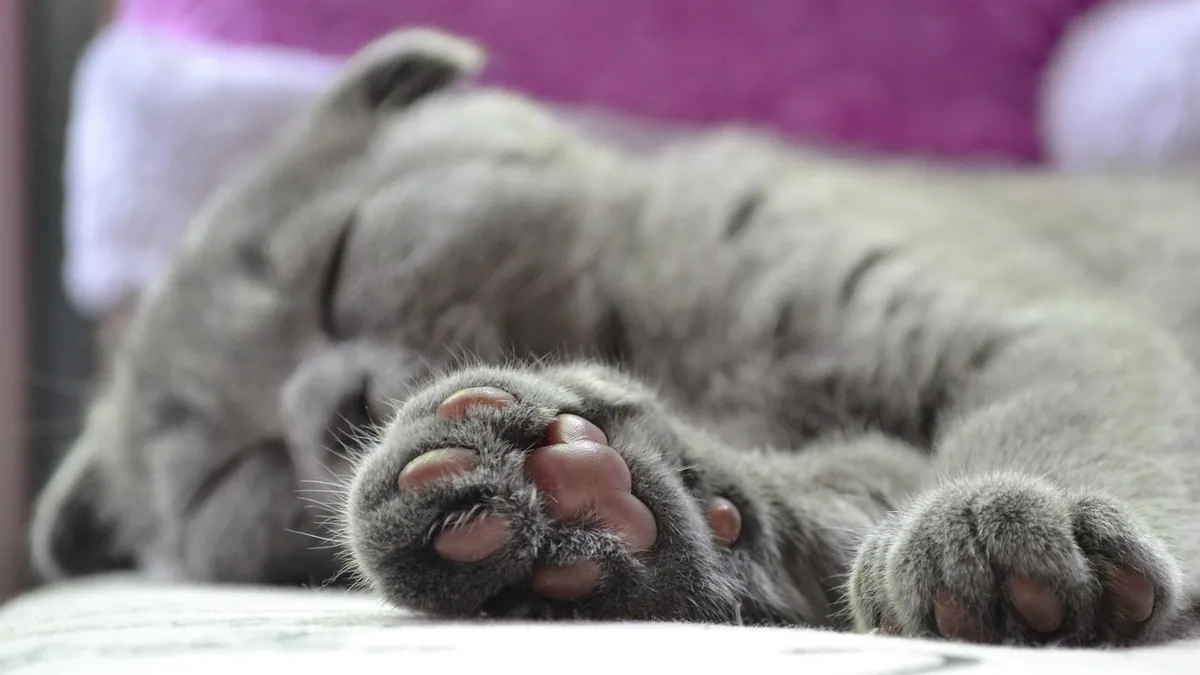
A snake bite in cat paw or leg can look surprisingly mild at first, just a small puncture, some swelling, or a cat that suddenly will not put weight on that limb. That quiet start is exactly why these bites are dangerous. Venom can keep working for hours, so a cat that seems "fine" right after a bite can become critically ill. This article is educational and is not a substitute for veterinary diagnosis or treatment.
Quick Answer
- Treat any suspected snake bite as an emergency, even if you cannot see fang marks and your cat seems stable.
- Swelling, bruising, and limping in one leg or paw are the most common early signs of a bite on a limb.
- Do not cut, squeeze, suck, ice, or tourniquet the wound, and do not give human pain medications.
- Keep your cat calm and still, and carry it to the car to slow venom spread.
- Call ahead so the clinic can prepare antivenom, because antivenom is the specific treatment and timing matters.
What a Snake Bite on a Cat's Paw or Leg Looks Like
Most bites on a limb happen when a cat investigates, pounces on, or tries to bat at a snake. The paw, lower leg, and muzzle are the usual targets. On a leg, you may see one or two small puncture wounds, but they can be hidden by fur, swelling, or blood.
Early signs often include:
- Sudden limping or holding the leg up
- Swelling that starts small and spreads up the limb
- Bruising, which may look purple, red, or dark under pale fur
- Whining, flinching, or pulling the leg away when touched
- Licking or chewing at the paw
- Drooling, vomiting, or wobbliness if venom is spreading
What is normal after a bite is not comforting. Mild swelling that looks like a sprain can progress to a swollen, painful, discolored leg within an hour or two. In cats, lower motor neuropathy (weakness and poor nerve function) is very common with some venoms. In one study of Eastern brown snake bites, 94% of cats had lower motor neuropathy on presentation [1]. That kind of weakness can look like a wobbly walk or a cat that cannot stand.
Some bites cause bleeding problems instead of obvious swelling. Venom can trigger venom-induced consumptive coagulopathy (VICC), where clotting factors are used up and bleeding risk rises [1]. A cat with VICC may bleed from the bite site, gums, nose, or in the urine or stool.
Main Causes and What They Mean for Your Cat
In the United States, the venomous snakes that matter most are pit vipers (crotalids) and coral snakes (elapids). Pit vipers include rattlesnakes, cottonmouths, and copperheads. They are found across North America and cause far more bites than coral snakes, which are limited to the southern edges of the country [2]. Rattlesnakes account for most snakebite deaths in people and domestic animals in the US [2].
| Cause | Typical clues | How urgent |
|---|---|---|
| Pit viper bite (rattlesnake, copperhead, cottonmouth) | Swelling, bruising, pain, puncture marks, limping, sometimes bleeding | Emergency now, antivenom often needed |
| Coral snake bite | Little swelling, weakness, drooling, wobbliness, breathing trouble | Emergency now, antivenom may be needed |
| Dry bite (no venom injected) | Puncture marks with mild or no swelling | Still urgent, only a vet can tell |
| Insect sting, thorn, or foreign object | Small wound, mild swelling, no fang pattern | Same-day vet visit |
| Sprain or soft tissue injury | Swelling and limping but no wound or bruising pattern | Same-day vet visit |
A bite from a brown snake, such as the Eastern brown snake in Australia, is a good example of how limb bites can behave. In cats, the most common presentation is lower motor neuropathy, and hemorrhage is less common than in dogs (5% of cats versus 30% of dogs in one study) [1]. The takeaway for owners is that a leg bite can cause weakness and bleeding problems even when the leg itself does not look dramatic.
Red Flags That Make It an Emergency
Go to an emergency clinic immediately if you see any of these:
- Trouble breathing, noisy breathing, or blue gums
- Collapse, extreme weakness, or inability to stand
- Bleeding that will not stop, blood in vomit, urine, or stool
- A leg that is rapidly swelling, cold, or changing color
- Vomiting, drooling, tremors, or seizures
- A known or suspected bite, even with no visible wound
Bites to the chest or abdomen are more dangerous than bites to a limb. In dogs and cats, death rates are higher with bites to the thorax or abdomen than with bites to the head or extremities [2]. A leg bite is still serious, but it gives you a little more time to get help.
Safe First Aid at Home While You Wait
Your job is to keep your cat calm and get it to a vet. Do these things:
- Move your cat away from the snake, and do not try to catch or kill it.
- Keep your cat quiet and confined in a carrier or box.
- Carry your cat instead of letting it walk.
- Keep the bitten limb at or below heart level if you can do so without struggling.
- Remove collars or tight bands near the bite if swelling is starting.
- Call the clinic and say you suspect a snake bite.
Do not do these things:
- Do not cut the wound or try to suck out venom.
- Do not apply ice, heat, or a tourniquet.
- Do not give aspirin, ibuprofen, acetaminophen, or any human pain medicine.
- Do not give food, water, or oral medications unless a vet tells you to.
- Do not wait to see if swelling gets worse.
If you are not sure whether the snake was venomous, treat it as venomous. A photo taken from a safe distance can help your vet, but never risk another bite to get one.
What the Veterinarian Will Check and Test
Your vet will start with a physical exam and a focused history. They will look for fang marks, measure the swelling, check pulses and sensation in the limb, and watch your cat's breathing and mentation. They will ask where you were, what the snake looked like, and when the bite happened.
Common tests include:
- Blood work to check clotting times, platelets, red cells, and organ values
- A coagulation panel, because VICC is common after some bites [1]
- Blood gases or pulse oximetry if breathing is a concern
- Urinalysis to look for blood or muscle breakdown
- Imaging if the limb is badly swollen or if chest or abdominal involvement is suspected
Treatment usually includes antivenom, intravenous fluids, pain control, wound care, and monitoring for complications such as coagulopathy, rhabdomyolysis, and acute kidney injury [3]. Some cats need mechanical ventilation if venom causes neuromuscular paralysis or lung problems. In one review, about 13% of dogs and cats with snake envenomation needed mechanical ventilation, and survival to discharge was good with appropriate treatment [3].
Antivenom is the specific treatment, and it works best when given early. The dose is calculated by your veterinarian based on your cat's weight, the severity of signs, and the product used. Never try to calculate or give antivenom yourself.
Snake Bite Symptoms in Cats Timeline: What to Expect
The timeline varies with the snake, the amount of venom, and the bite site. A general pattern looks like this:
- Minutes to 1 hour: pain, limping, small puncture marks, early swelling
- 1 to 6 hours: swelling spreads, bruising appears, your cat may drool, vomit, or become weak
- 6 to 24 hours: clotting problems, bleeding, breathing trouble, or collapse can develop
- 1 to 5 days: most pets that survive and are treated improve, though some need longer care
In a survey of dogs and cats that survived pit viper envenomation, 78% returned to normal within 5 days of discharge, while 6% took 6 to 9 weeks to fully recover [4]. About 14% of owners suspected behavioral changes after the bite [4]. That is a reminder that even a "mild" limb bite can have a long tail.
If your cat is limping and you are not sure why, see Cat Limping on a Front Leg: Common Causes and Urgency Guide and Cat Limping Paw. A bite wound that becomes infected can also look like a limp or swelling, which is covered in Cat Bite Abscess: Signs, Home Care, and When to See the Vet.
Prevention and Monitoring After Treatment
Prevention is mostly about reducing exposure. Keep cats indoors, especially at dawn and dusk when snakes are active. Clear brush, woodpiles, and tall grass near your home. Do not let your cat hunt in areas where you have seen snakes. If you live in rattlesnake country, ask your vet about local risks and whether any vaccine or repellent is appropriate for your area.
After treatment, follow your vet's instructions closely. Watch for:
- New or worsening swelling in the limb
- Bleeding from the wound, gums, nose, or in urine or stool
- Trouble breathing, weakness, or wobbliness
- Poor appetite, vomiting, or lethargy
- Changes in behavior or temperament
Keep the wound clean and dry, and do not let your cat lick or chew at it. Use an Elizabethan collar if needed. Return for rechecks as scheduled, because clotting problems and kidney issues can show up after your cat seems better.
Limitations and When to Contact a Veterinarian
This article cannot tell you whether your cat was envenomated or how much venom it received. Only a veterinarian can examine your cat, run tests, and decide on treatment. Individual cases need a veterinarian.
Contact a veterinarian right away if you see:
- A known or suspected snake bite, even if your cat seems fine
- Swelling, bruising, or pain in one leg or paw
- Bleeding that will not stop, or blood in vomit, urine, or stool
- Weakness, wobbliness, drooling, vomiting, or trouble breathing
- Collapse or seizures
Call an emergency clinic immediately for breathing trouble, collapse, uncontrolled bleeding, or a bite to the chest or abdomen. Call the same day for a limp with swelling, a small wound, or a bite you are not sure about. Schedule a routine visit for wound checks, vaccine questions, or if your cat is recovering and you notice a new concern.
If you are unsure whether your cat needs emergency care, call your vet or a pet poison helpline. The ASPCA Animal Poison Control Center is available at (888) 426-4435, and the Pet Poison Helpline is available at (855) 764-7661. Fees may apply.
Frequently Asked Questions
How long after a snake bite will my cat show signs?
Signs often start within minutes to a few hours, but some cats look normal at first. Swelling and limping are usually the earliest clues for a leg bite. If you suspect a bite, do not wait for signs to appear before calling your vet.
Can a cat survive a snake bite without antivenom?
Some cats survive with supportive care alone, especially with dry bites or mild envenomation. However, venom can cause clotting problems, breathing failure, and organ damage that are hard to predict. Antivenom is the specific treatment and gives the best chance of a good outcome.
What should I do if I cannot tell whether the snake was venomous?
Treat every bite as venomous until a vet says otherwise. Take a photo from a safe distance if you can, but do not handle the snake. Bring your cat to a vet for evaluation and monitoring.
Will my cat lose the leg after a snake bite?
Limb loss is uncommon, but severe swelling, tissue damage, and infection can sometimes require surgery. Most cats keep the limb with prompt treatment and wound care. Your vet will monitor the leg closely for circulation and tissue death.
How do I know if my cat is having a bad reaction to antivenom?
Signs of a reaction can include hives, facial swelling, vomiting, difficulty breathing, or a sudden change in behavior. These can happen during or after the infusion. Tell your vet immediately if you notice any of these signs, because reactions are treatable.
Related Articles
- Cat Bite Abscess: Signs, Home Care, and When to See the Vet
- Cat Eye Injury: Signs, First Aid, and When to See the Vet
- Cat Limping on a Front Leg: Common Causes and Urgency Guide
- Cat Limping Paw
- Cat Bite Infection: Comprehensive Veterinary Reference Guide
- Cat Ear Infection with Pain: Signs and Emergency Steps
- Coral Snake Bite in Cats: Signs and Emergency Care
- Rattlesnake Bite in Cats: Emergency First Aid and Treatment
- Copperhead Snake Bite in Cats: What to Do
References
- A retrospective analysis of clinical features, management and outcomes in dogs and cats with Eastern Brown Snake envenomation (2016-2022). Australian veterinary journal, 2025.
- Snakebites in Animals - Toxicology. Merck Veterinary Manual.
- Mechanical ventilation in snake envenomation of dogs and cats. Frontiers in veterinary science, 2023.
- Most dogs and cats recovered within 5 days of discharge after hospitalization secondary to crotalid (pit viper) envenomation: a survey-based study. American journal of veterinary research, 2026.