Is It Safe for Dogs to Swim in Lakes, Rivers, and Oceans?
By Dr. Zubair Khalid, DVM, MS, PhD ·
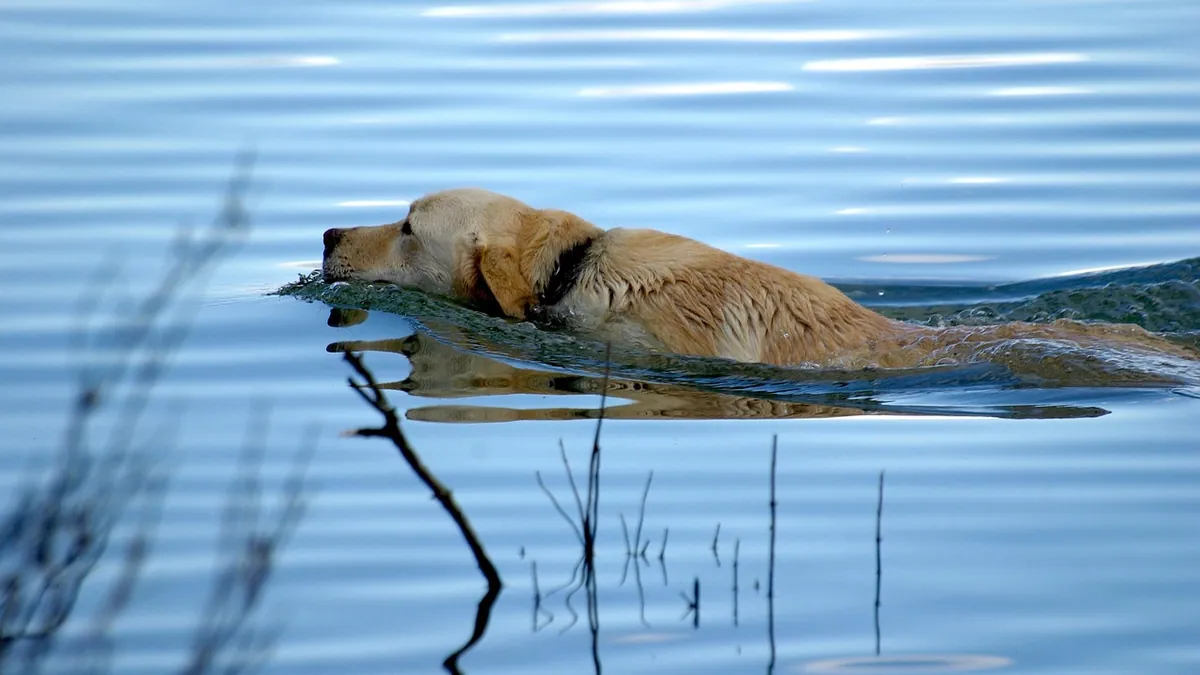
Is it safe for dogs to swim in lakes? Often yes, but the water itself decides. Most healthy dogs can enjoy a clean lake, river, pond, or ocean, yet some bodies of water carry toxins, currents, or contaminants that can make your dog sick or trap them. Before your dog jumps in, you need to judge the specific water in front of you, not water in general.
This article is educational and is not a substitute for veterinary diagnosis or treatment.
Quick Answer
- Clear, moving, cool water with no visible scum, odor, or dead fish is usually the safest choice, while warm, still, green-tinted water is the riskiest.
- Never let your dog drink from an unknown water source, since this can cause vomiting, diarrhea, and in some cases severe dehydration [1].
- Currents in rivers and along beaches can be very strong, especially for small dogs, so check the flow before you let your dog in [1].
- A well-fitted pet life jacket adds a layer of safety even for strong swimmers, because accidents happen fast [1].
- After any swim, rinse your dog, watch for vomiting, diarrhea, weakness, confusion, or trouble breathing, and call your veterinarian or a poison control line if signs appear.
How to Judge a Body of Water Before Your Dog Swims
The single most useful skill is reading the water. Do this from the shore, before your dog gets wet.
Look at the color and surface
Clear water with a visible bottom is a good sign. Avoid water that looks like pea soup, spilled paint, or green sludge. Those appearances suggest a cyanobacterial bloom, and many species of cyanobacteria produce toxins that affect human and animal health [2]. Foam, scum, or a mat of algae on the surface is a stop sign, not a maybe.
Smell the air near the shore
If the water smells like rotting plants, sewage, or chemicals, keep your dog out. A healthy lake or river smells like nothing much at all.
Check for dead fish, birds, or wildlife
A shoreline with multiple dead fish or birds is a strong warning. Something in that water is killing animals, and your dog is not immune.
Test the current
Toss a stick or leaf into the water and watch how fast it moves. If it crosses several feet in a second, the current is too strong for most dogs. Currents along rivers and beaches can be very strong, especially for small pets, so factor your dog's size and swimming ability into the decision [1].
Check local advisories
Many state and county health departments post beach and lake closures for algae, bacteria, or sewage spills. A quick phone check or website look takes two minutes and can save you a veterinary visit.
Watch the temperature
Cold water drains body heat fast, even in summer. Very warm, shallow water grows more bacteria and algae. Mid-range temperatures are kindest to dogs.
Is It Safe for Dogs to Swim in Lakes, Rivers, Ponds, and the Ocean?
Each water type has its own risks. Here is how they compare.
| Water type | Main risks | Safer conditions | Extra cautions |
|---|---|---|---|
| Lake | Cyanobacteria (blue-green algae), bacteria, parasites, boat traffic | Clear water, cool temperatures, no visible bloom | Avoid warm, still, green water and areas with lots of waterfowl |
| River | Strong currents, debris, hidden rocks, upstream pollution | Slow, shallow, wide sections with easy exit points | Never swim near dams, rapids, or after heavy rain |
| Pond | Stagnant water, algae, runoff, fertilizer, pesticides | Rarely ideal, small and clear with no scum | Small ponds heat up fast and concentrate contaminants |
| Ocean | Saltwater toxicity, rip currents, waves, jellyfish, stingrays | Calm surf, lifeguarded beaches, low tide pools | Rinse immediately, prevent drinking, watch for vomiting or tremors |
Lakes and ponds
Lakes are the classic dog swimming spot, and most are fine on a normal day. The trouble comes from blooms, runoff, and still water. Warm, shallow, nutrient-rich ponds are the most likely to grow cyanobacteria. If you see green scum at the edge, keep your dog leashed and move on.
Rivers
Rivers look calm on the surface and move fast underneath. A dog that enters upstream of a strainer (a fallen tree with branches in the water) can be pulled under and trapped. Enter at a wide, shallow spot with a gentle slope, and stay downstream of your dog so you can intercept them if needed. Avoid rivers for 24 to 48 hours after heavy rain, when runoff and bacteria spike.
Oceans
Ocean swimming is safe for many dogs in calm conditions, but saltwater is the hidden hazard. A dog that swallows a lot of saltwater can develop saltwater toxicity, which causes vomiting, diarrhea, weakness, confusion, and in severe cases seizures or worse. Bring fresh water and a bowl so your dog drinks the right thing. Rinse your dog's coat and paws with fresh water after the swim to prevent skin irritation and to stop them from licking salt off their fur.
Is It Safe for Dogs to Drink Lake Water?
No, not from an unknown source. Never let your pet drink from an unknown source of water, because this can lead to vomiting, diarrhea, and in some instances severe dehydration [1]. Lake, river, pond, and ocean water can all carry bacteria, parasites, algae toxins, and salt.
Bring fresh water from home and offer it often. Frequent water breaks matter on any outing, so pack water and a collapsible bowl and give your dog chances to drink [3]. If your dog refuses to drink and seems off, see our guide on a dog not drinking water.
Step-by-Step: A Safe Swim Session
- Scout first. Walk the shoreline, check the color and smell, look for dead wildlife, and read any posted advisories.
- Pick your entry point. Choose a gentle slope with an easy exit. Steep banks and slick rocks trap dogs.
- Fit a life jacket. There are no standards in life jacket design for dogs, so research flotation devices and read reviews before you buy [1]. Even dogs considered the best swimmers could have an unforeseen accident, so use precautions [1].
- Go in with your dog or stay close. Keep your eyes on them at all times, especially if they are off leash [1].
- Limit the session. Short swims of 10 to 15 minutes with rest breaks are easier on the body than long, exhausting ones. Watch for heavy panting and slowing pace.
- Block drinking. Call your dog out if they start lapping water.
- Rinse and dry. Fresh water rinse, towel dry, and check ears, paws, and skin.
- Watch for 24 to 48 hours. Most waterborne illness shows up within a day or two.
Signs That Something Is Wrong
Right after the swim
- Vomiting or diarrhea
- Weakness, wobbling, or collapse
- Confusion, disorientation, or head pressing
- Tremors or seizures
- Heavy drooling or lip smacking
- Trouble breathing or coughing
- Blue or pale gums
Any of these after swimming in a lake, river, pond, or ocean needs a call to your veterinarian right away. If your dog inhaled water and is coughing or struggling to breathe, treat it as an emergency and read our guide on drowning and near-drowning in dogs.
Within 1 to 2 weeks
Leptospirosis is a bacterial infection spread through urine from infected wildlife and rodents, and it can enter through cuts, the mouth, or the eyes. Signs include fever, lethargy, vomiting, diarrhea, jaundice (yellow gums or eyes), and increased drinking and urination. Some dogs develop kidney or liver failure. If your dog swam in a river, pond, or slow-moving water and then got sick within one to two weeks, tell your veterinarian about the exposure. Leptospirosis is treatable with antibiotics when caught early, and it can spread to people, so mention it to your own doctor if you handled a sick dog.
Within minutes to hours
Blue-green algae poisoning moves fast. Signs include vomiting, diarrhea, drooling, weakness, staggering, tremors, seizures, and difficulty breathing. There is no home remedy. Call your veterinarian or a pet poison control line immediately.
Within a few hours of ocean swimming
Saltwater toxicity signs include vomiting, diarrhea, lethargy, incoordination, tremors, and seizures. Offer fresh water in small amounts and call your veterinarian or a poison control line.
Common Mistakes Owners Make
- Letting the dog drink from the lake. This is the most common and most preventable mistake [1].
- Skipping the life jacket because the dog swims well. Strong swimmers still tire, panic, or get caught in currents [1].
- Swimming in warm, still, green water. That is prime cyanobacteria habitat [2].
- Ignoring currents. Rivers and beaches can have currents that overwhelm small dogs [1].
- Swimming right after applying flea and tick spot-on products. Dogs treated with spot-on fipronil or imidacloprid release measurable amounts of these compounds into the water when they swim, and risk quotients indicate a risk to aquatic ecosystems throughout the products' duration of action [4]. Follow the label's swimming restriction, and if you are unsure, ask your veterinarian.
- Forgetting the ears. Moisture in the ear canal feeds yeast and bacteria. Dry the outer ear gently after every swim.
- Assuming a dog that is scared of water is just being stubborn. Sudden fear can signal pain, vision changes, or a bad experience. See why is my dog suddenly scared of the water.
Supplies and Setup That Matter for Health
- Fresh water and a collapsible bowl. Offer drinks often, especially in heat [3].
- A fitted pet life jacket. Check the fit around the chest and under the belly, and test it in shallow water first [1].
- A long line or leash. Useful near currents and in areas with leash laws, which are often strictly enforced [1].
- A towel and fresh-water rinse jug. Rinsing removes salt, algae, and irritants.
- Ear drying solution or a clean cloth. Dry the outer ear only, never push anything into the canal.
- A first aid kit. Include gauze, saline, tweezers for stingers, and a thermometer.
- Vaccination records. Keep leptospirosis vaccination status current if your dog swims often. Your veterinarian decides whether the vaccine fits your dog's risk.
- A phone with your vet's number and a poison control line saved. Minutes matter with algae and saltwater toxicity.
Heat, Fitness, and Water Safety
Heat and swimming often go together, and heat illness is a real risk on hot days. If your dog gets overheated, bring them into cool air conditioning with access to water immediately, wet them with cool water, and place them in front of a fan, making sure double-coated breeds are wet down to the skin [3]. Swimming pools and sprinklers are also effective tools to keep dogs cool [3].
Fitness matters too. Overweight dogs tire faster, sink lower in the water, and overheat sooner. If your dog needs to lose weight before swim season, see our guide on dog weight management.
One more thing to know: swimming is not automatically natural for every dog. If your pet does not want to go into the water, do not force the issue [1]. Start in shallow water, reward calm behavior, and let your dog set the pace.
Limitations and When to Contact a Veterinarian
No article can judge the water in front of you or examine your dog. Individual cases need a veterinarian who can take a history, run tests, and treat your dog.
Call your veterinarian the same day if your dog:
- Vomits or has diarrhea more than once after swimming
- Seems tired, weak, or "not themselves"
- Has a fever, yellow gums, or yellow eyes
- Drinks and urinates much more than usual
- Has ear odor, head shaking, or ear pain
Go to an emergency clinic now if your dog:
- Has seizures, tremors, or collapse
- Is struggling to breathe, coughing, or has blue gums
- Swallowed a large amount of saltwater
- Was near visible blue-green algae and is now sick
- Was pulled under water or inhaled water
Schedule a routine visit if:
- Your dog swims often and you want to discuss leptospirosis vaccination
- Your dog has repeated ear infections after swimming
- Your dog is overweight and you want a safe exercise plan
You can also call a pet poison control line for guidance on algae, saltwater, or unknown water exposure. Have your dog's weight, the location, and the time of exposure ready.
Frequently Asked Questions
Can my dog get sick from swallowing a little lake water?
A small accidental gulp usually causes no more than mild stomach upset, but repeated drinking can lead to vomiting, diarrhea, and dehydration [1]. The bigger concern is what is in the water, such as algae toxins, bacteria, or parasites. Bring fresh water so your dog is not tempted to drink the lake.
How do I know if a pond has blue-green algae?
Look for water that resembles pea soup, spilled paint, or green scum along the shore, and avoid it. Cyanobacterial blooms are increasingly common in freshwater used for swimming, and many species produce toxins that affect animal health [2]. When in doubt, keep your dog out and report the bloom to your local health department.
Should my dog wear a life jacket in a lake?
Yes, especially for small dogs, senior dogs, or any dog swimming in open water. There are no standards in life jacket design for dogs, so research flotation devices and read reviews before buying [1]. Even excellent swimmers can tire or panic, and a jacket buys time.
Is saltwater bad for dogs?
Saltwater is fine on the coat for a short swim, but swallowing it is dangerous. Rinse your dog with fresh water afterward and prevent them from drinking ocean water. Signs of saltwater toxicity include vomiting, diarrhea, weakness, tremors, and seizures, and they need veterinary care.
Can my dog swim after flea and tick treatment?
Follow the product label, and ask your veterinarian if the instructions are unclear. Dogs treated with spot-on fipronil or imidacloprid release these compounds into the water when they swim, and the environmental risk persists throughout the product's duration of action [4]. If your dog swims in natural water often, ask your veterinarian about the best parasite prevention for your situation.
Related Articles
- Why Is My Dog Suddenly Scared of the Water?
- Drowning and Near-Drowning Dogs: Water Aspiration and Emergency Protocol
- Dog Not Drinking Water: Home Care and When to Worry
- Can Dogs Eat Salmon? Salmon Poisoning Disease Risks
- Dog Weight Management: How to Help Your Dog Lose Weight Safely
- Can Dogs Eat Mackerel? Omega-3 vs Mercury Balance
- Are All Dogs Natural Swimmers? Breeds and Safety
- Do Dogs Instinctively Know How to Swim?
- Dog Allergic to Water? Water Intolerance Explained
References
- Pet Water Safety. Pet Poison Helpline.
- Burden of recreational water illness due to exposure to cyanobacteria and their toxins in freshwater beaches in Canada: protocol of a prospective cohort study. BMJ open, 2024.
- Summer heat safety tips for dogs. Cornell University College of Veterinary Medicine.
- Swimming emissions from dogs treated with spot-on fipronil or imidacloprid: Assessing the environmental risk. The Veterinary record, 2025.