Dog Ripped Out a Nail: Quick Care and Healing Steps
By Dr. Zubair Khalid, DVM, MS, PhD ·
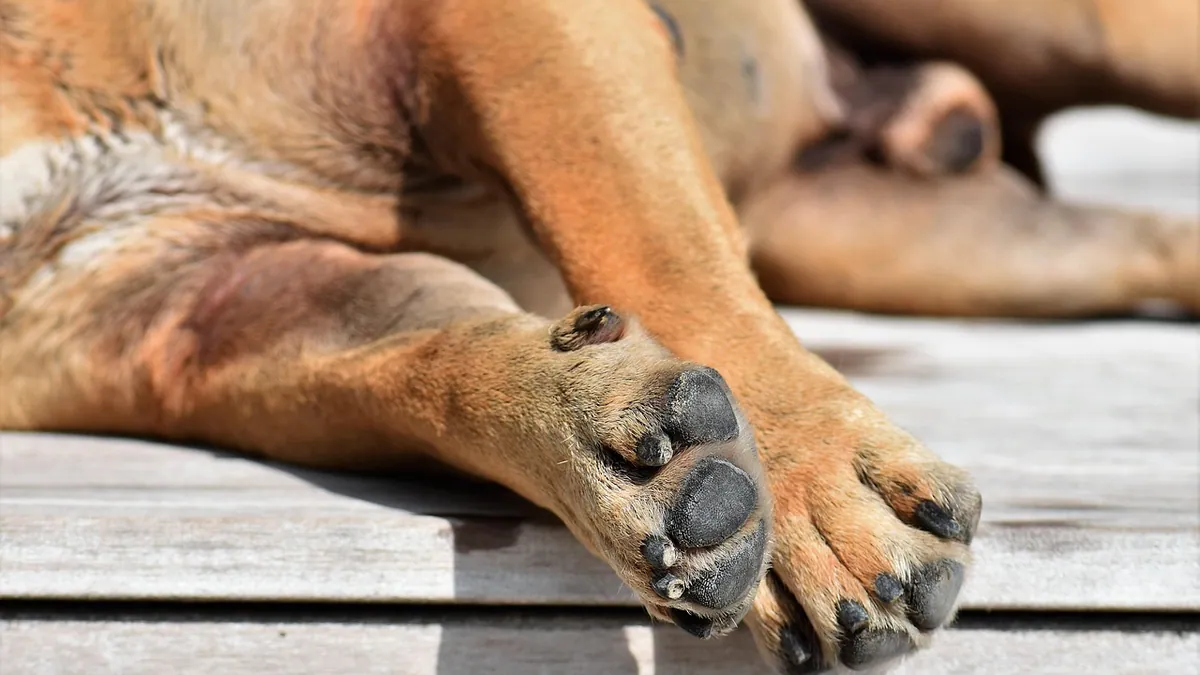
If your dog rips a toenail off, stay calm and act fast. Most torn nails can be managed at home with pressure, cleaning, and a light bandage, but some need a veterinarian the same day. This guide walks you through how to treat dog nail ripped off safely and what healing should look like.
This article is educational and is not a substitute for veterinary diagnosis or treatment.
Quick Answer
- Apply firm, steady pressure with a clean cloth or gauze for at least 5 to 10 minutes without peeking to stop bleeding.
- Clean the area with plain warm water or a diluted pet-safe antiseptic, then pat dry.
- If the nail is hanging by a thread, do not pull it off yourself. Cover it and call your vet.
- Wrap the paw loosely with gauze and a self-adhesive bandage, and change it daily or whenever it gets wet or dirty.
- See a vet the same day if bleeding will not stop after 10 to 15 minutes, if the nail is fully gone and the quick is exposed, or if you see pus, swelling, or a bad smell.
What a Ripped Nail Looks Like and What Is Normal
A torn nail usually means part of the hard outer shell (the nail plate) has cracked or separated from the quick. The quick is the pink, living tissue inside the nail that contains blood vessels and nerves. When the nail breaks near the base, the quick is exposed, and that is what causes bleeding and pain.
Normal findings right after an injury:
- Bright red bleeding that slows with pressure
- A cracked, split, or partially detached nail
- Licking or chewing at the paw
- Limping or holding the paw up
- Sensitivity when you touch the toe
The distal phalanx is the bone inside the toe that supports the nail, and the ungual process is the bony tip that the nail sits on [1]. Damage to this area can look minor on the outside but still involve deeper tissue. That is one reason a nail that keeps bleeding or looks deformed deserves a closer look.
Main Causes of a Ripped Dog Nail
Most torn nails happen from everyday accidents, but some are linked to underlying disease. The table below helps you sort out what you are likely dealing with.
| Cause | Typical clues | How urgent |
|---|---|---|
| Trauma (catching the nail on carpet, fence, crate, or furniture) | Sudden yelp, bleeding, one nail affected, no prior history | Usually home care, vet if bleeding will not stop |
| Overgrown nails | Long nails that click on the floor, frequent snags | Routine visit for trimming |
| Nail bed tumor (subungual keratoacanthoma) | Swelling of the toe, a mass under the nail, repeated nail loss on the same digit | Vet visit soon, imaging often needed |
| Drug reaction (onychomadesis) | Multiple nails sloughing, recent medication history | Contact your vet right away |
| Infection or fungal disease | Redness, discharge, odor, thickened nail | Vet visit |
Trauma is by far the most common reason a nail comes off. Overgrown nails catch more easily, so keeping nails trimmed is one of the simplest ways to lower the risk. If you are unsure how short to go, see How To Cut Dog Nails and How To Trim Dog Nails.
Some causes are medical, not mechanical. A benign nail bed tumor called subungual keratoacanthoma can cause bone changes in the toe, including lysis (breakdown) of the distal phalanx and its ungual process [1][2]. In one case series, all seven affected digits had osteolysis of the ungual process and crest along with soft tissue swelling, and six of seven had complete destruction of the ungual process [1]. Another study found lysis of the middle phalanx and distal phalanx in six dogs, and only the distal phalanx in the other six [2]. These tumors generally have an excellent prognosis after surgical removal [1].
Drug reactions are another cause. A dog treated with hydroxyurea for chronic myeloid leukemia developed onycholysis (nail sloughing) with exposure of the distal phalanx after 35 days of treatment, and the nail lesions healed about three months after the drug was stopped [3]. This is a rare situation, but it shows that multiple nails coming off at once is a different problem from a single torn nail.
Red Flags That Make It an Emergency
Call an emergency clinic or your veterinarian right away if you see any of these:
- Bleeding that continues after 10 to 15 minutes of steady pressure
- The nail is completely gone and you can see exposed tissue or bone
- The toe is bent at an odd angle, which can mean a fracture
- The paw is swelling rapidly or feels hot
- Your dog is pale, weak, wobbly, or breathing fast
- A nail came off with no trauma and no obvious cause
- Multiple nails are loose or falling off
- You cannot keep your dog from chewing at the paw and it is getting worse
A single torn nail is often minor. A torn nail plus a swollen, painful toe is not. When in doubt, call your vet and describe what you see.
How to Treat Dog Nail Ripped Off at Home
These steps are for a stable dog with a single torn nail and controlled bleeding. If your dog is in severe pain, snapping, or bleeding heavily, skip to the vet.
Step 1: Stop the bleeding
Wrap a clean cloth or gauze around the toe and press firmly. Hold steady pressure for 5 to 10 minutes. Do not lift the cloth to check every 30 seconds, because that breaks the clot. If the cloth soaks through, add another layer on top instead of removing the first one.
If you have styptic powder or a pet-safe clotting product, you can apply it to the tip. Do not use human products that contain ingredients your vet has not approved.
Step 2: Clean the wound
Once bleeding has slowed, flush the toe gently with plain warm water. You can use a diluted pet-safe antiseptic if your vet has recommended one. Pat the area dry with clean gauze. Do not scrub the exposed quick, because that restarts bleeding.
Step 3: Decide about the hanging nail
If a piece of nail is hanging loose, do not yank it off. A partially attached nail can act like a lever and tear more tissue. Cover it and let your vet decide whether to trim or remove it. This is one of the most common mistakes owners make, and it usually makes bleeding worse.
Step 4: Bandage lightly
Place a nonstick pad over the toe, then wrap gauze around the paw. Cover it with a self-adhesive bandage, but keep it snug, not tight. You should be able to slide one finger under the wrap. A bandage that is too tight can cut off circulation.
Check the bandage several times a day. Remove it if the toes swell, turn cold, or change color. Change the bandage daily, and any time it gets wet or dirty. A wet bandage traps bacteria and can lead to infection.
Step 5: Limit activity
Keep your dog on leash for bathroom breaks and skip runs, stairs, and rough play until the toe looks healed. A cone or an inflatable collar can stop licking, which is a major cause of infection. If your dog will not leave the paw alone, the collar is not optional.
Step 6: Watch for infection
Signs of infection include increased redness, swelling, warmth, pus, a bad smell, or worsening pain after the first day or two. If you see these, call your vet. For more on this, read Dog Nail Infection: Signs, Causes, and Treatment.
If bleeding restarts or will not stop, see How to Stop a Dog's Bleeding Nail: Quick First Aid. If the nail is cracked but still attached, Dog Broken Nail: What Should You Do? covers that situation.
What the Veterinarian Will Check and Test
Your vet will start with a hands-on exam of the toe, paw, and leg. They will check for swelling, instability, and pain, and they will look at the nail bed itself.
Depending on what they find, they may recommend:
- Nail trimming or removal. If a nail fragment is hanging, the vet can trim it back cleanly and control any bleeding.
- Radiographs (X-rays). These help look at the bones inside the toe. Bone changes such as osteolysis of the distal phalanx can occur with nail bed tumors, and these changes can look similar to more serious cancers on imaging [1][2].
- Cytology or biopsy. If there is a mass or the nail keeps coming off on the same toe, a sample can identify what is growing there.
- Blood work. This is used when multiple nails are affected or when a drug reaction or systemic illness is suspected [3].
- Bandaging or a protective covering. Some vets place a light bandage or a protective boot to let the nail bed heal.
Treatment depends on the cause. Trauma cases often need only cleaning, bandaging, and pain control. Tumors usually need surgical removal, which carries an excellent prognosis for subungual keratoacanthoma [1]. Drug-related nail loss is managed by stopping the medication, and healing can take months [3].
Your vet will calculate any medication dose based on your dog's weight and health. Do not give human pain relievers, because some are toxic to dogs.
Healing Timeline and Monitoring
Healing time varies with how much of the nail and quick were damaged.
- First 24 to 48 hours: Bleeding should stop, and pain should improve with rest and any medication your vet prescribes.
- First week: The exposed quick starts to dry and form a protective surface. Keep the paw clean and covered if your dog will not stop licking.
- Two to four weeks: A new nail may begin to grow. It often looks uneven at first.
- One to three months: Full regrowth can take this long, and some nails never grow back normally.
For drug-related nail sloughing, clinical healing of the nail lesions was seen about three months after the medication was stopped [3]. That is a useful reference point for how slowly nails can recover.
Monitor daily for:
- Swelling that is getting worse instead of better
- Discharge, odor, or color change
- Limping that does not improve after a few days
- A nail that keeps falling off on the same toe
- New nails becoming loose on other toes
Prevention
You cannot prevent every accident, but you can lower the odds.
- Keep nails trimmed to a healthy length so they do not catch on surfaces.
- Check paws after walks, hikes, and time in the yard.
- Keep your dog's nails filed smooth if they have rough edges.
- Use booties in rough terrain if your dog is prone to nail injuries.
- Ask your vet to check any toe that has had repeated nail problems, because repeated nail loss on one digit can be a sign of a tumor [1][2].
- Tell your vet about all medications your dog takes, since some drugs can affect the nails [3].
Limitations and When to Contact a Veterinarian
This article cannot tell you whether your dog's specific injury involves bone, infection, or a tumor. Only a veterinarian can examine the toe, take images, and decide on treatment.
Contact your veterinarian the same day if bleeding will not stop after 10 to 15 minutes of pressure, if the nail is completely gone with exposed tissue, if the toe is swollen or deformed, or if your dog is in significant pain.
Go to an emergency clinic now if your dog is weak, pale, collapsing, bleeding heavily, or has a toe that is bent at an abnormal angle.
Schedule a routine visit if a nail came off without trauma, if the same toe keeps losing nails, if multiple nails are affected, or if the toe has a lump or persistent swelling.
Frequently Asked Questions
Should I pull off a nail that is hanging?
No. Leave a hanging nail in place and cover it. Pulling it can tear more tissue and restart bleeding. Your vet can trim or remove it safely.
How long does it take for a dog's nail to grow back?
It often takes one to three months for a nail to regrow, and regrowth may be uneven. In one reported drug-related case, nail lesions healed about three months after the medication was stopped [3].
Can I walk my dog with a torn nail?
Keep walks short and on leash until the toe heals. Running, jumping, and rough surfaces can reopen the wound. Use a boot or bandage if your vet recommends it.
What if my dog keeps licking the paw?
Licking is a common cause of infection and delayed healing. Use a cone or inflatable collar until the toe is healed. If your dog still reaches the paw, call your vet.
Is a torn nail always an emergency?
No. Many torn nails can be managed at home with pressure, cleaning, and bandaging. It becomes urgent when bleeding will not stop, the toe is swollen or deformed, or the nail came off without a clear cause.
Related Articles
- Dog Broken Nail: What Should You Do?
- How To Cut Dog Nails
- How to Stop a Dog's Bleeding Nail: Quick First Aid
- How To Trim Dog Nails
- Dog Nail Infection: Signs, Causes, and Treatment
- How To Clip Dog Nails
- Dog Losing a Nail: What to Do and When to Vet
- Split Nail in Dogs: What to Do and How to Treat It
- Dog Limping From a Broken or Split Nail: What to Do
References
- Radiographic features of subungual keratoacanthomas in dogs. Veterinary radiology & ultrasound : the official journal of the American College of Veterinary Radiology and the International Veterinary Radiology Association, 2022.
- Radiographic characteristics of canine subungual keratoacanthoma. Veterinary radiology & ultrasound : the official journal of the American College of Veterinary Radiology and the International Veterinary Radiology Association, 2022.
- Hydroxyurea-induced onychomadesis in a dog with chronic myeloid leukemia: A case report. Topics in companion animal medicine, 2018.