Dog Diarrhea With Lethargy and No Appetite: When to Worry
By Dr. Zubair Khalid, DVM, MS, PhD ·
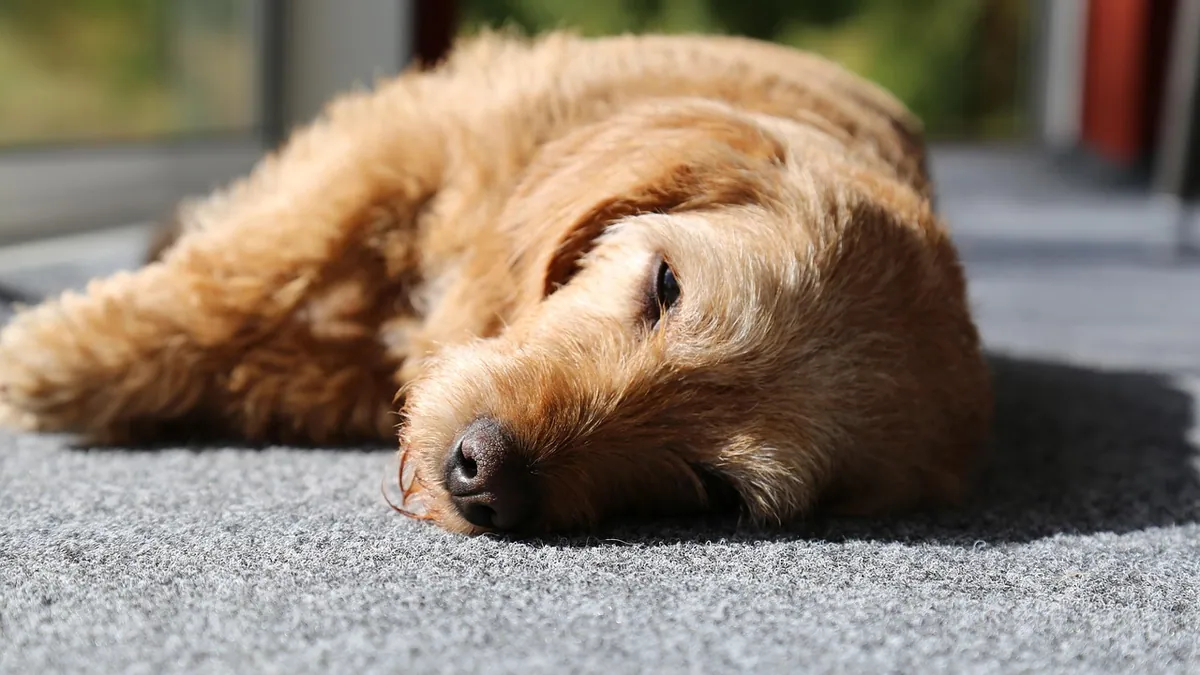
When a dog has diarrhea along with lethargy and no appetite, the combination matters more than any single symptom. A dog that is quiet, won't eat, and has loose stool may be dehydrated or fighting a systemic illness, and that is a reason to call your veterinarian instead of wait it out. Mild diarrhea in an otherwise happy dog often settles on its own, but lethargy and appetite loss are the signals that separate a wait-and-see case from a see-the-vet case [1].
This article is educational and is not a substitute for veterinary diagnosis or treatment.
Quick Answer
- Diarrhea alone in a dog that is still eating, drinking, and acting normal is often mild and self-limiting, but diarrhea plus lethargy or appetite loss means you should seek veterinary care [1].
- Call your vet the same day if your dog stops eating, seems tired, vomits along with the diarrhea, or has diarrhea that lasts more than 48 to 72 hours [1].
- Go to an emergency clinic now if you see black or tarry stool, blood, repeated vomiting, collapse, pale gums, or a puppy with these signs [1][2].
- Puppies are at high risk because parvovirus causes severe, contagious gastroenteritis mostly in unvaccinated dogs younger than six months [2].
- Do not give human anti-diarrheal or anti-nausea medications unless your veterinarian tells you to. The dose depends on your dog's weight and health, and your vet sets it.
What Dog Diarrhea With Lethargy Usually Looks Like
Diarrhea means stool passes through the gut too quickly for water to be absorbed, so excess water leaves the body with the waste [1]. You may see soft cow-pat stool, watery puddles, frequent urgent trips outside, or accidents in the house. Some dogs strain or have mucus or blood in the stool.
Lethargy is different from normal tiredness. A lethargic dog is dull, slow to respond, sleeps more than usual, and may not greet you at the door. Appetite loss (vets call it anorexia) means your dog turns down food it normally wants. Both of these tell you your dog does not feel well, and they can point to something beyond simple stomach upset [1].
A normal dog with mild diarrhea still has energy, still drinks, and still wants dinner. That dog can often be watched at home for a day or two. A dog that is flat, off food, or getting worse needs a veterinarian.
Main Causes of Diarrhea With Lethargy in Dogs
Many conditions can cause this pattern. Some are mild and some are life threatening, and the clues in your dog's history help your vet sort them out.
| Cause | Typical clues | How urgent |
|---|---|---|
| Simple dietary upset or uncomplicated diarrhea | Soft stool, dog still bright and eating, no vomiting | Often self-limiting, watch 48 to 72 hours [1] |
| Dehydration from diarrhea and vomiting | Tacky gums, skin that stays tented, weakness, lethargy | Same day, can progress to organ failure [1] |
| Canine parvovirus | Puppy under six months, unvaccinated, sudden lethargy and appetite loss, then vomiting and bloody, foul-smelling diarrhea | Emergency now [2] |
| Idiopathic acute hemorrhagic diarrhea syndrome (AHDS) | Sudden bloody diarrhea in an adult dog, often with vomiting | Same day to emergency, depends on severity |
| Bacterial or viral enteritis (for example Campylobacter or enteric viruses) | Acute diarrhea, sometimes after eating table scraps or trash, more common in puppies | Same day if lethargic or not eating [3] |
| Systemic illness such as protothecosis | Chronic gut signs plus acute lethargy, weakness, abnormal electrolytes | Emergency, these dogs can be critically ill [4] |
| Tick-borne or other infections (for example Hepatozoon canis) | Young puppy, pale gums, lethargy, severe gut signs | Same day, needs blood testing |
Some of these are common and some are rare, but they can look alike at home. That is why a veterinarian's exam and testing matter when your dog is lethargic or refusing food.
Why the combination is more serious than diarrhea alone
Diarrhea pulls water and electrolytes out of the body. Vomiting speeds that loss up. Dehydration causes electrolyte imbalances, strains the kidneys, and in severe cases can lead to organ failure and death [1]. A lethargic dog may already be dehydrated or may have an infection that is affecting the whole body, not just the gut.
Puppies need faster action
Puppies get sick faster and have less reserve. Parvovirus is highly contagious and most severe in unvaccinated dogs younger than six months, and it can cause sudden lethargy and appetite loss before the vomiting and bloody diarrhea even start [2]. If you have a puppy sick and lethargic with diarrhea, treat it as an emergency. Young dogs can also pick up infections such as Campylobacter more often than adults, and recent table scraps or trash raises that risk [3].
Red Flags That Mean Emergency
Some signs mean you should stop reading and go to a veterinary emergency hospital now.
- Black, tarry stool or obvious blood in the diarrhea [1]
- Vomiting along with the diarrhea, especially repeated vomiting [1]
- A puppy with diarrhea, lethargy, or appetite loss [2]
- Pale or white gums, weakness, collapse, or trouble standing
- Diarrhea that will not stop, or a dog that cannot keep water down
- A dog that seems painful, has a swollen belly, or is breathing fast
- Known or suspected exposure to toxins, human medications, or spoiled food
If your dog is not eating at all and also seems tired, that pairing alone is enough to call your vet the same day [1]. For help with a dog that has stopped eating, see Dog Not Eating: When to Worry and What to Do.
Safe Things You Can Do at Home While You Wait
Home care does not replace a vet visit when your dog is lethargic or off food, but a few steps can keep your dog safer until you are seen.
Keep water available
Offer small amounts of fresh water often. Do not let your dog gulp a huge bowl at once if it has been vomiting, since that can trigger more vomiting. If your dog refuses water entirely, that is a reason to call the vet right away.
Offer bland food only if your vet agrees
Some vets suggest a small amount of plain, bland food for a dog that is bright and only mildly loose. If your dog is lethargic or will not eat, do not force food. Forcing food or water can cause choking or more vomiting. If your dog is refusing food, read Dog Not Eating for One Day: When to Start Worrying for guidance on timing.
Skip human medications
Do not give over-the-counter anti-diarrheal, anti-nausea, or pain medications unless your veterinarian specifically prescribes them for your dog. Many human drugs are unsafe for dogs, and the correct dose depends on your dog's weight and health. Your vet calculates that dose.
Collect a stool sample
If you can, scoop a fresh stool sample into a clean bag or container and bring it to the appointment. It can save time and may help your vet identify parasites, bacteria, or viruses [3][5].
Watch for changes
Note how many times your dog has had diarrhea, whether there is blood or black color, whether it is vomiting, and how much it is drinking. This history helps your vet decide how urgent the case is.
What Your Veterinarian Will Check and Test
Your vet will start with a full physical exam. They will check your dog's hydration by looking at the gums and skin, feel the abdomen, take the temperature, and check heart rate and breathing. A puppy with parvovirus, for example, may show a specific pattern of vital signs along with the history of sudden lethargy and appetite loss [2].
Testing depends on your dog's age, history, and exam findings. Common steps include:
- Blood work to check electrolytes, kidney values, blood sugar, and blood cell counts. Severe electrolyte changes can happen with gut disease and with systemic illness [4].
- A stool check for parasites, bacteria, and viruses. Tests such as PCR can detect organisms like Campylobacter jejuni, which is more common in puppies and in dogs that recently ate table scraps or trash [3].
- A parvovirus test for puppies and unvaccinated dogs with bloody diarrhea [2].
- Imaging such as X-rays or ultrasound if your vet suspects a blockage, foreign body, or other internal problem.
- Specific tests if your vet suspects a less common cause, such as tick-borne infection or a systemic disease[4].
Treatment may include fluids under the skin or into a vein, medications for nausea or infection, and a plan for reintroducing food. Your vet will set the exact treatment and doses for your dog.
Prevention and Monitoring
You cannot prevent every case of diarrhea, but you can lower the risk and catch problems early.
- Keep vaccinations current. Parvovirus is most dangerous to unvaccinated puppies under six months [2].
- Limit table scraps and trash. Dogs that recently ate table scraps or trash were more likely to carry Campylobacter in one study [3].
- Use tick prevention as your vet recommends. Some infections that cause lethargy and gut signs can be spread by ticks.
- Watch young puppies closely. Puppies are more likely to pick up enteric infections, and they get dehydrated faster [3][2].
- Track mild diarrhea. If your dog is still bright and eating, note the time it started. If it has not improved in 48 to 72 hours, call your vet [1].
- Know your dog's normal. A dog that is usually playful and suddenly will not get up is telling you something. Trust that.
If your dog has diarrhea but is otherwise acting normal, you may be able to watch and wait. For help deciding, see Dog Diarrhea but Acting Normal: Should You Worry?.
Limitations and When to Contact a Veterinarian
No article can tell you what is wrong with your individual dog. Your veterinarian needs to examine your dog, ask about the history, and run tests to make a diagnosis. Use the timing below as a guide, and call if you are unsure.
Emergency now (go to a veterinary hospital):
- Black or tarry stool, heavy bleeding, or blood in vomit [1]
- Collapse, weakness, pale gums, or trouble breathing
- A puppy with diarrhea, lethargy, or appetite loss [2]
- Repeated vomiting with diarrhea and a dog that cannot keep water down [1]
- Suspected toxin, medication, or foreign body ingestion
Same day (call your vet):
- Diarrhea plus lethargy or appetite loss [1]
- Vomiting along with diarrhea [1]
- Diarrhea that lasts more than 48 to 72 hours [1]
- A dog that seems painful or has a swollen abdomen
- Any dog that is getting worse instead of better
Routine visit (schedule soon):
- Mild, occasional soft stool in a dog that is bright, eating, and drinking
- A dog with a known sensitive stomach that has a mild flare
- Follow-up after a recent gut illness
If your dog has diarrhea and is not eating, that combination deserves a call even if the diarrhea seems mild. See Dog Diarrhea and Not Eating: Causes and When to Act for more on that pattern.
Frequently Asked Questions
How long can I wait if my dog has diarrhea and is lethargic?
Do not wait long. Lethargy with diarrhea is one of the signs that veterinarians say should prompt care, and if the diarrhea has not resolved in 48 to 72 hours, veterinary attention should be sought [1]. If your dog is a puppy, is vomiting, or has blood or black stool, go now instead of waiting.
Can dehydration from diarrhea make my dog lethargic?
Yes. Diarrhea causes water to pass through the gut too quickly, and the body loses that water instead of absorbing it [1]. Vomiting makes the loss worse. Dehydration leads to electrolyte imbalances, extra strain on the kidneys, and in severe cases organ failure, so lethargy in a dog with diarrhea can be a sign of dehydration that needs treatment [1].
Is parvovirus always bloody diarrhea?
No. Parvovirus can start with sudden lethargy and appetite loss, and vomiting and diarrhea may follow a day later [2]. The diarrhea can become bloody and foul-smelling, but the early signs can look like a tired puppy that simply does not want to eat. That is why any unvaccinated puppy with these signs needs urgent care [2].
Should I give my dog human anti-diarrheal medicine?
No, not without your veterinarian's direction. Human medications can be harmful to dogs, and the correct dose depends on your dog's weight and health. Your veterinarian calculates the dose and decides whether any medication is appropriate.
Can my dog catch diarrhea-causing germs from table scraps or trash?
Dietary indiscretion is a known risk factor. In one study, dogs that had recently eaten table scraps or trash were more likely to shed Campylobacter jejuni, a bacterium linked to diarrhea, than dogs without that history [3]. Puppies were also more likely to carry it than adult dogs [3]. Keeping your dog out of the trash and limiting scraps lowers that risk.
Related Articles
- Dog Diarrhea and Not Eating: Causes and When to Act
- Dog Diarrhea but Acting Normal: Should You Worry?
- Dog Not Eating: When to Worry and What to Do
- Dog Not Eating for One Day: When to Start Worrying
- My Dog Won't Eat: When to Worry
- Dog Not Eating for 24 Hours: When to Start Worrying
- Dog Loss of Appetite: Causes and When to Worry
- Dog Diarrhea Without Vomiting: Causes and When to Call the Vet
- Dog Not Feeling Well: Signs, Causes, and What to Do
- Canine Intestinal Parasites Causing Diarrhea: Diagnosis, Treatment, and Prevention
References
- Diarrhea. Cornell University College of Veterinary Medicine.
- Parvoviral hemorrhagic gastroenteritis and its therapeutic intervention in a case of 5-month-old puppy. Companion animal health and genetics, 2026.
- Fecal Campylobacter jejuni shedding in healthy dogs and dogs with acute diarrhea in central New York. American journal of veterinary research, 2026.
- Severe Gastrointestinal Disease in a Dog Presenting With Hypoadrenocorticism-Like Electrolyte Derangements Due to Protothecosis. Journal of veterinary emergency and critical care (San Antonio, Tex. : 2001), 2026.
- Expanded detection of canine enteric viruses in UK dogs with diarrhoea. Microbial genomics, 2026.