When Do Dogs Poop After Eating? Normal Timing
By Dr. Zubair Khalid, DVM, MS, PhD ·
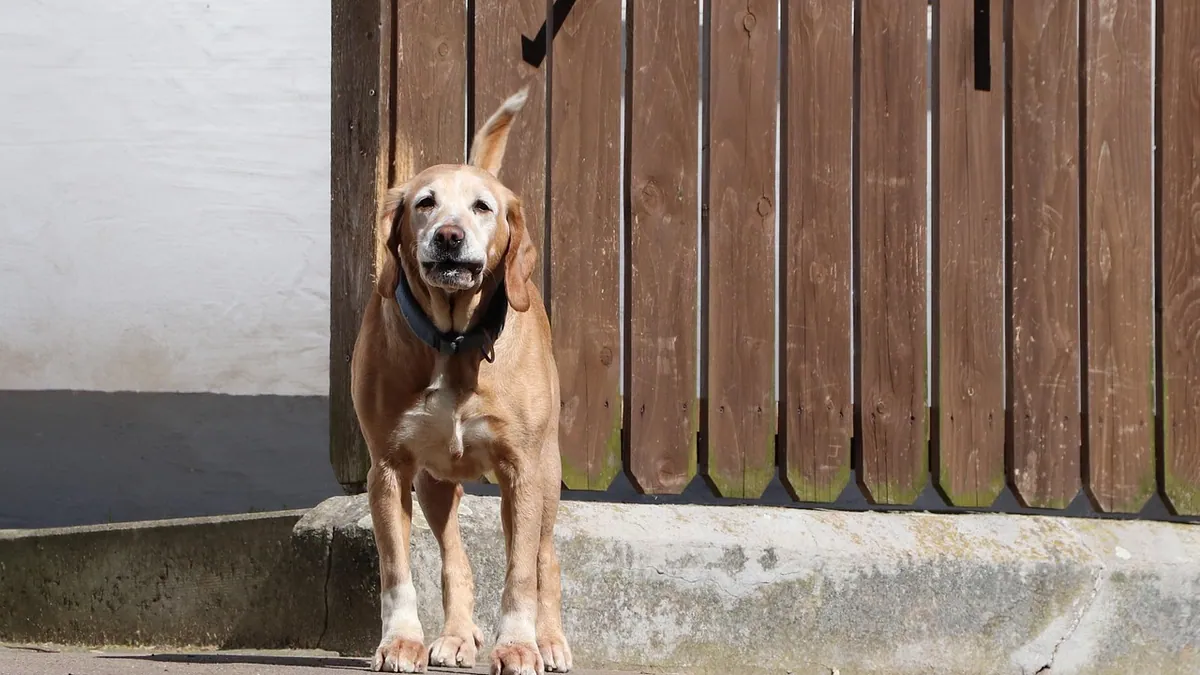
Most dogs poop within 30 minutes to 12 hours after eating, with a strong urge often hitting 30 to 60 minutes after a meal. That timing comes from the gastrocolic reflex, a normal nerve signal that tells the colon to move when food hits the stomach. Knowing when do dogs poop after eating helps you tell a healthy routine from a digestive problem.
This article is educational and is not a substitute for veterinary diagnosis or treatment.
Quick Answer
- Puppies often poop within 15 to 30 minutes of eating because their gastrocolic reflex is strong and their digestive tract is short.
- Adult dogs usually poop 30 minutes to 12 hours after a meal, depending on meal size, fiber, and how many meals they eat per day.
- Pooping 2 to 5 times a day is normal for most adult dogs, and puppies may go more often.
- A dog that strains, produces liquid stool, or goes more than 24 to 48 hours without pooping needs veterinary attention.
- Sudden changes in timing, color, or consistency matter more than the exact clock time.
What Normal Post-Meal Pooping Looks Like
The gastrocolic reflex is the engine behind post-meal pooping. When food stretches the stomach, nerves signal the colon to contract and push stool toward the exit. This is why many dogs head for the door right after breakfast or dinner.
Normal stool is firm, log-shaped, and easy to pick up. It holds its shape without being rock hard. Color ranges from chocolate brown to tan, depending on diet. A little variation between meals is fine.
Timing varies with age, size, diet, and how many meals your dog eats. A dog fed twice daily often poops twice daily, usually within an hour or two of each meal. A dog fed once daily may poop once or twice in a 24-hour window.
Puppies are a different story. Their digestive tracts are small, their reflexes are fast, and they eat more often. Many puppies poop within 15 to 30 minutes of a meal, and some go after every single meal. That is normal puppy behavior, not a sign of illness.
If your puppy skips a post-meal poop but seems comfortable, that is usually fine too. Watch the next few hours. If your dog is eating normally but has not pooped in a day or more, see Dog Not Pooping but Eating Normally: Causes and Solutions.
Do Puppies Poop After Every Meal?
Many puppies do poop after every meal, especially in the first few months of life. Their gastrocolic reflex is brisk, and their colon empties quickly. A puppy eating three or four small meals a day may poop three or four times a day or more.
How long do puppies poop after eating? Usually within 15 to 30 minutes. Some go almost immediately. Others take up to an hour. Both are normal.
Do puppies always poop after eating? No. A puppy that skips a post-meal poop once in a while is not automatically sick. Look at the whole picture. Is the puppy eating, drinking, playing, and acting normal? If yes, a missed poop is rarely a problem.
Puppies do have a higher risk of serious digestive illness than adult dogs. Viral infections that attack the intestinal lining can cause severe damage and bloody diarrhea, and young puppies may also develop heart involvement without digestive signs [1]. That is why puppy diarrhea, vomiting, or lethargy deserves a prompt call to your veterinarian.
Main Causes of Unusual Post-Meal Pooping
Timing shifts for many reasons. Some are harmless. Others need treatment.
| Cause | Typical clues | How urgent |
|---|---|---|
| Normal gastrocolic reflex | Poop 15 to 60 minutes after eating, formed stool, normal energy | Not urgent |
| Diet change or new food | Loose stool within a day or two of switching food | Call vet if it lasts more than 24 to 48 hours |
| Dietary indiscretion (garbage, table scraps) | Sudden diarrhea, gas, vomiting, poop soon after eating | Call vet same day |
| Intestinal infection (viral or bacterial) | Bloody diarrhea, vomiting, lethargy, poor appetite | Emergency if puppy or bloody |
| Parasites | Chronic loose stool, weight loss, visible worms | Routine visit soon |
| Food intolerance or allergy | Itchy skin, chronic gas, intermittent diarrhea | Routine visit |
| Stress or anxiety | Pooping during events, loose stool, no other signs | Routine visit |
| Rectal polyps or masses | Straining, blood in stool, diarrhea, tissue protruding from anus | Routine visit, sooner if bleeding |
| Delayed gastric emptying (gastroparesis) | Vomiting undigested food, bloating, weight loss | Urgent |
| Constipation or obstruction | Straining, no poop for 24 to 48 hours, vomiting | Emergency if vomiting or painful |
Some of these causes overlap. A dog with a rectal polyp may strain and produce bloody stool, and the polyp can sometimes protrude from the anus [2]. Polyps are usually benign, but larger ones are more likely to be malignant, so a veterinarian should examine any recurring rectal bleeding or straining [2].
Delayed stomach emptying is another cause of odd post-meal behavior. In dogs with severe gastroparesis after gastric dilatation-volvulus surgery, the stomach can become enlarged and static, leading to vomiting of undigested food and weight loss [3]. This is uncommon but serious.
Some medications and health conditions slow the gut. Dogs with tick paralysis have measurably lower contraction frequencies in the stomach, duodenum, and jejunum compared with healthy dogs [4]. That means food and stool move more slowly through the tract.
If your dog vomits soon after eating, that is a different problem from poop timing. See Dog Vomiting After Eating: Causes and When to Call the Vet.
Red Flags That Mean Emergency
Some signs mean you should stop reading and call a veterinarian now.
- Bloody diarrhea, especially in a puppy
- Vomiting that will not stop
- A hard, painful belly
- Straining to poop with nothing coming out
- No poop for more than 48 hours with vomiting or pain
- Collapse, weakness, or pale gums
- Pooping black, tarry stool
- A piece of tissue or mass sticking out of the anus
A dog that poops quickly after eating and seems fine is not an emergency. A dog that poops quickly after eating and looks sick is. Trust your gut on this one.
Puppies with bloody diarrhea need urgent care. Viral infections can damage the intestinal lining so badly that normal gut bacteria enter the bloodstream, which worsens the disease and can lead to secondary infections [1].
What You Can Do at Home While You Wait
If your dog's post-meal pooping is a little off but your dog seems well, a few safe steps can help.
Keep meals consistent. Sudden food changes upset the gut. If you need to switch foods, do it slowly over 7 to 10 days, mixing more of the new food in each day.
Measure portions. Overfeeding causes loose stool. Use a measuring cup, not a scoop-and-guess method.
Pick up promptly. This helps you track stool quality and prevents poop-eating, which is common in dogs. If your dog eats poop, read Why Does My Dog Eat Poop?.
Offer fresh water. Diarrhea and vomiting cause fluid loss. Make sure water is always available.
Do not give human medications. Never give anti-diarrheal or pain medications without veterinary guidance. Some are toxic to dogs, and dosing depends on your dog's weight and health.
Note the details. Write down when your dog ate, when it pooped, what the stool looked like, and any other signs. This helps your veterinarian a lot.
Withhold food only if your vet says so. Fasting is not right for every dog, especially puppies. Ask first.
If your dog has loose stool after meals, see Dog Diarrhea After Eating: Causes and How to Help.
What Your Veterinarian Will Check
Your veterinarian will start with a full history. They will ask about diet, timing, stool appearance, and any recent changes. Then they will do a physical exam.
A rectal exam is common when straining or blood is present. This lets the veterinarian feel for polyps or masses, which can be felt during a rectal examination and may bleed easily when touched [2].
Testing may include:
- Fecal float or fecal PCR to check for parasites and infections
- Blood work to check organ function and hydration
- X-rays or ultrasound to look for obstruction, masses, or delayed emptying
- A trial diet change if food intolerance is suspected
If a polyp is found, surgical removal usually leads to rapid recovery and long survival, though new polyps can develop later [2]. Your veterinarian may send a tissue sample for microscopic analysis to confirm the diagnosis [2].
If a prolapse is present, small or incomplete prolapses can often be manually replaced while the dog is anesthetized, sometimes followed by partial closure of the anus with stitches for 5 to 7 days [2]. A moist diet and stool softener are often recommended afterward [2].
For delayed stomach emptying, treatment depends on the cause. Some dogs need prokinetic drugs. In severe cases, surgery may be needed, and a sleeve-type gastrectomy has been used as a salvage option in one dog with end-stage disease [3].
Your veterinarian will calculate any medication dose based on your dog's weight and health. Never guess a dose at home.
Prevention and Monitoring
Most post-meal poop problems are preventable or manageable with good routine care.
Feed a consistent, balanced diet. Sudden changes are a common trigger for loose stool.
Stick to a schedule. Feeding at the same times each day helps regulate the gastrocolic reflex.
Control weight. Canine obesity is linked to gut bacteria changes, impaired gut barrier function, and low-grade inflammation [5]. Keeping your dog lean supports digestive health.
Use probiotics only with veterinary guidance. Some probiotic strains have shown benefits in overweight dogs, including reduced fasting hyperinsulinemia and preserved adiponectin levels, but effects are strain-specific [5]. Ask your vet before buying a product.
Watch for changes. A single soft stool is not a crisis. Three days of diarrhea is.
Schedule routine exams. Annual wellness visits help catch parasites, dental disease, and other issues early.
Track your dog's normal. Know how often your dog poops, what it looks like, and when it happens. That baseline makes changes obvious.
If your dog is vomiting and not eating, that combination can become serious faster than diarrhea alone. See Dog Vomiting and Not Eating: How Long Before It's Serious?.
Limitations and When to Contact a Veterinarian
This article gives general guidance. Every dog is different, and individual cases need a veterinarian who can examine your pet.
Contact your veterinarian the same day if:
- Your dog has diarrhea for more than 24 hours
- Your dog is straining to poop with little or no result
- You see blood or mucus in the stool
- Your dog has vomited more than once
- Your dog seems painful or uncomfortable
Go to an emergency clinic now if:
- Your dog's belly is hard and painful
- Your dog is vomiting repeatedly and cannot keep water down
- You see large amounts of blood
- Your dog is weak, collapsed, or unresponsive
- Your puppy has bloody diarrhea or is lethargic
Schedule a routine visit if:
- Your dog's poop timing changed and stayed changed
- Stool consistency is off but your dog acts normal
- You notice weight loss over weeks
- Your dog has chronic gas or intermittent loose stool
Frequently Asked Questions
How soon after eating should a dog poop?
Most dogs poop within 30 minutes to 12 hours after a meal. Puppies often go within 15 to 30 minutes. The gastrocolic reflex drives this timing, and it is stronger in young dogs.
Is it normal for a dog to poop 10 minutes after eating?
Yes, it can be normal. A fast gastrocolic reflex can trigger a bowel movement within minutes of a meal. If the stool is formed and your dog seems well, there is no cause for concern.
Why is my dog pooping more often after eating?
More frequent post-meal pooping can come from a high-fiber diet, overfeeding, food intolerance, or intestinal infection. If the stool is loose, bloody, or accompanied by vomiting, call your veterinarian.
Can a dog poop too fast after eating?
There is no set speed that is too fast on its own. What matters is stool quality and your dog's overall condition. Rapid post-meal pooping with normal stool is fine. Rapid pooping with diarrhea or pain is not.
When should I worry about my dog's poop schedule?
Worry if your dog has not pooped in more than 48 hours, is straining with no result, has bloody or black stool, or shows vomiting, lethargy, or pain. Any of these signs warrants a call to your veterinarian.
Related Articles
- Dog Diarrhea After Eating: Causes and How to Help
- Why Does My Dog Eat Poop?
- Dog Not Pooping but Eating Normally: Causes and Solutions
- Dog Vomiting After Eating: Causes and When to Call the Vet
- Dog Vomiting and Not Eating: How Long Before It's Serious?
- Dog Not Eating But Acting Normal: When to Wait and When to Call
- How Often Should Dogs Poop and Pee?
- Do Puppies Poop a Lot? Normal Puppy Pooping Explained
- Why Is My Dog Pooping So Much? Causes and When to Worry
References
- Disorders of the Stomach and Intestines in Dogs - Dog Owners. Merck Veterinary Manual.
- Disorders of the Rectum and Anus in Dogs - Dog Owners. Merck Veterinary Manual.
- Severe post-GDV gastroparesis managed with sleeve-type gastrectomy in a dog. The Journal of small animal practice, 2026.
- Ultrasonographic evidence of gastrointestinal hypomotility in dogs with tick paralysis (Ixodes holocyclus): a prospective pilot study. Australian veterinary journal, 2026.
- Metabolic and endocrine modulation of the gut-adipose tissue axis via pro-, pre-, and postbiotics in overweight dogs: A systematic review. Domestic animal endocrinology, 2026.