Do Puppies Poop a Lot? Normal Puppy Pooping Explained
By Dr. Zubair Khalid, DVM, MS, PhD ·
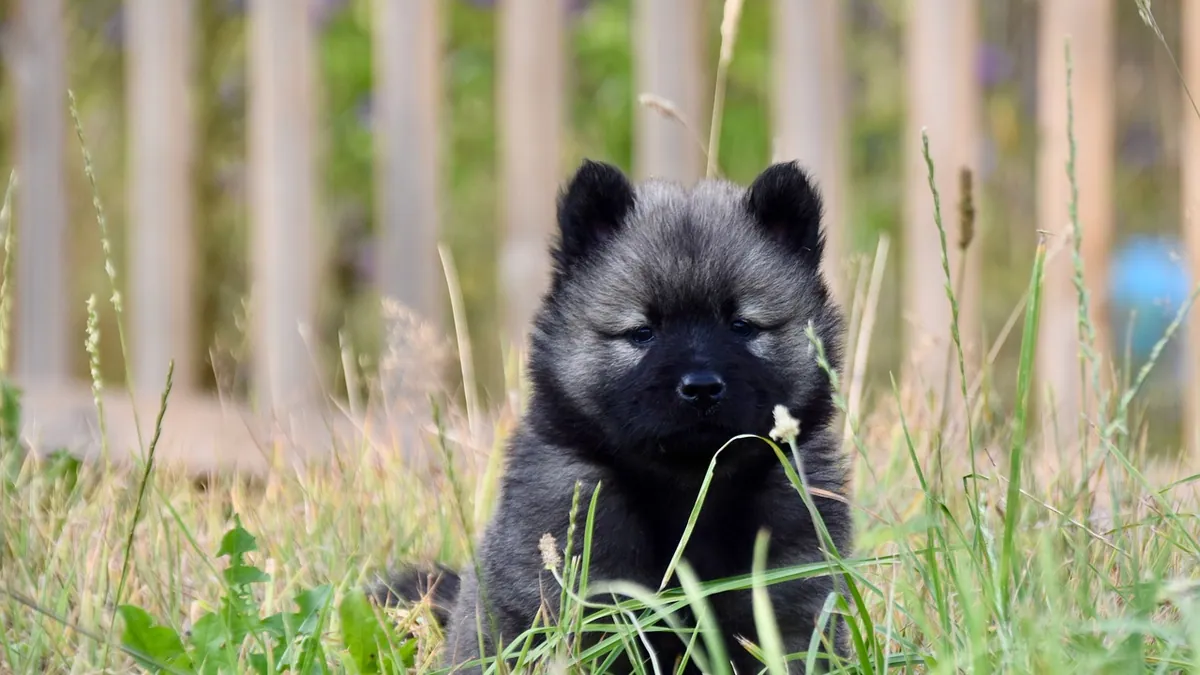
Yes, puppies poop a lot, and that is usually normal. A young puppy may poop four to six times a day, and some go even more often. Their small bodies process food quickly, so what goes in comes out fast. This article is educational and is not a substitute for veterinary diagnosis or treatment.
Quick Answer
- A healthy puppy typically poops 4 to 6 times per day, often shortly after eating, waking, or playing.
- Very young puppies (under 8 weeks) often poop more often than older puppies because they eat frequent small meals.
- Soft but formed stool is normal. Watery, bloody, or black stool is not.
- Sudden increases in frequency, especially with vomiting or lethargy, need a vet visit.
- Worms and other parasites are common in puppies and can increase pooping, so bring a fresh stool sample to your vet [1].
What Normal Puppy Pooping Looks Like
Puppy poop varies with age. Newborn puppies do not poop on their own at first. Their mother stimulates them by licking. By the time a puppy is weaned and eating solid food, usually around 7 to 8 weeks old, it starts pooping on its own schedule [1].
A normal puppy stool is:
- Firm but not hard
- Shaped like a log or small sausage
- Brown in color
- Easy to pick up without leaving much residue
Puppies usually poop after meals. This is called the gastrocolic reflex. Food entering the stomach signals the colon to empty. Puppies also often poop after waking up and after active play.
How often should a puppy poop? There is no single perfect number. Most healthy puppies poop 4 to 6 times a day. Some poop 2 to 3 times, and some poop 8 times. The pattern matters more than the exact count. A puppy that always poops 5 times a day and suddenly poops 10 times a day is a change worth noting.
Puppies also poop less often as they grow. A 6-month-old puppy may poop 2 to 3 times a day, similar to an adult dog. By the time your puppy is a year old, its poop schedule should look like an adult's.
Do Puppies Poop a Lot? Main Causes of Frequent Pooping
If your puppy poops a lot, the cause could be completely normal or could signal a problem. Here are the most common reasons.
| Cause | Typical clues | How urgent |
|---|---|---|
| Normal puppy metabolism | Formed stool, no vomiting, playful, eating well | Not urgent |
| Diet change or overfeeding | Soft stool after switching food or feeding too much | Monitor for 24 to 48 hours |
| Dietary fiber or supplements | Stool frequency increases but stool stays formed | Not urgent, mention to your vet |
| Intestinal worms | Frequent poop, visible worms or rice-like segments, potbelly, poor coat | See vet within a few days [1] |
| Stress or hospitalization | More frequent pooping, changes in appetite, environment change | Monitor, call vet if it lasts |
| Infection (viral or bacterial) | Watery diarrhea, vomiting, lethargy, not eating | Same-day vet visit |
| Foreign object or toxin | Vomiting, painful belly, straining to poop, no poop | Emergency |
Normal puppy metabolism
Puppies have a faster digestive tract than adult dogs. They eat more often, and their bodies move food through quickly. A puppy that eats four small meals a day may poop after each meal. That alone can mean 4 or more poops daily.
Diet and overfeeding
Overfeeding is a common cause of frequent pooping. If you feed more than your puppy needs, the extra food passes through and comes out as extra stool. Sudden food changes can also cause loose, more frequent stool. Transition to a new food slowly over 7 to 10 days.
Fiber and prebiotic supplements can change stool frequency too. In one study, dogs fed certain fiber and biotic combinations had changes in fecal characteristics [2]. If you added a supplement, that could explain the change.
Intestinal worms and parasites
Worms are very common in puppies. Puppies often get intestinal worms from their mother before or after birth [1]. Worms can cause frequent, soft, or mucus-covered stool. You may see worms in the poop or around the anus. Your vet will check your puppy's poop for worms every 2 to 4 weeks until there are two negative tests in a row [1].
If you suspect worms, see our guide on how to tell if dog has worms in poop.
Stress and environment changes
Stress can change how often a puppy poops. A study of healthy adult dogs found that hospitalization significantly slowed gastric emptying compared with being at home [3]. The hospital environment changed their gut function. Puppies can react the same way to boarding, travel, or a new home. If your puppy's pooping pattern changed after a stressful event, give it a day or two. Call your vet if it does not improve.
Infections and other medical causes
Viral infections like parvovirus, bacterial infections, and parasites can all cause frequent, watery diarrhea. These are serious in puppies because puppies dehydrate fast. If your puppy has watery diarrhea, vomiting, or seems tired, call your vet right away.
Red Flags That Make It an Emergency
Some signs mean you should stop reading and call a veterinarian now.
- Bloody diarrhea, especially with vomiting
- Black, tarry stool
- Watery diarrhea lasting more than 12 to 24 hours
- Vomiting that will not stop
- Refusing to eat or drink
- Extreme tiredness or weakness
- A swollen, painful belly
- Straining to poop with nothing coming out
- Collapse or seizures
Puppies can get very sick very fast. A puppy with parvovirus or another severe infection can decline within hours. Do not wait to see if it gets better on its own.
If you see blood but your puppy seems fine otherwise, read dog pooping blood but acting normal: what to do. If the poop is loose but your puppy is playful, see dog diarrhea but acting normal: should you worry?.
Safe Things You Can Do at Home While Waiting
If your puppy is acting normal and the poop is soft but not watery, you can try a few simple steps.
Keep a poop log
Write down the time, appearance, and consistency of each poop. Note what and when your puppy ate. This helps your vet see patterns. Bring the log to your appointment.
Check the stool for worms
Look at the poop closely. Worms may look like white spaghetti strands or rice grains. Do not touch them with bare hands. Use a bag or gloves. Bring a fresh sample to your vet in a sealed container.
Do not change food suddenly
If you recently switched foods, go back to the old food for a few days. Then transition slowly again. Sudden changes make diarrhea worse.
Do not give human medications
Never give your puppy human anti-diarrheal medicine unless your vet tells you to. Some human drugs are toxic to dogs. Your vet will calculate the correct dose from your puppy's weight and health if medication is needed.
Keep your puppy hydrated
Offer small amounts of water often. If your puppy will not drink, call your vet. Dehydration is the biggest danger with diarrhea in puppies.
Limit exposure to other dogs
Puppies should stay away from unvaccinated dogs or dogs with unknown vaccine status until they finish their shots, which is around 4 months old [1]. This protects them from infections that cause diarrhea.
What Your Veterinarian Will Check and Test
When you bring your puppy in for frequent pooping, your vet will start with a full history. They will ask about diet, vaccine status, deworming, and when the problem started.
Then they will do a physical exam. They will check your puppy's hydration, belly, temperature, and weight. They may also check the rectum for parasites or blockages.
Common tests include:
- Fecal flotation or fecal smear to look for worms and parasites [1]
- Parvovirus test if diarrhea is severe or bloody
- Blood work to check organ function and hydration
- X-rays or ultrasound if a foreign object or blockage is suspected
Your vet will also review your puppy's deworming schedule. Puppies usually get deworming medicine a few weeks after birth as a precaution [1]. Your vet will check poop for worms every 2 to 4 weeks until two tests in a row are negative [1].
Treatment depends on the cause. Worms are treated with deworming medication. Infections may need fluids, antibiotics, or hospitalization. Diet-related diarrhea may improve with a bland diet or a change in feeding schedule.
Prevention and Monitoring
You cannot stop a puppy from pooping often, but you can keep the poop healthy.
Feed a consistent, balanced diet
Choose a puppy food that meets nutritional standards. Feed measured meals at set times. Avoid table scraps and sudden food changes.
Follow the deworming and vaccine schedule
Deworming and vaccines protect your puppy from the most common causes of frequent, unhealthy poop. Puppies need vaccines every 2 to 3 weeks until about 4 months old [1]. Keep up with the schedule your vet sets.
Bring stool samples to checkups
Your vet will want to check your puppy's poop for worms every 2 to 4 weeks until two negative tests in a row [1]. This is one of the best ways to catch parasites early.
Watch for changes in the poop pattern
A sudden increase in frequency, a change in color, or a change in consistency is your cue to pay attention. If your puppy also stops eating or acts tired, call your vet.
Keep the environment clean
Pick up poop right away. Disinfect areas where your puppy poops. This reduces the spread of parasites and infections to other pets and to people.
Manage stress
Keep routines steady. Introduce new places and pets slowly. A calm puppy has a calmer gut.
If your puppy scoots its bottom on the floor after pooping, that can be a sign of irritation or parasites. See our guide on puppy scooting bottom on floor after pooping. If your puppy eats poop, that is another behavior worth understanding. Read why does my dog eat poop?.
Limitations and When to Contact a Veterinarian
This article gives general information. It cannot tell you what is wrong with your specific puppy. Only a veterinarian who examines your puppy can do that.
Call your veterinarian the same day if your puppy has:
- Diarrhea that lasts more than 24 hours
- Vomiting along with diarrhea
- Blood or mucus in the stool
- A sudden drop in energy
- Refusing to eat
Go to an emergency clinic now if your puppy has:
- Watery diarrhea with vomiting and weakness
- Black or bloody stool with collapse
- A swollen, painful belly
- Straining to poop with no stool coming out
- Seizures or unresponsiveness
Schedule a routine visit if your puppy:
- Poops more often than usual but seems healthy
- Has soft stool that comes and goes
- Has not been dewormed on schedule
- Has never had a fecal test
Do not guess about your puppy's health. A quick vet visit can rule out serious problems and give you peace of mind.
Frequently Asked Questions
Do puppies poop every day?
Yes, healthy puppies poop every day, usually several times a day. A puppy that does not poop for a full day may be constipated or blocked. Call your vet if your puppy strains, cries, or goes a day without pooping.
My puppy poops a lot but seems fine. Should I worry?
If the poop is formed and your puppy is eating, playing, and acting normal, frequent pooping is usually not a problem. Puppies have fast digestion and small stomachs. Keep a log and mention it at your next vet visit. Call sooner if anything changes.
Do puppies with worms poop a lot?
Yes, worms can increase how often a puppy poops. Worms irritate the gut and can cause soft or mucus-covered stool. Puppies often get worms from their mother, so deworming and fecal tests are important even if you do not see worms in the poop.
How many times a day should a puppy poop?
Most puppies poop 4 to 6 times a day. Some poop 2 to 3 times, and some poop more. The number matters less than the pattern. A sudden change in frequency, color, or consistency is the real signal to watch.
When does puppy pooping become normal adult frequency?
Puppy pooping usually slows down by 6 to 12 months of age. By then, most dogs poop 2 to 3 times a day. The exact number depends on diet, size, and activity level. If your adult dog still poops many times a day, ask your vet to check for diet or health issues.
Related Articles
- Why Does My Dog Eat Poop?
- Puppy Scooting Bottom On Floor After Pooping
- How To Tell If Dog Has Worms In Poop
- Dog Pooping Blood but Acting Normal: What to Do
- Dog Diarrhea but Acting Normal: Should You Worry?
- Dog Not Pooping but Eating Normally: Causes and Solutions
- Puppy Only Pooping Once a Day? Normal or Constipated?
- Do Puppies Usually Have Soft Stool? Normal vs. Diarrhea
- Puppy Not Pooping as Much: Causes and When to Call the Vet
References
- Puppy Care - Dog Owners. Merck Veterinary Manual.
- Effects of dietary fiber and biotic supplementation on apparent total tract macronutrient digestibility and the fecal characteristics, metabolites, and microbiota of healthy adult dogs. Journal of animal science, 2024.
- Effect of hospitalization on gastrointestinal motility and pH in dogs. Journal of the American Veterinary Medical Association, 2017.