How to Get a Sick Dog to Drink and Eat Again
By Dr. Zubair Khalid, DVM, MS, PhD ·
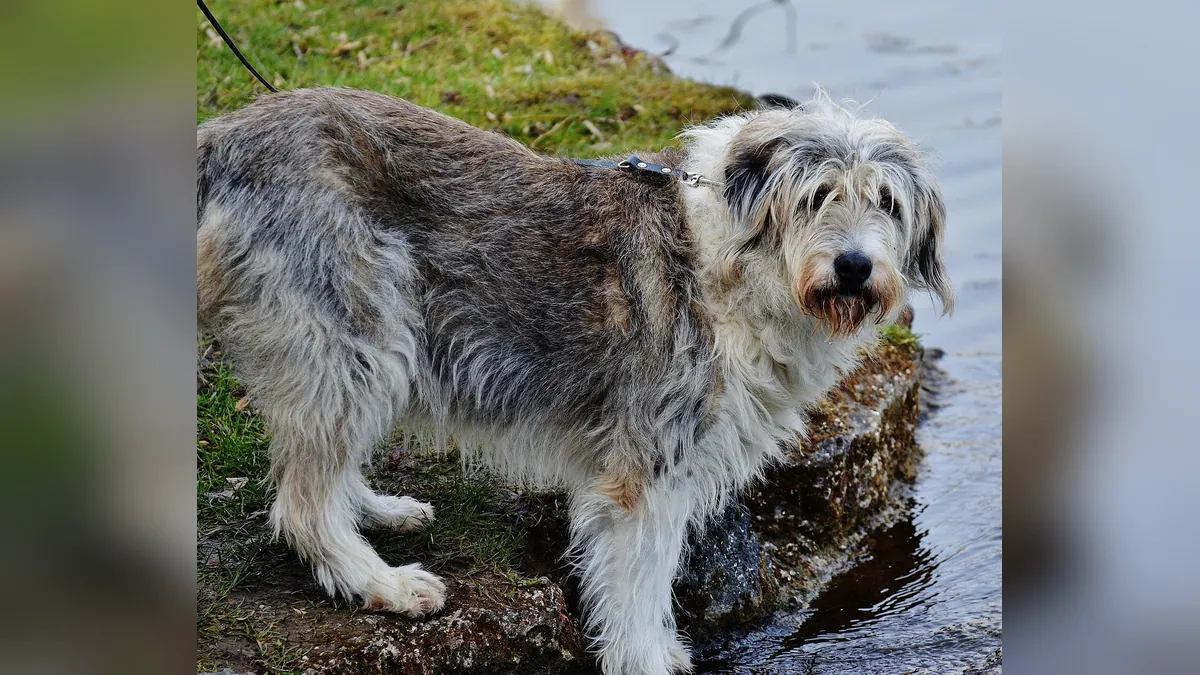
If your dog is sick and won't eat or drink, start with small, low-stress offers of water and bland, tempting food, and remove anything that could upset the stomach further. Most dogs can safely miss a meal or two, but a dog that refuses water for more than a few hours, or shows other red flags, needs veterinary care. This guide covers how to get my dog to drink water when sick, how to coax eating again, and when to stop trying at home.
This article is educational and is not a substitute for veterinary diagnosis or treatment.
Quick Answer
- Offer fresh, cool water in a clean bowl, and try adding ice cubes or a splash of low-sodium broth to make it more appealing [1].
- Warm a small amount of bland food (plain cooked chicken, boiled rice, or a prescription bland diet from your vet) to release aroma and offer it by hand.
- Never force food or water into your dog's mouth, and never give human medications or electrolyte drinks made for people without veterinary guidance.
- Track how much your dog drinks and eats, plus urine output, energy, and vomiting or diarrhea, so you can report specifics to your vet.
- Call your vet the same day if your dog has refused all water for more than 12 hours, is vomiting repeatedly, or seems weak, disoriented, or in pain.
Step-by-Step: How to Get My Dog to Drink Water When Sick
Water is the first priority. Water makes up 60 to 70 percent of an adult dog's body weight, and a 10 percent drop in body water can cause serious illness, while a 15 percent loss can be fatal [2]. That is why dehydration in a sick dog moves fast and deserves attention.
Step 1: Check the basics
Make sure your dog has easy access to water bowls and knows where they are [1]. If your dog is weak or lying down more than usual, place a bowl within reach of the bed. Clean and refill the bowl before you leave the house each day, because a dirty or stale bowl can put a dog off drinking [1].
Step 2: Make water more appealing
Try these low-risk tricks, one at a time, and give each a few minutes to work:
- Add ice cubes to the bowl for a cool, refreshing option [1].
- Offer a second or third water dish in different rooms so water is always nearby [1].
- Add a small amount of low-sodium chicken or beef broth to plain water. Check the label for onion or garlic, which are toxic to dogs.
- Offer water from a clean syringe (without a needle) by dripping it along the side of the mouth, letting your dog swallow on its own. Never squirt water forcefully down the throat.
- Try a pet water fountain if your dog usually prefers running water.
Step 3: Offer wet food for extra moisture
Dry food has up to 10 percent moisture, while canned food has up to 78 percent moisture [2]. If your dog will eat canned food, that alone can help with hydration. You can also add a spoonful of water or broth to kibble to soften it.
Step 4: Try small, frequent offers
Instead of one big meal, offer a few tablespoons of food every one to two hours. A sick dog often eats better in small amounts than in a full bowl. Sit with your dog, stay calm, and remove the bowl after 10 to 15 minutes if there is no interest. Repeatedly shoving food in front of a nauseated dog can create a food aversion.
Step 5: Warm the food slightly
Warming food to about room temperature or slightly above releases aroma, which is often what gets a congested or nauseated dog interested. Do not microwave food, because hot spots can burn your dog's mouth.
Step 6: Hand-feed or use a flat plate
Some dogs will take food from your hand when they ignore a bowl. A flat plate or shallow dish can also help dogs who dislike their collar or whiskers touching the bowl's sides.
Step 7: Ask your vet about anti-nausea medication
If your dog is vomiting or lip-licking, drooling, or turning away from food repeatedly, nausea may be the real problem. Your veterinarian can prescribe an anti-nausea medication and calculate the dose based on your dog's weight and health. Do not use human anti-nausea drugs, which can be dangerous for dogs.
If your dog is eating but drinking much more than usual, that pattern has its own causes and deserves a separate look. See Dog Not Eating but Drinking Water: What to Do for guidance on that specific situation.
A Simple 24-Hour Plan for a Sick Dog Not Eating or Drinking
Use this as a rough framework, not a rigid rule. Your vet's instructions always come first.
| Time | What to do | What to watch |
|---|---|---|
| Hour 0 | Fresh cool water in a clean bowl. Note the time your dog last drank and ate normally. | Any vomiting, diarrhea, or blood |
| Hour 1 to 2 | Offer ice cubes or a splash of broth in water. Offer a tablespoon of bland food by hand. | Interest level, swallowing, drooling |
| Hour 3 to 4 | Offer water again in a quiet spot. Try a second bowl in another room. | Urine output, energy level |
| Hour 6 | Small food offer again. Keep portions tiny. | Any worsening of vomiting or lethargy |
| Hour 8 to 12 | If still no water, call your vet. If drinking but not eating, keep offering small amounts. | Gum color (pink is normal, pale or tacky is a concern) |
| Hour 12 to 24 | Follow your vet's plan. Do not push food if your dog is vomiting. | Overall trend, better or worse |
A dog that is drinking small amounts and holding them down is usually safer to monitor at home for a short time. A dog that will not drink at all is a different situation.
Signs That Something Is Wrong
Poor intake is often the first sign owners notice, but it is rarely the whole story. Watch for these patterns.
Signs of dehydration
- Tacky or dry gums instead of slick, wet gums
- Skin that stays tented when you gently pinch it on the back of the neck
- Sunken eyes
- Weakness, wobbling, or reluctance to stand
- Very little urine, or dark concentrated urine
Dogs lose water quickly through panting, and heat makes it worse [1]. If it is too hot for you outside, it is too hot for your dog [1]. Heat stroke is an emergency, so seek veterinary care immediately if your dog is panting heavily, weak, or confused in hot weather [1].
Signs the problem is more than a passing upset
- Repeated vomiting or diarrhea, especially with blood
- A swollen, painful, or hard belly
- Collapse, seizures, or confusion
- Breathing that is fast, labored, or noisy
- A foul odor from the mouth, nose, or ears
- Drinking a lot of water while still losing weight
Some serious conditions start with vague signs like poor appetite, lethargy, and wobbliness. In one reported case, a dog with chronic gastrointestinal signs and sudden lethargy and poor appetite turned out to have a severe systemic infection with dangerous electrolyte changes [3]. In another, a dog with two weeks of poor appetite, stumbling, and seizures had a nasal tumor that had spread into the brain [4]. These are uncommon, but they show why appetite loss that does not resolve deserves a real diagnosis.
If your dog vomits right after drinking, read Dog Vomiting After Drinking Water: Causes and Next Steps. If your dog is shaking its head and drinking more than usual, see Dog Shaking Head And Drinking A Lot Of Water.
Common Mistakes Owners Make
Forcing water or food
Never pour water into a dog's mouth or force food past the teeth. This can cause choking or aspiration into the lungs, which is far more dangerous than a missed meal.
Giving human electrolyte drinks
Sports drinks and pediatric electrolyte solutions are made for people and have sugar and sodium levels that do not fit dogs. If your vet asks you to use an electrolyte solution, follow their exact recipe and amount. For general background, see How to Make a Homemade Electrolyte Solution for a Sick Dog, but confirm the plan with your vet first.
Switching foods too fast
A sudden switch to a rich or unfamiliar food can cause diarrhea on top of whatever is already going on. Stick with what your vet recommends, or with a bland diet you have cleared with them.
Waiting too long
Many owners wait a full day or two before calling. For a young puppy, a senior dog, or a dog with ongoing health problems, hours matter more than days.
Offering a full bowl to a nauseated dog
A big bowl of food can be overwhelming. Small, frequent offers work better and waste less food.
Ignoring water intake while focusing on food
Owners often fixate on eating and miss that the dog has stopped drinking. Both matter, and water is usually the more urgent of the two.
Supplies and Setup That Help
Keep a small kit ready so you are not scrambling when your dog feels bad.
- Two or three clean water bowls, plus one shallow dish for food
- A pet syringe (no needle) for dripping water along the gum line
- Low-sodium broth with no onion or garlic
- Plain canned pumpkin or plain cooked chicken and rice, if your vet approves
- A kitchen scale or measuring cup to track how much your dog actually eats and drinks
- A notebook or phone note to log times, amounts, urine, stool, and vomiting
- A thermometer for rectal temperature, if your vet has shown you how to use it
- Your vet's phone number and the nearest emergency clinic's address
Track intake in measurable terms. "She drank about a quarter cup at 2 p.m." is far more useful to your vet than "she drank a little."
Feeding After a Stomach Upset
Once vomiting has stopped for several hours, your vet may suggest a bland diet in small amounts, then a gradual return to regular food over a few days. Do not rush this. A dog that eats too much too soon often vomits again and ends up further behind.
If your dog has been diagnosed with a condition like acute pancreatitis, nutrition is part of treatment. One review found weak evidence comparing two feeding routes in dogs with acute pancreatitis, with no difference in survival between them in the single study reviewed [5]. In other words, the exact route is a decision your veterinarian makes based on your dog, not something you should improvise at home.
For dogs who cannot eat on their own, veterinarians sometimes use feeding tubes. In one report, a hospitalized anteater with a skull fracture was fed through a nasoesophageal tube for seven days without aspiration or nasal complications, and voluntary eating resumed afterward [6]. This is a hospital-level intervention, not a home option, but it shows that short-term tube feeding can be a safe bridge when a patient truly cannot eat.
Some dogs lose their appetite because of an underlying liver or metabolic problem. In one case, an older dog with poor appetite, weight loss, increased thirst, and a staggering gait was found to have multiple abnormal blood vessels connecting the liver's blood supply directly to the general circulation [7]. That dog's signs looked like simple picky eating at first. This is another reason a vet exam and bloodwork matter when appetite loss persists.
Limitations and When to Contact a Veterinarian
Home coaxing has limits. It works best for mild, short-lived appetite loss in an otherwise stable dog. It does not fix nausea, pain, infection, organ disease, or a foreign object in the gut.
Call your veterinarian the same day if:
- Your dog has not eaten for 24 hours, or has not eaten for 12 hours and is a puppy, senior, or has a chronic illness
- Your dog is drinking much less than usual but still urinating
- Vomiting or diarrhea has lasted more than a day, or your dog cannot keep water down
- Your dog seems painful, has a bloated belly, or is pacing and unable to settle
- Your dog is on medication and you are unsure whether the appetite change is a side effect
Go to an emergency clinic now if:
- Your dog has not drunk any water for 12 hours or more
- Your dog is collapsed, having seizures, or cannot stand
- You see blood in vomit or stool, or black tarry stool
- Your dog's gums are pale, white, blue, or bright red
- Your dog is breathing hard at rest or making unusual sounds when breathing
- You suspect your dog ate something toxic, such as chocolate, grapes, raisins, xylitol, or human medication. Call the ASPCA Animal Poison Control Center or the Pet Poison Helpline right away.
Schedule a routine visit within a few days if:
- Appetite has been lower than normal for two to three days but your dog is still drinking and acting mostly like itself
- Your dog is losing weight despite eating
- Your dog has bad breath, drooling, or trouble chewing
- Your dog's water intake has increased noticeably over weeks
Every dog is different, and only your veterinarian can examine your dog, run tests, and set a treatment plan for your pet's specific situation.
Frequently Asked Questions
How long can a dog go without water?
Most healthy adult dogs should not go more than about 12 hours without drinking before you call a vet. Puppies, seniors, and dogs with illness dehydrate faster, so treat any full refusal of water as urgent.
Should I give my dog ice cubes if it won't drink?
Ice cubes are a reasonable option and can be added to the bowl as a cool, refreshing treat [1]. Some dogs prefer licking ice to drinking from a bowl. If your dog ignores ice too, that is a sign to call your vet.
Can I give my dog chicken broth to encourage drinking?
Yes, if the broth is low in sodium and contains no onion or garlic, both of which are toxic to dogs. Offer a small amount mixed into water and watch for any stomach upset. Plain water should still be available at all times.
Is it safe to syringe water into my dog's mouth?
Only if you drip it slowly along the inside of the cheek and let your dog swallow on its own. Never squirt water forcefully toward the back of the throat, because it can enter the lungs. If your dog cannot swallow safely, stop and call your vet.
What if my dog eats but still won't drink?
That pattern can happen with nausea, dental pain, or other problems, and it still needs a vet visit if it lasts more than a day. In the meantime, offer canned food, which has much more moisture than dry kibble [2]. For more on this specific pattern, see Dog Not Drinking Water: Causes and How to Encourage Hydration.
Related Articles
- Dog Not Eating but Drinking Water: What to Do
- Dog Shaking Head And Drinking A Lot Of Water
- Dog Vomiting After Drinking Water: Causes and Next Steps
- Dog Not Drinking Water: Causes and How to Encourage Hydration
- How to Make a Homemade Electrolyte Solution for a Sick Dog
- Dog Drinking More Water Than Usual: When to See the Vet
- How to Get Your Dog to Drink More Water (and When Not To)
- Dog Not Drinking or Eating After Surgery: What to Do
- Why Has My Dog Stopped Eating and Drinking? Causes
References
- Keeping Your Pets Hydrated. Pet Poison Helpline.
- Dog Nutrition Tips. ASPCA Animal Poison Control Center.
- Severe Gastrointestinal Disease in a Dog Presenting With Hypoadrenocorticism-Like Electrolyte Derangements Due to Protothecosis. Journal of veterinary emergency and critical care (San Antonio, Tex. : 2001), 2026.
- Nasal carcinoma with leptomeningeal carcinomatosis in a dog. Journal of veterinary diagnostic investigation : official publication of the American Association of Veterinary Laboratory Diagnosticians, Inc, 2026.
- Pre-pyloric enteral nutrition versus total parenteral nutrition on survival in dogs with acute pancreatitis. Veterinary evidence, 2025.
- Enteral and Partial Parenteral Nutritional Support in Two Hospitalised Giant Anteaters (Myrmecophaga tridactyla). Veterinary medicine and science, 2026.
- A canine case of multiple intrahepatic portosystemic shunts. The Journal of veterinary medical science, 2026.