Salmonella in Dogs: Causes, Risk Factors, and Prevention
By Dr. Zubair Khalid, DVM, MS, PhD ·
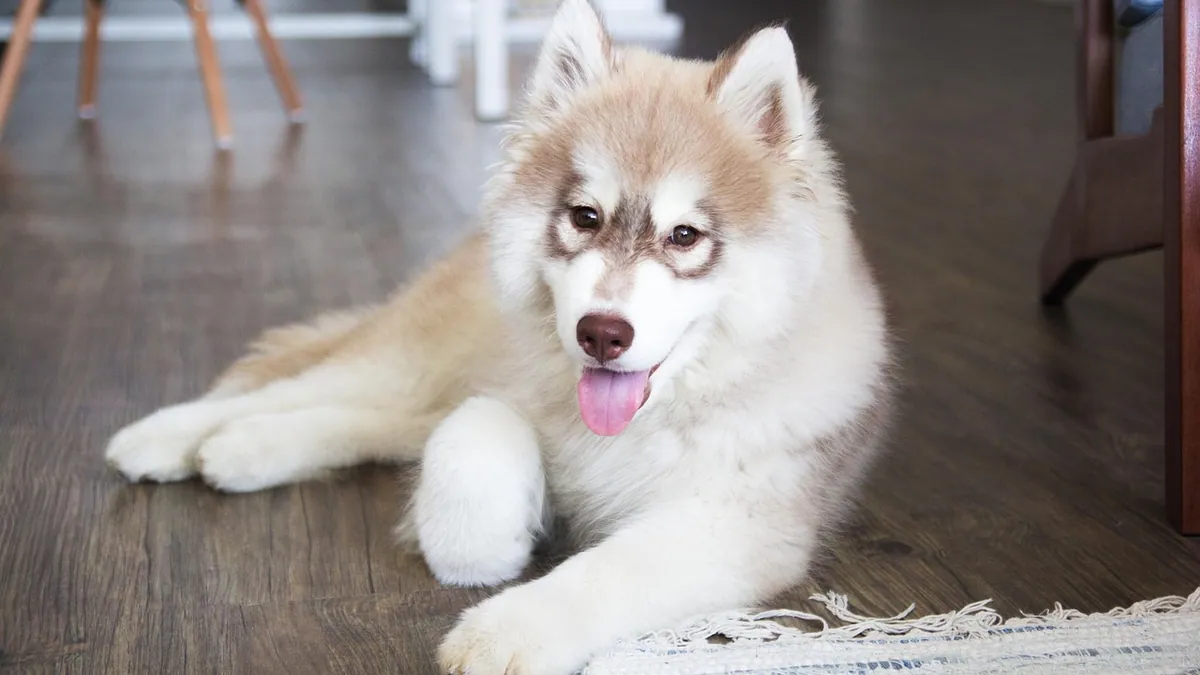
Salmonella in dogs causes infection when a dog swallows the bacteria, most often from raw meat, raw eggs, contaminated treats, or feces in the environment. Many infected dogs never get sick and simply shed the bacteria in their stool, while others develop vomiting and diarrhea. The risk is highest in puppies, seniors, and dogs already fighting another illness.
This article is educational and is not a substitute for veterinary diagnosis or treatment.
Quick Answer
- The most common route of infection is eating contaminated food, especially undercooked poultry, raw meat, and raw dairy products [1].
- Raw pet food diets and raw treats are a leading household source of Salmonella exposure for dogs and the people who handle the food.
- Many dogs carry Salmonella without any signs at all, so a healthy-looking dog can still pass the bacteria to people [2].
- Puppies, older dogs, pregnant dogs, and dogs with other illnesses are more likely to develop serious disease.
- Good kitchen hygiene, safe food handling, and prompt cleanup of stool lower the risk for your dog and your family.
What Salmonellosis in Dogs Actually Is
Salmonellosis is the illness caused by infection with Salmonella bacteria [2]. These bacteria live in the intestinal tract of many animals, including dogs, and they can also survive in soil, water, and food.
The key thing to understand is that infection and illness are not the same. A dog can swallow Salmonella and become a chronic carrier, meaning the bacteria live in the gut and get shed in the stool without the dog ever acting sick [2]. Other dogs develop enteritis, which is inflammation of the intestines, and a small number develop septicemia, meaning the bacteria enter the bloodstream and spread through the body [2].
Because carriers shed bacteria intermittently, a dog that tested negative last month can test positive this month. This is one reason Salmonella is hard to eliminate from a household once it is introduced.
Signs of a Dog Salmonella Infection
The signs owners notice most often are digestive. They can range from mild to severe.
- Vomiting, sometimes several times a day
- Diarrhea, which may contain mucus or blood
- Loss of appetite
- Lethargy or unusual tiredness
- Fever
- Abdominal pain or a tense belly
- Dehydration, seen as tacky gums, sunken eyes, or skin that stays tented when gently pinched
In severe cases where bacteria reach the bloodstream, a dog can become weak, collapse, or show signs of shock. This is uncommon but serious and needs emergency care.
Some dogs show no signs at all. In one study of dogs and cats, Salmonella was detected in a higher percentage of apparently healthy dogs than you might expect, which confirms that silent carriers are common in the general dog population [3].
If your dog has bloody diarrhea along with vomiting and lethargy, several conditions can look identical, including parvovirus and other severe intestinal infections. A puppy with these signs needs to be seen the same day.
Salmonella in Dogs Causes and Risk Factors
This is the part most owners want to understand, because it decides whether your current feeding and hygiene habits are putting your dog at risk.
Raw Food and Raw Treats
Eating undercooked poultry, raw meat, and raw dairy products is a suspected source of infection for pets and people [1]. Raw pet food diets fall directly into this category. If you feed raw chicken, raw beef, or raw eggs, you are handling a product that may carry Salmonella, and so is your dog.
The risk is not only to the dog. Every surface the raw food touches, including bowls, counters, sinks, and your hands, can become contaminated. This is why raw feeding is a household health decision, not just a dog food decision. For a closer look at one specific ingredient, see Can Dogs Eat Raw Chicken? Salmonella and Campylobacter Risk.
Table Scraps, Trash, and Scavenging
Dogs that eat table scraps or raid the trash are at higher risk. In a study of dogs in central New York, infection with a related gut bacterium was more common in dogs that had recently eaten table scraps or trash compared with dogs that had not [4]. The same principle applies to Salmonella, since spoiled or undercooked food is a common source.
Wildlife and the Environment
Wild animals can carry Salmonella and shed it in their stool. Wild birds in particular may be important sources of water contamination [1]. That means a dog that drinks from puddles, ponds, or bird baths, or that eats wild bird droppings in the yard, has a real exposure route.
Dogs that eat dead wildlife, chew on wild animal carcasses, or spend time in areas with heavy wildlife traffic face the same risk.
Contact with Infected Animals and Their Stool
Exposure to the feces of infected animals is one of the most common routes of infection for gut bacteria in dogs [1]. Dog parks, boarding facilities, shelters, and multi-dog homes all concentrate stool contact. Dogs recently adopted from shelters are specifically noted as sources of infection for the bacteria that cause similar intestinal disease [1].
Which Dogs Are at Highest Risk
Not every dog that swallows Salmonella gets sick. The dogs most likely to develop serious disease are:
- Puppies, whose immune systems are still developing
- Senior dogs
- Pregnant dogs
- Dogs with another illness at the same time, especially one that causes diarrhea
- Dogs on medications that suppress the immune system
- Dogs living in crowded or high-turnover environments such as shelters
Young age matters across the board for intestinal infections. In the New York study, the related gut bacterium was found in 14.3% of puppies compared with 2.8% of adult dogs [4]. Puppies are simply more vulnerable to gut pathogens in general.
It also helps to know what else causes similar signs. Parvovirus causes severe hemorrhagic gastroenteritis and is most infectious in unvaccinated dogs younger than six months [5]. Intestinal parasites can cause overlapping digestive signs too, which is covered in Intestinal Parasites in Dogs and Cats: Signs and Prevention.
A Note on Antibiotics and Chronic Shedding
There is an ongoing debate in veterinary medicine about antibiotic use in salmonellosis. Antimicrobials are thought to increase the risk of a patient becoming a chronic shedder, which is why veterinarians do not reach for antibiotics automatically in every case [2]. This matters for owners because it explains why your vet may recommend supportive care instead of antibiotics even when Salmonella is confirmed.
How Veterinarians Diagnose Salmonella in Dogs
Diagnosis is confirmed by isolating the bacteria from a sample, usually stool [2]. Your veterinarian may also collect a sample from vomit or, in severe cases, blood.
A single negative stool test does not rule out infection, because shedding comes and goes. Your vet may recommend repeat testing if the clinical picture strongly suggests Salmonella.
Your veterinarian will also ask about diet, treats, recent boarding or shelter exposure, wildlife contact, and whether anyone in the household has been sick with similar digestive symptoms. That history often points to the source faster than testing does.
Other tests, such as blood work, help assess dehydration and organ function. These do not diagnose Salmonella directly, but they guide treatment.
Treatment Options
Treatment depends on how sick your dog is.
For mild cases, supportive care is often enough. That means fluids to correct dehydration, a bland diet while the gut settles, and time. Your veterinarian decides what your dog needs based on exam findings and lab results.
For dogs with signs of systemic disease, antimicrobials and supportive treatment are required [2]. The choice of drug, the dose, and the duration are set by your veterinarian based on your dog's weight, health status, and the severity of the infection. Never give leftover antibiotics from a previous prescription or from a human household member.
Probiotics are an active area of research. A canine-derived strain of Lactiplantibacillus plantarum showed strong preventive effects against salmonellosis in a mouse model, and the researchers proposed it as a possible alternative to antibiotics given concerns about resistance and disruption of gut bacteria [6]. This is promising but still early work, and it is not yet a standard treatment your vet can prescribe. Ask before adding any probiotic product.
Hospitalization may be needed for dogs that are severely dehydrated, vomiting uncontrollably, or showing signs of bloodstream infection.
Recovery, Outlook, and Long-Term Management
Most dogs with uncomplicated Salmonella enteritis recover with supportive care. The timeline varies with age, overall health, and how quickly treatment starts.
Some dogs become chronic carriers and shed the bacteria intermittently for a long time [2]. If your dog is a carrier, the main concern shifts to protecting the people and other animals in your home.
Long-term management usually means:
- Cleaning up stool immediately, especially in the yard
- Washing your hands after every contact with your dog's stool, saliva, or food bowl
- Keeping your dog away from immunocompromised family members during shedding periods
- Rechecking with your vet if signs return
If your dog has a weakened immune system or another chronic condition, your veterinarian may recommend a longer follow-up plan.
Prevention
Prevention comes down to food safety and hygiene, and it applies to every dog, not just raw-fed dogs.
| Risk Source | What to Do |
|---|---|
| Raw meat, poultry, eggs, dairy | Cook meat thoroughly or avoid raw feeding. Wash hands, counters, and bowls after handling. |
| Raw treats (pig ears, bully sticks, freeze-dried raw) | Store away from human food. Wash hands after every handling. |
| Table scraps and trash | Secure trash cans. Skip scraps, especially undercooked meat. |
| Puddles, ponds, bird baths | Provide fresh clean water at home. Discourage drinking from standing water. |
| Wildlife and carcasses | Supervise outdoor time. Do not let your dog eat dead animals. |
| Dog parks and group settings | Pick up stool promptly. Avoid heavily contaminated areas. |
| Household members | Wash hands after petting, feeding, and cleanup. Supervise children. |
A few extra habits make a real difference:
- Keep a dedicated cutting board and utensils for pet food if you feed raw.
- Do not thaw raw pet food on the kitchen counter.
- Clean food bowls daily with hot soapy water.
- Wash your hands after every poop bag change, not just after feeding.
- If anyone in your home is pregnant, very young, elderly, or immunocompromised, talk to your veterinarian about whether raw feeding is worth the risk.
If your dog has worms or other intestinal parasites at the same time, the gut is already irritated and more vulnerable. See Can Worms Cause Infection In Dogs for how those conditions overlap.
Limitations and When to Contact a Veterinarian
No article can tell you whether your specific dog has Salmonella. Only a veterinarian who examines your dog and reviews test results can do that.
Contact your veterinarian the same day if your dog:
- Has vomited more than two or three times in a day
- Has diarrhea that lasts more than 24 hours
- Is refusing food or water
- Seems unusually tired or weak
- Is a puppy, senior, or pregnant dog with any digestive signs
Go to an emergency clinic immediately if your dog:
- Has blood in the stool along with vomiting and lethargy
- Is collapsing, unresponsive, or having trouble standing
- Has gums that are pale, white, or tacky
- Is a puppy with sudden severe lethargy and bloody diarrhea
Schedule a routine visit if your dog has soft stool that comes and goes, has been losing weight slowly, or if someone in your household has had a confirmed Salmonella infection and you want your dog checked as a possible source.
Frequently Asked Questions
Can my dog get Salmonella from raw food?
Yes. Raw meat, undercooked poultry, and raw dairy are suspected sources of infection for pets and people [1]. Raw pet food diets carry this risk for your dog and for everyone who handles the food, the bowls, and the cleanup.
Can I catch Salmonella from my dog?
Yes. Salmonella affects most animal species, including humans, and it is considered a major public health concern [2]. The main route is contact with contaminated stool or contaminated food and surfaces, so hand washing after cleanup is your best protection.
Does my dog need antibiotics for Salmonella?
Not always. Antibiotics are required when there are signs of systemic disease, but their routine use is controversial because they may increase the chance of a dog becoming a chronic shedder [2]. Your veterinarian decides based on how sick your dog is.
How long does Salmonella last in dogs?
It varies. Some dogs clear the infection with supportive care, while others become chronic carriers that shed the bacteria over a long period [2]. Your veterinarian can give you a realistic timeline once your dog has been examined and tested.
Are some dogs more likely to get sick from Salmonella?
Yes. Puppies, seniors, pregnant dogs, and dogs with other illnesses or weakened immune systems are at higher risk of serious disease. Young age is a consistent risk factor for intestinal infections in dogs, with puppies showing higher infection rates than adults in at least one study [4].
Related Articles
- Can Dogs Eat Raw Chicken? Salmonella and Campylobacter Risk
- Dog Ear Infection Caused By Food
- Can Worms Cause Infection In Dogs
- Intestinal Parasites in Dogs and Cats: Signs and Prevention
- Can Dogs Eat Salmon? Salmon Poisoning Disease Risks
- Dog Food Allergies That Cause Ear Infections
- Salmonella in Dogs: Symptoms and Signs to Watch For
- Is Salmonella in Dogs Contagious to People and Pets?
- Salmonella in Dogs: Treatment and What Actually Works
References
- Disorders Caused by Bacteria in the Digestive System of Dogs - Dog Owners. Merck Veterinary Manual.
- Salmonellosis in Animals - Digestive System. Merck Veterinary Manual.
- Detection, identification, and co-carriage patterns of different bacterial and yeast pathogens isolated from diarrheic and apparently healthy dogs and cats. Comparative immunology, microbiology and infectious diseases, 2026.
- Fecal Campylobacter jejuni shedding in healthy dogs and dogs with acute diarrhea in central New York. American journal of veterinary research, 2026.
- Parvoviral hemorrhagic gastroenteritis and its therapeutic intervention in a case of 5-month-old puppy. Companion animal health and genetics, 2026.
- Isolation and Identification of a Canine-Derived Lactic Acid Bacterium with Probiotic Potential for Salmonellosis Prevention and Treatment. Probiotics and antimicrobial proteins, 2026.