Why Does My Puppy Vomit in the Car? Motion Sickness Help
By Dr. Zubair Khalid, DVM, MS, PhD ·
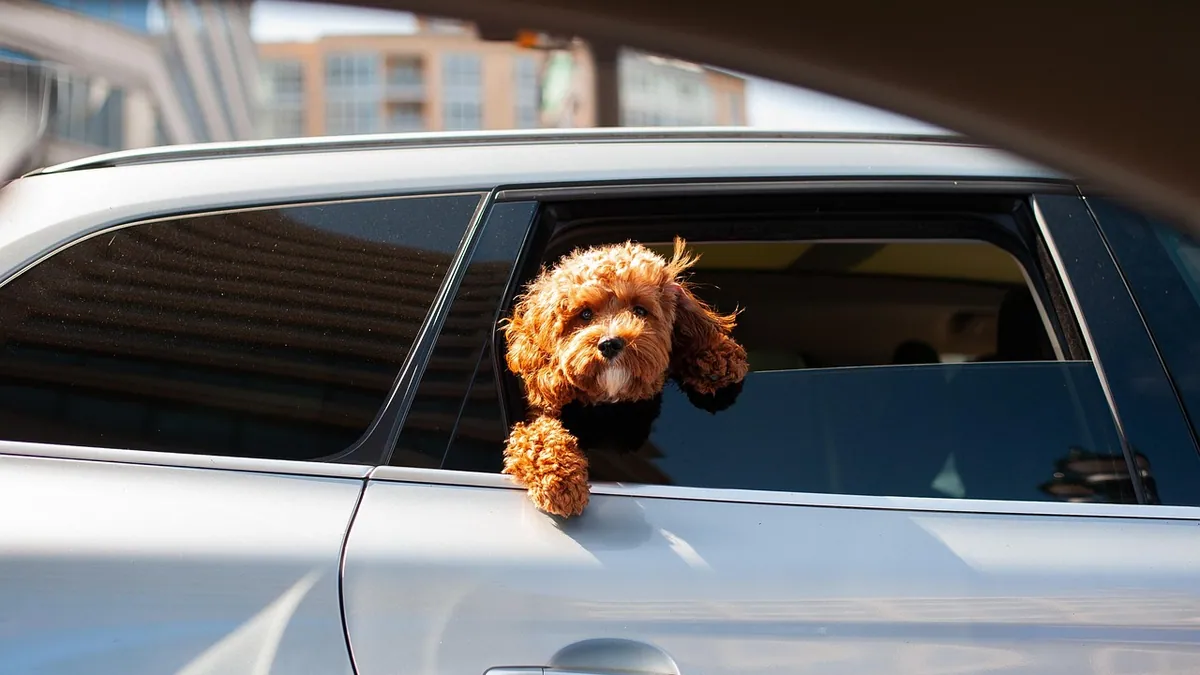
Puppies often vomit in the car because their balance systems are still maturing and the motion of the vehicle triggers nausea. The good news is that this is common, it usually stops when the car stops, and most cases can be managed or prevented. This article is educational and is not a substitute for veterinary diagnosis or treatment.
Quick Answer
- Motion sickness in dogs causes nausea, excessive drooling, vomiting, and sometimes yawning, whining, or diarrhea, and signs usually fade once the vehicle stops moving [1].
- The main trigger is conflicting input to the brain from the inner ear, the eyes, and the muscles and joints, which sets off a stress response and nausea [2].
- Fear of the car can cause the same signs, and some dogs show them even when the vehicle is parked [1].
- Short, calm, gradual trips and a light meal schedule can help some puppies outgrow the problem [1].
- Prescription medications from your veterinarian can prevent vomiting, reduce drooling, and calm your puppy when training alone is not enough [1].
What Car Sickness Looks Like in a Puppy
The classic picture is a puppy who is fine at home and starts drooling within minutes of pulling out of the driveway. Then comes the lip licking, the swallowing, the restless shifting, and finally the vomit. Some puppies yawn repeatedly, whine, or act uneasy before anything comes up [1]. Others have diarrhea during or after the ride [1].
Nausea and vomiting are the core signs. Motion sickness triggers a stress response in the brain, and the signs you see come from stimulation of the vestibular and autonomic nervous systems [2]. That is why drooling and vomiting often travel together. Drooling is an autonomic sign, and it can start before your puppy actually throws up [2].
Here is what is normal for car sickness. Signs appear during travel by land, sea, or air, and they usually disappear when the motion stops [2][1]. A puppy may have a poor appetite for several hours after the episode, which is also expected [1]. What is not normal is vomiting that continues after the car is parked, vomiting with blood, or a puppy who looks genuinely ill instead of just carsick.
Why Does My Puppy Vomit in the Car? The Main Causes
Most car vomiting in puppies comes down to two overlapping problems: motion sickness and anxiety. They can look identical from the passenger seat, and many puppies have both at once.
Motion Sickness
The inner ear contains a sensory organ that detects movement and connects to the vomiting center in the brain stem [1]. When the brain receives conflicting signals from the inner ear, the eyes, and the body's muscles and joints, it triggers a stress response that produces nausea, vomiting, salivation, and agitation [2]. Puppies are especially prone because their balance system and their tolerance for motion are still developing.
Fear and Anxiety About the Car
Fear of the vehicle can contribute to motion sickness signs in dogs [1]. A puppy who only ever rides to the vet or the groomer may learn to dread the car. Once that happens, signs can appear even in a vehicle that is not moving, because the puppy has become preconditioned to expect illness during travel [1]. If your puppy starts drooling the moment the garage door opens, anxiety is likely playing a role. This article on Dog Fear of Car Rides: Anxiety or Motion Sickness? How to Tell walks through the differences.
Other Causes to Keep in Mind
Not every puppy who vomits in the car has simple motion sickness. Young dogs eat things they should not, and a first car ride can coincide with the start of an unrelated illness. If vomiting happens at home too, or if your puppy has other signs like shaking, see Puppy Shaking Head And Vomiting for a symptom-focused look.
| Cause | Typical clues | How urgent |
|---|---|---|
| Motion sickness | Drooling and vomiting start with movement, stop when the car stops, puppy is normal at home [2][1] | Routine, discuss with your vet |
| Car anxiety or fear | Signs start before the car moves, puppy braces, pants, or tries to hide [1] | Routine, training and vet guidance help |
| Dietary upset or eating something wrong | Vomiting at home too, poor appetite, diarrhea | Same-day vet call |
| Infectious or systemic illness | Lethargy, fever, repeated vomiting, not eating | Same-day or emergency, depending on severity |
| Neurologic or chronic vomiting disorders | Vomiting that does not respond to standard antiemetics, stereotyped episodes | Prompt veterinary workup |
Red Flags That Make It an Emergency
Car vomiting is usually benign, but some signs mean you should stop driving and call for help.
- Vomiting that continues after the car has been parked for a while, since motion sickness signs should fade when motion stops [2][1].
- Vomiting with blood, a distended belly, or severe pain when you touch the abdomen.
- Repeated vomiting with lethargy, collapse, or trouble breathing.
- A puppy who cannot keep water down or who stops producing urine.
- Vomiting after a known or suspected exposure to a toxin, human medication, or a foreign object.
- Vomiting with neurologic signs such as head tilt, circling, or seizures.
If your puppy is vomiting and also showing strange head or eye movements, treat it as urgent and have them seen the same day.
Safe Things You Can Do at Home
You can do a lot before your next vet visit. The goal is to lower nausea and break the association between the car and feeling sick.
Before You Leave
- Feed a light meal about three to four hours before travel, or skip the meal if your vet advises it. A full stomach makes vomiting more likely.
- Let your puppy empty their bladder and bowels first.
- Crack the windows for fresh air and keep the cabin cool.
- Use a crate or a secured harness so your puppy is not sliding around. Less scrambling means less conflicting motion input.
- Put a familiar blanket or toy in the crate.
During the Ride
- Keep trips short at first, even just around the block.
- Drive smoothly. Gentle braking and slow turns reduce the sensory conflict that triggers nausea [2].
- Do not let your puppy look out the side window for long stretches. Facing forward with a limited view often helps.
- Talk in a calm, normal voice. Do not scold or fuss over drooling.
- If your puppy vomits, pull over safely, clean up without drama, and give them a few minutes before continuing.
After the Ride
- Offer small amounts of water, not a big bowl at once.
- Wait an hour or two before a full meal.
- Keep the arrival positive. A calm walk or a few minutes of play after a short ride helps build a better association.
Training Over Time
In some cases, motion sickness can be overcome by conditioning the animal to travel [1]. Start with the car parked and the engine off. Feed treats, then leave. Next session, engine on but not moving. Then a trip to the end of the driveway. Build up slowly over days to weeks. If your puppy is already fearful, this article on How to Calm a Dog in the Car: Preventing Motion Sickness and Anxiety covers calming strategies in more detail.
Do not give human motion sickness drugs on your own. Doses for dogs are not the same as for people, and some products contain ingredients that are unsafe for puppies. If you are wondering about over-the-counter options, read Can You Give Your Dog Dramamine for Car Sickness? before you buy anything, then confirm with your veterinarian.
What Your Veterinarian Will Check and Test
Your vet will start with the history. They will want to know when the vomiting starts, whether it happens only in the car, how long it lasts, and whether your puppy is normal at home. That pattern alone often points to motion sickness or car anxiety.
The physical exam focuses on the nervous system, the ears, and the abdomen. Your vet will check for signs of inner ear disease, neurologic abnormalities, and abdominal pain. They may also ask about your puppy's diet, vaccination status, and any possible exposure to toxins or foreign objects.
If the pattern is not typical, testing may include blood work, fecal testing, and imaging. In unusual cases where vomiting is severe and does not respond to standard antiemetic therapies, veterinarians have used advanced testing such as endoscopy, computed tomography, and brain imaging to look for other causes [3]. That level of workup is reserved for puppies who do not fit the simple car sickness pattern.
If medication is appropriate, your veterinarian can prescribe tranquilizers, sedatives, or products to decrease nausea and vomiting [1]. The dose depends on your puppy's weight, age, and health, so your vet will calculate it for your individual pet. Never guess at a dose or share medication between pets.
Prevention and Monitoring
Prevention works best when you start early and stay consistent.
- Keep early car experiences short and positive.
- Practice the parked-car routine several times a week.
- Schedule rides that end somewhere fun, not only at the clinic.
- Watch for early signs like drooling or lip licking, and end the trip before vomiting starts when you can.
- Track episodes in a note on your phone. Record the time, the length of the ride, what your puppy ate, and what happened. This log helps your vet decide whether training is enough or medication is needed.
- Ask your vet about medication before long trips, holidays, or moves, not the morning of.
- Recheck progress with your vet if signs are not improving after a few weeks of training.
Some puppies simply grow out of car sickness as their balance system matures. Others need a combination of training and prescription medication for a while. Both paths are normal.
Limitations and When to Contact a Veterinarian
This article cannot tell you what is causing your puppy's vomiting. Only a veterinarian who examines your puppy can do that, and individual cases always need a veterinarian's judgment.
Call your veterinarian the same day if your puppy vomits more than once in a car ride, vomits at home as well, has diarrhea, refuses food, or seems dull and tired after the trip. Call right away, or go to an emergency clinic, if there is blood in the vomit, if your puppy's belly looks swollen or feels painful, if they collapse or have trouble breathing, if they may have eaten something toxic, or if vomiting will not stop.
For routine car sickness, book a regular appointment. Bring your log, note what you have tried, and ask specifically about prescription options and a training plan.
Frequently Asked Questions
Is it normal for puppies to vomit in the car?
Yes, it is common and usually not a sign of serious disease. Puppies are more sensitive to motion because their balance system is still developing, and signs typically stop once the car stops moving [2][1]. If your puppy is otherwise bright and playful at home, motion sickness is the most likely explanation.
Why does my puppy throw up in the car but not at home?
The car creates a specific sensory conflict that does not exist at home. The inner ear, the eyes, and the body's muscles and joints send mismatched signals about movement, and the brain responds with nausea and vomiting [2]. When the vehicle stops, that conflict goes away and the signs usually resolve [1].
Can car anxiety make my puppy vomit?
Yes. Fear of the vehicle can contribute to motion sickness signs, and a puppy who has learned to associate the car with feeling ill may show signs even when the car is parked [1]. If drooling or retching starts before the engine does, anxiety is likely part of the picture, and a training plan plus veterinary guidance can help.
Will my puppy outgrow car sickness?
Many puppies improve as they mature and as they get more comfortable with travel. In some cases, motion sickness can be overcome by conditioning the animal to travel, and in others, medication can help prevent it [1]. If your puppy is not improving after several weeks of gentle practice, ask your vet about prescription options.
Should I give my puppy anything before a car ride?
Do not give human medications without veterinary guidance, because the dose and the safe ingredients differ for dogs. Your veterinarian can prescribe tranquilizers, sedatives, or anti-nausea products that are appropriate for your puppy's weight and health [1]. A light meal timing change and a calm, short trip are safe steps you can take on your own.
Related Articles
- Dog Fear of Car Rides: Anxiety or Motion Sickness? How to Tell
- How to Calm a Dog in the Car: Preventing Motion Sickness and Anxiety
- Can You Give Your Dog Dramamine for Car Sickness?
- Puppy Shaking Head And Vomiting
- Why Is My Dog Suddenly Scared of the Car?
- Can You Give Your Dog Dramamine for Motion Sickness? Dosage and Safety
- How to Help a Puppy With Car Sickness
- Do Puppies Outgrow Car Sickness? What Owners Should Know
- Why Is My Puppy Being Sick? Causes of Vomiting in Puppies
References
- Motion Sickness in Dogs - Dog Owners. Merck Veterinary Manual.
- Motion Sickness in Animals - Nervous System. Merck Veterinary Manual.
- Diagnosis and management of presumptive cyclic vomiting syndrome in a dog: first report in veterinary medicine. BMC veterinary research, 2025.