Puppy Teething and Diarrhea: Is It Connected?
By Dr. Zubair Khalid, DVM, MS, PhD ·
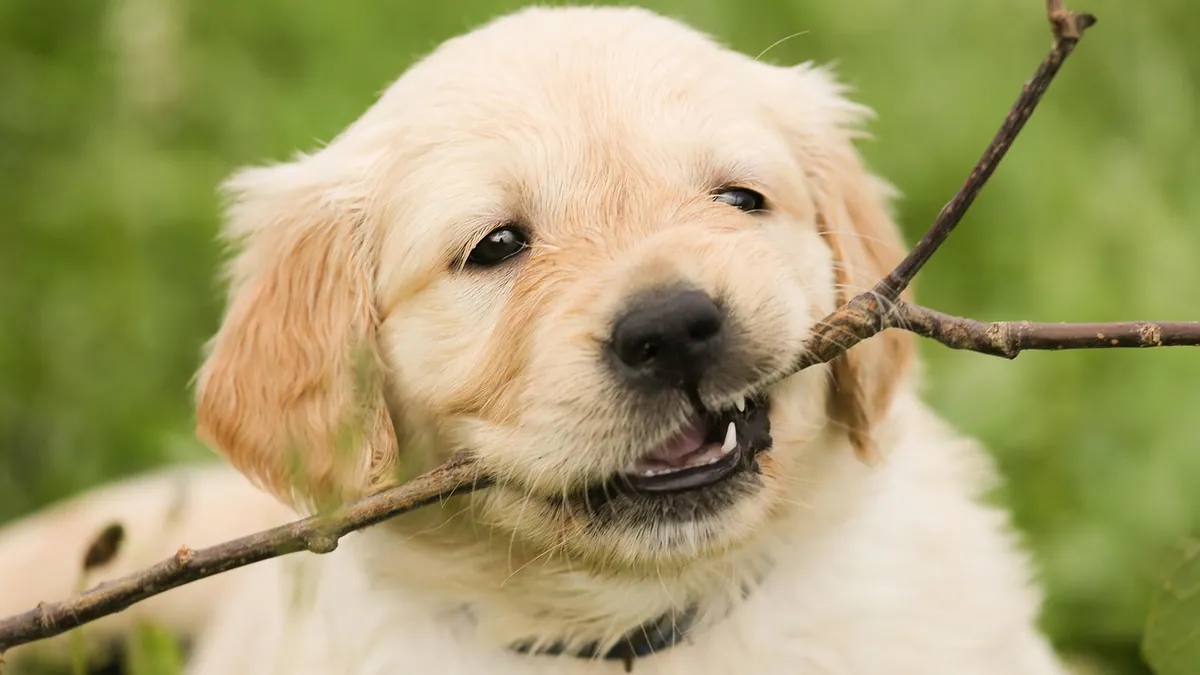
Puppy teething and diarrhea often show up at the same time, but teething does not cause diarrhea. The two events overlap because puppies cut teeth during the same months they explore the world with their mouths and eat things that upset their stomachs. If your puppy has loose stool, treat it as a gut problem and watch for signs that need a vet.
This article is educational and is not a substitute for veterinary diagnosis or treatment.
Quick Answer
- Teething does not cause diarrhea. Puppies lose baby teeth and grow adult teeth between about 3 weeks and 7 months of age, and most diarrhea in that window has a separate trigger [1].
- Most mild diarrhea in dogs clears up on its own within 48 to 72 hours [2].
- Call your vet if the loose stool lasts longer than 2 days, or sooner if your puppy stops eating, acts tired, vomits, or has black or tarry stool [2].
- Puppies are more likely than adult dogs to carry certain gut bacteria such as Campylobacter jejuni, and eating table scraps or trash raises that risk [3].
- Never give human diarrhea medicine or guess at a dose. Your veterinarian calculates any medication from your puppy's weight and health.
What Puppy Diarrhea While Teething Actually Looks Like
Normal puppy stool is soft but holds its shape. It is brown, easy to pick up, and your puppy acts bright and hungry between meals. A puppy who is teething may drool, chew more, and seem mildly uncomfortable around the mouth. That is normal teething behavior.
Diarrhea looks different. The stool may be watery, mushy, or frequent. It may change color, smell worse than usual, or contain mucus or blood. Your puppy may squat more often, strain, or have accidents in the house after being reliable.
The timing is what confuses owners. Puppies cut their deciduous teeth starting at 3 to 5 weeks of age, and permanent teeth begin to appear around 4 to 5 months, with all adult teeth in place by about 7 months [1]. That is a long stretch. During those same months, puppies are vaccinated, dewormed, switched to new food, and allowed to meet other dogs. Any of those can upset the gut. The teething calendar and the diarrhea calendar simply overlap.
Dog Teething Diarrhea: Why the Two Are Usually Coincidental
There is no established biological pathway by which erupting teeth loosen stool. Teething causes local mouth discomfort, not changes in how the intestines absorb water. When a puppy has diarrhea while teething, look for a separate cause.
What owners often blame on teething
- Chewing on dirty toys, sticks, or shoes
- Eating table scraps or raiding the trash
- A sudden change in kibble or treats
- Stress from a new home, crate training, or a vet visit
- Intestinal parasites picked up from the yard or other dogs
- A mild infection that other puppies in the household also have
What is actually happening in the gut
Diarrhea means water is passing through the gastrointestinal tract too quickly to be absorbed, so it leaves the body with the waste [2]. That fast transit can come from infection, diet change, stress, or inflammation. None of those are triggered by a tooth pushing through the gum.
If your puppy has loose stool and you want to try home care first, see How To Help Puppy With Diarrhea At Home. If the problem keeps coming back, How To Stop Puppy Diarrhea At Home covers longer-term steps.
Main Causes of Loose Stool in Puppies
| Cause | Typical clues | How urgent |
|---|---|---|
| Diet change or new treats | Loose stool starts within a day or two of a food switch, puppy still playful | Monitor for 24 to 48 hours |
| Dietary indiscretion (trash, table scraps) | You saw the puppy eat something unusual, stool may be greasy or smelly | Call your vet if it lasts past 2 days or the puppy vomits |
| Stress (new home, travel, boarding) | Loose stool with no other signs, resolves as the puppy settles | Monitor, call if it persists |
| Intestinal parasites | Poor weight gain, pot-bellied look, stool with mucus, possible worms visible | Routine vet visit soon |
| Bacterial infection such as Campylobacter | Watery stool, sometimes with blood, often in puppies under 6 months | Call your vet, especially if the puppy seems sick |
| Viral infection (parvovirus, distemper) | Severe vomiting, bloody stool, extreme tiredness, not eating | Emergency now |
| Hemorrhagic diarrhea syndrome | Sudden large amounts of bloody stool in an otherwise stable dog | Emergency now |
| Food allergy or sensitivity | Chronic loose stool, itching, ear problems | Routine vet visit |
Campylobacter jejuni is more common in puppies than adult dogs. In one study, 14.3 percent of puppies shed this bacterium compared with 2.8 percent of adults, and dogs that recently ate table scraps or trash were more likely to test positive [3]. That does not mean every puppy with diarrhea has Campylobacter, but it shows how often diet mistakes and gut bacteria line up.
Bacterial and yeast pathogens are also common in dogs with diarrhea. One study found diarrheagenic E. coli in 48.4 percent of diarrheic dogs, and Salmonella was detected more often in some groups than others [4]. These findings do not mean every loose stool needs antibiotics. Many cases are mild and self-limiting [2].
If you see blood or mucus in the stool, read Dog Diarrhea with Blood and Mucus: What It Means and What to Do before deciding what to do next.
Red Flags That Make It an Emergency
Some signs mean your puppy needs care right away, not a wait-and-see approach.
- Bloody diarrhea, especially large amounts or black tarry stool [2]
- Repeated vomiting along with diarrhea [2]
- Your puppy will not eat [2]
- Your puppy is lethargic or hard to wake [2]
- Signs of dehydration such as tacky gums, sunken eyes, or skin that stays tented when gently pinched
- Diarrhea that lasts longer than 48 to 72 hours [2]
- A puppy under 16 weeks who is not fully vaccinated and has severe watery stool
Dehydration is the main danger. When water leaves the body through diarrhea, electrolytes shift, the kidneys work harder, and organ failure can follow [2]. Vomiting speeds that process up [2]. A small puppy can decline faster than an adult dog because there is less reserve to draw on.
Safe Things You Can Do at Home While Waiting
Home care is reasonable for a puppy who is bright, drinking, and has mild loose stool with no red flags. Keep it simple.
Offer small amounts of water often
Do not restrict water. Dehydration is the bigger risk. Offer small amounts frequently so your puppy keeps drinking without gulping.
Feed a bland, easy-to-digest meal
Plain cooked chicken with white rice is a common short-term option. Keep portions small and frequent. If your puppy refuses to eat or vomits, stop and call your vet.
Skip table scraps and new treats
Rich or greasy food can prolong diarrhea. Stick to what your puppy already tolerates.
Protect the chewing puppy
Teething puppies chew to soothe their gums. Offer safe, washable chew toys instead of shoes, sticks, or trash. If chewing is intense and hard to redirect, see Destructive Chewing in Puppies: Teething Relief vs Separation Anxiety.
Do not give human medications
Never give over-the-counter human diarrhea medicine to a puppy. Some ingredients are toxic to dogs, and dosing is not the same as for people. Your veterinarian calculates any medication dose from your puppy's weight and health.
Keep a simple log
Write down when the diarrhea started, how many stools per day, what they look like, what your puppy ate in the last 48 hours, and whether there is vomiting or tiredness. This helps your vet decide what to test.
Probiotics are sometimes used for canine diarrhea, and research into specific strains is ongoing [5]. Do not pick a product on your own for a sick puppy. Ask your vet which one, if any, fits your case.
What Your Veterinarian Will Check and Test
Your vet will start with a full history and a physical exam. Expect questions about diet, chewing habits, vaccination status, and possible exposure to other dogs.
Common tests
- Fecal flotation or fecal PCR to look for parasites and bacteria
- Parvovirus test for puppies with severe or bloody diarrhea
- Blood work to check hydration, electrolytes, and organ function
- X-rays or ultrasound if a foreign object or blockage is suspected
Treatment options
Treatment depends on the cause. Mild cases may need only supportive care at home. More serious cases may need fluids under the skin or into a vein, anti-nausea medication, a prescription diet, or antibiotics if a bacterial infection is confirmed. Antibiotics are not right for every case and can harm the gut microbiome, so vets use them carefully [5].
Researchers are also studying ways to support gut repair in dogs with diarrhea, including probiotics and compounds that help the intestinal lining heal [5][6]. These are not standard home treatments. Your vet decides what fits your puppy.
Prevention and Monitoring
Most puppy diarrhea can be reduced with a few habits.
- Change food gradually over 7 to 10 days, mixing old and new.
- Keep trash, compost, and human food out of reach.
- Pick up stool in the yard and wash food bowls daily.
- Keep up with deworming and vaccinations on your vet's schedule.
- Supervise chew time and replace unsafe items with dog-safe toys.
- Introduce new environments slowly and give your puppy rest after busy days.
Monitor your puppy's stool for 24 to 48 hours after any diet change or stressful event. If it stays soft but your puppy is playful and eating, keep watching. If it gets worse or new signs appear, call your vet.
Limitations and When to Contact a Veterinarian
This article cannot tell you what is causing your puppy's diarrhea. Only a veterinarian who examines your puppy can do that. Individual cases need a veterinarian, and the timing below is a general guide.
Call your veterinarian the same day if your puppy has diarrhea that has lasted more than 2 days, is not eating, is vomiting, or seems tired [2].
Go to an emergency clinic now if you see large amounts of blood, black tarry stool, repeated vomiting, collapse, or severe weakness [2].
Schedule a routine visit if the diarrhea comes and goes over weeks, if your puppy is not gaining weight, or if you notice mucus or worms in the stool.
Frequently Asked Questions
Is diarrhea normal when puppies teeth?
No. Teething does not cause diarrhea. Puppies often have loose stool during the teething months because they are chewing on new objects, changing food, or picking up gut infections. Treat any diarrhea as a separate problem and watch for red flags.
Can teething cause loose stool in puppies through stress or pain?
There is no established link between teething pain and loose stool. Mild stress can affect the gut, and some puppies do get stressed by mouth discomfort, but that is not the same as teething causing diarrhea. Look for a diet or infection cause first.
Should I switch my puppy's kibble if they have diarrhea while teething?
Do not switch foods suddenly. A fast change can make diarrhea worse. If you suspect the current kibble, talk to your vet about a gradual transition or a temporary bland diet. Sudden switches are a common trigger for loose stool in puppies.
How long should I wait before calling the vet?
Call your vet if the diarrhea lasts more than 2 days, or sooner if your puppy stops eating, vomits, acts tired, or has black or bloody stool [2]. Puppies can dehydrate quickly, so do not wait if your puppy seems unwell.
Can I give my puppy human diarrhea medicine?
No. Human diarrhea medicines are not made for dogs and some are toxic. Your veterinarian will decide whether any medication is needed and will calculate the dose from your puppy's weight and health. Never guess at a dose.
Related Articles
- How To Help Puppy With Diarrhea At Home
- Destructive Chewing in Puppies: Teething Relief vs Separation Anxiety
- How To Stop Puppy Diarrhea At Home
- Dog Diarrhea with Blood and Mucus: What It Means and What to Do
- How To Treat Puppy Diarrhea At Home
- How To Cure Puppy Diarrhea At Home
- Why Does My Dog Have Diarrhea? Causes in Dogs and Puppies
- Do Puppies Vomit When Teething? Causes and When to Worry
- Do Puppies Usually Have Soft Stool? Normal vs. Diarrhea
- Canine Intestinal Parasites Causing Diarrhea: Diagnosis, Treatment, and Prevention
References
- Dental Development of Dogs - Dog Owners. Merck Veterinary Manual.
- Diarrhea. Cornell University College of Veterinary Medicine.
- Fecal Campylobacter jejuni shedding in healthy dogs and dogs with acute diarrhea in central New York. American journal of veterinary research, 2026.
- Detection, identification, and co-carriage patterns of different bacterial and yeast pathogens isolated from diarrheic and apparently healthy dogs and cats. Comparative immunology, microbiology and infectious diseases, 2026.
- Pilot study evaluating tolerability and changes in fecal microbiota associated with novel probiotic administration to dogs with diarrhea. Frontiers in veterinary science, 2025.
- Canine epidermal growth factor-expressing Lactococcus lactis promotes intestinal injury repair and alleviates diarrhea in canine. BMC veterinary research, 2026.