Do Puppies Usually Have Soft Stool? Normal vs. Diarrhea
By Dr. Zubair Khalid, DVM, MS, PhD ·
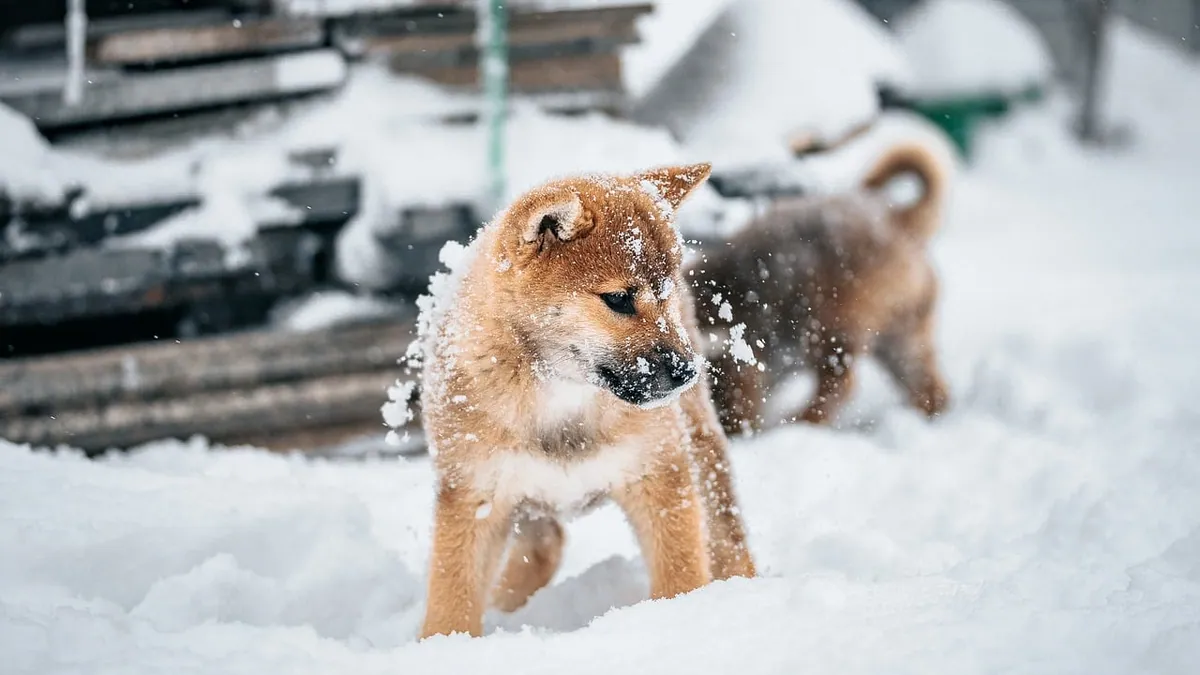
Yes, puppies usually have soft stool, and many owners notice loose stools during the first few months. A puppy's digestive system is still maturing, and food changes, parasites, and stress can all loosen things up. The tricky part is telling normal puppy softness apart from diarrhea that needs a vet.
This article is educational and is not a substitute for veterinary diagnosis or treatment.
Quick Answer
- Soft, pudding-like stool can be normal in puppies, especially during diet transitions and the first weeks after coming home.
- True diarrhea is watery, frequent, or comes with blood, mucus, vomiting, or a puppy who acts sick.
- Most mild diarrhea in dogs clears up on its own, but if loose stool lasts more than two days, call your vet [1].
- Puppies dehydrate faster than adult dogs, so small body size makes any illness more serious.
- Never give human diarrhea medicine or guess a dose. Your veterinarian calculates any medication from your puppy's weight and health.
What Soft Puppy Stool Looks Like and What Counts as Normal
Normal puppy poop is shaped like a log or a soft serve swirl. It holds its form when you pick it up, and it is easy to clean off grass. Color runs from chocolate brown to tan, depending on diet.
Soft stool sits in the middle. It mounds up but spreads a little. It may look like pudding or thick oatmeal. It is not liquid, and it does not soak into the ground.
Loose stool is wetter. It spreads out, leaves a puddle ring, and is hard to pick up. Watery stool is mostly liquid. That is diarrhea.
Puppies often have softer stool than adult dogs for a few reasons. Their gut bacteria and digestive enzymes are still developing. They eat more often, and their food moves through faster. Stress from a new home, travel, or a vaccine visit can also loosen stool for a day or two.
Veterinarians use fecal scoring scales to grade stool from very hard to very watery. A recent study found that scoring stool from photographs gave results close to scoring fresh samples in person, which shows how much consistency matters when judging puppy poop [2]. You do not need a formal scale at home. Just note the shape, the color, and how many times a day it happens.
Do Puppies Usually Have Loose Stools? Main Causes
Yes, loose stools are common in puppies, but common does not always mean harmless. Here are the main causes and how to think about each one.
| Cause | Typical clues | How urgent |
|---|---|---|
| Diet change or new treats | Soft stool starts 1 to 3 days after a food switch, puppy still playful and eating | Monitor for 48 hours, then call if no improvement |
| Overfeeding or table scraps | Soft to loose stool, sometimes gassy, often after a rich meal | Monitor, simplify diet, call if it worsens |
| Intestinal parasites | Loose stool, pot belly, dull coat, visible worms or rice-like segments | Routine vet visit soon, bring a stool sample |
| Stress (new home, travel, boarding) | Loose stool for a day or two, puppy otherwise normal | Monitor, call if it lasts past 48 hours |
| Viral or bacterial infection | Watery stool, vomiting, lethargy, not eating | Call the vet the same day |
| Food intolerance or allergy | Chronic soft stool, itching, ear infections | Routine visit to plan a diet trial |
| Swallowed object or toxin | Vomiting, drooling, painful belly, sudden diarrhea | Emergency now |
Diet and Food Changes
Puppies have sensitive guts. A sudden switch from the breeder's food to your food is one of the most common reasons for soft stool. The gut microbiome shifts when the diet changes, and stool consistency changes with it. A study in adult dogs found that fecal consistency improved after dogs transitioned to a fresh-frozen diet, with changes appearing shortly after the switch [3]. That tells us diet has a real and fairly quick effect on stool quality.
If you switch foods, do it slowly over seven to ten days, mixing a little more new food each day. Keep treats to a minimum during the transition.
Parasites
Parasites are a major cause of loose stool in puppies. A study of puppies up to six months old found intestinal parasites in a large share of fecal samples. Toxocara (roundworm) showed up in 34%, Cystoisospora (coccidia) in 28%, hookworms in 22%, and Giardia in 8% [4].
One detail matters a lot. Roundworm infection was not limited to puppies with abnormal stool. Some infected puppies had normal-looking poop [4]. That is why vets recommend deworming and fecal testing even when stool looks fine. If you see worms or something that looks like rice in the stool, see How To Tell If Dog Has Worms In Stool.
Stress and Environment
A new home is a big change. Puppies may have soft stool for a day or two after adoption, a long car ride, or a busy day. If your puppy is eating, drinking, playing, and sleeping normally, short-term softness is usually not a crisis.
Infections and Illness
Parvovirus, distemper, and other infections cause severe diarrhea, often with vomiting and lethargy. These are emergencies in puppies. So are toxin exposures and swallowed objects. If your puppy is suddenly very sick, do not wait.
Other Causes
Food intolerance, inflammatory bowel disease, and antibiotic use can all change stool. Antibiotics can disrupt the gut microbiome, which is one reason veterinarians look for alternatives when possible [5]. If your puppy was recently on antibiotics and now has loose stool, mention it to your vet.
Red Flags That Mean Emergency Care
Some signs mean you should stop watching and go to a vet now.
- Blood in the stool, especially large amounts or black tarry stool
- Repeated vomiting
- Lethargy or weakness
- Not eating or not drinking
- Painful or bloated belly
- Collapse or trouble standing
- Known or suspected toxin exposure or swallowed object
Vomiting plus diarrhea speeds up dehydration. Dehydration causes electrolyte imbalances, strains the kidneys, and can lead to organ failure and death [1]. Puppies have less reserve than adult dogs, so the timeline is shorter.
If your puppy has blood in the stool but still acts normal, read Dog Blood in Stool but Acting Normal: What Does It Mean?. Mucus in stool is another pattern worth understanding. See Why Is My Dog having mucus in stool? Colitis and Large Bowel Diarrhea.
Safe Things To Do at Home While You Wait
You can do a few simple things while you decide whether to call the vet.
Keep Water Available
Offer fresh water at all times. Dehydration is the main risk with diarrhea, so drinking matters. If your puppy refuses water, call your vet.
Simplify the Diet
Stop all treats, table scraps, and chews. Feed the same puppy food in smaller, more frequent meals. If you changed foods recently, consider going back to the old food until stool firms up.
Collect a Stool Sample
Put a fresh sample in a clean bag or container and refrigerate it. Bring it to your vet visit. A fecal test can find parasites and other causes.
Do Not Give Human Medications
Never give human anti-diarrheal drugs to a puppy. Some are toxic to dogs, and dosing is different. Your veterinarian calculates any medication dose from your puppy's weight and health. If you want to try a probiotic, ask your vet first. Probiotics are a common option for diarrhea in dogs, and research is ongoing into how different strains affect the gut microbiome [5].
Watch the Clock
Mild diarrhea in dogs often resolves on its own, and many cases are uncomplicated when the dog is otherwise happy and normal [1]. The cutoff matters. If loose stool lasts more than two days, call the vet [1]. If your puppy is not eating, is lethargic, has black or tarry stool, is vomiting, or the diarrhea does not resolve in 48 to 72 hours, seek veterinary care [1].
For a step-by-step home plan, see How To Help Puppy With Diarrhea At Home.
What Your Veterinarian Will Check and Test
Your vet will start with a full history. They will ask about diet, treats, vaccines, deworming, travel, and how long the stool has been soft. Then they will do a physical exam. They check hydration, gum color, belly pain, temperature, and body condition.
Common tests include:
- Fecal flotation and other stool tests for parasites such as roundworms, hookworms, coccidia, and Giardia [4]
- Parvovirus test for puppies with severe or bloody diarrhea
- Blood work to check hydration, electrolytes, and organ function
- X-rays or ultrasound if a swallowed object or blockage is suspected
Treatment depends on the cause. Dewormers treat parasites. A bland diet or prescription diet may help the gut rest. Fluids treat dehydration. Probiotics may support the gut microbiome, and research continues on which strains help most [5]. Antibiotics are used only when a bacterial cause is likely, since they can harm the gut microbiome [5].
If your puppy has chronic loose stool, your vet may recommend a diet trial. Nutrition is a core part of managing long-term diarrhea in pets, and the right diet plan is set by your veterinarian for your individual puppy [6].
Prevention and Monitoring
A few habits lower the odds of ongoing soft stool.
- Deworm on the schedule your vet sets. Parasites are common even in puppies with normal stool [4].
- Switch foods slowly over seven to ten days.
- Keep treats simple and limited.
- Pick up stool promptly and wash your hands. Some puppy parasites can spread to people [4].
- Bring a stool sample to every puppy wellness visit.
- Track stool in a notebook or app. Note the time, the shape, and any triggers.
If your puppy has diarrhea but acts normal, that still deserves attention. See Dog Diarrhea but Acting Normal: Should You Worry?.
Limitations and When to Contact a Veterinarian
This article gives general guidance only. Every puppy is different, and individual cases need a veterinarian who can examine your pet.
Call your veterinarian the same day if your puppy has:
- Loose stool lasting more than 48 hours [1]
- Vomiting along with diarrhea [1]
- Not eating or lethargy [1]
- Blood or black tarry stool [1]
Go to an emergency clinic now if your puppy is collapsing, has a painful or bloated belly, is vomiting repeatedly, or may have eaten a toxin or object. Do not wait for a regular appointment.
Schedule a routine visit if soft stool comes and goes, if you see worms, or if your puppy has not been dewormed on schedule.
Frequently Asked Questions
Is it normal for puppies to have soft poop every day?
Soft poop can be normal for some puppies, especially during food transitions and early growth. Daily soft stool that never firms up is worth a vet visit to rule out parasites, diet issues, or other causes.
How long can soft stool last before I should worry?
Mild diarrhea often clears on its own, but if loose stool lasts more than two days, call your vet [1]. If it continues past 48 to 72 hours, or your puppy acts sick, seek care sooner [1].
Can changing food cause soft stool in puppies?
Yes, diet changes are a common trigger. Stool consistency shifts when the diet changes, and one study found changes appeared shortly after dogs transitioned to a new diet [3]. Switch foods slowly over seven to ten days to reduce the risk.
Should I give my puppy human diarrhea medicine?
No. Never give human anti-diarrheal medicine to a puppy. Some products are toxic to dogs, and the correct dose depends on your puppy's weight and health. Your veterinarian sets any medication dose.
Can worms cause soft stool in puppies even if the poop looks normal?
Yes. In one study, roundworm infection was found in puppies with normal stool consistency, not only in those with abnormal stool [4]. That is why fecal testing and scheduled deworming matter even when poop looks fine.
Related Articles
- Dog Diarrhea but Acting Normal: Should You Worry?
- How To Tell If Dog Has Worms In Stool
- Dog Blood in Stool but Acting Normal: What Does It Mean?
- Why Is My Dog having mucus in stool? Colitis and Large Bowel Diarrhea
- How To Help Puppy With Diarrhea At Home
- Why Is My Dog's Stomach So Bloated And Hard
- Diarrhea vs Loose Stool in Dogs: What's the Difference?
- Why Is My Dog's Poop Always Soft? Causes and Fixes
- Why Does My Dog Have Diarrhea? Causes in Dogs and Puppies
- Canine Intestinal Parasites Causing Diarrhea: Diagnosis, Treatment, and Prevention
References
- Diarrhea. Cornell University College of Veterinary Medicine.
- Validation of photographic fecal scoring in puppies. Preventive veterinary medicine, 2026.
- Impacts of a fresh-frozen dog food on fecal consistency and microbiome in colony dogs. Journal of animal science, 2026.
- Prevalence of Potentially Zoonotic Endoparasites in Domestic Dog Puppies. Veterinary sciences, 2025.
- Pilot study evaluating tolerability and changes in fecal microbiota associated with novel probiotic administration to dogs with diarrhea. Frontiers in veterinary science, 2025.
- Feline chronic diarrhea: causes and nutritional management. Veterinary and animal science, 2026.