How Long Do Kittens Need Help to Pee and Poop?
By Dr. Zubair Khalid, DVM, MS, PhD ·
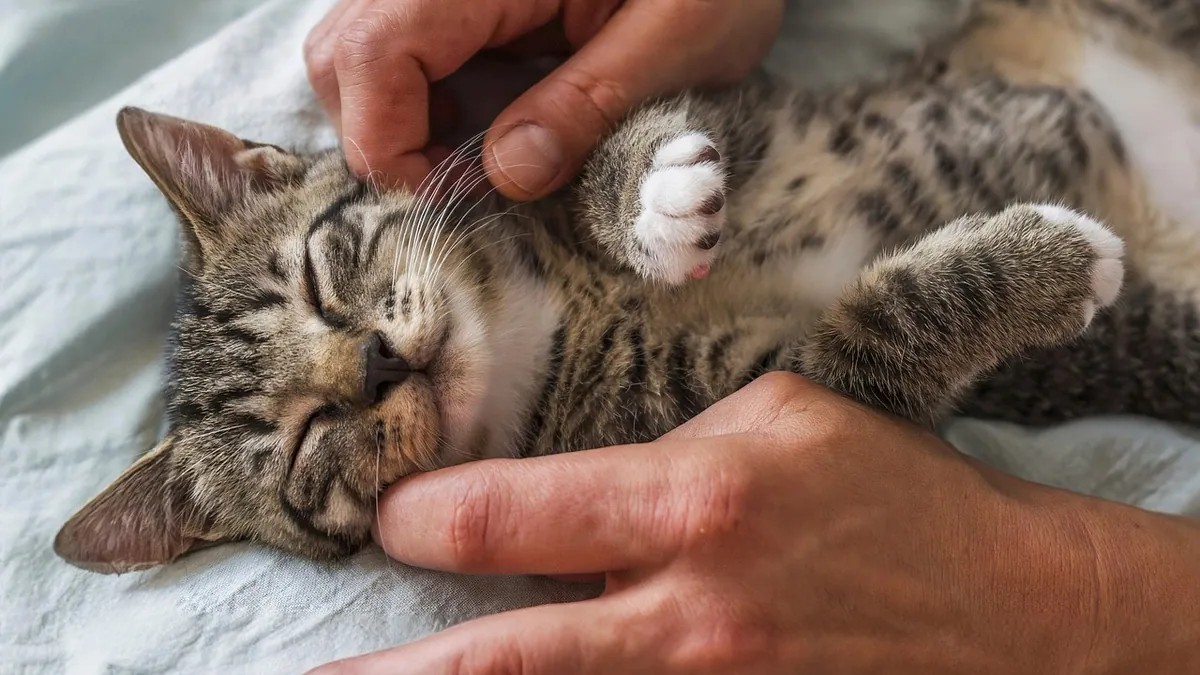
Newborn kittens cannot pee or poop on their own. For roughly the first three to four weeks of life, they need their mother, or you, to stimulate them after each feeding. How long do kittens need to be stimulated to use the bathroom? Most orphaned kittens can start using a litter box somewhere between 3 and 4 weeks of age, but every kitten is an individual and some need help a little longer.
This article is educational and is not a substitute for veterinary diagnosis or treatment.
Quick Answer
- Kittens under about 3 weeks old need manual stimulation to urinate and defecate, usually right after every feeding.
- Expect to stimulate a newborn every 2 to 3 hours around the clock, which lines up with how often they eat.
- Most kittens begin to eliminate on their own and can be introduced to a shallow litter box at 3 to 4 weeks old.
- A kitten who has not peed in 12 hours, or has not pooped in 24 to 48 hours, needs a call to your veterinarian.
- Kittens should be seen by a veterinarian every 3 to 4 weeks until they are about 6 months old, so early litter habits are a good time to book that first visit [1].
What Stimulation Means and Why Newborns Need It
A mother cat licks her kittens' belly and genital area after feeding. That licking triggers the reflexes that let a kitten release urine and stool. Without that trigger, a newborn's bladder and bowels do not empty on their own.
If you are hand-raising a kitten, you copy what the mother does. You use a warm, damp cotton ball, gauze pad, or soft cloth and gently wipe the genital and anal area. The kitten will usually pee within seconds. Pooping may take a little longer and may not happen at every session.
This is not potty training. It is a physical need, like feeding. A kitten left without stimulation can develop a painfully full bladder, and a full bladder in a tiny kitten can become an emergency fast.
How Long Do Kittens Need to Be Stimulated to Use the Bathroom?
The short answer is until their body matures enough to go on its own. That usually happens around 3 to 4 weeks of age. At that point, kittens start to squat, sniff, and eliminate without help, and you can offer a litter box.
Some kittens catch on in a few days. Others need a mix of stimulation and litter box time for another week or two. Do not rush it. Keep stimulating after feedings until you see the kitten reliably peeing and pooping in the box.
If a kitten is still not eliminating on its own by 5 weeks, mention it to your veterinarian. There may be a simple reason, such as diet, or something that needs a closer look.
How Often Do Kittens Need Help?
Frequency tracks feeding. Very young kittens eat every 2 to 3 hours, so they need stimulation at that same pace, including overnight. As they grow and stretch out their feeding schedule, you can space out bathroom help too.
A rough guide:
- Birth to 1 week: stimulate after every feeding, about every 2 to 3 hours.
- 1 to 2 weeks: every 3 to 4 hours, still after feedings.
- 2 to 3 weeks: every 4 to 6 hours as feedings spread out.
- 3 to 4 weeks: offer the litter box after meals and stimulate only if the kitten does not go.
Pooping is less predictable than peeing. A kitten may poop once or twice a day, or every other day, especially in the first week. Watch the pattern for your kitten instead of expecting a fixed number.
Step-by-Step: How to Stimulate a Kitten
- Feed first. Stimulation works best right after a meal, when the gut and bladder are active.
- Gather supplies. Warm water, cotton balls or soft gauze, paper towels, and a trash bag or bowl for soiled items.
- Warm the cloth. Use lukewarm water, not hot. Wring it out so it is damp, not dripping.
- Hold the kitten securely. Support the chest and belly with one hand so the kitten feels safe and does not wiggle free.
- Wipe gently. Use light strokes over the genital area first, then the anal area. Do not rub hard and do not push on the belly.
- Wait and repeat. Give it 30 to 60 seconds. Most kittens go quickly. If nothing happens, try again in a few minutes.
- Clean up. Wipe the kitten dry so it does not get chilled. Change soiled bedding right away.
- Keep a log. Note the time, whether the kitten peed or pooped, and what it looked like. This record is gold if you ever need to call a vet.
A Simple Schedule and Checklist
| Kitten age | Feeding frequency | Bathroom help | Litter box |
|---|---|---|---|
| 0 to 1 week | Every 2 to 3 hours | Stimulate after every feeding | No |
| 1 to 2 weeks | Every 3 to 4 hours | Stimulate after every feeding | No |
| 2 to 3 weeks | Every 4 to 6 hours | Stimulate after feedings | Introduce shallow box |
| 3 to 4 weeks | Every 4 to 6 hours | Stimulate only if needed | Box available at all times |
| 4 weeks and up | 4 to 6 hours plus solids | Usually none | Box available at all times |
Daily checklist:
- Did the kitten pee since the last feeding?
- Did the kitten poop in the last 24 hours?
- Is the urine pale yellow, not dark or bloody?
- Is the stool soft and formed, not rock hard or watery?
- Is the kitten warm, alert, and gaining weight?
- Is the bedding clean and dry?
When Kittens Start Using a Litter Box
Around 3 weeks, most kittens can stand and wobble around. That is your cue to set up a box. Use a shallow pan with low sides so a small kitten can climb in. Avoid clumping litter for very young kittens, since they may taste it and it can clump in the mouth or gut. Plain non-clumping litter or pellet litter is safer at this stage.
Put the kitten in the box after meals and after naps. Scratch the litter gently with your finger to show what it is for. Praise the kitten when it goes. Never punish a kitten for an accident. It does not understand punishment and it can make litter avoidance worse.
Cats do have preferences. A study of indoor cats found they preferred litter boxes measuring at least 50 cm (about 20 inches) and clumping clay litter, and a comfortable litter setup reduced house-soiling [2]. That study looked at adult cats, so keep the box small and shallow for a young kitten, then size up as it grows.
Signs Something Is Wrong
Call your veterinarian if you see any of these:
- No pee in 12 hours, or a kitten straining, crying, or licking at the genital area.
- No poop in 24 to 48 hours, or a hard, dry stool.
- A swollen, tight, or painful belly.
- Urine that is dark, bloody, or has a strong smell.
- Stool that is watery, black, or contains blood or mucus.
- A kitten who is cold, limp, crying nonstop, or refusing to eat.
- A kitten who was eliminating well and suddenly stops.
A kitten who cannot pee is a true emergency. If you are ever unsure how long is too long, this guide on How Long Can A Cat Go Without Peeing Or Pooping can help you judge the situation while you call for advice. For male kittens, the risk of a blocked urethra is real, and How Long Can A Male Cat Go Without Peeing explains why that is so urgent.
Common Mistakes Owners Make
- Waiting too long between sessions. A newborn's bladder fills fast. Stick close to the feeding schedule.
- Rubbing too hard. Gentle strokes are enough. Rough wiping can irritate delicate skin.
- Skipping overnight stimulation. Young kittens need help around the clock, even at 2 a.m.
- Using clumping litter too early. Small kittens may eat it. Wait until they are older and reliably using the box.
- Punishing accidents. This teaches fear, not cleanliness.
- Ignoring a missed poop. Constipation in a tiny kitten can become serious quickly.
- Assuming a quiet kitten is fine. A kitten that stops crying for food or stops peeing may be sick, not calm.
- Forgetting the vet schedule. Kittens need visits every 3 to 4 weeks until about 6 months old for vaccines and parasite treatment [1].
Supplies and Setup That Matter for Health
You do not need much, but the right items make a difference.
- A shallow litter pan with low sides, easy for a wobbly kitten to enter.
- Non-clumping litter or pellets for kittens under about 8 weeks.
- Warm water, cotton balls, and soft gauze for stimulation.
- A heat source, such as a heating pad on low under half the bedding, so the kitten can move away if too warm.
- A kitchen scale to track weight in grams. Steady weight gain is one of the best signs a kitten is thriving.
- A notebook or phone app to log feedings, pees, and poops.
- A carrier ready for vet visits.
Keep the litter box away from the food and water bowls. Cats prefer a clean, quiet bathroom spot. Scoop daily and wash the pan regularly.
What Normal Looks Like
Normal kitten urine is pale yellow and mild smelling. Normal stool is soft, formed, and mustard to brown in color. Formula-fed kittens often have looser stool than kittens nursing from their mother.
As kittens grow, their bathroom habits change. Adult cats with chronic kidney disease urinate more often and spend longer in the box, and they may cover less afterward [3]. Cats with kidney disease also have more days without a bowel movement than healthy cats [4]. These are adult concerns, but they show why tracking elimination from kittenhood onward is useful. If you notice a lasting change in how often your cat goes, that is worth a vet visit.
Behavior problems around the box are common in cats and are a leading reason cats end up in shelters [2]. Starting good litter habits early, and keeping the box clean and comfortable, lowers that risk. If your cat develops repeated, rigid, unacceptable urination later in life, a veterinarian can evaluate for medical causes first, since behavior treatment works best once health problems are ruled out [5].
Limitations and When to Contact a Veterinarian
Every kitten is different. Age, weight, diet, and overall health all affect how long stimulation is needed and how often a kitten should go. Your veterinarian is the only one who can assess your specific kitten.
Call your veterinarian the same day if:
- The kitten has not peed in 12 hours.
- The kitten has not pooped in 24 to 48 hours.
- The belly looks swollen or feels tight.
- The kitten is crying while trying to go.
- You see blood in urine or stool.
Go to an emergency clinic now if:
- The kitten is straining to pee with nothing coming out.
- The kitten is cold, limp, or unresponsive.
- The kitten is vomiting repeatedly or has severe diarrhea.
- The kitten collapses or has trouble breathing.
Schedule a routine visit if:
- The kitten is not using the litter box by 5 weeks.
- You are unsure whether stimulation is working.
- The kitten needs its first exam, vaccines, or deworming. Kittens should see a vet every 3 to 4 weeks until about 6 months old [1].
If your kitten has surgery or another procedure, bathroom habits can change for a short time. This article on How Long Can A Cat Go Without Peeing After Surgery covers what is typical and when to worry.
Frequently Asked Questions
How long do kittens need to be stimulated to poop?
Most kittens poop on their own by about 3 to 4 weeks of age. Until then, stimulate after each feeding, and do not worry if a kitten skips a day early on. If a kitten goes more than 24 to 48 hours without pooping, call your veterinarian.
How often do kittens use the bathroom?
Newborns need help every 2 to 3 hours, matching their feeding schedule. By 3 to 4 weeks, most kittens use a litter box several times a day on their own. Pooping is usually once or twice daily, but the pattern varies.
How long do kittens go without using the bathroom?
A healthy kitten should pee within a few hours of each feeding once stimulated. Going 12 hours without peeing is a red flag. Going 24 to 48 hours without pooping also deserves a call to your vet.
How long do kittens take to potty train?
Most kittens start using a litter box between 3 and 4 weeks and are fairly reliable by 6 to 8 weeks. Some need extra help for another week or two. Keep the box shallow, clean, and easy to reach.
Can I start litter box training before 3 weeks?
No, kittens younger than about 3 weeks usually cannot control their bladder or bowels well enough to use a box. Stimulate them after feedings instead. Once they can stand and walk steadily, introduce a shallow pan with non-clumping litter.
Related Articles
- How Long Can A Cat Go Without Peeing Or Pooping
- How Long Can A House Cat Go Without Peeing
- How Long Can A Cat Go Without Peeing After Surgery
- How Many Days Can A Cat Go Without Peeing
- How Long Can A Male Cat Go Without Peeing
- How Long Can A Cat Safely Go Without Urinating
- How to Help a Kitten Go to the Bathroom
- How Often Do Kittens Pee? Normal vs Too Much
- How Often Do Kittens Poop? What Is Normal
References
- Kitten Care - Cat Owners. Merck Veterinary Manual.
- Litter box size and litter type preference and their associated behavioral changes in cats. The Journal of veterinary medical science, 2025.
- Enhancing Detection of Feline Chronic Kidney Disease Through Smart Litter Box Monitoring. Animals : an open access journal from MDPI, 2026.
- Quantification of defecation frequency in cats with and without chronic kidney disease. Journal of feline medicine and surgery, 2025.
- Retrospective Analysis of Compulsive-like Long-Standing Unacceptable Urination in Cats. Veterinary sciences, 2026.