How Often Do Kittens Pee? Normal vs Too Much
By Dr. Zubair Khalid, DVM, MS, PhD ·
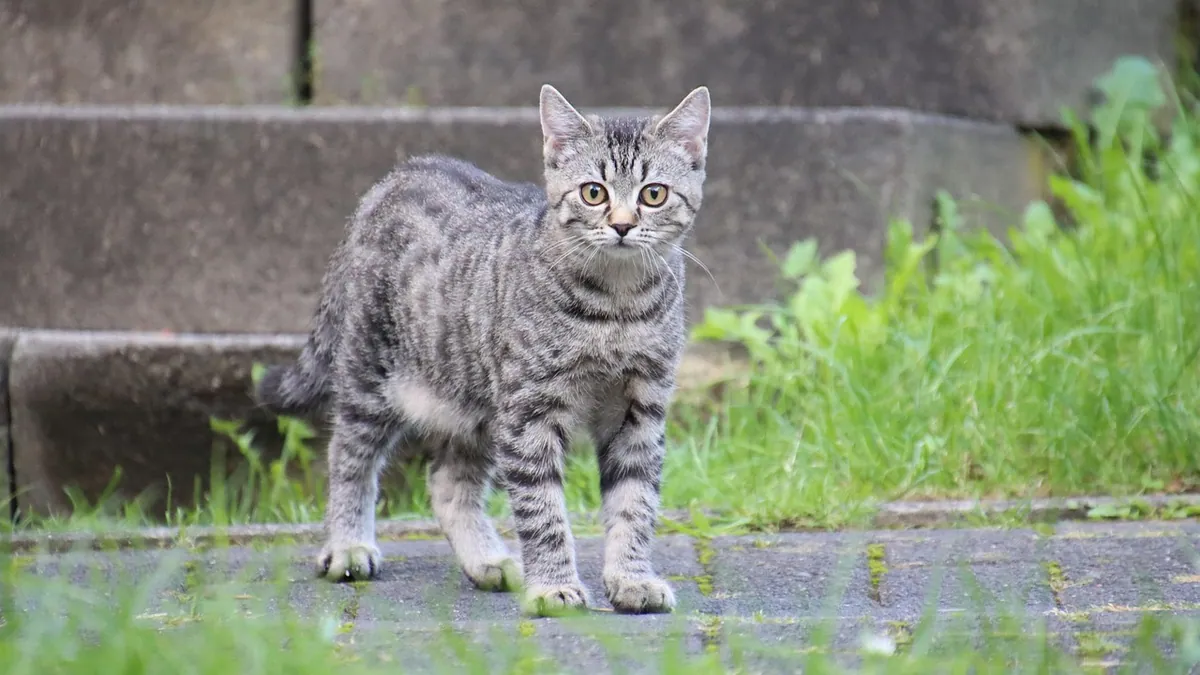
Most kittens pee about two to four times a day by the time they are a few weeks old, though young kittens on milk or formula go far more often. If you are wondering "do kittens pee a lot," the honest answer is that some peeing a lot is normal in a growing kitten, but a sudden jump in frequency, straining, or tiny repeated pees is not. This article is educational and is not a substitute for veterinary diagnosis or treatment.
Quick Answer
- A healthy young kitten typically urinates several times a day, and frequency drops as the kitten grows and eats more solid food.
- A kitten who squats repeatedly and produces only drops, cries while peeing, or licks the genital area constantly needs to be seen the same day.
- A male kitten who cannot pass urine at all is an emergency. A blocked urethra can become fatal within hours.
- Peeing outside the box can be a medical problem, a stress response, or normal urine marking, which is usually a smaller volume on a vertical surface [1].
- Track how often your kitten pees and how much. Changes in that pattern are often the first clue to a urinary or kidney problem [2].
What Normal Kitten Urination Looks Like
Kittens are not small adults when it comes to peeing. A newborn kitten cannot urinate on its own. The mother cat stimulates the genital area to make the kitten pee and poop, and this continues until the kitten is roughly three to four weeks old. If you are hand-raising an orphan, you have to mimic that stimulation after every feeding.
Once a kitten starts using a litter box, usually around four weeks, you will see the pattern change fast. Very young kittens pee small amounts very often because they are drinking mother's milk or formula, which is mostly water. As they wean onto solid food and their bladder grows, the number of trips drops and the volume per trip rises.
By the time a kitten is eight to twelve weeks old, most are peeing somewhere in the range of two to four times a day. That is a general guide, not a rule. A kitten who drinks more will pee more. A kitten on wet food gets water from the food and may pee a little less often than one on dry food only.
What matters more than a specific number is the pattern. You want to know your kitten's normal. Is the pee volume roughly the same each time? Is the kitten comfortable? Is the litter box being used consistently? Those questions tell you more than counting trips.
One more normal behavior to know: urine marking. Cats leave urine messages on vertical surfaces, a behavior called spraying. A spraying cat backs up to a wall or chair, stands with the tail straight up, and releases urine onto the surface, often with the tail or body twitching [1]. The amount sprayed is usually less than what a cat voids in the litter box during normal elimination [1]. Intact cats of both sexes mark more, but neutered cats can do it too, often in response to stress or territorial pressure.
Is It Normal for Kittens to Pee a Lot? Causes of Increased Urination
If your kitten suddenly seems to pee more than usual, the cause could be harmless or serious. Here is how to sort the common possibilities.
| Cause | Typical clues | How urgent |
|---|---|---|
| Drinking more water (diet change, hot weather, play) | Pee volume up, but kitten acts normal, no straining, no accidents outside the box | Routine visit if it persists more than a day or two |
| Stress or shelter or home changes | Peeing more, hiding, marking vertical surfaces, new pet or move | Routine to same-day, depending on severity |
| Urinary tract infection or inflammation | Frequent small pees, straining, crying, licking the genital area, pee outside the box | Same day |
| Urethral obstruction (most common in male kittens) | Repeated trips, no urine or only drops, crying, vomiting, lethargy, hard belly | Emergency now |
| Chronic kidney disease | Increased urination frequency, longer time in the box, less covering of waste [2] | Routine visit, but sooner if the kitten is young and the change is sudden |
| Diabetes or other metabolic disease | Peeing a lot plus drinking a lot, weight change, big appetite | Same day to routine, based on how sick the kitten looks |
| Bladder stones or foreign bodies | Straining, blood in urine, pain, chronic discomfort [3] | Same day |
A few of these deserve more detail.
Urinary tract infection and inflammation. A kitten with a bladder infection or inflammation often pees small amounts very frequently. You may see the kitten squat for a long time and produce almost nothing. Blood in the urine is possible. This is uncomfortable and needs treatment. If your kitten is peeing in small amounts frequently, that pattern overlaps with feline idiopathic cystitis, which is covered in more detail in Why Is My Cat peeing in small amounts frequently? Feline Idiopathic Cystitis Protocol.
Urethral obstruction. This is the emergency that kills kittens. A blockage, often from a plug of debris or stones, stops urine from leaving the bladder. The bladder stretches, pressure builds, and toxins back up. A six-month-old male kitten in one report developed a urethral rupture after trauma, with urine leaking into the abdomen and dangerous pressure inside the belly [4]. That is an extreme case, but it shows how fast the urinary tract can go wrong in a young cat. A blocked kitten may cry, pace, vomit, and become quiet and weak. Do not wait to see if it passes.
Chronic kidney disease. This is usually a disease of older cats, but the urination pattern it creates is worth knowing because it is one of the earliest detectable changes. A study using a smart litter box monitor found that cats with chronic kidney disease had increased urination frequency, longer elimination durations, and reduced covering of their waste compared with cats without known conditions [2]. The model built from those features predicted kidney disease with high accuracy [2]. In plain terms, a cat who starts peeing more often and lingering in the box is showing a pattern worth testing.
Stress. Stress changes urine output in cats. A study of shelter cats found that the shelter itself, not kennel size or extra petting, predicted increased urine output [5]. The takeaway for you is that a move, a new baby, a new pet, or a loud renovation can change how much your kitten pees. If the change lines up with a stressful event and your kitten otherwise seems fine, watch closely and call your vet if it does not settle.
If your kitten is peeing a lot and drinking a lot at the same time, that combination points toward a specific set of causes. See Cat Urinating a Lot and Drinking a Lot: Causes and When to Test and Why Is My Cat Drinking So Much Water? for a fuller picture.
Red Flags That Mean Emergency
Some signs mean you stop reading and call an emergency clinic.
- Your kitten is trying to pee and nothing comes out, or only a few drops come out.
- Your kitten cries out while peeing or while being picked up.
- Your kitten's belly feels hard or swollen.
- Your kitten is vomiting, drooling, wobbling, or very quiet and weak.
- There is blood in the urine, or the urine smells strongly abnormal.
- Your kitten has not peed in more than 12 hours despite trying.
A male kitten with any of these signs is the highest priority. The urethra in males is longer and narrower, so blockages are more common and more dangerous. A complete blockage is fatal within a day or two without treatment.
If you think your kitten ate something toxic, call the ASPCA Animal Poison Control Center at (888) 426-4435. If your kitten is collapsing or struggling to breathe, go to the nearest emergency hospital.
What You Can Do at Home While You Wait
You cannot treat a urinary problem at home, but you can gather information that helps your vet and keeps your kitten safer.
Watch and write it down. Note the time of each pee attempt, whether urine came out, roughly how much, and whether the kitten strained or cried. A short log is genuinely useful.
Check the litter box. Clumping litter lets you see the size of each clump. Weighing clumps is how researchers measure urine output in cats [5]. You do not need a scale, but comparing clump sizes day to day tells you a lot.
Do not withhold water. Unless your vet tells you otherwise, let your kitten drink. Restricting water does not fix frequent peeing and can make dehydration worse.
Keep the box clean and easy to reach. A kitten who has to climb stairs or share a dirty box may hold urine or go elsewhere. Scoop daily and keep one box per kitten plus one extra.
Reduce stress where you can. Since shelter-related factors can raise urine output more than kennel size or petting alone [5], think about what changed recently. A new pet, a move, or a schedule shift can all matter.
Do not give human medications. Never give a kitten any over-the-counter pain reliever or antibiotic. Many common human drugs are toxic to cats. Your veterinarian will calculate any medication dose from your kitten's weight and health.
What Your Veterinarian Will Check
Your vet will start with a full physical exam. They will feel your kitten's bladder through the belly wall to check its size and whether it is painful. They will check hydration, heart rate, and temperature, and look at the gums and eyes.
Then they will likely recommend urine testing. A urine sample can show infection, crystals, blood, dilute urine, or a high concentration that points to dehydration. Getting a sample from a kitten can be done in a few ways, and your vet will pick the one that fits your kitten.
Blood work is common when frequent urination is the main complaint. A chemistry panel checks kidney values, blood sugar, and electrolytes. A complete blood count checks for infection and anemia. These tests help separate a simple bladder problem from kidney disease, diabetes, or another systemic cause.
Imaging may be needed. X-rays and ultrasound can find bladder stones, a foreign body, or a blockage. In one report, two cats with chronic painful urination and blood in the urine turned out to have lead pellets lodged in the bladder, found on radiography and ultrasound and removed with endoscope-assisted surgery [3]. That is rare, but it shows why imaging matters when the signs do not fit a simple infection.
If a behavioral problem is suspected after medical causes are ruled out, your vet may discuss a behavior plan. One review of cats with long-standing unacceptable urination found that behavioral modification alone helped 1 of 10 cats, while behavioral modification plus the medication clomipramine helped 10 of 11 cats after 30 days [6]. That is a specific finding in a small group of cats with a compulsive-like pattern, so it does not apply to every kitten who pees outside the box. It does show that some urination problems need both a medical and a behavioral approach. Any medication decision is made by your veterinarian based on your cat's exam and history.
Monitoring and Prevention
The best prevention is knowing your kitten's baseline. Once you know how often your kitten normally pees and how big the clumps are, changes jump out at you.
Feed a good-quality kitten diet and keep fresh water available at all times. Many kittens do well with some wet food in the mix because it adds water to the diet. Ask your vet what fits your kitten's age and growth.
Keep litter boxes clean, quiet, and easy to reach. Put them away from noisy appliances and busy doorways. A box in a calm corner gets used more than one in a hallway.
Schedule routine kitten visits on the timeline your vet recommends. Weight checks and urine screening at those visits catch problems early. If your kitten is peeing more frequently and you are not sure whether to wait, Cat Urinating More Frequently: When to See a Vet and When to Wait walks through that decision. For a broader look at causes, see Cat Urinating Frequently: Causes and When to Worry.
If your kitten is intact, talk to your vet about neutering. Intact cats mark more often, and marking is a common reason owners report "too much" peeing [1]. Neutering reduces that behavior in many cats.
Limitations and When to Contact a Veterinarian
No article can tell you what is happening inside your specific kitten. Urination changes look alike across many conditions, and only an exam and testing can sort them out. Your veterinarian is the person who sets the plan for your pet.
Contact an emergency clinic right now if your kitten cannot pee, is crying in pain, has a hard belly, is vomiting, or is weak and quiet. These signs can mean a blockage that is already dangerous.
Call your veterinarian the same day if your kitten is straining to pee, peeing tiny amounts very often, has blood in the urine, or has stopped using the litter box suddenly.
Schedule a routine visit soon if your kitten is peeing more than usual but seems comfortable, or if you have noticed a slow change over days to weeks. Bring your notes about frequency and volume.
Frequently Asked Questions
How many times a day should a kitten pee?
Most kittens settle into a pattern of a few trips to the box per day once they are eating solid food. Very young kittens pee more often because they drink only milk or formula. The number matters less than the pattern, so watch for a sudden change in your kitten's normal.
Why is my kitten peeing small amounts so often?
Frequent small pees usually mean the bladder is irritated or not emptying well. Infection, inflammation, crystals, and partial blockages all cause this pattern. Because a partial blockage can become complete, this sign deserves a same-day call to your vet.
Can stress make a kitten pee more?
Yes. Stress changes urine output in cats, and research in shelter cats found that the shelter environment itself predicted increased urine output more than kennel size or extra petting [5]. Moves, new pets, and schedule changes can all affect a kitten's peeing. If the change does not settle in a day or two, call your vet.
Is it normal for a kitten to pee outside the litter box?
Sometimes. Urine marking on vertical surfaces is a normal cat behavior, and the amount sprayed is usually smaller than a normal litter box pee [1]. Peeing on horizontal surfaces like beds or floors is more often a sign of a medical or behavioral problem. Have your kitten checked before assuming it is behavioral.
When should I worry about my kitten's urination?
Worry when the pattern changes and your kitten seems uncomfortable. Straining, crying, blood in the urine, tiny frequent pees, or no pee at all are all reasons to call your vet right away. A comfortable kitten who simply pees a bit more than usual can usually wait for a routine visit.
Related Articles
- Cat Urinating a Lot and Drinking a Lot: Causes and When to Test
- Why Is My Cat peeing in small amounts frequently? Feline Idiopathic Cystitis Protocol
- Cat Urinating More Frequently: When to See a Vet and When to Wait
- Cat Urinating Frequently: Causes and When to Worry
- Why Is My Cat Drinking So Much Water?
- How Long Can A Healthy Cat Go Without Peeing
- How Often Do Kittens Poop? What Is Normal
- Why Is My Kitten Using the Bathroom So Much?
- How Often Do Cats Use the Bathroom? Normal Patterns
References
- Urine Marking in Cats. ASPCA Animal Poison Control Center.
- Enhancing Detection of Feline Chronic Kidney Disease Through Smart Litter Box Monitoring. Animals : an open access journal from MDPI, 2026.
- Successful video-assisted removal of bullet foreign body from the urinary bladder in 2 cats. The Canadian veterinary journal = La revue veterinaire canadienne, 2025.
- Postobstructive Diuresis in a Cat Associated With Traumatic Urethral Rupture and Abdominal Compartment Syndrome. Journal of veterinary emergency and critical care (San Antonio, Tex. : 2001), 2025.
- Variation in urine output from shelter cats is explained by shelter location, not kennel size. PloS one, 2025.
- Retrospective Analysis of Compulsive-like Long-Standing Unacceptable Urination in Cats. Veterinary sciences, 2026.