Why Is My Kitten Peeing on Things? Causes and Solutions
By Dr. Zubair Khalid, DVM, MS, PhD ·
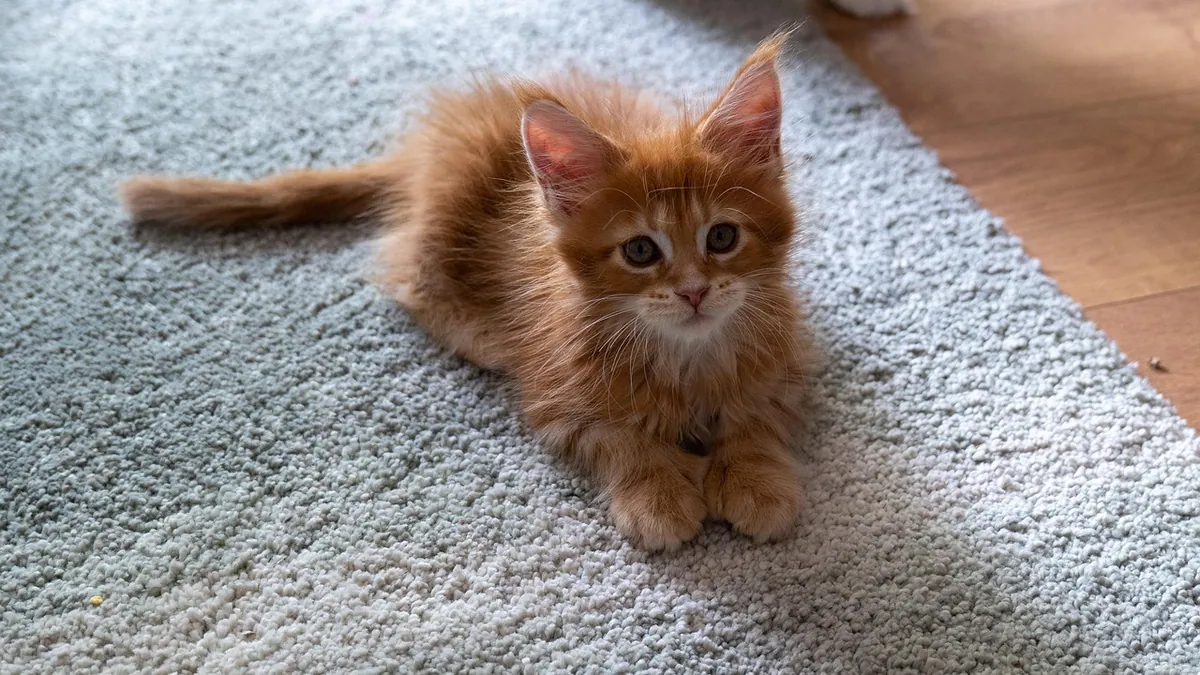
Why is my kitten randomly peeing on things? In most cases, the answer falls into one of two buckets: a medical problem such as a urinary tract infection or crystals, or a behavioral problem tied to the litter box, territory, or stress. Kittens can also have both at once, which is why a veterinary check comes first. This article is educational and is not a substitute for veterinary diagnosis or treatment.
Quick Answer
- Any sudden change in urination in a kitten is a medical concern until proven otherwise. A veterinarian should examine your kitten and test a urine sample before you assume the problem is behavioral [1].
- A kitten who pees small amounts frequently, strains, cries, or has blood in the urine may have a urinary blockage or infection and needs same-day care.
- Litter box setup matters more than most owners realize. Cats prefer boxes measuring at least 50 cm (about 20 inches) and clumping clay litter, and a comfortable box reduces house-soiling [2].
- Stress and fear play a real role. Fearful cats are more prone to litter box issues than nonfearful cats [3].
- Keep the box scooped daily, use one box per cat plus one, and place boxes in quiet, easy-to-reach spots [4].
What Normal Kitten Urination Looks Like
Kittens urinate more often than adult cats because they are small and drink frequently. A healthy kitten typically urinates several times a day, produces a modest amount each time, and uses the box without fuss. The urine should be pale yellow to amber, with no blood and no strong ammonia smell.
The word "normal" is about your kitten's own pattern. If your kitten suddenly pees a lot, pees in new places, or seems uncomfortable, that shift is the signal. Owners often search "why is my kitten using the bathroom so much" when frequency changes. Frequency alone does not tell you whether the cause is medical or behavioral, so testing is the only way to know.
House-soiling is the most common problem cat owners face and a leading reason cats are surrendered to shelters [2]. That statistic is not meant to scare you. It means the problem is common, well studied, and often fixable with the right steps.
Main Causes of a Kitten Peeing on Things
Medical Causes
A change in behavior is often one of the early signs of physical disease, and disease can also make an existing behavioral problem worse [1]. In kittens, the most common medical causes include urinary tract infections, bladder crystals or stones, inflammation of the bladder, and, in males, urethral blockage. Kidney problems and diabetes can also increase urine volume.
A blocked urethra is a life-threatening emergency in male cats. If your kitten is straining, crying, licking the genital area, or producing little or no urine, go to a veterinarian immediately.
Behavioral Causes
Cats communicate indirectly by leaving messages, and urine marking is one of those messages [5]. A cat's urine mark contains extra communication chemicals that smell pungent to people [5]. This is why marking urine smells stronger than normal urine.
Behavioral urination often traces back to one of these:
- The litter box is too small, too dirty, or in a busy spot [4].
- The litter type does not match your kitten's preference [2].
- Another cat, a dog, or a new person in the home creates tension [4].
- A move, new furniture, or a schedule change causes stress.
- Your kitten is marking territory as it matures [5].
Fearful cats are more prone to both house soiling and litter box fussiness than nonfearful cats [3]. Male kittens and intact kittens also show more house soiling in one large survey [3].
Cause Comparison Table
| Cause | Typical clues | How urgent |
|---|---|---|
| Urinary tract infection | Frequent small pees, straining, blood, licking genitals | Same-day vet visit |
| Urethral blockage (male cats) | Straining with little or no urine, crying, vomiting, hiding | Emergency now |
| Bladder crystals or stones | Blood, pain, peeing outside the box | Same-day vet visit |
| Litter box dislike | Peeing near the box or on soft items, box avoidance | Routine visit, fix box now |
| Territory marking | Spraying on walls or vertical surfaces, intact kitten | Routine visit |
| Stress or fear | New home changes, hiding, peeing on owner's items | Routine visit, reduce stress |
Red Flags That Mean Emergency Care Now
Some signs cannot wait. Go to an emergency clinic immediately if your kitten:
- Strains to urinate with little or no urine coming out
- Cries out while trying to pee
- Has a hard, painful belly
- Vomits, drools, or seems weak and lethargic
- Collapses or breathes rapidly
A male kitten who cannot pass urine can deteriorate within hours. Do not wait to see if it improves on its own.
Call your veterinarian the same day if you see blood in the urine, frequent tiny pees, accidents in new places that started suddenly, or your kitten drinking and peeing far more than usual.
What You Can Do at Home While You Wait
While you arrange a veterinary visit, these steps are safe and may reduce accidents.
Fix the Litter Box Setup
Cats prefer boxes measuring at least 50 cm (about 20 inches) and clumping clay litter [2]. A comfortable litter environment combining these two elements promotes normal urination and reduces house soiling [2].
- Use a box at least 20 inches long, ideally larger.
- Use unscented clumping clay litter.
- Scoop at least once daily and replace litter fully on a regular schedule [4].
- Provide one box per cat plus one, in different locations [4].
- Keep boxes away from noisy appliances and busy walkways.
Reduce Stress
Meeting your cat's behavioral needs and keeping strict litter hygiene are recommended to prevent and manage house soiling [4]. Pheromone products are used in behavioral studies of problem behaviors in cats [6]. Ask your veterinarian whether a pheromone diffuser is appropriate for your home.
Other stress reducers:
- Keep your kitten's routine steady.
- Give your kitten a quiet room with food, water, and a box when guests visit.
- Add vertical space such as cat trees so your kitten can get away.
- Separate resources if you have multiple cats.
Clean Accidents Properly
Clean soiled spots with an enzymatic cleaner made for pet urine. Regular household cleaners may leave scent traces that draw your kitten back to the same spot. Do not punish your kitten. Punishment increases fear, and fear is linked to more litter box issues [3].
If your kitten is targeting specific items, our guides on why your cat is peeing on your clothes and why your cat is suddenly peeing on the couch walk through those situations in more detail.
What Your Veterinarian Will Check and Test
Your veterinarian will start with a full history. Bring notes on when the accidents started, where they happen, how often your kitten pees, and any changes in the home.
The physical exam includes checking your kitten's bladder size, pain level, and overall condition. For male kittens, the veterinarian will check whether urine can pass at all.
Common tests include:
- Urinalysis to look for infection, crystals, blood, and concentration
- Urine culture if infection is suspected
- Blood work to check kidney function and blood sugar
- Imaging such as X-rays or ultrasound if stones or blockage are possible
An initial determination of causation is essential, meaning the veterinarian decides whether the problem is medical, behavioral, or a combination of both [1]. Once medical problems are treated or ruled out, attention shifts to behavioral therapy [1].
If the cause is behavioral, your veterinarian may recommend changes to the litter box, pheromone products, or a referral to a veterinary behaviorist. Never give your kitten human pain relievers or leftover antibiotics. Many are toxic to cats, and the dose must be calculated by your veterinarian based on your kitten's weight and health.
Prevention and Monitoring
Prevention starts with the box. Meeting your cat's preferences for litter type, box type, location, and strict hygiene is recommended to prevent house soiling [4]. Set up the box correctly from day one and you prevent many problems before they start.
Track your kitten's habits. Note how often your kitten pees, how much, and whether the box is used consistently. Early detection of a change makes treatment easier.
Keep up with wellness visits. Your veterinarian can catch urinary problems before they become emergencies.
Watch for these patterns and act early:
- Peeing outside the box more than once
- Straining or crying during urination
- Increased thirst and urination
- Blood in the urine
- Hiding or avoiding the box
If your kitten is peeing on vertical surfaces such as walls, that pattern often points to marking. Our article on why your cat is suddenly peeing on the wall explains that behavior and what to do about it.
Limitations and When to Contact a Veterinarian
This article cannot tell you what is causing your kitten's behavior. Individual cases need a veterinarian who can examine your kitten and run tests.
Contact your veterinarian the same day if your kitten has blood in the urine, strains to pee, pees frequently in small amounts, or starts having accidents suddenly.
Go to an emergency clinic immediately if your kitten cannot urinate, cries in pain, vomits, or becomes weak. A blocked urethra is fatal without treatment.
Schedule a routine visit if the accidents are occasional, your kitten seems comfortable, and you want to rule out medical causes before making behavioral changes.
Frequently Asked Questions
Should I wait to see if my kitten grows out of it?
No, do not wait. A sudden change in urination can be an early sign of physical disease [1]. Book a veterinary visit first, then work on behavior once medical causes are ruled out.
Could the litter box really be the whole problem?
Yes, it can be a major factor. Cats prefer boxes at least 50 cm long with clumping clay litter, and a comfortable box reduces house soiling [2]. If your box is small, dirty, or in a noisy spot, fixing that may resolve the accidents [4].
Does peeing outside the box mean my kitten is angry at me?
No. Cats do not urinate outside the box out of spite. Urine marking is a form of indirect communication between cats [5]. Stress, fear, and medical problems are the real drivers [1][3].
Will a pheromone diffuser help?
It may help some cats. Pheromone diffusers are used in behavioral research on problem behaviors in cats [6]. Ask your veterinarian whether one fits your kitten's situation, and use it alongside litter box and stress changes.
How many litter boxes should I have?
Provide one box per cat plus one, placed in different locations [4]. The number, type, and location of boxes are all linked to house soiling in cats [4]. More boxes give your kitten choices and reduce competition.
Related Articles
- Why Is My Cat Peeing on My Clothes? Causes and Solutions
- Why Is My Cat Suddenly Peeing on the Carpet?
- Why Is My Cat Suddenly Peeing on the Wall?
- Why Is My Cat Suddenly Peeing on My Clothes?
- Why Is My Cat Suddenly Peeing on the Couch?
- Why Is My Cat Peeing on the Couch? Medical and Behavioral Causes
- Why Is My Kitten Peeing on My Bed? Causes and Fixes
- Why Is My Kitten Using the Bathroom So Much?
- How Often Do Kittens Pee? Normal vs Too Much
References
- Cat Inappropriate Elimination and its Interaction with Physical Disease. The Veterinary clinics of North America. Small animal practice, 2024.
- Litter box size and litter type preference and their associated behavioral changes in cats. The Journal of veterinary medical science, 2025.
- Feline litter box issues associate with cat personality, breed, and age at sterilization. Journal of the American Veterinary Medical Association, 2023.
- Factors associated with house-soiling in Italian cats. Journal of feline medicine and surgery, 2023.
- Urine Marking in Cats. ASPCA Animal Poison Control Center.
- Development of a Cat Behaviour Issues Assessment Scale (CABIAS) Assessing Problem Behaviours in Cats. Animals : an open access journal from MDPI, 2023.