Why Does My Kitten Cry When Pooping? Causes and Help
By Dr. Zubair Khalid, DVM, MS, PhD ·
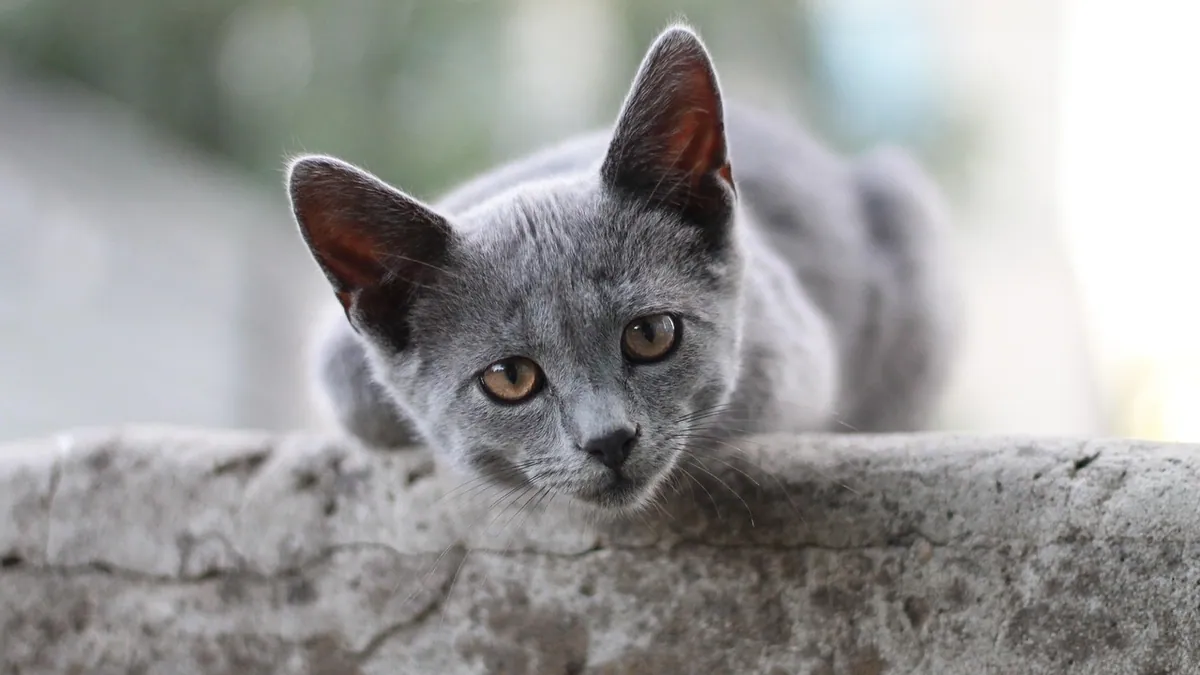
If your kitten cries when he poops, it usually means the stool is hard, dry, or painful to pass, or that something in the colon or rectum hurts. A little straining with a normal stool can be harmless, but crying with every bowel movement is a sign worth checking. This article is educational and is not a substitute for veterinary diagnosis or treatment.
Quick Answer
- Occasional straining with a soft, normal stool is common in kittens and often settles on its own.
- Crying with hard, small, dry pellets points to constipation, which needs same-day attention if it lasts more than a day.
- A kitten who cries, squats often, and produces nothing may have a blockage or a urinary problem, which is an emergency.
- Never give human laxatives, enemas, or stool softeners to a kitten unless your veterinarian prescribes them.
- Kittens with repeated painful pooping need an exam, because long-standing constipation can lead to megacolon [1][2].
What Crying When Pooping Looks Like
Kittens show discomfort in different ways. Some meow loudly while squatting. Others pace, lick their rear, or leave the box without producing anything. You may see a small amount of hard stool, or stool with fresh blood or mucus on the surface.
Normal kitten poop is soft but formed, like toothpaste. A healthy kitten passes it once or twice a day without much noise or effort. Brief straining for a few seconds is normal, especially if the stool is firm.
The line between normal and painful is not always obvious. Watch the stool itself, not only the sound. Hard, dry, pellet-like stool plus crying is a stronger signal than crying alone.
Why Does My Kitten Cry When He Poops?
There are several reasons, and they range from mild to serious. Most fall into three groups: stool that is too hard, something physically blocking or narrowing the exit, and pain or inflammation in the colon or rectum.
Constipation and Hard Stool
Constipation is the most common cause of painful pooping in kittens. The stool sits in the colon too long, water gets absorbed, and it becomes hard and difficult to pass. Common triggers include not drinking enough water, a diet low in moisture, eating foreign material, or a litter box that is dirty or hard to reach.
If constipation goes untreated for a long time, the colon can stretch and lose its ability to push stool out. This is called megacolon. It causes persistent colonic dilation and poor motility, and it can affect cats of any age, sex, or breed [1]. Long-term untreated constipation from causes like pelvic fractures, spinal cord injuries, or congenital deformities can also lead to megacolon [1].
Rectal or Colonic Narrowing
A stricture is a narrowed spot in the rectum or colon. One report described an 8-month-old kitten with rectal pain and straining who had a rectal stricture, and the narrowing was treated successfully with balloon dilation [3]. This is uncommon, but it shows that young cats can have a physical cause for painful pooping.
Pain, Inflammation, and Other Large Bowel Disease
Large intestinal disease in cats can cause diarrhea, constipation, or both. Causes include infections, parasites, inflammatory disease, tumors, blood vessel problems, and motility disorders [4]. Any of these can make pooping hurt.
Less Common Causes
Anal sac problems, hairballs, swallowed string, and hernias can also cause pain. A kitten who cries in the litter box but produces no stool or urine may have a urinary blockage, which is a separate and life-threatening emergency. That situation is covered in our guide to crying in the litter box and urinary blockage.
| Cause | Typical clues | How urgent |
|---|---|---|
| Constipation | Hard, dry, small stools, straining, crying | Same-day vet visit if it lasts more than 24 hours |
| Megacolon | Long history of constipation, bloated belly, weight loss, dehydration | Urgent, needs imaging and treatment [1] |
| Rectal stricture | Pain on defecation, thin or ribbon-like stool, tenesmus | Prompt vet visit, needs contrast imaging [3] |
| Large bowel disease | Diarrhea, mucus, blood, straining, frequent trips to the box | Prompt vet visit, needs fecal and imaging tests [4] |
| Urinary blockage | Crying in the box, no urine, licking genitals, vomiting | Emergency now |
Red Flags That Mean Emergency
Some signs mean you should stop reading and call an emergency clinic.
- Your kitten has not passed urine in 12 hours, or he cries in the box with no urine or stool.
- The belly looks swollen, tight, or painful to touch.
- He vomits repeatedly, refuses food, or seems weak or wobbly.
- There is a large amount of fresh blood in the stool.
- He has been straining for hours with nothing coming out.
- He is a young kitten who suddenly stops eating and becomes quiet.
A kitten can decline quickly. Dehydration, weight loss, and chronic constipation are common in advanced megacolon [1]. If you are unsure, call your veterinarian. A phone call costs nothing and can save time.
What You Can Do at Home While You Wait
Home care is about comfort and safety, not about forcing a bowel movement. Do not give human laxatives, enemas, or suppositories. They can cause serious harm in a small kitten.
- Offer fresh water in several bowls, and consider adding a little warm water to canned food.
- Keep the litter box clean and easy to reach. A dirty box can make a kitten hold stool.
- Gently feel the belly only if your kitten allows it. Do not press hard.
- Keep a simple log of when he poops, what it looks like, and how much he cries.
- If your kitten has soft stool instead of hard stool, see our guide to kitten diarrhea and safe home care.
Do not wait more than a day if the crying continues. Kittens dehydrate fast, and a simple constipation can become a serious problem.
What Your Veterinarian Will Check
Your veterinarian will start with a full history. They will ask about diet, water intake, litter box habits, and how long the crying has been going on. They will also ask about any past injuries, because pelvic fractures and spinal cord injuries can lead to megacolon [1].
The physical exam focuses on the belly. A dilated, firm colon can often be felt through the abdominal wall [1]. Your vet will also check hydration, weight, and gum color.
Tests may include:
- Abdominal radiographs (X-rays), which are the main way to diagnose megacolon [1].
- Fecal testing to look for parasites and infection [4].
- Blood work to check hydration, electrolytes, and organ function.
- Contrast imaging if a stricture is suspected [3].
- Colonoscopy with biopsy in some cases, though this is reserved for specific situations [4].
Treatment depends on the cause. Early or reversible cases may respond to laxatives, enemas, prokinetic drugs, rehydration, and dietary fiber [1]. Your veterinarian will calculate any medication dose from your kitten's weight and health. Never guess a dose at home.
If a stricture is found, balloon dilation has been used successfully in a young cat with complete resolution and no recurrence in the following months [3]. For cats with long-standing megacolon, surgery may be needed. One study found that most cats with clinical signs lasting 6 months or longer did not respond to medical treatment and went on to have surgery with favorable results [2].
How to Prevent and Monitor
Prevention is mostly about water, diet, and litter box habits.
- Feed a moisture-rich diet. Canned food helps many kittens stay hydrated.
- Keep water fresh and available in more than one spot.
- Scoop the box daily and keep it in a quiet, low-traffic area.
- Watch for early signs: hard stool, small stool, or any crying.
- Track the pattern. If painful pooping happens more than once or twice, see your vet.
If your kitten has a history of constipation, your veterinarian may recommend a specific diet or a stool softener. Follow that plan exactly. Do not change the dose on your own.
Kittens who eat normally but stop pooping need a closer look. Our article on a cat not pooping but eating normally explains what that pattern can mean.
Limitations and When to Contact a Veterinarian
This article cannot tell you what is wrong with your specific kitten. Only a veterinarian who examines your kitten can do that.
Call an emergency clinic now if your kitten has a swollen belly, is vomiting, has not urinated in 12 hours, is weak, or is crying in the box with nothing coming out.
Call for a same-day appointment if your kitten cries with every poop, has hard dry stool for more than a day, or has blood or mucus in the stool.
Schedule a routine visit if the crying happens now and then, the stool looks normal, and your kitten is eating, drinking, and playing normally.
Frequently Asked Questions
Is it normal for kittens to cry when pooping?
Occasional brief straining is normal, especially with a firm stool. Crying with every bowel movement is not normal and usually points to pain, hard stool, or a physical problem. If it happens more than once or twice, have your kitten checked.
Why does my kitten cry when pooping but the stool looks normal?
A normal-looking stool can still be painful to pass if the rectum or colon is inflamed or narrowed. A rectal stricture, for example, causes pain on defecation even when stool consistency looks fine [3]. Your veterinarian can check for this with an exam and imaging.
Can constipation in a kitten turn into megacolon?
Yes. Long-term untreated constipation can lead to megacolon, where the colon stays dilated and stops moving stool properly [1]. The longer the signs last, the less likely medical treatment alone will work [2]. Early treatment matters.
Should I give my kitten a human laxative or enema?
No. Never give human laxatives, enemas, or suppositories to a kitten unless your veterinarian prescribes them. The dose and product must be chosen for your kitten's weight and health. The wrong product can cause dehydration, electrolyte problems, or injury.
How long can a kitten go without pooping before it is an emergency?
There is no single safe number, because it depends on the kitten's age, diet, and health. If your kitten has not pooped in 24 hours, is straining, crying, or seems uncomfortable, call your veterinarian the same day. If he is also vomiting or not urinating, treat it as an emergency.
Related Articles
- Cat Not Pooping but Eating Normally: Causes and When to Help
- Why Is My Cat Crying at Night?
- Why Is My Cat Crying in litter box? Urinary Blockage Emergency Triage
- Kitten Diarrhea: Causes, Safe Home Care, and Emergency Signs
- Cat Diarrhea with Mucus: Causes and When to Worry
- Dog Straining to Poop: Causes and When to Help
- Kitten Not Pooping: Causes and When to Help
- Why Does My Kitten Meow When Pooping?
- Blood in Kitten Poop: Causes and When to Worry
References
- Megacolon in cats: Current insights and future directions. Veterinary journal (London, England : 1997), 2026.
- Use of radiographic and histologic scores to evaluate cats with idiopathic megacolon grouped based on the duration of their clinical signs. Frontiers in veterinary science, 2022.
- Management of a rectal stricture in a young cat with a balloon dilatation method. Tierarztliche Praxis. Ausgabe K, Kleintiere/Heimtiere, 2026.
- Large-Intestinal Disorders in Dogs and Cats: Diagnosis, Management, and Clinical Outcomes. The Veterinary clinics of North America. Small animal practice, 2026.