Is Colitis in Cats Contagious to Other Pets?
By Dr. Zubair Khalid, DVM, MS, PhD ·
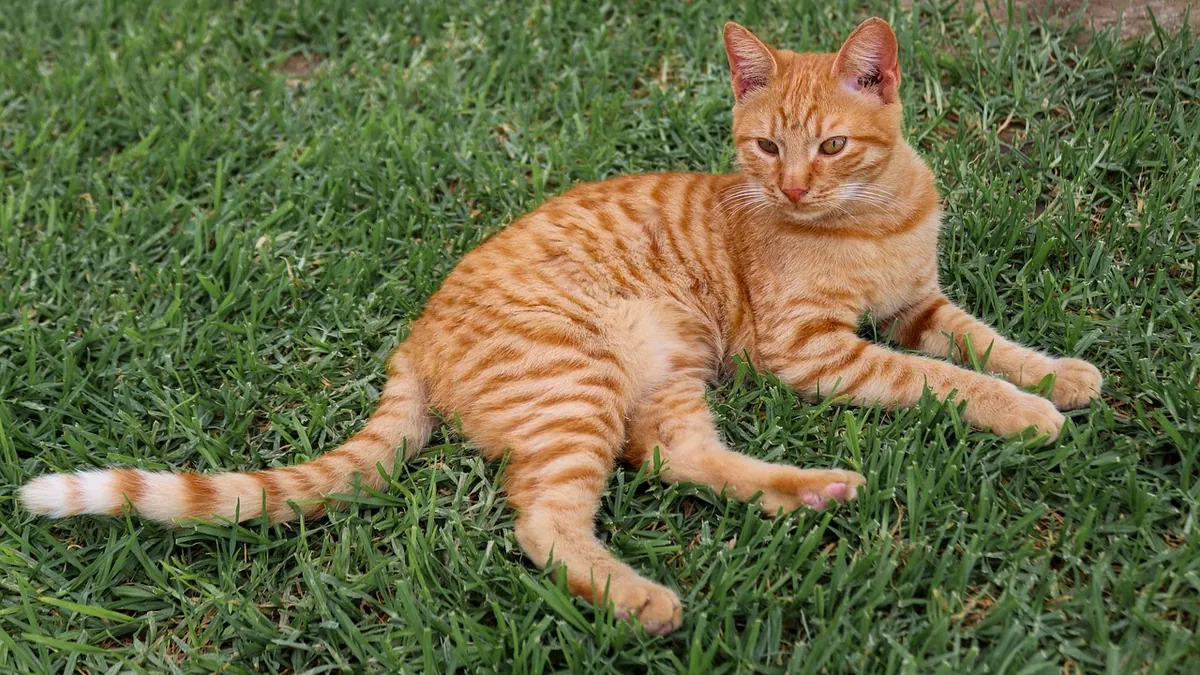
Colitis in cats is not contagious on its own. It is inflammation of the large intestine, and that inflammation does not pass from one pet to another. However, some infections that trigger colitis can spread between animals, so the answer depends on the underlying cause. This article is educational and is not a substitute for veterinary diagnosis or treatment.
Quick Answer
- Colitis itself is not contagious. It is a description of inflammation in the colon, not an infection you can pass around your home [1].
- Some causes of colitis are infectious, including certain bacteria, parasites, and viruses, and those organisms can sometimes spread to other cats or dogs [2].
- The most common infectious triggers in cats include intestinal parasites such as roundworms, hookworms, and Giardia, plus protozoa like Tritrichomonas species [2][3].
- If your cat has diarrhea with blood or mucus, straining, or accidents outside the litter box, a vet visit is the right next step to find the cause.
- Isolation is only needed if your veterinarian confirms or suspects a contagious infection. Ask before you separate pets.
What Colitis Means in Plain Words
Colitis is inflammation of the colon, which is the large intestine. In cats, it shows up as large bowel diarrhea. That means small, frequent stools, often with mucus or fresh blood, and a lot of straining [1].
The colon's job is to absorb water and store stool until it is ready to pass. When the lining becomes inflamed, that job goes wrong. The result is soft or watery stool, urgency, and discomfort.
Colitis can be acute, meaning it comes on suddenly and often resolves, or chronic, meaning it lasts for weeks or keeps coming back [1]. The label "colitis" tells your veterinarian where the problem is. It does not tell them why it started.
That distinction matters for your question about contagion. Inflammation is a response, not a germ. Two cats can both have colitis for completely different reasons, and only some of those reasons involve something infectious.
Signs Owners Notice
The signs of colitis are usually easy to spot because they involve the litter box.
- Small, frequent stools
- Straining to defecate, sometimes with little or no stool produced
- Fresh red blood or mucus on the stool
- Accidents outside the litter box
- Scooting or licking at the rear end
- Weight loss or poor coat condition with chronic disease
Some cats also vomit, eat less, or seem tired. Those signs are more likely when the problem involves the small intestine too, or when the cat has a systemic illness [2].
If your cat is straining and nothing comes out, that can also be a sign of a urinary blockage, which is an emergency in male cats. Do not wait to see if it passes.
Causes and Risk Factors
Veterinarians group colitis causes into infectious and non-infectious categories. Knowing which group your cat falls into is the whole point of the workup, because it decides whether other pets are at risk.
Infectious Causes
Infectious colitis can be caused by bacteria, protozoa, helminths (worms), trematodes, fungi, oomycetes, and algae [2]. Which one is most likely depends on your cat's age, immune status, and environment [2].
Parasites are common and should be screened for routinely. Trichuris vulpis (whipworm) and Tritrichomonas blagburni are two that veterinarians specifically look for in pets with large bowel diarrhea [2].
In free-roaming cats, intestinal parasites are extremely common. In one study of cats in New York City, 57.5% were infected with at least one parasite species. Roundworms (Toxocara) were found in 54%, hookworms (Ancylostoma) in 13.8%, and coccidia in 11.5% [3]. Giardia was found in 11.6% of the cats tested by coproantigen [3]. These numbers are from free-roaming cats, so they are higher than what you would expect in a well-cared-for indoor pet, but they show how widespread these organisms are.
Feline bocaparvoviruses have also been detected in cats with gastrointestinal disease. In one screening of cats with acute gastroenteritis, 22.2% tested positive for a bocaparvovirus, and some had co-infections with feline coronavirus or feline panleukopenia virus [4]. This is an active area of research, and the role these viruses play in colitis is still being worked out.
Bacterial causes exist too. Escherichia coli-associated granulomatous colitis is a specific condition that needs tissue diagnosis and susceptibility-guided antibiotics [2]. Antibiotic-resistant Staphylococcus species, including MRSA, have been found in the mouths of cats, which matters for bite wounds and for people with weakened immune systems [5].
Helicobacter species colonize the stomach of many cats, and one study of 154 cats with gastrointestinal disease looked at how often this happens and whether it relates to stomach inflammation [6]. Helicobacter is a stomach issue more than a colon issue, so it is not usually the cause of colitis, but it can appear alongside other gut problems.
Non-Infectious Causes
Many colitis cases have no identifiable trigger at all. Inciting factors can include trauma, uremia (kidney-related toxins), and allergic causes, and inflammation may result from a defect in how the gut's immune system regulates itself [1]. In most cases, the inciting factor stays unknown [1].
When inflammation is chronic and no infection is found, veterinarians often classify it as inflammatory bowel disease (IBD). Colitis can be classified by the type of inflammatory cells present. Lymphocytic-plasmacytic colitis is more common than eosinophilic or neutrophilic colitis [1].
Granulomatous colitis is a rare, breed-specific IBD seen mostly in young Boxers and French Bulldogs. It has been reported very rarely in cats [1].
Diet, stress, and sudden food changes can all play a role in flare-ups. If your cat has chronic gut issues, our guide to IBD diet for cats with hydrolyzed novel protein and B12 injections explains how diet therapy fits into long-term care.
Is Colitis Contagious to Other Cats?
Colitis itself is not contagious to other cats. What can spread is the underlying infection, if there is one.
Parasites like roundworms, hookworms, Giardia, and coccidia pass through stool and can infect other cats in the same household [3]. Tritrichomonas blagburni spreads mainly through shared litter boxes. Viral causes like panleukopenia are highly contagious among unvaccinated cats.
If your cat's colitis is caused by IBD, food allergy, stress, or an unknown trigger, there is nothing to pass on. Other cats in the home are not at risk from the colitis itself.
Can Cats Pass Colitis to Dogs?
No, colitis is not something a cat passes to a dog. But a few of the infectious organisms behind colitis can affect both species.
Giardia and coccidia are not host-specific in a strict sense, and dogs can pick up Giardia from contaminated environments [3]. Whipworm and roundworm infections can also occur in dogs [2]. If your cat has a confirmed parasitic infection, your dog may need testing too, especially if they share a yard or water bowls.
Bacterial causes are a separate story. Antibiotic-resistant Staphylococcus species can colonize cats and spread through contact, which is one reason bite wounds need medical attention [5]. This is not colitis transmission, but it is a real cross-species concern in multi-pet homes.
How Colitis Is Diagnosed
Diagnosis starts with history and a physical exam. Your veterinarian will ask about the stool's appearance, how often it happens, whether there is blood or mucus, and what your cat eats [1].
From there, expect some combination of these tests:
- Fecal testing, including flotation, coproantigen immunoassays, and PCR, to look for parasites and other organisms [3]
- Blood work to check organ function and look for systemic illness
- Imaging if the vet suspects a mass, foreign body, or other structural problem
- Diet trials to see if a food ingredient is driving the inflammation
- Endoscopic biopsies in chronic cases where infection has been ruled out [1]
The goal is to rule out infectious causes first, because that changes both treatment and whether you need to isolate your cat [1].
| Situation | Contagious risk to other pets | What to do |
|---|---|---|
| Acute colitis, cause unknown, single cat | Low until proven otherwise | Vet visit, fecal testing, watch other pets |
| Confirmed Giardia or coccidia | Yes, can spread to cats and dogs | Isolate, disinfect, treat all exposed pets per vet advice |
| Confirmed roundworm or hookworm | Yes, spreads through stool and soil | Deworm per vet, clean litter daily, test other pets |
| Suspected viral cause (for example panleukopenia) | Yes, especially to unvaccinated cats | Isolate immediately, contact vet same day |
| Chronic colitis from IBD or food allergy | No | No isolation needed, focus on diet and management |
Treatment Options
Treatment depends on the cause, and there is no single protocol that fits every cat.
For infectious causes, treatment may include deworming, antimicrobial therapy, diet change, and support of the gut microbiome [1]. Parasite infections are treated with specific antiparasitic drugs chosen by your veterinarian based on the organism and your cat's weight and health.
For bacterial colitis, the current approach favors supportive care and fixing the underlying problem instead of reaching for antibiotics right away [2]. This matters because antibiotic resistance is a growing problem, and resistant Staphylococcus species have been documented in cats [5].
Granulomatous colitis caused by E. coli needs a tissue diagnosis and antibiotics chosen based on susceptibility testing [2]. Disseminated fungal, oomycete, and algal infections often need long, multi-drug treatment [2].
For non-infectious colitis, treatment may include anti-inflammatory or immunosuppressive drugs and diet changes [1]. Some cats need a prescription or hydrolyzed diet. Our article on IBD in cats: diet trial versus steroid protocol walks through how vets choose between those paths.
Never give your cat human anti-diarrheal medication. Some of these drugs are toxic to cats, and dosing is not something you can guess. Your veterinarian calculates any dose from your cat's weight and health.
Recovery, Outlook, and Long-Term Management
Acute colitis often improves within days once the trigger is removed or treated. Chronic colitis can take weeks to months to control and may need ongoing management.
The outlook varies with the cause and whether the infection has spread beyond the gut [2]. Parasitic and bacterial causes generally respond well when the right treatment is used. Disseminated fungal or algal infections carry a more guarded prognosis and need long-term therapy [2].
Long-term management often means:
- A consistent diet your veterinarian approves
- Routine fecal testing, especially in multi-pet homes
- Prompt treatment of flare-ups instead of waiting
- Regular weigh-ins to catch weight loss early
- Keeping vaccinations current, since some gut viruses are preventable
If your cat has chronic gut disease, keep a simple log of stool changes, diet, and any new foods. That record helps your vet adjust treatment faster.
Prevention
You cannot prevent every case of colitis, but you can lower the odds of the infectious ones.
- Scoop litter boxes daily and disinfect them regularly. This reduces parasite exposure for every cat in the home [3].
- Test new cats for intestinal parasites before introducing them to resident pets.
- Keep cats indoors or supervise outdoor access, since free-roaming cats carry a high parasite burden [3].
- Use veterinarian-recommended parasite prevention year-round.
- Avoid sudden diet changes, which can trigger flares in sensitive cats.
- Wash your hands after handling litter, stool, or a sick cat, especially if anyone in the home is immunocompromised [5].
- Feed cooked or commercial diets. Raw meat diets carry a risk of bacterial and parasitic contamination, which we cover in is raw food safe for dogs and cats.
If your cat has confirmed Giardia, our guide to Giardia in cats: zoonotic risk and sanitation protocol covers the cleaning steps in detail. For a broader look at worms and other gut parasites, see intestinal parasites in dogs and cats: signs and prevention.
Limitations and When to Contact a Veterinarian
No article can tell you what is causing your cat's diarrhea. That requires an exam, a fecal test, and sometimes more. Individual cases need a veterinarian who can see your cat and run the right tests.
Contact your veterinarian the same day if your cat has:
- Bloody diarrhea that keeps happening
- Repeated vomiting along with diarrhea
- Straining with no stool produced, especially in a male cat
- Signs of pain, such as crying out or hiding
- A known exposure to a sick pet or a positive parasite test in another pet
Go to an emergency clinic now if your cat is:
- Collapsed, weak, or unresponsive
- Breathing fast or open-mouthed
- Having seizures
- Showing a swollen, painful belly
- Unable to urinate
Schedule a routine visit if your cat has soft stool that comes and goes, gradual weight loss, or chronic accidents outside the litter box. These signs are not emergencies, but they rarely fix themselves.
Frequently Asked Questions
Is colitis contagious to other cats?
No, colitis itself does not spread between cats. The inflammation is a response inside one cat's colon, not an infection. If a parasite, virus, or bacterium is causing the colitis, that organism may spread, so ask your vet whether isolation is needed.
Can my cat give colitis to my dog?
No, colitis is not passed from cats to dogs. However, some organisms that cause colitis, such as Giardia and certain worms, can infect both species. If your cat tests positive for one of these, your dog may need testing too.
Do I need to isolate my cat with colitis?
Only if your veterinarian confirms or suspects a contagious cause. Chronic colitis from IBD, food allergy, or an unknown trigger does not require isolation. Parasitic and viral causes do, at least until treatment is underway.
How long does colitis last in cats?
Acute cases often improve within a few days once the trigger is treated or removed. Chronic colitis can last weeks to months and may need ongoing diet or medication management. Your veterinarian can give you a timeline based on the specific cause.
Can I catch colitis from my cat?
You cannot catch colitis itself. Some infectious causes, including certain parasites and resistant bacteria, can pass to people in rare situations, especially those with weakened immune systems [3][5]. Wash your hands after handling litter or a sick cat, and talk to your vet if anyone at home is immunocompromised.
Related Articles
- IBD Diet for Cats: Hydrolyzed Novel Protein and B12 Injections
- Is Raw Food Safe for Dogs and Cats?
- Inflammatory Bowel Disease IBD in Cats: Diet Trial vs Steroid Protocol
- Giardia in Cats: Zoonotic Risk and Sanitation Protocol
- Intestinal Parasites in Dogs and Cats: Signs and Prevention
- Toxoplasma in Cats: Zoonotic Risk and Immunocompromised Owners
- Colitis in Cats: Causes, Symptoms, and Treatment
- Is Giardia in Cats Contagious to Other Cats?
- Is Coccidia in Cats Contagious to Other Cats?
- Intestinal Parasites in Dogs and Cats: Zoonotic Potential and Public Health Considerations
- Intestinal Parasites in Dogs and Cats: Identification, Symptoms, and Treatment Options
References
- Colitis in Small Animals - Digestive System. Merck Veterinary Manual.
- Infectious Colitis in Dogs and Cats: Diagnosis, Management, and Clinical Outcomes. The Veterinary clinics of North America. Small animal practice, 2026.
- Zoonotic endoparasites and Toxoplasma gondii seropositivity in free-roaming cats (Felis catus) from New York City boroughs. PloS one, 2026.
- Feline bocaparvovirus in domestic cats with gastrointestinal disease. Veterinary journal (London, England : 1997), 2026.
- Emerging threats and zoonotic implications of antibiotic-resistant Staphylococcus spp. in domesticated cats: a review. Antonie van Leeuwenhoek, 2026.
- EXPRESS: Colonization of Helicobacter Species and Associated Gastritis in Cats with Gastrointestinal disease: a Cross-Sectional Study on 154 Cases. Journal of feline medicine and surgery, 2026.