IBD and Gastroenteritis in Dogs: Treatment Options
By Dr. Zubair Khalid, DVM, MS, PhD ·
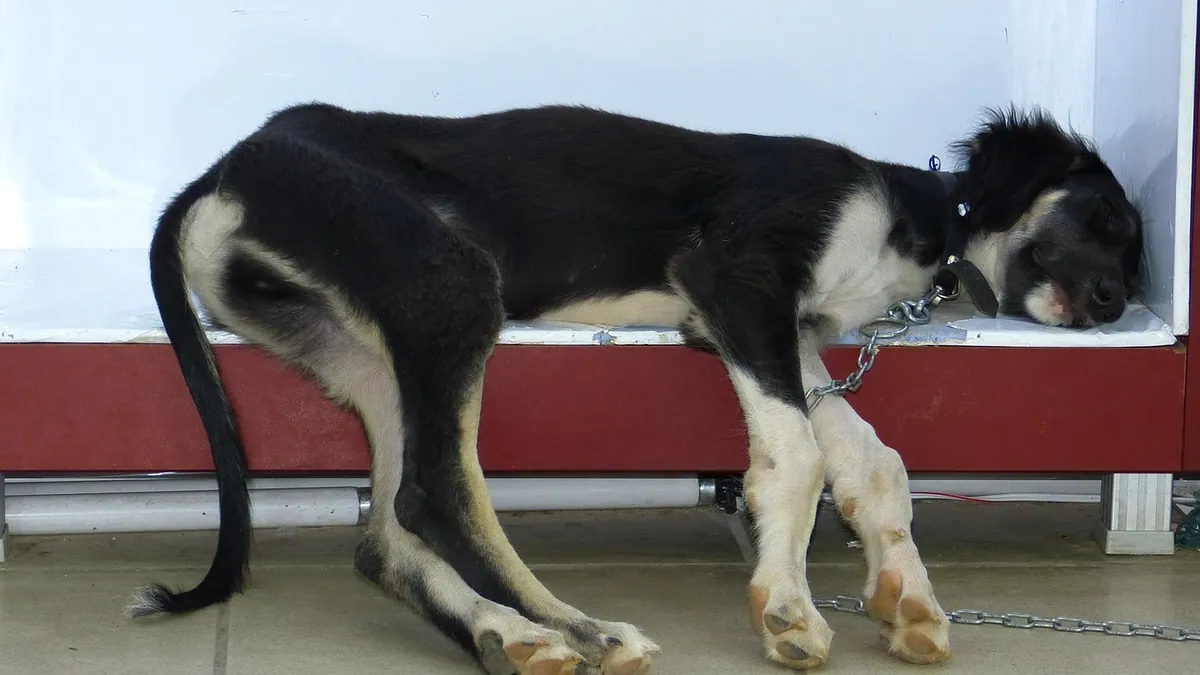
IBD in dogs treatment usually starts with a prescription or hydrolyzed protein diet, sometimes combined with fiber, probiotics, or medications. Simple gastroenteritis often improves with short at-home care, but chronic diarrhea lasting more than a few days needs a veterinary workup. Most dogs with chronic enteropathy improve once the right diet and treatment plan are found.
This article is educational and is not a substitute for veterinary diagnosis or treatment.
Quick Answer
- Diet change is the cornerstone of treatment for chronic enteropathy and inflammatory bowel disease in dogs [1][2].
- Increasing dietary fiber improved fecal scores and clinical activity scores in dogs with chronic enteropathy in one study [3].
- A hydrolyzed protein diet reduced clinical signs in dogs with chronic enteropathy in a randomized trial [1].
- Fecal microbiota transplantation (FMT) by retention enema is an emerging adjunctive option for dogs that do not fully respond to diet alone [4][5].
- Mild, short-lived diarrhea in an otherwise bright dog can often be managed at home for 24 to 48 hours, but blood, vomiting, lethargy, or diarrhea lasting more than 2 to 3 days means a vet visit.
What Is IBD in Dogs, and How Is It Different From Gastroenteritis?
Inflammatory bowel disease (IBD) is a long-term condition where the immune system causes ongoing inflammation in the stomach or intestines. Veterinarians often use the broader term chronic enteropathy (CE) for dogs with persistent gastrointestinal signs lasting 3 weeks or more [4]. The two terms overlap a lot in everyday practice.
Gastroenteritis means inflammation of the stomach and intestines. It can be sudden (acute) or long-lasting (chronic). Acute gastroenteritis is often caused by something the dog ate, an infection, or a brief upset. Chronic gastroenteritis that keeps coming back is more likely to be IBD or another chronic enteropathy.
The difference matters for treatment. Acute gastroenteritis often settles with supportive care. IBD and chronic enteropathy usually need a long-term plan built around diet and sometimes medication [2].
Signs Owners Notice
Dogs with IBD or chronic enteropathy often have:
- Chronic or recurring diarrhea, sometimes with mucus
- Soft stool, urgency, or accidents in the house
- Vomiting, sometimes intermittent
- Weight loss or poor body condition
- Reduced appetite or picky eating
- Gas, gurgling stomach, or belly discomfort
- Dull coat or low energy
Dogs with chronic enteropathy can also show signs of compromised emotional health. In one study, dogs with CE had higher negative activation scores and more frequent displacement behaviors and signs of distress than matched healthy dogs [6]. In plain terms, a dog with a chronic gut problem may also seem anxious, restless, or easily stressed.
Acute gastroenteritis usually looks different. You may see one or two episodes of vomiting and diarrhea in a dog that is otherwise alert and drinking. Severe cases, such as parvovirus, cause bloody diarrhea, weakness, and a very sick dog [7].
Causes and Risk Factors
Acute gastroenteritis in dogs is commonly linked to:
- Dietary indiscretion (eating garbage, table scraps, or something spoiled)
- Sudden diet changes
- Bacterial or viral infections
- Intestinal parasites
- Toxins or foreign objects
Parvovirus is a serious cause of acute, bloody diarrhea, especially in puppies and unvaccinated dogs. The virus attacks rapidly dividing cells, including the intestinal lining, and normal gut bacteria can enter damaged tissue and the bloodstream, making the disease worse [7]. Parvovirus can survive in the environment for a year or longer, so cleaning and disinfection matter a great deal [7].
Chronic enteropathy and IBD are linked to:
- Food-responsive disease (the gut reacts to certain ingredients)
- Immune system overactivity
- Changes in the gut microbiome
- Genetic and breed predispositions
- Underlying infections or parasites
Growing evidence suggests dogs with chronic enteropathy may have a subclinical phase, meaning intestinal changes build up before obvious signs appear [8]. That is one reason early veterinary attention for recurring diarrhea can pay off.
How Veterinarians Diagnose IBD and Gastroenteritis
Diagnosis starts with a full history and physical exam. Your vet will ask about diet, treats, table food, stool changes, vomiting, weight, and how long signs have lasted.
Common tests include:
- Fecal exam and fecal PCR to look for parasites and infections
- Blood work, including a complete blood count and chemistry panel
- Tests for specific conditions such as pancreatitis or parvovirus when suspected
- Diet trials to see if signs improve with a change in food
- Imaging such as X-rays or ultrasound
- Endoscopy and intestinal biopsies in some cases
Your vet may also use a scoring tool called the Canine Inflammatory Bowel Disease Activity Index (CIBDAI) to grade how severe the disease is and track response to treatment [1][4][6]. The Dysbiosis Index, a stool test, can help assess the gut microbiome [1].
For more on the diagnostic process, see Canine Inflammatory Bowel Disease: Diagnostic and Therapeutic Approach and Canine Colitis: Diagnosis and Management.
IBD in Dogs Treatment: Prescription and At-Home Options
Treatment depends on whether your dog has acute gastroenteritis or a chronic condition like IBD. The table below gives a quick comparison.
| Situation | First-line approach | Prescription or vet-only options | Home care role |
|---|---|---|---|
| Mild acute gastroenteritis | Short fasting or bland diet, small frequent meals, water | Anti-nausea or anti-diarrheal medication if needed | Main treatment, with vet guidance |
| Moderate to severe acute gastroenteritis | Vet exam, fluids, diagnostics | IV fluids, anti-nausea drugs, antibiotics if indicated | Supportive only after vet care |
| Food-responsive chronic enteropathy | Diet trial with a therapeutic or hydrolyzed diet | Prescription gastrointestinal or elimination diet | Strict diet control, no table food |
| IBD or chronic enteropathy not responding to diet | Diet plus medication | Immunosuppressants, antibiotics, or other drugs chosen by your vet | Diet and monitoring |
| Refractory chronic enteropathy | Diet plus adjunctive therapy | Fecal microbiota transplantation, other advanced options | Daily monitoring and follow-up |
Diet: The Cornerstone
Dietary management is the cornerstone of treatment for chronic enteropathy [1][2]. The goal is to provide energy and nutrients, support intestinal function, and control signs in food-responsive patients [2].
Strategies include:
- High digestibility diets
- Novel ingredient diets
- Hydrolyzed protein diets
- Fat moderation
- Fiber enrichment
A randomized, double-blind trial in dogs with chronic enteropathy found that a hydrolyzed protein diet improved clinical and fecal outcomes [1]. Another study found that increasing dietary fiber improved fecal scores and clinical activity scores in dogs with chronic enteropathy [3]. Median crude fiber and total dietary fiber intake rose from 0.6 g/100 kcal and 1.7 g/100 kcal at baseline to 1.8 g/100 kcal and 4.7 g/100 kcal at follow-up [3].
The best diet is chosen after a nutritional assessment, and it often takes several diet trials before you find the right one [2]. Commercial therapeutic diets include gastrointestinal, low-fat, elimination, and fiber-enriched options. Homemade diets can work when commercial diets do not meet your dog's needs, but they should be balanced with veterinary guidance [2].
For a deeper look at diet trials, see IBD Diet for Dogs: Elimination Trial and Response Protocol and Inflammatory Bowel Disease IBD in Dogs: Novel Protein and Immunosuppressants.
Probiotics and Fiber
Probiotics have been suggested as adjunctive support for intestinal health, though evidence of their benefit is still limited [1]. In one trial, a hydrolyzed protein diet with or without Bacillus velezensis DSM 15544 was tested in dogs with chronic enteropathy, and both diets improved clinical and fecal scores from baseline [1]. Fiber enrichment is another practical option, and one study showed improved fecal and clinical activity scores when fiber intake increased [3].
Fecal Microbiota Transplantation
Fecal microbiota transplantation (FMT) uses stool from a screened donor dog, given by retention enema. In a randomized controlled trial, dogs with chronic enteropathy received either a diet change alone or a diet change plus a single FMT [4]. FMT is considered an adjunctive treatment, meaning it supports the main plan instead of replacing it [4].
A separate observational study followed 14 dogs with chronic enteropathy that were refractory or incompletely responsive to diet. Clinician-assigned CIBDAI scores showed a significant overall effect of time after a single FMT, though no individual pairwise comparison stayed significant after correction [5]. Daily owner monitoring showed day-to-day fluctuations that scheduled visits can miss [5]. If your dog is not improving on diet alone, ask your vet whether FMT is an option.
Medications
Medications for IBD and chronic enteropathy are chosen by your veterinarian based on the diagnosis, severity, and response to diet. Common categories include immunosuppressants, antibiotics, anti-nausea drugs, and anti-diarrheal drugs. Your vet calculates the dose from your dog's weight and health, so never give human medication or leftover pet medication without asking first.
Some human medications, including certain pain relievers, are toxic to dogs. Always call your vet or a poison control service before giving anything.
Gastroenteritis in Dogs Home Treatment
Home care is reasonable for mild, short-lived gastroenteritis in an otherwise bright, drinking dog. Steps that often help:
- Withhold food for a short period (often 12 to 24 hours) only if your vet advises it
- Offer small amounts of water frequently to avoid dehydration
- Feed a bland, easily digestible meal in small portions when reintroducing food
- Keep your dog quiet and warm
- Monitor stool, vomiting, energy, and water intake
- Avoid table scraps, fatty foods, and new treats
Do not use human anti-diarrheal or anti-nausea medications unless your vet specifically tells you to. Some are unsafe for dogs, and dosing is not the same as for people.
If your dog is a puppy, is unvaccinated, or has bloody diarrhea, skip home care and call your vet right away. Parvovirus can cause severe damage and secondary infections, and it needs prompt veterinary treatment [7].
Recovery, Outlook, and Long-Term Management
Many dogs with food-responsive chronic enteropathy improve within weeks of starting the right diet [2]. Dogs with IBD often need ongoing management instead of a short course of treatment. Response can fluctuate day to day, which is why daily monitoring and regular rechecks help [5].
Long-term care usually includes:
- Sticking strictly to the prescribed diet, including treats
- Regular weigh-ins and body condition checks
- Routine fecal and blood tests as your vet recommends
- Watching for signs of emotional stress, since dogs with chronic enteropathy may show more distress behaviors [6]
- Adjusting the plan with your vet if signs return
Some dogs need medication long term. Others do well on diet alone. Your vet will tailor the plan as your dog responds.
Prevention
You cannot prevent every case of IBD or chronic enteropathy, but you can lower the risk of flare-ups and acute gastroenteritis:
- Keep your dog up to date on vaccines, especially parvovirus [7]
- Avoid sudden diet changes and table scraps
- Keep garbage, toxins, and foreign objects out of reach
- Use parasite prevention as your vet recommends
- Clean and disinfect areas after a parvovirus diagnosis, since the virus can survive a year or longer in the environment [7]
- Only allow fully vaccinated puppies or adult dogs into a home where a dog was recently diagnosed with parvovirus [7]
- See your vet early for recurring diarrhea, since a subclinical phase may exist before obvious signs appear [8]
Limitations and When to Contact a Veterinarian
This article covers general information only. Individual cases need a veterinarian who can examine your dog, run tests, and prescribe treatment.
Call your vet the same day if your dog:
- Has diarrhea lasting more than 2 to 3 days
- Vomits more than once or twice
- Has a poor appetite or is drinking less
- Seems painful in the belly
- Has soft stool with mucus or a change in stool color
Go to an emergency clinic now if your dog:
- Has bloody diarrhea or bloody vomit
- Is weak, collapsing, or hard to wake
- Has a swollen, painful belly
- Is a puppy with diarrhea and vomiting, especially if unvaccinated
- Has signs of severe dehydration (tacky gums, sunken eyes, no urine)
For poison concerns, contact your veterinarian or a pet poison control hotline right away.
Frequently Asked Questions
Can I treat dog gastroenteritis at home?
Mild gastroenteritis in a bright, drinking dog can often be managed at home with rest, small amounts of water, and a bland diet for a short time. Skip home care and call your vet if you see blood, repeated vomiting, lethargy, or signs lasting more than a couple of days.
What dog medicine is used for gastroenteritis?
Veterinarians may prescribe anti-nausea drugs, anti-diarrheal drugs, antibiotics, or fluids depending on the cause and severity. Never give human medications without veterinary guidance, because some are toxic to dogs and dosing depends on your dog's weight and health.
How long does gastroenteritis last in dogs?
Mild cases often improve within 24 to 48 hours with supportive care. Longer or recurring diarrhea suggests a chronic condition such as IBD or chronic enteropathy, which needs a veterinary workup and a long-term plan.
Is IBD in dogs curable?
IBD and chronic enteropathy are usually managed instead of cured. Many dogs do well long term with the right diet, and some also need medication or adjunctive treatments such as fecal microbiota transplantation.
What should I feed a dog with IBD?
Most dogs with IBD do best on a prescription therapeutic diet chosen with your vet. Options include hydrolyzed protein, novel ingredient, gastrointestinal, low-fat, and fiber-enriched diets, and it often takes more than one diet trial to find the right fit.
Related Articles
- Colitis In Dogs Treatment
- Canine Colitis: Diagnosis and Management
- Inflammatory Bowel Disease IBD in Dogs: Novel Protein and Immunosuppressants
- IBD Diet for Dogs: Elimination Trial and Response Protocol
- Canine Inflammatory Bowel Disease: Diagnostic and Therapeutic Approach
- IBD in Dogs: Symptoms, Diagnosis, and Flare-Up Triggers
- Gastroenteritis in Cats and Dogs: Causes and Care
- Atopica for Dogs With IBD: Uses, Dosing and Monitoring
- Canine Intestinal Parasites Causing Diarrhea: Diagnosis, Treatment, and Prevention
References
- Clinical and Faecal Outcomes in Adult Dogs with Chronic Enteropathy Fed an Hydrolysed Protein Diet with and Without Bacillus velezensis DSM 15544: A Randomised, Double-Blind, Cross-Over Trial. Animals : an open access journal from MDPI, 2026.
- Dietary Approach to Chronic Enteropathy in Dogs and Cats. The Veterinary clinics of North America. Small animal practice, 2026.
- Increased dietary fiber intake improves fecal and clinical activity scores in dogs with chronic enteropathy. Journal of the American Veterinary Medical Association, 2026.
- Clinical benefit of faecal microbiota transplantation administered via a single retention enema as an adjunctive treatment in dogs with chronic enteropathy: a randomised controlled trial. The Journal of small animal practice, 2026.
- Temporal Dynamics of Clinical Response Following Fecal Microbiota Transplantation in Dogs with Chronic Enteropathy. Animals : an open access journal from MDPI, 2026.
- Dogs with chronic enteropathy and low disease activity show signs consistent with compromised emotional health compared to matched healthy control dogs. Journal of the American Veterinary Medical Association, 2026.
- Disorders of the Stomach and Intestines in Dogs - Dog Owners. Merck Veterinary Manual.
- Subclinical Canine Chronic Enteropathy: Early Detection and Prevention is the Key to Cure. The Veterinary clinics of North America. Small animal practice, 2026.