Hairballs in Dogs: Symptoms, Causes, and What to Do
By Dr. Zubair Khalid, DVM, MS, PhD ·
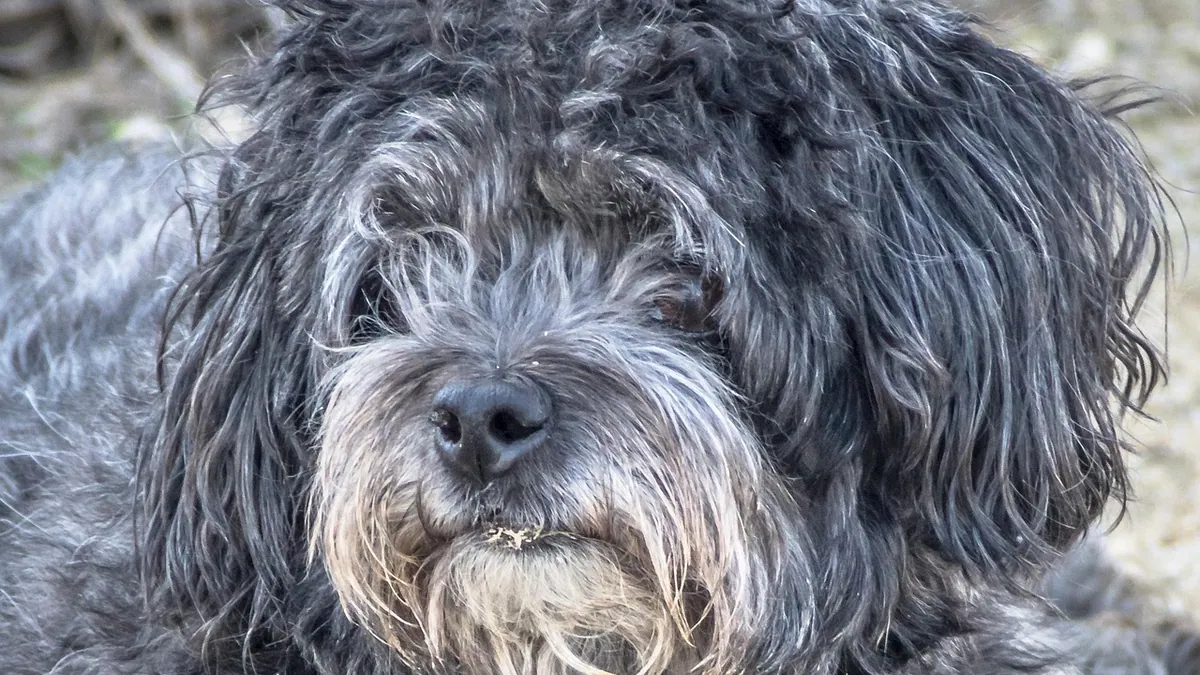
Dogs rarely form true hairballs. Unlike cats, dogs do not have barbed tongues built for constant grooming, so swallowed hair usually passes through the gut without clumping. When a dog vomits hair or has a hairball-like mass, it is often a sign of an underlying skin, stomach, or intestinal problem. This article is educational and is not a substitute for veterinary diagnosis or treatment.
Quick Answer
- A true hairball (called a trichobezoar) is uncommon in dogs and is far more typical of cats, who swallow loose hair while grooming [1].
- Most hair you see in your dog's vomit or stool came from normal shedding, self-licking, or chewing on hair attached to toys and bedding.
- A hairball-like mass in the stomach or intestine can cause vomiting, appetite loss, and lethargy, and it may need imaging or surgery to remove [2].
- Hair loss that leads to extra grooming and swallowing is often a skin or endocrine problem, not a hairball problem [3].
- Repeated vomiting, a hard or painful belly, or a dog who will not eat needs veterinary care, often the same day.
What a Hairball in a Dog Actually Looks Like
Owners usually describe one of three things. First, a tubular or clumped wad of hair in the vomit. Second, hair mixed with food, bile, or foam after a meal. Third, a dog who gags, retches, or coughs and brings up nothing but a little hair and mucus.
What is normal
It is normal for a dog to pass small amounts of hair in the stool. It is also fairly normal for a dog to vomit once after eating too fast, eating grass, or eating something unusual. A single episode in a dog who then eats, drinks, and plays normally is usually not an emergency.
What is not normal
It is not normal for a dog to vomit hair repeatedly. It is not normal for a dog to retch for minutes at a time with nothing coming up. It is not normal for a dog to stop eating, act painful when you touch the belly, or become quiet and weak. Those signs point to a blockage, inflammation, or another serious problem.
A note about hairballs in dogs' ears
Some owners search for hairballs in dogs' ears because they see waxy, dark debris or clumps of hair in the ear canal. Hair does grow in the ear canal, and it can trap wax and debris, but this is not a hairball. It is usually part of an ear infection, allergies, or a parasite problem. Do not pull hair out of the ear canal at home. Your veterinarian can look inside with an otoscope and decide what treatment is needed.
What Causes Hairballs in Dogs?
True trichobezoars form when hair is swallowed and cannot move through the digestive tract. In people, these masses usually develop after hair is pulled and eaten, and they can even appear in the respiratory tract in rare cases [4]. In dogs, the same principle applies, but it takes a lot of hair, a lot of time, or an underlying problem that slows the gut down.
| Cause | Typical clues | How urgent |
|---|---|---|
| Heavy shedding plus self-licking | Hair in stool or occasional vomit, normal energy and appetite | Routine visit if it keeps happening |
| Skin disease causing licking and chewing | Bald patches, redness, itching, odor, hair loss on ears or flanks [3] | Routine to same day, depending on severity |
| Swallowed hair from toys, bedding, or grooming clippers | Hair in vomit after chewing, no other signs | Same day if vomiting repeats |
| Stomach or intestinal foreign body | Vomiting, not eating, painful belly, no stool | Emergency now |
| Intestinal stone (enterolith) | Vomiting, anorexia, large mineralized mass seen on x-ray [2] | Emergency now |
| Gut motility or inflammatory disease | Chronic intermittent vomiting, weight loss, picky appetite | Same day to routine, based on severity |
| Pancreatic or other abdominal disease | Vomiting, lethargy, not eating, abnormal bloodwork [5] | Same day to emergency |
Heavy shedding and self-grooming
Dogs lick themselves, their paws, and their housemates. A dog with a heavy coat, a dog who is bored, or a dog with itchy skin can swallow a surprising amount of hair. Most of it passes. Some of it comes back up. This is the most common reason owners see hair in vomit.
Skin problems that drive licking
When a dog licks, chews, or scratches, hair loss often follows. Alopecia in dogs usually reflects an endocrine, hereditary, infectious, allergic, parasitic, or self-induced disorder, and treatment depends on finding and correcting the underlying cause [3]. If your dog is losing coat and swallowing more hair, the hairball sign is really a skin sign. You can read more about this in Why Is My Dog Losing Hair? and Dog Hair Loss on Ears: Causes and Treatment Options.
Hairball in the dog's stomach
A hairball that sits in the stomach can cause vomiting, especially after meals. It can also cause a dog to feel full and eat less. Small masses may pass on their own. Large ones may not. Your veterinarian may feel a firm area in the abdomen, though many masses cannot be felt through the body wall.
Hairball in the dog's throat
A hairball in the throat is rare. More often, a dog with a hairball-like sign in the throat area has something else going on, such as a foreign body, laryngitis, or a mass. Gagging, coughing, and noisy breathing are not signs you should watch at home. They need a veterinary exam.
Look-alike problems that are not hairballs
Not every mass in the abdomen is hair. A 12-year-old Labrador Retriever was brought in for sudden anorexia and vomiting, and imaging showed a large mineralized structure with concentric rings that looked like a stomach foreign body. Surgery revealed it was actually an enterolith in the small intestine [2]. Another young dog was seen for vomiting, inappetence, and lethargy, and ultrasound found a torsed organ with a "whirl sign" that turned out to be pancreatic torsion [5]. The lesson is simple. A hairball is one possibility among many, and imaging often changes the diagnosis.
Red Flags That Mean Emergency
Go to an emergency clinic now if your dog has any of these signs.
- Repeated vomiting or retching that will not stop
- A hard, swollen, or painful abdomen
- Unproductive retching, especially in a deep-chested dog
- Collapse, weakness, pale gums, or heavy panting at rest
- Vomiting blood or passing black, tarry stool
- A known or suspected swallowed object, including a large clump of hair, string, or toy
- Straining to defecate with no stool produced
These signs can point to a blockage, a twisted organ, or another condition that gets worse by the hour. Waiting can turn a treatable problem into a surgical emergency.
Safe Things You Can Do at Home While You Wait
Home care is about comfort and monitoring, not about forcing a hairball out.
Keep a simple log
Write down when your dog vomits, what it looks like, whether hair is present, and whether food or bile is mixed in. Note appetite, water intake, stool, and energy level. This log helps your veterinarian decide how urgent the problem is.
Withhold food briefly only if your vet agrees
For a single vomit in an otherwise bright dog, some veterinarians suggest a short fast followed by small, bland meals. Do not fast a puppy, a small breed dog, or a dog with other health problems without asking your vet first.
Do not give human hairball products
Products made for cats are not made for dogs. Do not give human laxatives, mineral oil, or petroleum jelly. These can cause aspiration pneumonia or make a blockage worse. If you want a safe over-the-counter option, ask your veterinarian about a dog-specific product such as Dog Hairball Remedy.
Manage shedding and grooming
Brush your dog regularly, especially during seasonal coat changes. Remove loose hair before your dog can swallow it. Wash bedding often. Pick up hair from grooming sessions so it does not end up in the food bowl or on the floor.
Reduce licking and chewing
If your dog is licking a paw, flank, or ear raw, cover the area with a light bandage or a cone if your vet approves. Address the itch. A dog who stops licking stops swallowing hair.
What Your Veterinarian Will Check and Test
Your veterinarian will start with a full history and a physical exam. They will check hydration, gum color, belly comfort, skin, ears, and coat. They will ask about diet, treats, toys, grooming, and any recent hair loss.
Common tests
- Bloodwork to check organ function, electrolytes, and infection markers
- Abdominal x-rays to look for mineralized masses, gas patterns, or a foreign body [2]
- Abdominal ultrasound to look at the stomach wall, intestines, and other organs, and to check for a "whirl sign" or mass [5]
- Fecal testing if parasites or diarrhea are part of the picture
- Skin testing, skin scrapes, or a dermatology workup if hair loss is the main problem [3]
Possible treatments
If a small hair mass is moving through, your vet may recommend fluids, a bland diet, and monitoring. If a mass is stuck, surgery may be needed. If the problem is skin disease, treatment may include parasite control, allergy management, antibiotics, or endocrine therapy. If the problem is a foreign body, endoscopic or surgical removal is often the answer.
Prevention and Monitoring
Prevention focuses on the real cause, not on the hair itself.
Control shedding
Brush daily during heavy shed seasons. Use the right brush for your dog's coat type. Bathe as often as your veterinarian recommends, and dry the coat well.
Treat the skin
If your dog is losing hair, itching, or chewing, get it checked. Alopecia in dogs usually improves when the underlying endocrine, infectious, allergic, parasitic, or self-induced disorder is corrected [3]. If your dog recently had puppies and is losing coat, see Dog Hair Loss After Puppies: Causes and What to Do. If the loss is patchy, see Why Is My Dog Losing Hair in Patches? Common Causes and Next Steps.
Watch the gut
If your dog vomits hair more than once or twice a month, keep a log and mention it at the next exam. If vomiting becomes frequent, do not wait.
Diet and fiber
Fiber can change how hair moves through the gut. In cats, adding sugarcane fiber to kibble reduced the number and mass of trichobezoars passed in the stool [1]. This study was done in cats, not dogs, so we cannot assume the same result in dogs. Still, your veterinarian may discuss fiber, diet changes, or a prescription diet if your dog has chronic hair in the stool or vomit.
Limitations and When to Contact a Veterinarian
This article cannot tell you what is causing your dog's signs. Only a veterinarian who examines your dog can do that. Individual cases need a veterinarian.
Contact your veterinarian the same day if your dog vomits hair more than once, has a poor appetite, seems uncomfortable, or has new hair loss with itching or chewing.
Go to an emergency clinic now if your dog has repeated vomiting, a painful or swollen belly, unproductive retching, collapse, pale gums, bloody vomit, or black stool.
Schedule a routine visit if your dog has occasional hair in the stool, mild shedding, or a single vomit with normal energy and appetite.
Frequently Asked Questions
Can dogs get hairballs like cats do?
True hairballs are uncommon in dogs. Cats swallow loose hair constantly while grooming, and that hair can clump into solid masses in the gut [1]. Dogs groom less and their tongues do not trap hair the same way, so most swallowed hair passes through.
What does a hairball in a dog's stomach look like on a test?
It may look like a soft-tissue mass or a mineralized structure on x-ray, and ultrasound can show where it sits and whether it is moving [2]. Sometimes the mass turns out to be something else, such as an intestinal stone or a torsed organ [2][5].
Why is my dog vomiting hair?
The most common reasons are heavy shedding, self-licking, and chewing on hair-covered toys or bedding. Less often, a mass, a foreign body, or gut disease is slowing things down. Repeated vomiting with appetite loss needs a vet visit.
Can I give my dog a cat hairball remedy?
No. Cat products are made for cats and may not be safe or effective for dogs. Human laxatives and mineral oil can be dangerous. Ask your veterinarian about a dog-specific option such as Dog Hairball Remedy.
Are hairballs in dogs' ears a real problem?
Hair does grow in the ear canal, and it can trap wax and debris, but this is not a hairball. It is usually linked to ear infections, allergies, or parasites. Do not pull the hair out yourself. Let your veterinarian examine the ear and decide on treatment.
Related Articles
- Dog Hairball Remedy
- Dog Hair Loss After Puppies: Causes and What to Do
- Why Is My Dog Losing Hair?
- Dog Hair Loss on Ears: Causes and Treatment Options
- Why Is My Dog Losing Hair in Patches? Common Causes and Next Steps
- Dog Hair Loss on Nose: Causes and When to Worry
- Hair in Dog Poop: What It Means and When to Worry
- Dog Throwing Up Hairballs: Is It Normal or a Problem?
- Regurgitation in Dogs: Causes, Treatment, and When to Worry
References
- Sugarcane fibre may prevents hairball formation in cats. Journal of nutritional science, 2014.
- Small intestinal enterolith in a dog presenting for a suspected gastric foreign body. Veterinary radiology & ultrasound : the official journal of the American College of Veterinary Radiology and the International Veterinary Radiology Association, 2021.
- Alopecia management from a comparative perspective: pharmacological and pharmaceutical insights in humans, dogs, and cats. Frontiers in veterinary science, 2026.
- Respiratory and intestinal trichobezoar in a female: An unusual case report and literature review. Respirology case reports, 2023.
- Ultrasound Features of Pancreatic Torsion in a Young Dog. Veterinary radiology & ultrasound : the official journal of the American College of Veterinary Radiology and the International Veterinary Radiology Association, 2026.