Hair in Dog Poop: What It Means and When to Worry
By Dr. Zubair Khalid, DVM, MS, PhD ·
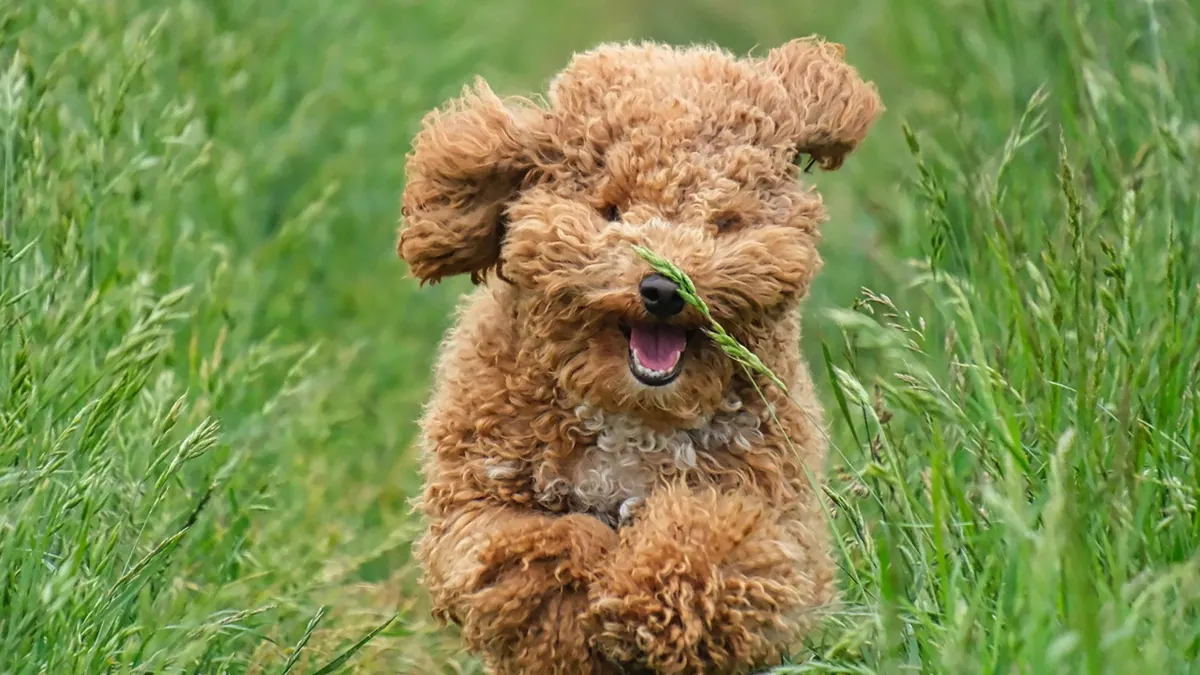
Hair in dog poop usually means your dog swallowed hair while grooming or licking, and most of the time it passes through without causing harm. A hairball in dogs poop becomes a concern when it collects in the stomach or intestines and causes vomiting, appetite loss, straining, or pain. Small amounts of hair in stool are common and often harmless.
This article is educational and is not a substitute for veterinary diagnosis or treatment.
Quick Answer
- Small streaks or clumps of hair in normal-looking poop are usually harmless and reflect normal grooming.
- A large amount of hair, especially with dry or hard stool, can contribute to constipation because hair is poorly digestible [1].
- Watch for vomiting, not eating, belly pain, or repeated straining with little stool, which suggest a blockage or another serious problem.
- Never give human hairball remedies, laxatives, or oils unless your veterinarian tells you to.
- Call your vet the same day if your dog is uncomfortable, and go to an emergency clinic if vomiting is repeated or your dog seems painful or dull.
What Hair in Dog Stool Looks Like and What Is Normal
Hair in dog stool can look like thin strands woven through the feces, small clumps, or a fuzzy coating on the surface. Sometimes you only notice it when you pick up the poop and see fur mixed in. The color usually matches your dog's coat or the coat of another pet in the home.
Normal poop is firm but not rock hard, holds its shape, and is easy to pick up. A little hair in a normal stool is not a problem on its own. Dogs shed and groom every day, and they swallow loose fur in the process. Most of that hair moves through the digestive tract and comes out in the stool.
The picture changes when hair builds up instead of passing. Hair is poorly digestible, and when it mixes with fecal material it can form firm matter that is hard to pass [1]. That is when you may see dry, hard stool, small frequent attempts to poop, or a dog who strains with little result. If your dog is straining, our guide to Dog Straining to Poop: Causes and When to Help covers the common reasons and what to do next.
Why Does My Dog's Poop Have Hair in It?
Normal Grooming and Shedding
This is the most common reason. Dogs lick themselves, chew at their coats, and swallow loose hair. Double-coated breeds, dogs who shed heavily, and dogs living with other pets tend to swallow more hair. If your dog is eating, playing, and pooping normally, this is usually nothing to worry about.
Overgrooming or Skin Irritation
When a dog grooms much more than usual, more hair goes down the throat. Overgrooming often has a trigger, such as itching from allergies, fleas, or a skin infection. You may notice bald patches, redness, scabs, or constant licking and chewing. If you see hair loss along with scabs, see Dog Hair Loss with Scabs: What Does It Mean? for what those signs can mean.
Stress and boredom can also drive licking and chewing. Some dogs groom a specific spot until the skin is raw. The hair ends up in the stomach, and some of it shows up in the stool.
Hairballs and Trichobezoars
A trichobezoar is a hairball in the gastrointestinal tract, and it forms when a dog swallows hair over time [2]. These can sit in the stomach or move into the intestines. Small ones may pass. Larger ones can cause vomiting, poor appetite, or a blockage. Hairballs are more common in cats, but they do happen in dogs, especially heavy shedders and dogs who groom a lot.
Constipation Related to Hair
Hair is one of the poorly digestible materials that can mix with feces and make stool hard to pass [1]. The longer stool stays in the colon, the drier and harder it becomes [1]. A dog with hair-related constipation may poop small hard pieces, strain, or skip bowel movements. If this continues, it can become obstipation, which is constipation that resists treatment and leaves the dog unable to defecate [1].
Intestinal Foreign Material
Sometimes hair is not the only thing swallowed. Dogs who eat hair may also eat toys, string, bones, or fabric. Foreign material in the small intestine can cause an obstruction, and in rare cases it has been linked to serious complications like a segmental volvulus, which is a twisting of part of the intestine [3]. A dog with this problem often vomits and stops eating [3]. This is a surgical emergency.
Underlying Medical Problems
Constipation and difficult defecation can also come from problems outside the gut. Long-term constipation may be caused by an obstruction, pressure from a tumor, a narrowed pelvis, an enlarged prostate, or neuromuscular disease [1]. Conditions such as hypothyroidism and spinal cord disease can play a role [1]. Some medications cause constipation as a side effect [1]. If hair in the stool comes with ongoing straining, your vet will look at these possibilities.
| Cause | Typical clues | How urgent |
|---|---|---|
| Normal grooming | Small hair amounts, normal stool, dog acts well | Routine, monitor at home |
| Overgrooming or itching | Extra licking, bald spots, scabs, redness | Vet visit soon |
| Hairball (trichobezoar) | Vomiting, hair in vomit or stool, picky eating | Same-day vet call |
| Hair-related constipation | Hard dry stool, straining, small frequent attempts | Same-day vet call |
| Intestinal foreign material | Repeated vomiting, no appetite, belly pain, dull behavior | Emergency now |
| Medical causes of constipation | Long-term straining, weight loss, other illness signs | Vet visit, testing needed |
Red Flags That Make It an Emergency
Some signs mean you should stop watching and get help right away.
- Repeated vomiting, especially more than a couple of times in a few hours
- Vomiting with a bloated or painful belly
- Not eating for more than 24 hours, or refusing food and water
- Weakness, collapse, pale gums, or heavy panting
- Crying out or snapping when you touch the belly
- Straining to poop with nothing coming out, or only mucus
- Black, tarry stool or blood in the stool
- A known or suspected swallowed object, string, or bone
Vomiting and appetite loss are the classic signs of an intestinal obstruction from foreign material [3]. A dog with a mesenteric abscess, a rare pocket of infection in the abdomen, can also present with anorexia, vomiting, and abdominal pain [4]. These problems do not improve on their own and can become life threatening.
If your dog is vomiting and you are not sure how serious it is, Dog Vomiting: When Should You Worry? walks through the warning signs. If your dog is straining and passing only mucus, see Dog Straining to Poop but Only Passing Mucus: What It Means.
Safe Things You Can Do at Home While You Wait
Home care is about comfort and monitoring, not treatment. Do these things while you arrange a vet visit.
- Keep fresh water available at all times. Poor water intake contributes to hard, dry feces [1].
- Feed normal meals unless your vet says otherwise. Sudden diet changes can upset the gut.
- Brush your dog daily to remove loose hair before it is swallowed.
- Watch every bowel movement. Note the size, firmness, amount of hair, and whether your dog strains.
- Keep a simple log of vomiting, appetite, energy, and poop times. This helps your vet.
- Remove toys, string, bones, and small objects your dog might swallow.
- Do not give human hairball products, laxatives, petroleum jelly, or mineral oil. Your veterinarian calculates any dose from your pet's weight and health.
- Do not induce vomiting unless a veterinarian tells you to.
If your dog seems painful, is vomiting, or will not eat, skip home care and call your vet or an emergency clinic.
What Your Veterinarian Will Check and Test
Your vet starts with a full history. They will ask about grooming habits, shedding, diet, water intake, medications, and any possible swallowed objects. They will also ask how long the stool changes have been going on.
The physical exam focuses on the abdomen, hydration, gums, and the anal area. Your vet will feel for gas-filled loops, firm material, or a painful spot. They will check the rectum for stool, masses, or narrowed areas.
Testing often includes:
- Abdominal X-rays to look for foreign material, gas patterns, or a blockage
- Ultrasound to check intestinal movement and look for masses, fluid, or abscesses [4]
- Blood work to check hydration, electrolytes, thyroid, and organ function [1]
- Fecal testing for parasites and hidden blood
- A rectal exam to assess stool consistency and the anal area
If your dog has a perianal problem, such as inflammation around the anus, your vet may also look for contamination of the hair follicles and glands in that area [5]. That condition can cause long-term inflammation and needs prompt treatment to keep infection from spreading deeper [5].
Treatment depends on the cause. Constipation may be managed with fluids, stool softeners, and diet changes. A hairball or foreign object may need surgery. If surgery is needed, your vet will discuss the risks. One large review of gastrotomy for foreign material removal found that dehiscence, which is a surgical wound opening, occurred in about 2.6 percent of dogs [6]. Your vet will explain what that means for your dog's specific situation.
Preventing and Monitoring Hair in Dog Stool
Prevention focuses on reducing how much hair your dog swallows and keeping the gut moving.
- Brush your dog several times a week, daily during heavy shedding seasons.
- Bathe and de-shed as needed to remove loose undercoat.
- Treat itching, fleas, and skin infections promptly so your dog stops overgrooming.
- Keep water intake up. Add wet food or broth if your vet approves.
- Feed a balanced diet with enough fiber. Your vet can recommend the right amount for your dog.
- Keep hair ties, string, tinsel, and small toys out of reach.
- Schedule routine wellness visits, especially for senior dogs or dogs with thyroid disease.
Track your dog's poop for a week after any change. If hair amounts drop and stool returns to normal, you are likely on the right track. If straining, vomiting, or appetite loss continues, call your vet.
Limitations and When to Contact a Veterinarian
This article cannot tell you what is happening inside your dog. Only a veterinarian who examines your dog can do that. Individual cases need a veterinarian, and the timing depends on the signs you see.
Call your veterinarian the same day if your dog:
- Has hard, dry stool or strains to poop for more than a day
- Vomits once or twice but still eats and acts mostly normal
- Has a sudden drop in appetite
- Has hair in the stool along with itching, bald spots, or scabs
- Is on a medication that can cause constipation [1]
Go to an emergency clinic now if your dog:
- Vomits repeatedly or cannot keep water down
- Has a painful, swollen, or tense belly
- Will not eat and seems weak or dull
- Strains with no stool for more than a day
- Has black or bloody stool
- May have swallowed string, a toy, a bone, or fabric
Schedule a routine visit if the hair in the stool is occasional, your dog acts well, and the stool is normal in shape and color. Bring a fresh stool sample and a photo of the poop if you can.
Frequently Asked Questions
Is hair in dog poop normal?
Yes, small amounts of hair in normal stool are common and usually harmless. Dogs swallow loose fur while grooming, and most of it passes through the digestive tract. The amount matters more than the presence of hair.
Can a hairball in dogs poop cause a blockage?
It can, though this is uncommon. Hair is poorly digestible, and when it mixes with fecal material it can form firm matter that is hard to pass [1]. A large hairball in the stomach or intestines can cause vomiting, appetite loss, and pain.
Should I give my dog a hairball remedy?
No, do not give human hairball products or laxatives unless your veterinarian prescribes them. These products are made for people and can cause diarrhea, dehydration, or other problems in dogs. Your vet will choose a safe option and calculate the dose from your dog's weight and health.
Why is my dog eating more hair than usual?
Extra hair swallowing usually points to more grooming. That can come from itching, allergies, fleas, skin infections, stress, or boredom. If you see bald patches, redness, or scabs, have your vet check the skin.
When should I worry about hair in my dog's stool?
Worry when hair comes with vomiting, not eating, belly pain, weakness, or repeated straining with little stool. These signs suggest a blockage, severe constipation, or another serious problem. Call your vet the same day, or go to an emergency clinic if your dog is vomiting repeatedly or seems painful.
Related Articles
- Dog Straining to Poop: Causes and When to Help
- Dog Vomiting: When Should You Worry?
- Dog Hair Loss with Scabs: What Does It Mean?
- Dog Coughing: When Should You Worry?
- Dog Straining to Poop but Only Passing Mucus: What It Means
- Dog Blood in Stool but Acting Normal: What Does It Mean?
- Hairballs in Dogs: Symptoms, Causes, and What to Do
- Mucus in Dog Poop: Causes and When to Worry
- Dog Poop Color and Meaning: What Your Dog's Stool Says
- Canine Parasitic Vomiting: Identifying Worms in Dog Vomit and Gastrointestinal Implications
References
- Disorders of the Stomach and Intestines in Dogs - Dog Owners. Merck Veterinary Manual.
- Respiratory and intestinal trichobezoar in a female: An unusual case report and literature review. Respirology case reports, 2023.
- Segmental jejunal volvulus and hemoperitoneum secondary to small intestinal foreign material in a dog. The Canadian veterinary journal = La revue veterinaire canadienne, 2025.
- Mesenteric Abscess Complicated by Septic Peritonitis in a Dog: Multimodal Diagnosis, Surgical Management, and Serial Quantitative Bacterial Load Monitoring. Veterinary sciences, 2026.
- Disorders of the Rectum and Anus in Dogs - Dog Owners. Merck Veterinary Manual.
- Dehiscence rate and associated risk factors after gastrotomy for removal of foreign material in dogs and cats. Journal of the American Veterinary Medical Association, 2025.