Megaesophagus in Dogs: Symptoms, Causes, and Feeding
By Dr. Zubair Khalid, DVM, MS, PhD ·
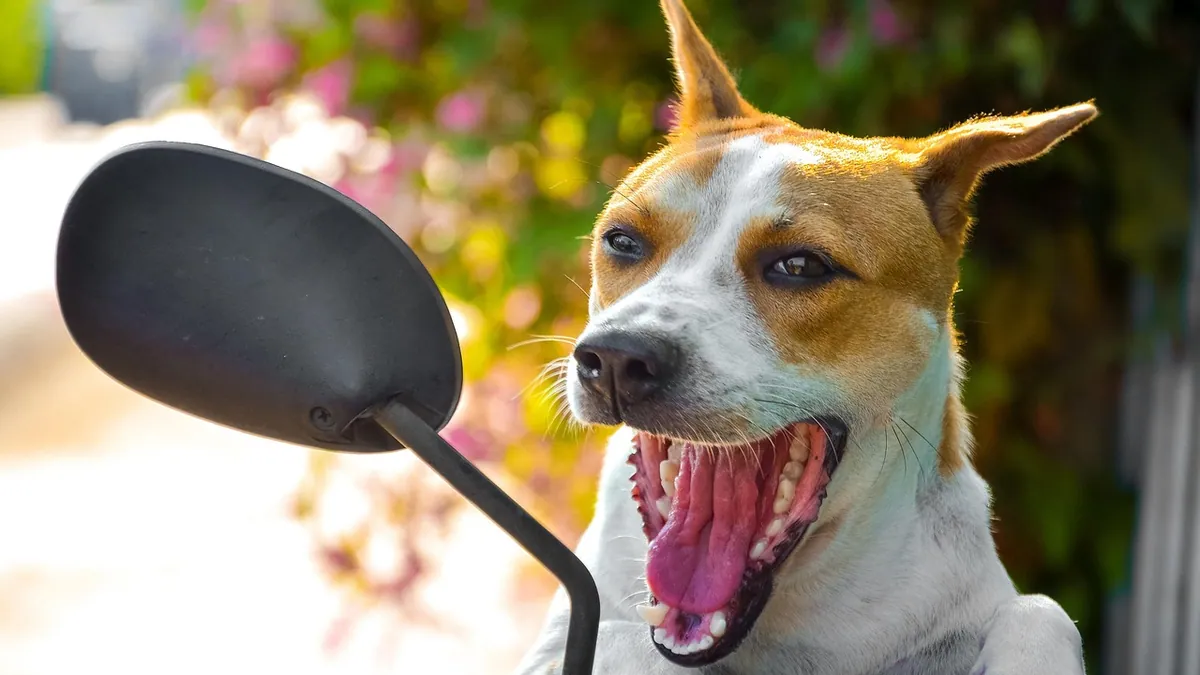
Megaesophagus in dogs symptoms usually start with food or water coming back up soon after eating, often in a tube shape and without much effort. The esophagus, the muscular tube that carries food to the stomach, loses its ability to push food down, so it stretches and food pools there. This article is educational and is not a substitute for veterinary diagnosis or treatment.
Quick Answer
- Regurgitation is not vomiting. Regurgitated food comes up passively, often undigested and tube-shaped, while vomit involves active abdominal heaving and usually looks digested or bile-stained.
- Megaesophagus can be congenital (present from birth) or acquired later in life, and it often has an underlying cause such as myasthenia gravis, hypothyroidism, or a vascular ring anomaly [1].
- Diagnosis usually involves chest X-rays to confirm the dilated esophagus, followed by tests to find the underlying cause.
- Feeding changes are the cornerstone of management. Most dogs do best eating from an elevated bowl and staying upright for 10 to 15 minutes after meals.
- Aspiration pneumonia is the most serious complication, so any coughing, fever, or trouble breathing needs prompt veterinary attention.
What Is Megaesophagus in Dogs?
Megaesophagus means the esophagus is abnormally dilated or stretched [1]. In a healthy dog, waves of muscle contraction move food and water from the mouth to the stomach. In a dog with megaesophagus, that motility is weak or absent. Food sits in the esophagus instead of reaching the stomach.
The stretched esophagus can hold a surprising amount of food and liquid. When the dog changes position or the esophagus fills up, the material spills back out. This is why regurgitation is the hallmark sign. It is a mechanical problem, not a stomach problem.
Some dogs are born with the condition. Congenital megaesophagus is generally diagnosed soon after weaning and is a hereditary defect in Wire-haired Fox Terriers and Miniature Schnauzers [1]. A tendency to occur in families has been reported in German Shepherds, Newfoundlands, Great Danes, Irish Setters, Chinese Shar-Peis, and Labrador Retrievers [1].
Other dogs develop it as adults. In those cases, it may occur alone or alongside another disease [1]. Finding that underlying disease matters because treating it can sometimes improve the esophagus.
Megaesophagus in Dogs Symptoms: What Owners Notice
The most common sign is regurgitation. This often happens right after eating or drinking, but it can also happen hours later. The material usually looks like undigested food, sometimes in a cylindrical or tube shape. There is little or no retching.
Owners often describe it as "vomiting," but the distinction matters. Vomiting involves nausea, drooling, and active abdominal contractions. Regurgitation is passive. If your dog brings up undigested food without heaving, that points toward the esophagus. Our guide to dog vomiting undigested food walks through the differences.
Other signs owners notice include:
- Weight loss or poor weight gain, especially in puppies
- Ravenous appetite despite bringing food back up
- Bad breath from food decaying in the esophagus
- Coughing, gagging, or noisy breathing
- Nasal discharge after eating
- Low body condition score and poor hair coat [2]
Coughing after eating or drinking is a red flag for aspiration. When regurgitated material enters the airway, it can cause pneumonia. Our article on why dogs cough after drinking water explains that link.
Some dogs with megaesophagus also have gastrointestinal hypomotility, meaning the stomach and intestines move slowly too. A study of dogs with tick paralysis found lower contraction frequencies in the stomach, duodenum, and jejunum compared with healthy controls [3]. That is a specific disease context, but it shows that motility problems can extend beyond the esophagus.
Causes and Risk Factors
Megaesophagus has many possible causes. Your veterinarian will sort them into congenital and acquired categories.
Congenital Causes
Congenital megaesophagus is present from birth. It is a hereditary defect in Wire-haired Fox Terriers and Miniature Schnauzers, and a family tendency has been reported in several other breeds [1]. A case report of a 5-week-old Gordon Setter puppy with congenital idiopathic megaesophagus found diffuse esophageal muscular atrophy, mucosal erosions, and a marked reduction in myenteric plexus structures and ganglion cells [4]. In plain terms, the nerves that help the esophagus contract were missing or reduced.
Abnormal blood vessels, called vascular ring anomalies, can also trap the esophagus and cause megaesophagus [1]. This is a structural problem that may be surgically correctable.
Acquired Causes
In adult dogs, megaesophagus often has an underlying disease. Known causes include myasthenia gravis, systemic lupus erythematosus, polymyositis, hypoadrenocorticism, poisoning, dysautonomia, glycogen storage disease, nervous system disorders including cancer, and possibly hypothyroidism [1]. Injury to the esophagus, cancer, a foreign object, or compression of the esophagus can also cause it [1].
A 2024 case report described a 2-year-old Asian Shepherd with megaesophagus caused by a rare combination of myasthenia gravis, primary hypothyroidism, and primary hypoadrenocorticism [2]. After treatment for each disease, the megaesophagus resolved [2]. That case shows why a full workup matters.
Esophagitis, or inflammation of the esophagus, is another contributor. It is usually due to foreign bodies, gastroesophageal reflux, or certain drugs such as doxycycline [5]. Reflux is often associated with anesthesia, drugs that decrease lower esophageal sphincter tone, and acute or chronic vomiting [5]. Feeding tubes that cross the gastroesophageal junction may also cause reflux [5].
Infectious causes are rare but possible. A 2025 report described two dogs with megaesophagus that developed esophageal candidiasis, a fungal infection [6]. Both improved with fluconazole [6]. This is worth knowing if a dog with megaesophagus fails to improve or gets worse despite standard care [6].
Risk Factors
Breed and age are the main risk factors. Congenital cases appear in young puppies, often soon after weaning [1]. Adult-onset cases can affect any breed. German Shepherds appear in both congenital and acquired reports, including the candidiasis cases [6].
How Megaesophagus in Dogs Is Diagnosed
Diagnosis starts with a physical exam and a detailed history. Your veterinarian will ask about the timing and appearance of the regurgitated material, appetite, weight changes, and any coughing or breathing problems.
Imaging
Plain chest X-rays are the first step. They show a dilated esophagus and can reveal aspiration pneumonia. In the Gordon Setter puppy, contrast radiography showed marked generalized esophageal dilation with ventral displacement of the heart and lungs [4]. That displacement is a classic finding.
An esophagram, where contrast dye is swallowed and tracked with fluoroscopy, shows how the esophagus moves. It can also reveal motility defects or wall defects if esophagitis is severe [5].
Endoscopy
Endoscopy is the diagnostic tool of choice for esophagitis [5]. It lets the veterinarian see foreign bodies, damage, or unusual lesions. In the candidiasis cases, esophagoscopy showed diffuse white fungal plaques, and brush cytology showed severe esophagitis with yeast structures [6]. Endoscopy should be considered in dogs with megaesophagus that fail to improve on medical management or worsen after being controlled [6].
Blood and Neurologic Testing
Blood work helps screen for underlying diseases. Testing may include a complete blood count, chemistry panel, thyroid testing, cortisol testing, and an acetylcholine receptor antibody test for myasthenia gravis [2]. The Asian Shepherd case had anemia, azotemia, hyperlipidemia, increased thyroid stimulating hormone, decreased thyroxine, hypocortisolemia, and a marked increase in acetylcholine receptor antibody concentration [2].
If a vascular ring anomaly is suspected, advanced imaging may be needed. In a goat, CT revealed a transitional seventh cervical vertebra with fused ribs causing extramural esophageal compression [7]. The species differs, but the principle is the same: sometimes the cause is outside the esophagus.
Treatment Options
Treatment has two parts: managing the esophagus and treating any underlying cause.
Treating the Underlying Cause
If myasthenia gravis, hypothyroidism, hypoadrenocorticism, or another disease is found, treating it may improve or resolve the megaesophagus [2]. In the Asian Shepherd case, the megaesophagus resolved after nursing care and treatment of each disease [2]. Fungal esophagitis is treated with an antifungal such as fluconazole, which led to improvement or resolution in two dogs [6].
Supportive Care
Supportive care focuses on nutrition, hydration, and preventing aspiration pneumonia. Some dogs need intravenous fluids or a feeding tube during a crisis. Your veterinarian will decide what is appropriate based on your dog's condition.
Medications
Medications may be used to improve esophageal or gastric motility, treat reflux, or manage infection. Doses are calculated by your veterinarian based on your dog's weight and health. Never give human medications without veterinary guidance.
Megaesophagus in Dogs Feeding: Practical Strategies
Feeding is where owners have the most control, and it makes the biggest difference. The goal is to get food into the stomach and keep it there.
Elevate the Bowl
Most veterinarians recommend feeding from an elevated bowl. The height should let your dog eat with the head and neck raised, so gravity helps food move down. A Bailey chair is a common tool for this. It holds the dog upright during and after meals.
Stay Upright After Meals
Keep your dog upright for 10 to 15 minutes after eating and drinking. This gives food time to reach the stomach. Some dogs need longer. Watch your dog and adjust with your veterinarian's guidance.
Choose the Right Food Consistency
Food consistency matters, but the right choice varies by dog. Some do best with a slurry or meatball consistency. Others do better with a liquid or a firm gruel. Your veterinarian can help you trial different textures. Small, frequent meals often work better than two large ones.
Water Management
Water can be as problematic as food. Some dogs regurgitate water easily. Options include offering small amounts frequently, using a raised water bowl, or adding water to food to reduce separate drinking. Ask your veterinarian what fits your dog.
Treats and Medications
Owners in a 2026 survey ranked not being able to give treats as one of the top negative factors affecting quality of life [8]. You can still offer safe treats if they fit the feeding plan. Pill pockets may not work for every dog, so ask about liquid or compounded medications.
Monitor for Aspiration
Watch for coughing, gagging, or noisy breathing after meals. These can signal aspiration pneumonia. Our guide on coughing after drinking water covers this risk in detail.
| Feeding Strategy | Why It Helps | Practical Tip |
|---|---|---|
| Elevated bowl or Bailey chair | Uses gravity to move food down | Feed at shoulder height or higher |
| Upright for 10 to 15 minutes after meals | Keeps food in the stomach | Use a chair or hold your dog gently |
| Small, frequent meals | Reduces volume in the esophagus | Try 4 to 6 small meals daily |
| Consistent texture | Matches what your dog can swallow | Trial slurry, meatball, or gruel |
| Raised water bowl | Reduces water pooling | Offer small amounts often |
Recovery, Outlook, and Long-Term Management
The outlook depends on the cause. Congenital cases are usually lifelong. Acquired cases may improve or resolve if the underlying disease is treatable [2]. Some dogs improve with management alone, while others need ongoing support.
Quality of life is a real concern. In a survey of 262 owners of dogs with megaesophagus, the top negative areas included not being able to give treats, concern about weight loss, needing to adapt social life, not being able to board the pet, and having schedules affected [8]. These are practical issues, and your veterinarian can help you plan around them.
Long-term management usually includes:
- Regular weight checks
- Routine chest X-rays to catch pneumonia early
- Periodic blood work to monitor underlying disease
- Adjustments to feeding as your dog ages
- A written emergency plan for breathing problems
Some dogs with megaesophagus also have other digestive issues. If your dog vomits bile in the morning, our article on dog vomiting bile in the morning may help you sort out what is esophageal and what is stomach-related.
Prevention
True prevention is limited because many causes are genetic, immune, or structural. You cannot prevent myasthenia gravis or a vascular ring anomaly through diet or lifestyle.
What you can do:
- Choose a breeder who screens for hereditary conditions in affected breeds [1]
- Seek early veterinary care for puppies that regurgitate or fail to gain weight
- Treat underlying diseases promptly to reduce the chance of esophageal damage
- Avoid feeding tubes that cross the gastroesophageal junction when alternatives exist [5]
- Use caution with drugs that decrease lower esophageal sphincter tone, especially around anesthesia [5]
If your dog has a known risk factor, ask your veterinarian about a baseline chest X-ray. Early detection of a dilated esophagus can prevent a crisis.
Limitations and When to Contact a Veterinarian
This article cannot cover every case. Individual dogs need a veterinarian who can examine them, run tests, and adjust treatment.
Contact your veterinarian the same day if your dog:
- Regurgitates repeatedly and cannot keep food or water down
- Shows new coughing or gagging after meals
- Has a fever, lethargy, or reduced appetite
- Loses weight despite eating
Go to an emergency clinic now if your dog:
- Has trouble breathing, especially with a blue or pale gum color
- Collapses or seems weak
- Has a distended, hard abdomen
- Cannot stand or seems in severe distress
A bloated, hard stomach can be a different emergency. Our article on why a dog's stomach is bloated and hard explains when to rush in.
Routine visits are appropriate for stable dogs that need feeding adjustments, weight checks, or medication refills. Bring a log of what your dog eats, when it regurgitates, and how long it stays upright.
Frequently Asked Questions
How do I tell regurgitation from vomiting?
Regurgitation is passive and often brings up undigested, tube-shaped food with little warning. Vomiting involves active heaving, nausea, and usually digested or bile-stained material. If you are unsure, film the episode and show your veterinarian.
Can megaesophagus in dogs be cured?
Some acquired cases resolve when the underlying disease is treated, as seen in a dog whose megaesophagus resolved after treatment for myasthenia gravis, hypothyroidism, and hypoadrenocorticism [2]. Congenital cases are usually lifelong. Many dogs live well with consistent feeding management.
What is the best food for a dog with megaesophagus?
There is no single best food. Consistency matters more than brand. Some dogs do best with a slurry, others with meatballs or a firm gruel. Your veterinarian can help you trial textures and find what stays down.
Should I raise my dog's food bowl?
Yes, most dogs with megaesophagus do better with an elevated bowl or a Bailey chair. Keep your dog upright for 10 to 15 minutes after meals. Ask your veterinarian for a specific plan based on your dog's size and condition.
Can megaesophagus cause pneumonia?
Yes, aspiration pneumonia is the most serious complication. Regurgitated food or liquid can enter the airway and cause infection. Watch for coughing, fever, or trouble breathing, and seek care right away if you see these signs.
Related Articles
- Why Is My Dog coughing after drinking water? Megaesophagus and Aspiration Risk
- Dog Vomiting Undigested Food: Causes and What to Do
- Why Is My Dog eating stools? Coprophagia Causes and Deterrents
- Dog Vomiting Bile in the Morning: Causes and Feeding Fixes
- Why Is My Dog's Stomach So Bloated And Hard
- Dog Vomiting Bile And Undigested Food
- Megaesophagus in Dogs: X-Rays and Diagnosis
- Megaesophagus in Dogs: Life Expectancy and Prognosis
- Megaesophagus in Dogs: Treatment and Surgery Options
References
- Disorders of the Esophagus in Dogs - Dog Owners. Merck Veterinary Manual.
- Generalized megaesophagus associated with Schmidt-like syndrome in a dog. Veterinary research forum : an international quarterly journal, 2024.
- Ultrasonographic evidence of gastrointestinal hypomotility in dogs with tick paralysis (Ixodes holocyclus): a prospective pilot study. Australian veterinary journal, 2026.
- Clinicopathologic evaluation of congenital idiopathic megaesophagus in a Gordon Setter puppy: a case report and development and application of peripherin immunohistochemistry for detection of ganglion cells. Journal of veterinary diagnostic investigation : official publication of the American Association of Veterinary Laboratory Diagnosticians, Inc, 2024.
- Esophagitis in Small Animals - Digestive System. Merck Veterinary Manual.
- Esophageal Candidiasis in Two Dogs With Megaesophagus: A Case Report. Journal of veterinary internal medicine, 2025.
- Segmental Megaesophagus Secondary to Extraluminal Esophageal Stenosis Caused by Transitional Seventh Cervical Vertebra and Supernumerary Ribs in a Goat. Veterinary radiology & ultrasound : the official journal of the American College of Veterinary Radiology and the International Veterinary Radiology Association, 2025.
- Owner-perceived assessment of quality-of-life factors for dogs with megaesophagus may help veterinarians better tailor treatment plans. Journal of the American Veterinary Medical Association, 2026.