Why Is There Hair in My Cat's Poop? Causes and What to Do
By Dr. Zubair Khalid, DVM, MS, PhD ·
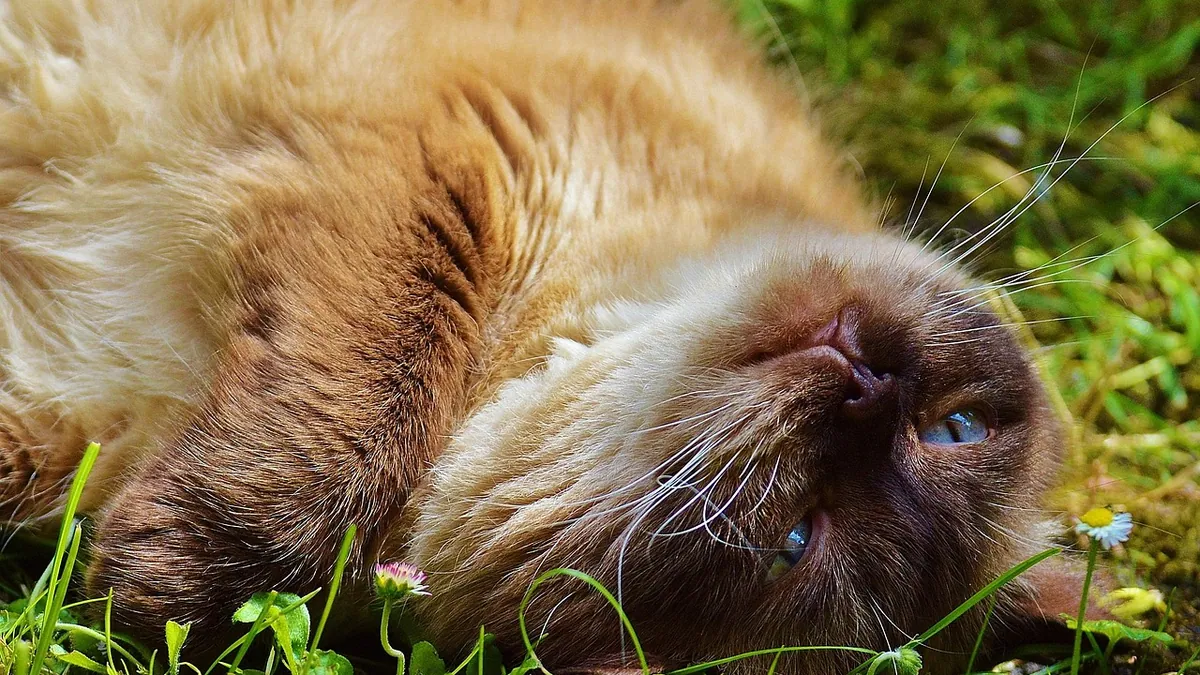
Cat poop full of hair is common and often harmless. Cats swallow loose fur while grooming, and most of it passes through the digestive tract and shows up in the litter box. The question is whether your cat is simply shedding a lot or whether something else is driving the hair into the stool. This article is educational and is not a substitute for veterinary diagnosis or treatment.
Quick Answer
- Small amounts of hair in cat stool are normal, especially in longhaired cats and during shedding season.
- A stool that looks packed or wrapped in fur can mean your cat is swallowing more hair than usual, often from overgrooming.
- Overgrooming has real medical and behavioral causes, including stress, pain, and skin disease, and both need to be addressed [1].
- Hair that clumps inside the stomach or intestine can form a trichobezoar (hairball mass) and cause a blockage, which is a medical emergency [2][3].
- Call your vet if you see vomiting, regurgitation, appetite loss, straining to poop, or a sudden drop in energy along with the hair.
What Hair in Cat Poop Usually Looks Like
Most owners notice hair in one of a few ways. You may see thin strands woven through a normal-looking stool. You may see a stool that looks fuzzy or wrapped in fur. Sometimes the hair is passed in a small clump mixed with feces.
This is the tail end of normal grooming. Cats have rough tongues that catch loose undercoat, and they swallow what they collect. Most of that hair moves through the stomach and intestines and exits in the stool.
Longhaired cats, cats who shed heavily, and cats in spring or fall coat blowouts tend to pass more hair. Indoor cats may shed year round because of steady temperatures and artificial light.
Causes of a Cat Poop Full of Hair
Hair in the stool is a sign, not a diagnosis. The cause is usually how much hair your cat is swallowing and how well the gut is moving it along.
Normal Grooming and Shedding
This is the most common reason. Your cat grooms several times a day and swallows loose fur each time. If the coat is heavy or the shedding cycle is active, more hair reaches the litter box.
Overgrooming
When a cat grooms more than usual, more hair goes down the hatch. Overgrooming can be physical or behavioral. Stress can cause cats to pull at their coat, and skin problems can cause itching, pain, or discomfort that leads to extra licking [1]. The relationship runs both ways. Skin disease can raise stress, and stress can worsen skin disease, so treatment often needs to address both sides [1].
If you also notice bald patches, thin coat, or irritated skin, see Why Is My Cat Losing Hair? and Cat Hair Loss: Causes and When to See a Vet.
Skin Allergy, Parasites, or Pain
Allergies, fleas, mites, and other skin conditions make cats lick and chew. A cat with sore joints, dental pain, or abdominal discomfort may also groom the painful area repeatedly. That extra grooming sends more hair into the gut.
Hair loss on the ears or face can point to a specific skin problem. See Cat Hair Loss on Ears: Causes and What to Do.
Compulsive Hair Pulling
Some cats pull out tufts of their own fur. This is called psychogenic alopecia, and it is tied to stress, anxiety, or a change in the environment. If you find clumps of fur around the house or bare patches on the belly, flanks, or legs, see Why Is My Cat pulling out fur in clumps? Psychogenic Alopecia and Over-Grooming.
Trichobezoars and Blockage
A trichobezoar is a mass of swallowed hair that forms inside the gastrointestinal tract [2]. Most people call these hairballs. When one stays in the stomach, it may be vomited up. When one moves into the esophagus or intestine, it can cause an obstruction.
These masses are not always harmless. Reported cases include a cat with a trichobezoar stuck in the esophagus that caused a diverticulum and required surgery [4]. Another report described two cats with esophageal obstruction from trichobezoars. Both needed surgery, and one died within 24 hours of removal, likely from aspiration pneumonia [3]. A separate case described an 18-month-old cat with a duodenal trichobezoar that caused severe muscle tremors and collapse from an electrolyte imbalance [5].
These are uncommon outcomes, but they show why a hairball that will not pass deserves attention.
Gut Motility Problems
If the intestines are not moving contents normally, hair can pile up instead of passing. Constipation and colitis can both change how stool forms and moves. A veterinarian may need to identify and treat the underlying inflammation, which can involve diet trials, bloodwork, fecal testing, imaging, endoscopy, or biopsies [6].
| Cause | Typical clues | How urgent |
|---|---|---|
| Normal grooming and shedding | Normal appetite and energy, normal stool shape, hair strands throughout | Routine monitoring |
| Overgrooming from stress or skin disease | Bald patches, thin coat, excessive licking, hair clumps around the home | Vet visit soon |
| Allergy, fleas, or mites | Itching, scabs, redness, hair loss on ears or face | Vet visit soon |
| Pain or illness | Hiding, appetite change, grumpy behavior, grooming one spot | Vet visit soon |
| Trichobezoar or blockage | Vomiting, regurgitation, no appetite, straining, lethargy | Emergency now |
| Constipation or colitis | Hard stool, straining, small frequent stools, mucus | Vet visit soon |
Red Flags That Make It an Emergency
Hair in the stool alone is rarely an emergency. The danger comes from a mass that blocks the digestive tract or from a cat who cannot keep food or water down.
Go to an emergency clinic now if you see:
- Repeated vomiting or regurgitation, especially after eating or drinking
- Open-mouth breathing, heavy breathing, or distress
- A swollen, painful, or tense abdomen
- No stool for more than a day or two with straining
- Complete refusal to eat or drink for more than 24 hours
- Collapse, tremors, weakness, or severe lethargy
- Drooling, gagging, or repeated unproductive attempts to vomit
Regurgitation is different from vomiting. Regurgitated food comes up undigested and often in a tube shape, with little warning. In the reported cases, persistent regurgitation was the main sign of an esophageal trichobezoar [4]. That pattern needs same-day veterinary care.
What You Can Do at Home While You Wait
You cannot diagnose a blockage at home, and you should not try to make your cat vomit. Do these safe steps instead.
Brush your cat daily. A fine-tooth comb or grooming glove removes loose undercoat before your cat swallows it. This is the single most useful thing you can do.
Watch the litter box closely. Note stool size, shape, frequency, and how much hair you see. Take photos. This information helps your vet.
Keep water available. Affected cats should receive plenty of water, and easy access to water supports normal stool [6].
Do not give human laxatives or hairball remedies unless your vet prescribes them. Laxatives made for people can be very dangerous for pets, and you should only use a laxative your veterinarian prescribes [6].
Reduce stress where you can. More litter boxes, cleaner boxes, and quiet spaces can help cats who are anxious or who avoid the box. Improved opportunities for defecation are part of basic constipation care [6]. If your cat has started avoiding the box, see Why Is My Cat Pooping Outside the Litter Box? Causes and Solutions.
Offer small, frequent meals. A cat who feels unwell may eat better from several small portions than one large bowl. If your cat will not eat at all, call your vet.
Keep a symptom log. Write down when you see hair, when your cat vomits, and how much your cat eats and drinks. Patterns help your vet decide what to test.
What Your Veterinarian Will Check
Your vet will start with a full history and physical exam. Expect detailed questions about diet, grooming habits, shedding, stool changes, vomiting, and behavior. Your vet will also ask about your cat's environment and any recent changes.
From there, testing depends on what the exam turns up. Your veterinarian may recommend blood, urine, and fecal samples, abdominal x-rays or ultrasound, endoscopy, or biopsies to identify the cause of intestinal inflammation [6].
If a blockage is suspected, imaging is the priority. In the reported esophageal cases, chest x-rays showed changes consistent with material in the esophagus pushing the trachea downward [3]. Endoscopy can confirm and sometimes remove a trichobezoar, though surgery is sometimes needed [4][3].
For constipation, treatment often starts with simple changes. A high-fiber diet, keeping your cat from eating bones or other objects, ready access to water, more litter boxes, and short-term laxatives prescribed by your vet can help mild cases [6]. More severe constipation may need enemas or manual removal under general anesthesia, and cats with chronic constipation or megacolon that do not respond to medical treatment may need surgery to remove the affected section of the large intestine [6].
If overgrooming is part of the picture, your vet will look for both physical and behavioral causes. Treatment works best when both are addressed together [1].
Prevention and Monitoring
You cannot stop your cat from grooming, and you should not try. You can lower how much hair reaches the gut.
- Brush daily, and use a deshedding tool during coat blowouts.
- Bathe or wipe down longhaired cats if your vet approves it.
- Treat fleas, mites, and skin disease promptly.
- Keep stress low with routine, enrichment, and enough resources.
- Feed a diet your vet recommends for your cat's gut health.
- Watch for early signs of trouble: vomiting, hairballs that keep coming, or changes in stool.
If your cat passes hair in the stool but acts normal, eats well, and poops regularly, keep brushing and keep watching. If anything changes, call your vet.
Limitations and When to Contact a Veterinarian
Hair in cat stool is a common finding, and most cases are not dangerous. The problem is that early blockage signs can look mild. A cat who vomits once may seem fine, then worsen within hours.
Contact your veterinarian the same day if your cat has vomiting or regurgitation, a drop in appetite, straining to defecate, or a change in energy. Go to an emergency clinic now if your cat cannot keep food or water down, breathes with an open mouth, has a painful or swollen belly, collapses, or shows tremors or weakness.
Schedule a routine visit if the hair in the stool is increasing, if you see bald patches or skin irritation, or if your cat seems to groom far more than usual. Every cat is different, and only your veterinarian can examine your cat, run the right tests, and set a treatment plan for your pet.
Frequently Asked Questions
Is hair in cat poop normal?
Yes, small amounts of hair in cat stool are normal. Cats swallow loose fur while grooming, and most of it passes through the digestive tract. Longhaired cats and cats in heavy shed cycles pass more hair than others.
Should I worry about hair in my cat's stool?
You should worry if the hair comes with other signs. Vomiting, regurgitation, appetite loss, straining to poop, or low energy point to a possible blockage or other illness. Hair alone in an otherwise healthy cat is usually not a concern.
Can a hairball cause a blockage in cats?
Yes, a trichobezoar can block the esophagus or intestine. Reported cases include cats that needed surgery for esophageal obstruction, and one cat developed severe tremors and collapse from a duodenal trichobezoar. These cases are uncommon, but they are serious when they happen.
Does hair in poop mean my cat is overgrooming?
Not always, but it can be a clue. Overgrooming from stress, allergies, parasites, or pain sends more hair into the gut. Look for bald patches, thin coat, scabs, or hair clumps around your home, and have your vet check both the skin and the behavior.
How do I reduce the amount of hair my cat swallows?
Brush your cat daily, especially during shedding season. Treat skin problems and parasites, lower stress in the home, and ask your vet about diet and grooming products. Never give human laxatives or hairball remedies unless your vet prescribes them.
Related Articles
- Why Is My Cat Losing Hair?
- Why Is My Cat Pooping Outside the Litter Box? Causes and Solutions
- Cat Hair Loss on Ears: Causes and What to Do
- Cat Hair Loss: Causes and When to See a Vet
- Why Is My Cat pulling out fur in clumps? Psychogenic Alopecia and Over-Grooming
- Why Is My Cat's Belly Swollen?
- Cat Hair Loss and Shedding: Causes and What to Give
- Poop Stuck in My Cat's Fur: Causes and Fixes
- Cat Poop Not Solid: Causes of Loose Stool in Cats
References
- Skin Disease and Behavior Changes in the Cat. The Veterinary clinics of North America. Small animal practice, 2024.
- Acute appendicitis with associated trichobezoar of feline hair. Journal of surgical case reports, 2022.
- Oesophageal obstruction due to trichobezoars in two cats. JFMS open reports, 2019.
- Esophageal diverticulum associated with a trichobezoar in a cat. Journal of the American Animal Hospital Association, 2009.
- Severe muscle fasciculations and tremor in a cat with hypochloraemic metabolic alkalosis secondary to duodenal obstruction. JFMS open reports, 2017.
- Disorders of the Stomach and Intestines in Cats - Cat Owners. Merck Veterinary Manual.