Why Is My Dog's Poop Green? Causes and Next Steps
By Dr. Zubair Khalid, DVM, MS, PhD ·
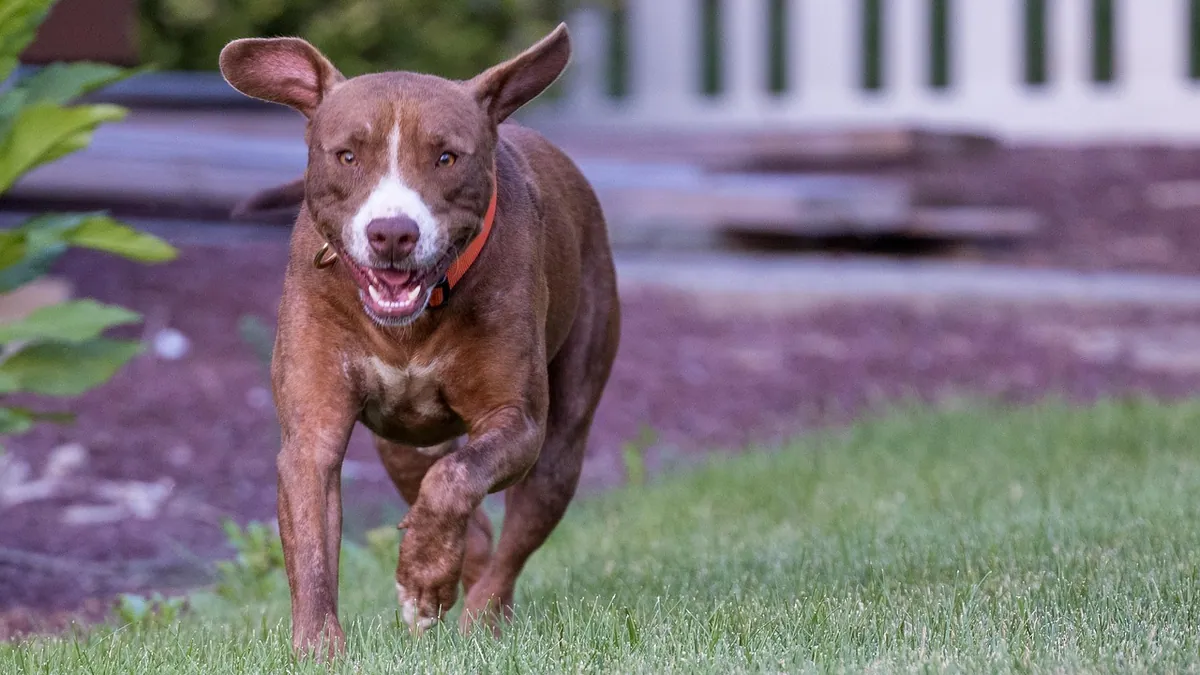
Green dog poop is usually a sign that something moved through your dog's gut faster than normal, or that your dog ate something green like grass. The color itself is less important than the pattern: a single soft green stool in an otherwise bright, playful dog is very different from watery green diarrhea that lasts for days. This article is educational and is not a substitute for veterinary diagnosis or treatment.
Quick Answer
- Green stool often means food or bile passed through the intestines too quickly for normal color changes to happen.
- Eating grass is one of the most common and least serious causes of green poop in dogs.
- Green watery diarrhea, dark green diarrhea, or green mucus in the stool deserves a call to your veterinarian.
- Any green stool with blood, vomiting, lethargy, or pain is an emergency.
- Do not give human anti-diarrheal medications or leftover antibiotics to your dog.
What Green Dog Poop Looks Like and What Normal Stool Looks Like
Normal dog stool is firm enough to pick up, holds its shape like a log, and is chocolate brown. The brown color comes from bile pigments that bacteria in the large intestine break down as waste travels through the gut. When that trip is too fast, bile stays green and shows up in the stool.
Green stool can look several ways:
- Bright green and soft, often after grass eating
- Dark green and tarry, which can suggest digested blood or old bile
- Green with a jelly-like coating of mucus
- Watery green diarrhea with little form
- Green streaks mixed into otherwise normal brown stool
The texture matters as much as the color. A formed green stool is usually less concerning than green diarrhea. If your dog is straining without producing much, see Dog Straining to Poop: Causes and When to Help.
Why Is My Dog's Poop Green? The Main Causes
Eating Grass
Many dogs eat grass, and grass passes through the digestive tract mostly undigested. The chlorophyll in grass can tint the stool green. If your dog grazes in the yard and then produces a green stool, this is often the whole story. Some dogs eat grass because of an upset stomach, so watch for vomiting or appetite changes alongside it.
Bile and Rapid Transit
Bile is a green fluid made by the liver and stored in the gallbladder. It helps digest fat. Normally, gut bacteria convert bile to brown as it moves through the colon. If transit speeds up, bile does not have time to change color, and the stool comes out green. This is why green diarrhea often goes hand in hand with a sudden bout of loose stool.
Diet and Treats
Green food coloring, certain vegetables, and some dental chews or treats can turn stool green. Review anything new your dog ate in the last 24 to 48 hours. Food changes alone can also trigger loose stool while the gut adjusts.
Intestinal Parasites and Infections
Parasites and gut infections irritate the intestinal lining and speed up transit. Viral causes of diarrhea are common in dogs. A metagenomic study of diarrheic dogs in the UK identified 12 viruses known to infect canids, including canine sapovirus and canine minute virus, both linked to gastrointestinal disease [1]. Some newly detected viruses, such as bufavirus and rotavirus C, have unclear clinical relevance in dogs so far [1].
Hemorrhagic Diarrhea Syndrome
Acute hemorrhagic diarrhea syndrome (AHDS) causes sudden, severe bloody diarrhea, often with vomiting. A retrospective case-control study of 412 dogs with acute gastrointestinal signs examined whether weather conditions trigger AHDS, based on the theory that enterotoxin-producing Clostridium perfringens plays a role [2]. The triggers for toxin production and AHDS onset remain unknown [2]. If your dog has profuse bloody or dark green diarrhea with vomiting, treat it as urgent.
Gut Microbiome Changes
Diarrhea is one of the most common reasons dogs visit veterinary clinics or emergency centers [3]. Common treatments include diet changes, antibiotics, and probiotics, often started before a diagnosis is confirmed [3]. Antibiotics can harm the gut microbiome long term and drive antimicrobial resistance, which is why alternatives like probiotics are being studied [3]. A 2025 pilot study evaluated a probiotic made of live Peptacetobacter hiranonis, Megamonas funiformis, and Enterococcus faecium in dogs with diarrhea, looking at tolerability and fecal microbiota changes [3]. This is early research, so ask your vet before starting any probiotic.
Things Dogs Swallow
Dogs pick up all kinds of objects. A study of feces from 27 domestic dogs in Santo Domingo, Ecuador, found microplastic particles in samples from 21 dogs, with an average of about 289 particles per sample [4]. The authors suggest dogs can act as sentinels for environmental exposure [4]. Swallowed non-food material can irritate the gut and change stool color or consistency.
Table: Cause, Clues, and Urgency
| Cause | Typical clues | How urgent |
|---|---|---|
| Grass eating | Bright green, formed stool, dog acting normal | Monitor at home |
| Bile and rapid transit | Green watery diarrhea, sudden onset, gurgling belly | Call vet if it lasts past 24 hours |
| Diet or treats | Green tint after new food or chews | Monitor, remove the new item |
| Parasites | Green mucus, weight loss, scooting, worms visible | Routine vet visit |
| Viral infection | Green diarrhea, vomiting, low energy, possible fever | Same-day vet visit |
| AHDS | Sudden bloody or dark green diarrhea, vomiting, pain | Emergency now |
| Swallowed object | Vomiting, not eating, painful belly | Emergency now |
Red Flags That Mean an Emergency
Call an emergency clinic right away if you see any of these:
- Blood in the stool, or stool that looks like raspberry jam or black tar
- Repeated vomiting, especially if your dog cannot keep water down
- A belly that looks bloated or feels painful when touched
- Weakness, collapse, pale gums, or heavy panting
- Green diarrhea in a puppy, senior dog, or dog with a chronic illness
- Suspected swallowed toy, bone, or object
- Seizures, wobbling, or confusion
Dark green diarrhea can mean digested blood is passing through. Do not wait to see if it improves on its own.
What You Can Safely Do at Home While You Wait
If your dog is bright, drinking, and has only one or two soft green stools, these steps are reasonable:
- Remove the likely trigger. Pick up grass clippings, new treats, and table scraps.
- Offer small amounts of water often. Dehydration is the main risk with diarrhea.
- Feed a bland, easily digestible meal if your vet agrees. Plain cooked chicken and rice is a common choice, but your vet may prefer a specific gastrointestinal diet.
- Skip human medications. Anti-diarrheal drugs can be dangerous for dogs, and antibiotics should only come from your vet.
- Collect a fresh stool sample in a clean bag or container. Your vet may want to test it.
- Note the details: color, texture, frequency, mucus, blood, and when it started.
Do not withhold food for more than a few hours without veterinary guidance, especially in puppies. If your dog is vomiting too, see Why Is My Dog Throwing Up Yellow Bile? Causes and Next Steps.
What Your Veterinarian Will Check and Test
Your vet will start with a full history and physical exam. Expect questions about diet, treats, garbage access, travel, boarding, and other pets in the home.
Common next steps include:
- Fecal testing for parasites, including a flotation and sometimes a direct smear
- PCR testing for viral and bacterial causes of diarrhea
- Blood work to check hydration, organ function, and electrolyte levels
- Imaging such as X-rays or ultrasound if a foreign object or obstruction is suspected
- A diet trial or prescription gastrointestinal diet
- Probiotics or other microbiome support, depending on the findings
Diarrhea is one of the most frequent reasons dogs are seen in clinics and emergency centers [3]. Your vet will decide whether antibiotics are truly needed, since they can damage the gut microbiome and contribute to resistance [3]. If your dog is not pooping at all, that is a different problem. Read Dog Not Pooping but Eating Normally: Causes and Solutions.
Preventing Green Stool and Monitoring Your Dog
Most green stool episodes can be prevented or caught early with a few habits:
- Keep your yard free of clippings, mushrooms, and trash
- Introduce new foods slowly over several days
- Limit table scraps and high-fat treats
- Keep up with parasite prevention as directed by your vet
- Store medications, cleaners, and small objects out of reach
- Watch for repeat episodes, which can point to a chronic gut issue
If your dog eats poop, that habit can also change stool color and spread parasites. See Why Does My Dog Eat Poop? and How to Stop a Dog from Eating Poop: Causes and Solutions.
Keep a simple log for your vet. Write down the date, stool color, consistency, and any other symptoms. A photo of the stool is genuinely helpful. Patterns over several days tell your vet more than a single sample.
Limitations and When to Contact a Veterinarian
This article cannot tell you what is causing your dog's green stool. Only a veterinarian who examines your dog can do that. Individual cases need a veterinarian, and timing matters.
Contact your vet the same day if:
- Green diarrhea lasts more than 24 hours
- Your dog has vomited more than once
- Your dog seems tired, uncomfortable, or less interested in food
- You see green mucus or a jelly-like coating in the stool
- Your dog is a puppy, senior, pregnant, or has a chronic condition
Go to an emergency clinic now if:
- There is blood or black tarry material in the stool
- Your dog is vomiting repeatedly or cannot hold down water
- Your dog's belly is swollen or painful
- Your dog is weak, collapsing, or breathing hard
- You think your dog swallowed an object, toxin, or human medication
Schedule a routine visit if:
- Green stool keeps coming back over weeks
- Your dog is losing weight
- Stool is consistently soft or mucus-covered
- You notice worms or your dog scoots often
Frequently Asked Questions
Is green dog poop always a sign of illness?
No. A single green stool in a dog that is eating, drinking, and acting normal is often caused by grass or a recent treat. Repeated green stool, diarrhea, or other symptoms point to a problem that needs a vet.
What does green watery diarrhea mean in dogs?
Green watery diarrhea usually means waste moved through the gut too fast for bile to turn brown. It can also come from a viral or bacterial infection, parasites, or something your dog ate. If it lasts more than a day or comes with vomiting, call your vet.
Can green mucus in dog poop be serious?
Green mucus means the intestinal lining is irritated and producing extra protective slime. It often appears with colitis, parasites, or food intolerance. A vet visit is a good idea if mucus shows up more than once or comes with straining.
Should I stop feeding my dog if the stool is green?
No. Unless your vet tells you otherwise, keep offering small, bland meals and plenty of water. Fasting can make things worse, especially in small dogs and puppies. Your vet can recommend the right diet for your dog's situation.
Can I give my dog human diarrhea medicine for green stool?
No. Human anti-diarrheal medications can cause serious harm to dogs, and antibiotics should only be prescribed by a vet. Diarrhea is one of the most common reasons dogs visit clinics, and treatment should match the actual cause [3]. Ask your vet before giving anything, including probiotics.
Related Articles
- Why Does My Dog Eat Poop?
- Dog Straining to Poop: Causes and When to Help
- Why Is My Dog Throwing Up Yellow Bile? Causes and Next Steps
- Dog Not Pooping but Eating Normally: Causes and Solutions
- How to Stop a Dog from Eating Poop: Causes and Solutions
- How To Help My Dog Poop At Home
- Why Is My Dog's Poop or Pee Neon Green?
- Dog Poop Color and Meaning: What Your Dog's Stool Says
- Why Does My Dog Keep Having Diarrhea? Causes and Next Steps
- Canine Intestinal Parasites Causing Diarrhea: Diagnosis, Treatment, and Prevention
References
- Expanded detection of canine enteric viruses in UK dogs with diarrhoea. Microbial genomics, 2026.
- Presentations of idiopathic hemorrhagic diarrhea syndrome in dogs in relation to meteorological factors. Journal of veterinary internal medicine, 2026.
- Pilot study evaluating tolerability and changes in fecal microbiota associated with novel probiotic administration to dogs with diarrhea. Frontiers in veterinary science, 2025.
- Microplastics in urban environments: The dog as a bioindicator of exposure and human gastrointestinal risk. Biomedica : revista del Instituto Nacional de Salud, 2026.