Dog Diarrhea and Vomiting After a Kennel Stay
By Dr. Zubair Khalid, DVM, MS, PhD ·
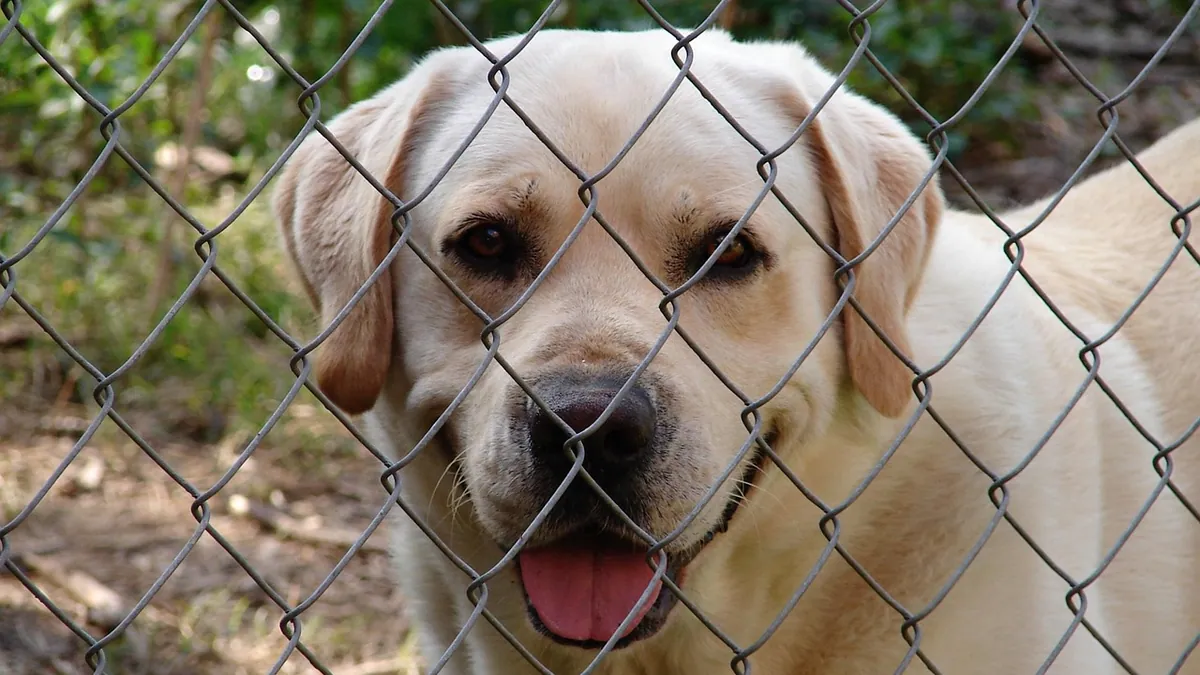
Dog diarrhea after kennel stay is common, and it often clears up on its own within a couple of days. When vomiting happens at the same time, though, the list of possible causes gets more serious, and contagious infections such as parvovirus or giardia move to the top of it. This article is educational and is not a substitute for veterinary diagnosis or treatment.
Quick Answer
- Mild diarrhea alone, with a dog who still eats, drinks, and acts normal, often resolves without treatment [1].
- Vomiting plus diarrhea together speeds up dehydration and is a reason to call your veterinarian promptly [1].
- Bloody diarrhea, black tarry stool, repeated vomiting, or a dog who will not eat needs same-day veterinary care [1].
- Keep your dog away from other dogs until a veterinarian clears them, because kennel-related infections spread easily.
- Do not give human anti-diarrheal or anti-nausea drugs unless your veterinarian prescribes them for your dog.
What You Are Seeing and What Is Normal
Vomiting is an active process. Your dog retches, drools, and uses abdominal muscles to bring up stomach or upper intestinal contents. Regurgitation is different. It is passive, the food often comes up undigested and tube-shaped, and it may follow coughing or trouble breathing [2].
Occasional vomiting on its own is usually not linked to other problems. Long-term or repeated vomiting can come with weakness, lethargy, weight loss, dehydration, and electrolyte imbalances [2].
Diarrhea means waste moves through the gut too fast for water to be absorbed. The result is loose or watery stool and fluid loss. Mild cases are usually uncomplicated, and the dog is otherwise happy and normal [1].
Put the two together and the fluid loss stacks up. Vomiting on top of diarrhea accelerates dehydration, which causes electrolyte imbalances, strains the kidneys, and in severe cases can lead to organ failure and death [1].
Main Causes of Dog Diarrhea and Vomiting After a Kennel Stay
Kennels put dogs in close contact, share water bowls and yards, and create stress. That combination opens the door to several problems.
| Cause | Typical clues | How urgent |
|---|---|---|
| Giardia | Soft to watery stool, often foul-smelling, may come and go. Common in group settings. | See your vet within a day or two. Some dogs develop long-term gut signs after infection [3]. |
| Parvovirus | Sudden severe vomiting, bloody diarrhea, lethargy, not eating. Unvaccinated or incompletely vaccinated dogs. | Emergency now. |
| Acute hemorrhagic diarrhea syndrome | Sudden bloody diarrhea, vomiting, often a previously healthy dog. | Same-day veterinary care. |
| Stress colitis | Loose stool starting within a day or two of boarding. Dog otherwise bright. | Monitor closely. Call your vet if it lasts past 48 to 72 hours [1]. |
| Diet change or scavenging | New food, treats, or garbage at the kennel. Vomiting and soft stool. | Monitor. Same-day care if vomiting repeats. |
| Intestinal obstruction | Vomiting, little or no stool, belly pain, decreased activity. | Emergency now. |
| Pancreatitis or organ disease | Repeated vomiting, belly pain, lethargy, not eating. | Same-day veterinary care. |
Vomiting has many possible causes, including digestive disease, kidney or liver failure, pancreatitis, nervous system disorders, and swallowed irritants or poisons [2]. A kennel stay does not rule those out, it just adds contagious infections to the list.
Giardia deserves special attention. A study of young dogs with acute giardiasis found that 29 percent went on to have chronic intestinal signs later in life, compared with 10 percent of control dogs. The same study found itching in 33 percent of the giardia group versus 8 percent of controls. Dogs with a higher acute diarrhea severity score that were treated with metronidazole had a higher risk of chronic gut signs [3]. That does not mean you should refuse treatment. It means follow-up matters, and your veterinarian will weigh the risks.
Acute hemorrhagic diarrhea syndrome is another condition seen in dogs with sudden bloody diarrhea and vomiting. Its triggers are still not fully understood, though toxin-producing Clostridium perfringens is suspected to play a role [4]. Weather and other environmental factors have been studied as possible triggers, but the picture is not settled [4].
If your dog recently finished a course of medication, diarrhea can also follow antibiotics. That pattern is covered in What to Do If Your Dog Has Diarrhea After Starting Antibiotics.
Red Flags That Mean Emergency Care Now
Some signs cannot wait for a morning appointment.
- Blood in the stool, or black tarry stool [1]
- Repeated vomiting, especially more than a few times in a few hours
- A dog who will not eat or drink [1]
- Lethargy or weakness [1]
- Diarrhea that does not improve within 48 to 72 hours [1]
- Signs of dehydration, such as tacky gums, skin that stays tented when gently pinched, or sunken eyes
- Vomiting that looks like it could be from a swallowed toy, bone, or foreign object
- A puppy under 6 months old with vomiting and diarrhea
- Known or suspected exposure to parvovirus
Puppies, seniors, and dogs with other health conditions decline faster. A puppy with vomiting and diarrhea can go from playful to critical in a single day.
If you are unsure whether the situation is an emergency, Dog Vomiting and Diarrhea: Home Care or Emergency? walks through the decision step by step.
Safe Home Care While You Wait for the Vet
Home care is for mild cases only. If your dog has any red flag above, skip this section and call your veterinarian or an emergency clinic.
Withhold food briefly, not water
A short break from food gives the gut time to settle. Never withhold water. Small, frequent sips help more than a big bowl at once.
Offer a bland diet
Mild diarrhea in dogs can often be managed at home with a bland diet such as boiled chicken or low-fat hamburger with white rice. Cooked pasta is another option. These foods are easy to digest and give the GI tract a break [1].
Feed small amounts several times a day instead of one large meal. Transition back to regular food over a few days once stool firms up.
Watch hydration closely
Vomiting plus diarrhea drains fluid fast [1]. Check your dog's gums and skin elasticity every few hours. If your dog refuses water or looks dull, call your veterinarian. Dog Dehydration Symptoms Diarrhea explains what to look for.
Skip human medications
Do not reach for over-the-counter anti-diarrheal or anti-nausea products. Your veterinarian calculates any medication dose from your dog's weight and health, and some human drugs are toxic to dogs.
Keep your dog isolated
Until your veterinarian rules out contagious disease, keep your dog away from dog parks, daycare, and other pets in the home. Wash your hands after contact and clean bowls and bedding.
If your dog's stool is yellow and watery along with the vomiting, Dog Vomiting Yellow And Diarrhea covers what that color can mean.
For a fuller home care plan, see Dog Diarrhea and Vomiting: Safe Home Care Steps.
What Your Veterinarian Will Check and Test
Your veterinarian starts with the story. When did signs begin? How many times has your dog vomited? What does the stool look like? Is your dog eating and drinking? Was the kennel stay recent, and is your dog vaccinated?
The physical exam checks hydration, gum color, belly pain, temperature, and body condition. Your vet may also check for lymph node enlargement, which can show up with immune stimulation. One case report described a puppy with vomiting and abdominal discomfort after vaccination who had enlarged lymph nodes and unusual blood counts that resolved on their own within 30 days [5]. That report is about a single dog, so it does not predict what will happen in your case, but it shows why vets look at the whole picture.
Common tests include:
- Fecal testing for giardia, parasites, and bacterial overgrowth
- Parvovirus testing in puppies or unvaccinated dogs
- Blood work to check organ function, electrolytes, and hydration
- X-rays or ultrasound if a foreign object or obstruction is possible
Imaging matters. One dog with vomiting and bloody stool turned out to have a rare stomach-fold intussusception, found on ultrasound and treated with endoscopy instead of surgery [6]. That condition is uncommon, but it shows how imaging can change the plan.
Treatment depends on the cause. Options include fluids under the skin or into a vein, anti-nausea medication, deworming or antiparasitic drugs, a prescription diet, and sometimes antibiotics. Your veterinarian sets every dose based on your dog's weight and health.
Prevention and Monitoring After Boarding
- Confirm vaccinations are current before any kennel stay, especially parvovirus and distemper.
- Ask the kennel about its cleaning routine and its policy on sick dogs.
- Bring your dog's own food so the diet does not change.
- Pack a favorite toy or blanket to lower stress.
- Ask whether the facility requires a recent fecal test or vaccine proof.
- After pickup, watch stool, appetite, and energy for at least a week.
Keep a simple log of vomiting episodes, stool appearance, water intake, and energy level. That record helps your veterinarian decide how urgent the case is.
If your dog has a known sensitive gut, talk with your vet before boarding about a plan for the first days home.
Limitations and When to Contact a Veterinarian
This article cannot tell you what is wrong with your dog. Individual cases need a veterinarian who can examine your pet, run tests, and set treatment.
Call an emergency clinic now if you see blood or black tarry stool, repeated vomiting, a dog who cannot keep water down, severe lethargy, or a puppy with sudden vomiting and diarrhea [1].
Call your veterinarian the same day if your dog is vomiting and has diarrhea together, refuses food, or seems painful in the belly [1].
Schedule a routine visit if diarrhea is mild, your dog is bright and eating, and the stool has not firmed up within 48 to 72 hours [1].
Trust your instincts. If your dog looks worse than the description here, seek care.
Frequently Asked Questions
How long does diarrhea last after a kennel stay?
Mild cases often settle within 48 to 72 hours. If it lasts longer than that, or if vomiting joins in, veterinary care should be sought [1]. Some dogs with giardia develop longer-lasting gut signs, so follow-up with your vet matters [3].
Can stress alone cause vomiting and diarrhea after boarding?
Stress can trigger loose stool and sometimes vomiting, but it is a diagnosis of exclusion. Contagious infections, diet changes, and swallowed objects cause the same signs. Your veterinarian may want to test for those before blaming stress.
Should I feed my dog during a bout of vomiting and diarrhea?
For mild cases, a bland diet of boiled chicken or low-fat hamburger with white rice can be offered in small amounts [1]. If your dog vomits the food back up, stop and call your veterinarian. A dog who will not eat at all needs same-day care [1].
Is my other dog at risk?
Yes, if the cause is contagious. Keep dogs separated, use separate bowls, and wash your hands between contacts until your veterinarian clears the sick dog. Giardia and parvovirus both spread easily in shared spaces.
When can my dog return to daycare or the dog park?
Only after your veterinarian confirms the diarrhea has resolved and any infection is cleared. Returning too early can spread illness to other dogs and may set your dog back. Ask your vet for a specific green light date.
Can my dog get sick from something at the kennel even if vaccinated?
Vaccines greatly lower the risk of severe parvovirus and distemper, but they do not cover every cause of vomiting and diarrhea. Giardia, stress colitis, diet changes, and bacterial overgrowth can affect vaccinated dogs too. That is why monitoring after pickup matters even when records are up to date.
Related Articles
- What to Do If Your Dog Has Diarrhea After Starting Antibiotics
- Dog Vomiting Yellow And Diarrhea
- Dog Diarrhea and Vomiting: Safe Home Care Steps
- Dog Vomiting and Diarrhea: Home Care or Emergency?
- Dog Dehydration Symptoms Diarrhea
- Dog Diarrhea After Eating: Causes and How to Help
- Dog Diarrhea After Boarding: Causes and What to Do
- Dog Diarrhea in the Crate or Kennel: Causes and Fixes
- Dog Diarrhea Without Vomiting: Causes and When to Call the Vet
- Canine Intestinal Parasites Causing Diarrhea: Diagnosis, Treatment, and Prevention
References
- Diarrhea. Cornell University College of Veterinary Medicine.
- Vomiting in Dogs - Dog Owners. Merck Veterinary Manual.
- Long-Term Follow-Up After Acute Gastroenteritis Caused by Giardia Infection in Juvenile Dogs. Journal of veterinary internal medicine, 2025.
- Presentations of idiopathic hemorrhagic diarrhea syndrome in dogs in relation to meteorological factors. Journal of veterinary internal medicine, 2026.
- Transient marked reactive lymphocytosis in a puppy suspected to be secondary to recent vaccination. The Journal of small animal practice, 2026.
- Endoscopic reduction of true gastrogastric intussusception in a dog. Journal of veterinary internal medicine, 2026.