Dog Diarrhea in the Crate or Kennel: Causes and Fixes
By Dr. Zubair Khalid, DVM, MS, PhD ·
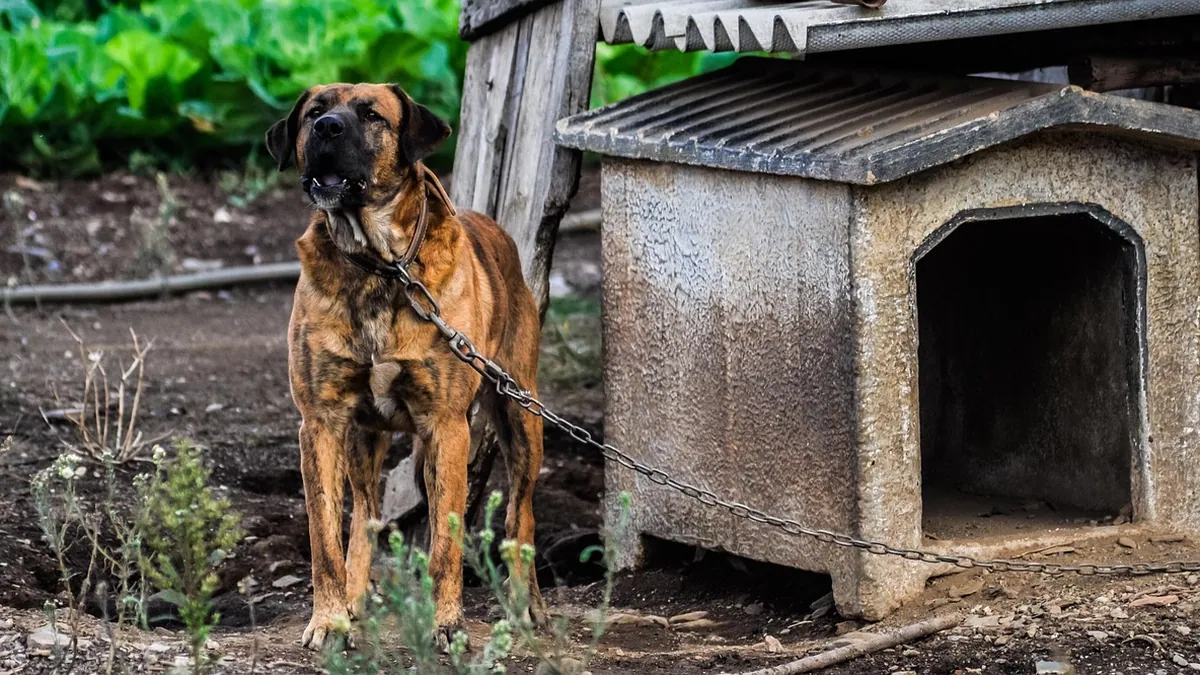
Dog diarrhea in crate or kennel situations is common, and it usually means something specific is going on. Stress and separation anxiety top the list, followed by infections and diet changes. The location matters because a dog who only soils the crate may be telling you the problem is tied to being alone or confined.
This article is educational and is not a substitute for veterinary diagnosis or treatment.
Quick Answer
- Diarrhea that happens only in the crate often points to stress, separation anxiety, or a schedule problem, not a random stomach bug.
- Most mild diarrhea in dogs clears up on its own, and many cases are self-limiting [1].
- A bland diet of boiled chicken or low-fat hamburger with white rice can help mild cases at home [1].
- Seek veterinary care if diarrhea lasts beyond 48 to 72 hours, or if your dog stops eating, acts lethargic, vomits, or has black or tarry stool [1].
- Puppies, seniors, and dogs with bloody diarrhea need faster attention because dehydration can build quickly [1].
What Dog Diarrhea in the Crate Looks Like
Diarrhea means stool that is looser or more frequent than normal. Water that should be absorbed through the GI tract passes through too fast and leaves the body with the waste [1]. In the crate, you may find:
- Soft piles or puddles instead of formed stool
- Stool smeared on the bedding, walls, or the dog's rear
- A dog who seems fine outside the crate but soils it when alone
- Straining, urgency, or accidents right after you leave
Normal stool is formed, easy to pick up, and fairly consistent day to day. A single soft stool after a new treat is not usually a crisis. Repeated loose stool, especially confined to the crate, deserves a closer look.
Main Causes of Dog Diarrhea in the Crate or Kennel
The crate itself is not the cause. What happens around crate time is. Here are the most common reasons, with clues that help you sort them out.
| Cause | Typical clues | How urgent |
|---|---|---|
| Stress or separation anxiety | Diarrhea only when alone or confined, normal stool when you are home, pacing, drooling, barking | Routine visit if it repeats |
| Diet change or table scraps | New food, treats, or garbage raiding in the last 24 to 48 hours | Monitor 24 to 48 hours |
| Intestinal infection (viral, bacterial, parasitic) | Diarrhea with vomiting, lethargy, fever, or blood, may affect multiple dogs | Same-day vet visit |
| Infectious colitis | Large-volume diarrhea, mucus, urgency, straining | Same-day vet visit |
| Hemorrhagic diarrhea syndrome | Sudden bloody diarrhea, often severe, previously healthy dog | Emergency now |
| Parasites | Chronic loose stool, weight loss, worms visible, kennel or daycare exposure | Routine visit with fecal test |
| Antibiotics or medication | Diarrhea starting days after a new drug | Call your vet |
Stress is a big one for crate-specific diarrhea. Dogs are social animals, and confinement without gradual training can trigger anxiety that shows up in the gut. If your dog also pees in the crate, that pattern often travels together. You can read more about that in Dog Peeing In Crate and, for younger dogs, Puppy Peeing In Crate.
Infections cause diarrhea when the intestinal lining is damaged. Viruses can attack the lining of the small intestine and cause severe, bloody diarrhea, and normal bacteria can then enter damaged tissue and the bloodstream [2]. The large intestine helps maintain fluid and electrolyte balance, and when it is inflamed by parasites or other causes, diarrhea is often the result [2].
Infectious colitis in dogs can come from bacteria, protozoa, worms, fungi, and other organisms, and exposure depends on the dog's age, immune status, and environment [3]. Parasites such as Trichuris vulpis and Tritrichomonas blagburni are common and should be routinely screened for [3]. That matters for kennel dogs, daycare dogs, and dogs from shelters.
Acute hemorrhagic diarrhea syndrome is a sudden, severe form that can affect otherwise healthy dogs. Recent findings suggest a role for toxin-producing Clostridium perfringens, though the triggers for toxin production and the onset of the syndrome are not known [4]. Weather has been studied as a possible trigger, but this is still an open question [4].
Red Flags That Mean Emergency
Some signs mean you should stop reading and call a veterinarian now.
- Black or tarry stool [1]
- Vomiting along with diarrhea [1]
- Your dog stops eating or acts lethargic [1]
- Diarrhea that does not resolve in 48 to 72 hours [1]
- Blood in the stool, especially large amounts
- A puppy, senior, or dog with a chronic illness
- Signs of dehydration: tacky gums, skin that stays tented, sunken eyes
Dehydration is the main danger. It causes electrolyte imbalances, strains the kidneys, and can lead to organ failure and death [1]. Vomiting speeds that process up [1]. Do not wait to see if it passes if your dog looks unwell.
Safe Things You Can Do at Home While You Wait
For a dog who is otherwise happy and normal, mild diarrhea can often be managed at home [1].
Offer a bland diet. Boiled chicken or low-fat hamburger with white rice is easy to digest and gives the GI tract a break [1]. Cooked pasta is another option [1]. Feed small amounts more often instead of one big meal.
Keep water available. Dehydration is the biggest risk, so fresh water at all times matters. Some dogs do better with small, frequent sips.
Skip rich treats and table food. No grease, no dairy, no new chews until the stool is back to normal.
Clean the crate well. Use a pet-safe cleaner and wash bedding in hot water. If an infection is involved, this lowers the load your dog is exposed to.
Do not reach for human diarrhea medicine. Doses for dogs are set by your veterinarian based on weight and health. Giving a human product without guidance can be harmful.
If you want more detail on home care, see How To Cure Dog Diarrhea At Home and Natural Remedy Diarrhea In Dogs. If the diarrhea started after a prescription, read What to Do If Your Dog Has Diarrhea After Starting Antibiotics.
Probiotics are a common option for diarrhea in dogs, and a small pilot study looked at a probiotic blend of live Peptacetobacter hiranonis, Megamonas funiformis, and Enterococcus faecium strains originally isolated from a healthy dog [5]. This is early research, so ask your veterinarian before starting any product.
What Your Veterinarian Will Check and Test
Your vet starts with the story. When did it start? Does it only happen in the crate? What changed in diet, schedule, or environment? Bring a fresh stool sample if you can.
The physical exam checks hydration, gum color, belly pain, temperature, and body condition. From there, common tests include:
- Fecal flotation and other stool tests for parasites and infectious agents [3]
- Bloodwork to check hydration, electrolytes, and organ function
- Imaging if the vet suspects a blockage or deeper problem
- Specific testing if bacterial colitis is suspected
For bacterial colitis, management focuses on supportive care and treating the underlying cause instead of routine antibiotics [3]. That matters because antibiotics can harm the gut microbiome over time and add to antimicrobial resistance [5]. Some infections, such as certain fungal or algal diseases, need long, multi-drug treatment, and Escherichia coli-associated granulomatous colitis requires a tissue diagnosis and antibiotics chosen by susceptibility testing [3].
Treatment often includes fluids, a prescription diet, anti-nausea medication, and a dewormer if parasites are found. Your vet sets every dose based on your dog's weight and health.
Preventing Dog Diarrhea in the Kennel and Crate
Prevention comes down to routine, training, and hygiene.
Build crate comfort slowly. Feed meals in the crate, leave the door open at first, and reward calm behavior. A dog who is relaxed in the crate is less likely to have stress diarrhea.
Keep a consistent diet. Sudden food switches are a common trigger. Transition over several days if you must change food.
Stick to a schedule. Regular potty breaks reduce the chance your dog has to hold it too long, which can worsen urgency.
Practice good kennel hygiene. If your dog visits daycare, boarding, or shows, ask about cleaning protocols and vaccination requirements. Parasites and infectious colitis spread easily in group settings [3].
Stay current on preventives. Flea, tick, and worm prevention lowers the parasite risk that can cause chronic loose stool.
Track the pattern. Note when diarrhea happens, what it looks like, and what your dog ate. This record helps your vet narrow the cause fast.
Limitations and When to Contact a Veterinarian
This article cannot tell you what is wrong with your specific dog. Individual cases need a veterinarian who can examine your pet and run tests.
Contact your veterinarian the same day if your dog has vomiting with diarrhea, seems painful, has a fever, or the stool contains blood or mucus [1].
Go to an emergency clinic now if the diarrhea is black or tarry, your dog is collapsed or unresponsive, or you see repeated vomiting with inability to keep water down [1]. Puppies and seniors decline faster, so use a lower threshold for seeking care.
Schedule a routine visit if the diarrhea keeps coming back, happens only in the crate, or lasts more than a couple of days without improving [1]. Chronic diarrhea has many possible causes, and accurate diagnosis of the underlying problem is what guides effective treatment [6].
Frequently Asked Questions
Why does my dog only have diarrhea in the crate?
Stress and separation anxiety are the most likely reasons when stool is normal at other times. Confinement without gradual training can trigger gut symptoms in sensitive dogs. If it repeats, have your vet rule out infection and parasites before assuming it is behavioral.
Can stress really cause diarrhea in dogs?
Yes. Anxiety affects gut motility and fluid handling, and dogs who are stressed by confinement may have loose stool only in that setting. The fix combines gradual crate training with a vet check to rule out medical causes.
How long should I wait before calling the vet?
Call if diarrhea lasts more than 48 to 72 hours, or sooner if your dog stops eating, vomits, or acts lethargic [1]. Any black or tarry stool is a reason to call right away [1].
Should I give my dog probiotics for crate diarrhea?
Probiotics are a reasonable topic to raise with your vet, and early research on specific strains is promising [5]. Strain choice and dose matter, so let your veterinarian pick the product. Do not rely on probiotics alone if your dog has red-flag signs.
Can I use human anti-diarrhea medicine?
No, not without veterinary guidance. Doses for dogs are calculated by your veterinarian from your dog's weight and health. Some human products are unsafe for dogs, so call your vet first.
Related Articles
- Dog Peeing In Crate
- Natural Remedy Diarrhea In Dogs
- Puppy Peeing In Crate
- What to Do If Your Dog Has Diarrhea After Starting Antibiotics
- How To Cure Dog Diarrhea At Home
- Dog Diarrhea After Eating: Causes and How to Help
- Dog Diarrhea After Boarding: Causes and What to Do
- Dog Diarrhea and Vomiting After a Kennel Stay
- Why Does My Dog Have Diarrhea? Causes in Dogs and Puppies
- Canine Intestinal Parasites Causing Diarrhea: Diagnosis, Treatment, and Prevention
References
- Diarrhea. Cornell University College of Veterinary Medicine.
- Disorders of the Stomach and Intestines in Dogs - Dog Owners. Merck Veterinary Manual.
- Infectious Colitis in Dogs and Cats: Diagnosis, Management, and Clinical Outcomes. The Veterinary clinics of North America. Small animal practice, 2026.
- Presentations of idiopathic hemorrhagic diarrhea syndrome in dogs in relation to meteorological factors. Journal of veterinary internal medicine, 2026.
- Pilot study evaluating tolerability and changes in fecal microbiota associated with novel probiotic administration to dogs with diarrhea. Frontiers in veterinary science, 2025.
- Feline chronic diarrhea: causes and nutritional management. Veterinary and animal science, 2026.