Dog Diarrhea in Heat and During the Heat Cycle
By Dr. Zubair Khalid, DVM, MS, PhD ·
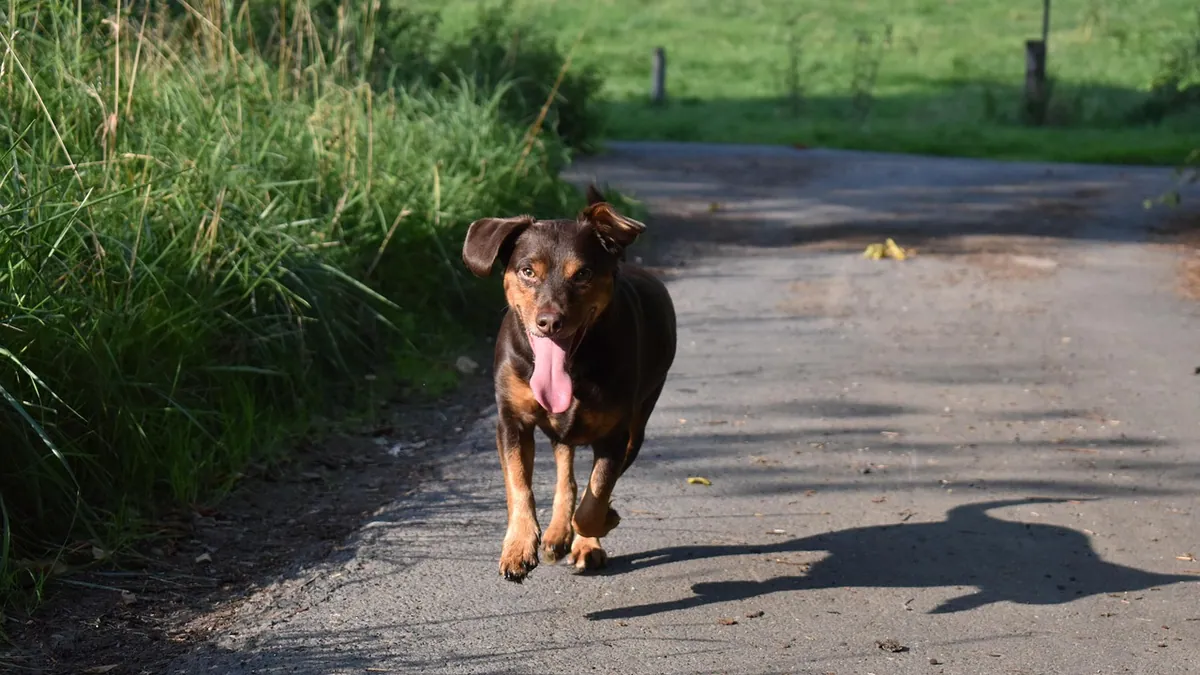
Dog diarrhea in heat usually means one of two things, and they are not the same problem. Your dog may have diarrhea during her estrus (heat) cycle because of hormonal and behavioral changes, or she may have diarrhea in hot weather because of heat stress, spoiled food, or a gut infection. Most mild cases clear up on their own, but some are emergencies that need care within hours.
This article is educational and is not a substitute for veterinary diagnosis or treatment.
Quick Answer
- "In heat" can mean the reproductive cycle or hot weather. Ask which one applies before you guess at a cause.
- Diarrhea during the heat cycle is often mild and linked to stress, appetite changes, or a uterine infection called pyometra, which is an emergency.
- Diarrhea in hot weather is often linked to heat stress, dehydration, spoiled food, or contaminated water.
- Most mild diarrhea in an otherwise happy dog can be watched for 48 to 72 hours with a bland diet and plenty of water [1].
- Call your veterinarian the same day if your dog stops eating, acts lethargic, vomits, has black or tarry stool, or has bloody diarrhea [1].
What Dog Diarrhea in Heat Looks Like and What Is Normal
Normal dog stool is firm, log shaped, and easy to pick up. Diarrhea is stool that is loose, watery, or passed more often than usual. You may also see mucus, a change in color, or a sudden urgency to go outside.
When a dog has diarrhea, water and nutrients move through the intestinal tract too fast. The body cannot absorb the water it needs, so the water leaves with the waste [1]. That is why dehydration is the main risk with any bout of diarrhea, no matter the cause.
A single soft stool after a new treat is not usually a crisis. Repeated watery stools, large volume, or diarrhea that lasts more than two or three days is a different story. Mild cases are usually uncomplicated, and the dog is otherwise happy and normal [1].
The Two Meanings of "Heat" and Why They Get Confused
Owners often search for dog diarrhea in heat after a hot summer walk or after their female dog enters her season. Those are separate events.
Hot weather diarrhea points to heat stress, heat exhaustion, spoiled food, or water that has grown bacteria in the bowl. The heat cycle, also called estrus, is a hormonal phase in unspayed female dogs. The two can overlap in July, which is why the confusion happens.
If your dog has been in high temperatures and also has diarrhea, treat the heat exposure as the more urgent problem. Read Dog Heat Related Illness for how heat injury develops. If the diarrhea started a day or two after a hot event, see Dog Heat Stroke Days After Diarrhea.
Causes of Diarrhea During the Heat Cycle
Stress and routine changes
A female dog in heat may pace, whine, mark more, and eat less. Stress alone can loosen stool. So can a sudden change in how much she eats or drinks. This type of diarrhea is usually mild and short lived.
Appetite changes and scavenging
Dogs in heat sometimes eat less at meals and then scavenge more. In one study, dogs that had recently eaten table scraps or trash were more likely to shed Campylobacter jejuni, a bacterium linked to diarrhea, than dogs without that history (9.6% versus 2.0%) [2]. Keep the trash can closed and skip the table scraps during her cycle.
Pyometra (a true emergency)
Pyometra is a pus-filled uterine infection that can develop after a heat cycle. It can cause diarrhea, vomiting, lethargy, drinking more, and a swollen belly. Some dogs have a foul discharge, but others have a closed uterus with no discharge at all. This is a life threatening condition that needs emergency care. Do not wait to see if it passes.
Normal estrus discharge mistaken for diarrhea
Some owners see blood or discharge near the tail and assume it came from the rectum. Check the source. Vaginal bleeding during estrus is normal. Blood in the stool is not.
Causes of Diarrhea in Hot Weather
Heat stress and heat exhaustion
Heat stress pulls blood flow away from the gut and toward the skin to cool the body. That can injure the intestinal lining and cause diarrhea, sometimes with vomiting or blood. This is a medical emergency, not a wait and see problem. See Dog Heat Exhaustion Diarrhea: Thermal GI Injury, Cooling DOs & DON'Ts & ER Triage for cooling steps and triage guidance.
Spoiled food and dirty water
Bacteria grow fast in warm food and standing water. A bowl that sits in the sun all afternoon is a risk. So is a bag of food stored in a hot garage.
Infectious causes
Several bacteria and viruses cause diarrhea in dogs. Campylobacter jejuni is more common in puppies (14.3%) than in adult dogs (2.8%) [2]. Diarrheagenic E. coli was found in about 48% of diarrheic dogs in one study, and Salmonella was found in a higher share of diarrheic dogs than healthy ones [3]. These findings show that many different organisms can be involved, and testing is often needed to sort them out.
Weather linked gut disease
Acute hemorrhagic diarrhea syndrome (AHDS) is a sudden, severe, bloody diarrhea in dogs. Its exact trigger is not known, but researchers have looked at weather conditions and weather changes as possible factors [4]. If your dog has sudden bloody diarrhea, treat it as urgent.
Table: Cause, Clues, and Urgency
| Cause | Typical clues | How urgent |
|---|---|---|
| Heat stress or heat exhaustion | Heavy panting, drooling, weakness, diarrhea after heat exposure | Emergency now |
| Pyometra | Recent heat cycle, lethargy, vomiting, drinking more, swollen belly | Emergency now |
| Stress of estrus | Mild loose stool, normal energy, appetite mostly fine | Monitor 48 to 72 hours |
| Spoiled food or trash | Sudden diarrhea after scavenging, may vomit | Call if it lasts past 48 to 72 hours or the dog declines [1] |
| Bacterial infection (Campylobacter, E. coli, Salmonella) | Watery or bloody stool, sometimes fever, more common in puppies [2] | Same day call |
| Acute hemorrhagic diarrhea syndrome | Sudden large volume bloody diarrhea, often severe | Emergency now |
| Parvovirus in an unvaccinated dog | Bloody diarrhea, vomiting, dullness, loss of appetite, rapid decline | Emergency now [5] |
Red Flags That Make It an Emergency
Get emergency care right away if you see any of these:
- Black or tarry stool, or obvious blood in the stool [1]
- Vomiting along with the diarrhea [1]
- A dog that will not eat or is lethargic [1]
- Diarrhea that does not improve within 48 to 72 hours [1]
- Signs of heat stroke: heavy panting, bright red gums, wobbling, collapse
- Signs of pyometra: recent heat cycle plus vomiting, lethargy, or a swollen belly
- A puppy with diarrhea, since young dogs can decline within hours [5]
Parvovirus is a good example of why speed matters. The virus attacks the lining of the small intestine and causes severe damage and bloody diarrhea, and normal gut bacteria can enter the damaged tissue and bloodstream [5]. Severely affected dogs may be in shock, and some die within hours of the first signs [5].
Dehydration is the other fast moving risk. Vomiting with diarrhea speeds it up, and dehydration causes electrolyte imbalances, strains the kidneys, and can lead to organ failure and death [1]. Learn the early signs in Dog Dehydration Symptoms Diarrhea.
Safe Things You Can Do at Home While You Wait
Offer water often
Small, frequent drinks are easier on the stomach than a big bowl at once. Add a second water bowl in a cool spot. If your dog refuses water for more than a few hours, call your veterinarian.
Feed a bland diet
For mild cases, a bland diet such as boiled chicken or low fat hamburger with white rice can help. Cooked pasta is another option. These foods are easy to digest and give the GI tract a break [1]. Offer small amounts several times a day.
Skip the guesswork on medicine
Do not give human anti-diarrheal drugs or leftover antibiotics. Your veterinarian calculates any dose from your dog's weight and health, and some human medicines are toxic to dogs.
Keep her cool and quiet
Move your dog to air conditioning or shade. Limit exercise during hot hours. If she is in heat, keep her away from male dogs and give her a quiet space.
Track the details
Write down when the diarrhea started, how many stools per day, the color and consistency, and whether she is eating, drinking, and acting normal. This helps your veterinarian decide how urgent the case is.
Probiotics
Probiotics are a common add-on for canine diarrhea, and researchers are still working out which strains help and how they change the gut microbiome [6]. Ask your veterinarian which product, if any, fits your dog.
What Your Veterinarian Will Check and Test
Your veterinarian will start with a full history and a physical exam. Expect questions about heat exposure, the last heat cycle, diet changes, trash access, travel, and other pets in the home.
Common tests include:
- A stool check for parasites and bacteria
- Blood work to look at hydration, electrolytes, and organ values
- A parvovirus test in puppies or unvaccinated dogs [5]
- Imaging if a blockage or uterine problem is suspected [5]
Treatment depends on the cause. Mild cases may need only a bland diet and monitoring [1]. More serious cases may need fluids, anti-nausea medicine, or antibiotics. Antibiotics are not automatic. They can harm the long term gut microbiome and drive antimicrobial resistance, so veterinarians use them when the evidence supports it [6].
Prevention and Monitoring
- Keep food and water bowls clean and out of direct sun.
- Store food in a cool, dry place.
- Walk your dog in the early morning or evening during hot spells.
- Never leave a dog in a parked car.
- Watch unspayed females closely for two to four weeks after a heat cycle for signs of pyometra.
- Keep puppies on their vaccine schedule, since parvovirus is most dangerous to them [5].
- Spay your dog if you are not breeding her. This removes the risk of pyometra and the estrus cycle entirely.
- If diarrhea is mild and your dog is acting normal, see Dog Diarrhea but Acting Normal: Should You Worry?.
Limitations and When to Contact a Veterinarian
This article covers common patterns, not your individual dog. Every case needs a veterinarian who can examine your pet, ask about her heat cycle and heat exposure, and run tests when needed.
Call your veterinarian the same day if your dog stops eating, is lethargic, vomits with the diarrhea, has black or tarry stool, or the diarrhea lasts past 48 to 72 hours [1].
Go to an emergency clinic now if you see collapse, heavy panting with a high body temperature, bloody diarrhea with weakness, a swollen belly after a recent heat cycle, or a puppy that is fading fast [5].
If you are unsure which category your dog fits, call and describe the signs. A phone call costs nothing and can save hours.
Frequently Asked Questions
Can a dog get diarrhea from being in heat?
Yes, but it is usually mild. Stress, appetite changes, and scavenging during estrus can loosen stool. A more serious concern is pyometra, a uterine infection that can cause diarrhea, vomiting, and lethargy after a heat cycle and needs emergency care.
Does hot weather cause diarrhea in dogs?
Hot weather itself does not always cause diarrhea, but the problems that come with it do. Heat stress can injure the gut, and warm food and standing water grow bacteria fast. If diarrhea follows heat exposure with panting or weakness, treat it as an emergency.
How long should I wait before calling the vet?
For a mild case in a happy, eating dog, you can monitor for 48 to 72 hours with a bland diet and water [1]. Call sooner if the dog stops eating, acts tired, vomits, or has blood in the stool.
What should I feed a dog with diarrhea?
A bland diet of boiled chicken or low fat hamburger with white rice is a common choice, and cooked pasta works too [1]. Feed small amounts several times a day. Ask your veterinarian how long to stay on it and how to switch back to regular food.
Can I give my dog human diarrhea medicine?
No, not without asking your veterinarian first. Doses depend on your dog's weight and health, and some human medicines are dangerous for dogs. Your veterinarian can recommend a safe option for your pet.
Related Articles
- Dog Heat Stroke Days After Diarrhea
- Dog Heat Related Illness
- Dog Heat Exhaustion Diarrhea: Thermal GI Injury, Cooling DOs & DON'Ts & ER Triage
- Dog Diarrhea but Acting Normal: Should You Worry?
- Dog Dehydration Symptoms Diarrhea
- Stop Dog In Heat
- Dog Heat Cycle Bleeding: How Much Is Normal and When It Stops
- Why Does My Dog Have Diarrhea? Causes in Dogs and Puppies
- Why Does My Dog Keep Having Diarrhea? Causes and Next Steps
References
- Diarrhea. Cornell University College of Veterinary Medicine.
- Fecal Campylobacter jejuni shedding in healthy dogs and dogs with acute diarrhea in central New York. American journal of veterinary research, 2026.
- Detection, identification, and co-carriage patterns of different bacterial and yeast pathogens isolated from diarrheic and apparently healthy dogs and cats. Comparative immunology, microbiology and infectious diseases, 2026.
- Presentations of idiopathic hemorrhagic diarrhea syndrome in dogs in relation to meteorological factors. Journal of veterinary internal medicine, 2026.
- Disorders of the Stomach and Intestines in Dogs - Dog Owners. Merck Veterinary Manual.
- Pilot study evaluating tolerability and changes in fecal microbiota associated with novel probiotic administration to dogs with diarrhea. Frontiers in veterinary science, 2025.