Signs of an Upset Stomach in Dogs and What to Do
By Dr. Zubair Khalid, DVM, MS, PhD ·
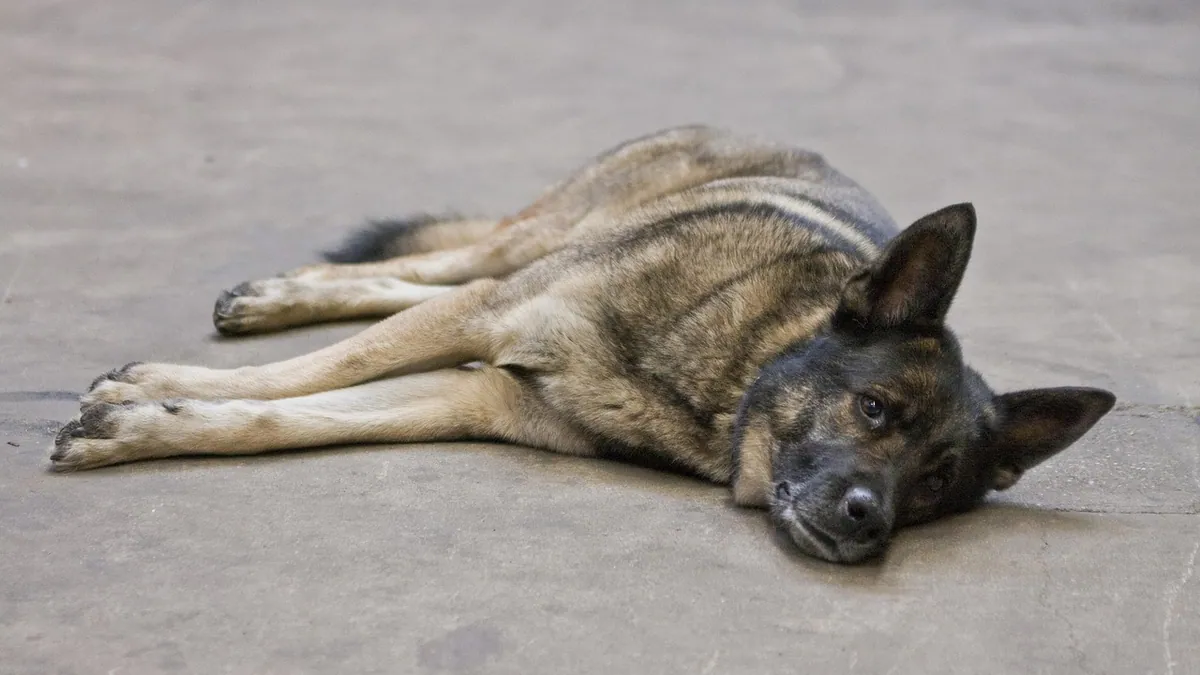
Most mild dog stomach upset shows up as one or two episodes of vomiting, soft stool, or a skipped meal, and the dog still acts fairly normal. You can often tell if your dog just has an upset stomach by watching energy level, gum color, and whether vomiting or diarrhea keeps repeating. This article is educational and is not a substitute for veterinary diagnosis or treatment.
Quick Answer
- A single vomit or one loose stool in a dog that still wags, drinks, and wants to go outside is usually mild and can be watched at home for 12 to 24 hours.
- Repeated vomiting, a hard swollen belly, unproductive retching, or a dog that will not stand up are emergency signs and need a vet right away.
- Vomiting that lasts less than 3 to 4 days with no other signs often needs only a basic exam and simple testing [1].
- Never give human stomach medicine without asking your vet, because the dose depends on your dog's weight and health.
- Sudden bloody diarrhea in an otherwise healthy adult dog can be a serious condition called acute hemorrhagic diarrhea syndrome, so call your vet the same day [2].
What an Upset Stomach Looks Like in Dogs
Vomiting is the forceful ejection of stomach and upper intestinal contents [1]. It usually comes after warning signs like nausea, drooling, retching, and strong abdominal contractions [1]. That is different from regurgitation, which is a passive spill of food with no belly effort.
Normal dogs vomit occasionally. They may eat grass, throw up once, and act fine within an hour. A single soft stool after a diet change or a new treat is also common. The question is whether your dog looks well between episodes.
Signs that point to a real stomach upset include:
- Vomiting once or twice in a day
- Soft or watery stool
- Lip licking, drooling, or gulping
- Eating less or skipping one meal
- Mild gurgling sounds from the belly
- Restlessness or pacing
Signs that point to something worse include a dog that cannot keep water down, vomits many times in a few hours, has a belly that looks or feels tight, or seems painful when you touch the abdomen.
Main Causes and How Urgent They Are
Many things cause stomach upset in dogs. Some are minor and pass in a day. Others are life threatening within hours. The table below groups the most common causes by how they usually look and how fast you need to act.
| Cause | Typical clues | How urgent |
|---|---|---|
| Dietary indiscretion (garbage, table scraps, new food) | One or two vomits, soft stool, dog still bright | Monitor at home, call vet if it lasts past 24 hours |
| Viral or bacterial gut infection | Dullness, poor appetite, fever, then vomiting and bloody diarrhea within 1 to 2 days [3] | See a vet within a day, sooner if bloody |
| Giardia or other parasite infection | Ongoing soft stool, weight loss, young dog | Routine visit, stool testing |
| Pancreatitis | Repeated vomiting, belly pain, hunched posture, not eating | Same-day vet visit |
| Bloat (gastric dilatation and volvulus) | Large meal then exercise, restless, unproductive retching, swollen belly, rapid breathing [3] | Emergency now |
| Foreign object or blockage | Vomiting, abdominal pain, no stool, lethargy [3] | Emergency now |
| Toxin or poison ingestion | Sudden vomiting, drooling, tremors, weakness [1] | Emergency now |
Some gut infections spread easily between dogs. An infected dog may be contagious before signs start, and close contact with a dog shedding high levels of virus raises the risk of infection [3]. That is one reason to keep a vomiting dog away from other pets until your vet clears it.
Giardia is a common parasite in young dogs. A 2025 study found that puppies with acute Giardia gastroenteritis had more long-term gut signs and itching later in life than dogs without that history [4]. If your puppy has repeated soft stool, stool testing is worth doing early.
Weather may play a small role in some sudden bloody diarrhea cases. A 2026 study looked at dogs with acute gastrointestinal signs and found that idiopathic acute hemorrhagic diarrhea syndrome may be linked to certain weather patterns [2]. The exact triggers are still not well established in veterinary research.
If your dog's belly looks swollen or hard, read more about why a dog's stomach can look bloated and hard and the symptoms of a swollen stomach.
Red Flags That Mean Emergency
Some signs mean you should stop watching at home and go to a veterinary hospital now.
- Repeated dry retching with nothing coming up
- A belly that is hard, tight, or visibly swollen
- Rapid or labored breathing
- Pale or white gums
- Weak, rapid pulse or collapse
- Severe pain when the belly is touched
- Vomiting blood or material that looks like coffee grounds
- Bloody diarrhea with weakness or shock
- Known or suspected eating of a toxin, human medication, or foreign object
- A dog that cannot stand or seems unaware
Bloat is the classic emergency. Dogs with bloat often have eaten a large meal followed by exercise and then make repeated, unsuccessful attempts to vomit [3]. Other signs include restlessness, discomfort, rapid breathing, abdominal pain and swelling, and heavy drooling [3]. Your vet may find a rapid weak pulse, pale mucous membranes, and other signs of shock, and an irregular heart rate can also develop [3]. X-rays are usually used to diagnose stomach rotation [3].
If you see these signs, do not wait to see if it passes. Call your emergency clinic and go.
Safe Things to Do at Home While You Wait
If your dog is bright, drinking, and has only mild signs, a short period of home care is reasonable. The goal is to rest the stomach and watch for any change for the worse.
Withhold food briefly, not water
Most vets suggest a short fast of 12 to 24 hours for an adult dog with mild vomiting. Do not withhold water. Small, frequent sips help prevent dehydration. Puppies, seniors, and dogs with other health problems should not be fasted without talking to your vet first.
Offer small bland meals
After the fast, offer a few tablespoons of plain cooked white rice with boiled skinless chicken. If that stays down, give a slightly larger portion a few hours later. Go back to regular food over two to three days.
Keep the environment calm
Stress can trigger or worsen gut signs [3]. Keep your dog quiet, away from other pets, and away from table scraps or trash. A 2026 study found that dogs with recent access to table scraps or trash were more likely to test positive for Campylobacter, a bacteria linked to diarrhea [5]. That is a good reason to keep the lid on the can.
Do not give human medications
Do not reach for over-the-counter stomach remedies without asking your vet. The dose depends on your dog's weight and health, and some human drugs are toxic to dogs. If you are wondering about a specific product, read can you give your dog Tums for an upset stomach before you give anything.
For more options, see dog upset stomach home remedies and what to avoid.
Track everything
Write down the time of each vomit or stool, what it looked like, and how your dog acted afterward. This history helps your vet decide what testing is needed.
What Your Veterinarian Will Check and Test
When you bring your dog in, the visit usually starts with questions. Your vet will ask about possible access to garbage or poisons, when signs started, and whether your dog is eating and drinking [1]. Then comes a physical exam that includes the abdomen, the mouth, and a rectal exam to check for blood or evidence of eating inappropriate items [1].
X-rays are appropriate for most vomiting dogs because they can find life-threatening problems like a swallowed object [1]. Blood, urine, and fecal tests may also be ordered [1]. If nothing serious turns up, treatment to relieve signs may be all that is needed [1].
Fluid therapy is a common part of treatment. Vomiting and diarrhea often disrupt fluid, electrolyte, and acid-base balance, so vets use a phased approach that includes resuscitation, optimization, stabilization, and de-escalation [6]. That means the amount and type of fluid is tailored to your dog, not given as a one-size-fits-all bag.
If your dog has a swollen, painful belly, your vet may also check for a diaphragmatic hernia. A 2026 review of 20 dogs with this rare condition found that vomiting was the most common sign, followed by fast breathing and trouble breathing, and the stomach was the most frequently herniated organ [7]. This is uncommon, but it shows why imaging matters when signs do not fit a simple stomach bug.
Prevention and Monitoring
You cannot prevent every stomach upset, but you can lower the odds.
- Keep trash, compost, and human food out of reach.
- Introduce new foods slowly over several days.
- Avoid sudden changes in diet or feeding schedule.
- Do not let your dog exercise hard right after a large meal.
- Keep up with parasite prevention and stool checks, especially in puppies.
- Watch for early signs like drooling, lip licking, or a skipped meal.
If your dog has had one mild episode and is back to normal within a day, you can return to normal feeding and keep an eye out for a repeat. If episodes keep happening, keep a log and schedule a routine visit.
Limitations and When to Contact a Veterinarian
This article cannot tell you what is wrong with your specific dog. Only a veterinarian who examines your dog can do that. Use the timing below as a guide.
Emergency now: repeated unproductive retching, a hard or swollen belly, trouble breathing, pale gums, collapse, vomiting blood, bloody diarrhea with weakness, or known toxin ingestion. Go to an emergency clinic.
Same day: vomiting more than three or four times in a few hours, vomiting that lasts past 24 hours, a dog that cannot keep water down, belly pain, or a puppy or senior dog with any of these signs.
Routine visit: soft stool for more than two days, mild vomiting that comes and goes, weight loss, or a young dog with ongoing loose stool that may need stool testing.
If you are unsure, call your vet's office. A phone call is cheaper than a missed emergency.
Frequently Asked Questions
How long should I wait before calling the vet?
For an adult dog with one or two vomits and normal energy, a 12 to 24 hour wait is reasonable. Call sooner if your dog is a puppy, senior, pregnant, or has another health condition. Call right away if you see any red flag sign.
Can I give my dog plain rice and chicken?
Yes, plain cooked white rice with boiled skinless chicken is a common bland meal for dogs with mild stomach upset. Offer small amounts and stop if vomiting returns. This is not a complete diet, so use it only for a day or two.
Is it safe to fast my dog?
A short fast of 12 to 24 hours is often fine for healthy adult dogs with mild vomiting. Do not fast puppies, seniors, or dogs with diabetes or other conditions without asking your vet. Always keep water available.
What if my dog vomits after drinking water?
Stop offering large amounts and switch to small sips every 15 to 20 minutes. If your dog vomits even small amounts of water, or cannot keep anything down for more than a few hours, call your vet the same day.
Could this be pancreatitis?
Pancreatitis is possible when a dog has repeated vomiting, belly pain, a hunched posture, and refuses food. It is more common after a fatty meal or table scraps. Your vet can check bloodwork to look for it, and treatment often includes fluids and supportive care.
Related Articles
- Why Is My Dog's Stomach So Bloated And Hard
- Dog Swollen Stomach Symptoms
- Can You Give Your Dog Tums for an Upset Stomach?
- Dog Swollen Stomach Pain
- Dog Upset Stomach: Safe Home Remedies and What to Avoid
- Why Is My Dog whimpering when touched on belly? Pancreatitis and Peritonitis Signs
- What Can I Give My Dog for an Upset Stomach?
- Dog Stomach Medicine: Gas, Upset Stomach, and Digestion
- Twisted Stomach in Dogs: Signs, Causes, and Emergency Care
References
- Vomiting in Dogs - Dog Owners. Merck Veterinary Manual.
- Presentations of idiopathic hemorrhagic diarrhea syndrome in dogs in relation to meteorological factors. Journal of veterinary internal medicine, 2026.
- Disorders of the Stomach and Intestines in Dogs - Dog Owners. Merck Veterinary Manual.
- Long-Term Follow-Up After Acute Gastroenteritis Caused by Giardia Infection in Juvenile Dogs. Journal of veterinary internal medicine, 2025.
- Fecal Campylobacter jejuni shedding in healthy dogs and dogs with acute diarrhea in central New York. American journal of veterinary research, 2026.
- Fluid and Electrolyte Therapy in the Patient with Vomiting and Diarrhea. The Veterinary clinics of North America. Small animal practice, 2026.
- Canine pleuroperitoneal diaphragmatic hernias: a multicentric, retrospective, observational analysis of 20 dogs (2009-2026). The Journal of small animal practice, 2026.