Do Cats Fart? Causes of Gas in Cats
By Dr. Zubair Khalid, DVM, MS, PhD ·
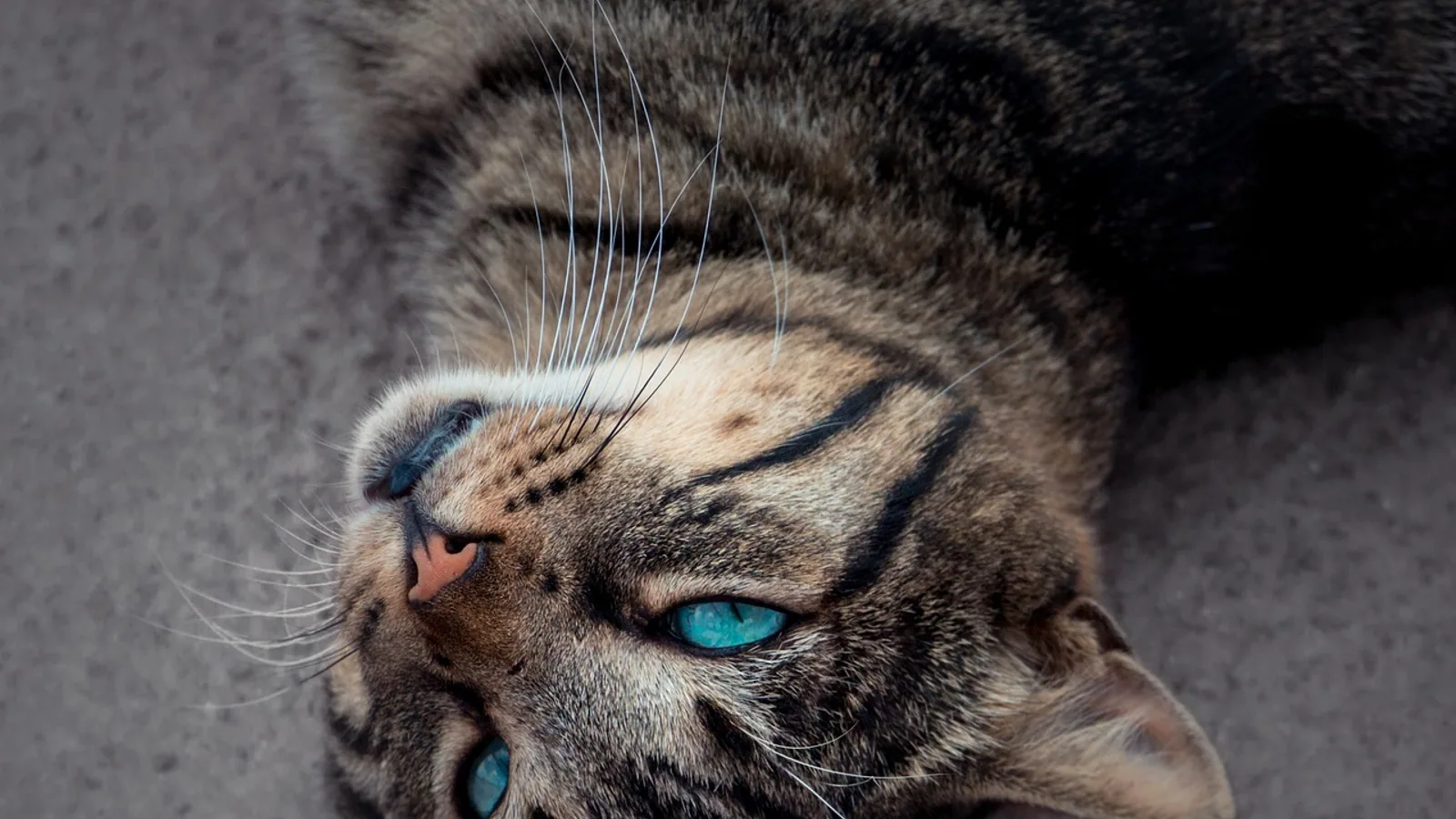
Yes, cats fart. Every healthy cat produces intestinal gas and passes it, though most owners rarely notice because cats are obligate carnivores with a short, fast-moving digestive tract that generates far less fermentation gas than a dog or a human.
That short answer covers the biology, but it leaves the practical questions open. Why does one cat pass silent gas a few times a day while another clears a room? When does flatulence stop being a quirk and start being a symptom? And what does gas inside a cat's intestines actually tell a veterinarian? This guide answers those questions using the veterinary literature on feline gastrointestinal disease, from dietary protein studies to case reports of intestinal obstruction and hepatic portal gas.
This article is educational and is not a substitute for veterinary diagnosis or treatment.
The Short Answer: Can Cats Fart?
Can cats fart? Yes. Flatulence is a normal byproduct of digestion in cats, just as it is in people and dogs. The difference is volume and frequency.
A cat's gastrointestinal tract is built for meat. The colon of an obligate carnivore is short and does relatively little bacterial fermentation compared with the long, fermentation-heavy colon of a dog eating a mixed diet or a human eating fiber and starch. Fermentation of undigested carbohydrate by colonic bacteria is the main source of intestinal gas in most species, so a shorter colon doing less fermentation means less gas to pass [1].
That single anatomical fact explains most of what owners observe. Cats fart, but quietly, infrequently, and usually without an odor strong enough to notice from across the room. When a cat suddenly starts producing frequent or foul gas, something in the diet, the gut, or the parasites living in it has changed.
What Actually Produces Gas in a Cat's Gut
Intestinal gas comes from three places. Understanding them makes the rest of this article easier to follow.
Swallowed air. Cats swallow small amounts of air when they eat, drink, or groom. Most of this is belched, and a small amount travels down the tract.
Bacterial fermentation. Bacteria in the colon break down material the small intestine did not absorb. Carbohydrates and certain plant proteins are the classic fuel for this process. When more fermentable material reaches the colon, more gas is produced.
Diffusion from the bloodstream and, rarely, pathological gas production. In unusual cases, gas can appear in places it should not, such as the portal venous system or the wall of the stomach. These are not normal flatulence and are covered later in this article.
For a healthy cat eating a highly digestible meat-based diet, the first two sources produce very little gas. The third is a disease finding, not a daily event.
Why Cats Are Quieter Than Dogs
The obligate carnivore design is the whole story. Cats have a shorter large intestine and a much smaller population of fermenting colonic bacteria than omnivores. A study on extruded cat diets found that soybean meal, a common plant protein in pet food, contains oligosaccharides and trypsin inhibitors that compromise protein digestibility, worsen stool quality, and cause flatulence in cats [1]. When that soybean meal was replaced with a fermented plant protein, the cats showed less hind-gut fermentation and better stool quality [1]. That study is useful because it isolates the mechanism: plant carbohydrates and poorly digestible plant protein drive feline gas production, and reducing them reduces gas.
A cat eating a diet close to its natural prey, meaning highly digestible animal protein and fat with minimal fermentable carbohydrate, has little substrate left for gas-producing bacteria. That is why most owners never notice their cat farting at all.
Common Causes of Gas in Cats
Most noticeable flatulence in cats traces back to one of four categories: diet, parasites, inflammatory disease, or malabsorption. The table below summarizes them.
| Category | Typical triggers | Accompanying signs |
|---|---|---|
| Dietary | Sudden diet change, high-carbohydrate food, dairy, spoiled food, high soybean meal diets | Soft stool, stool quality changes, gas that improves when the diet is corrected |
| Parasitic | Giardia, Tritrichomonas, other intestinal parasites | Diarrhea, sometimes chronic and intermittent, weight loss, gas |
| Inflammatory | Chronic enteropathies including food-responsive enteropathy, inflammatory bowel disease, low-grade intestinal T-cell lymphoma | Chronic vomiting, diarrhea, weight loss, variable appetite |
| Malabsorptive or obstructive | Intestinal pseudo-obstruction, leiomyositis, foreign body, neoplasia | Distension, hyporexia, intermittent diarrhea, weight loss, abdominal discomfort |
Each category deserves a closer look.
Dietary Triggers
Diet is the most common and most fixable cause of feline gas.
Sudden diet change. Switching foods abruptly gives the gut no time to adjust its enzyme and bacterial populations. Undigested nutrients reach the colon, fermentation increases, and gas follows. Gradual transitions over one to two weeks reduce this effect.
High-carbohydrate foods. Cats have limited capacity to digest starch and almost none for fermentable fiber. Carbohydrate that escapes small intestinal digestion becomes bacterial fuel in the colon. This is the same mechanism the soybean meal study demonstrated, where oligosaccharides in plant protein increased hind-gut fermentation [1].
Dairy. Most adult cats are lactose intolerant to some degree. Lactose that is not digested draws water into the gut and feeds bacteria, producing both gas and loose stool.
Spoiled food. Bacteria growing in food left out too long can cause a rapid-onset gastroenteritis with gas, vomiting, and diarrhea. This is a short-term problem once the spoiled food is removed.
Plant protein load. As noted, soybean meal at high inclusion levels causes flatulence in cats because of its antinutritional factors [1]. Diets that lean heavily on poorly digestible plant proteins are more likely to produce gas than meat-based diets.
Parasitic Triggers
Intestinal parasites are a major and often overlooked cause of gas in cats, particularly in kittens, shelter cats, and cats with outdoor access.
Giardia is a protozoan that colonizes the small intestine and causes intermittent, often foul-smelling diarrhea with gas. It is a classic cause of chronic intermittent diarrhea in young cats.
Tritrichomonas blagburni (historically called Tritrichomonas foetus) is a protozoan that lives in the colon and causes large-bowel diarrhea with gas, straining, and urgency. It is especially common in catteries and multi-cat households.
Other intestinal worms and protozoa can contribute to gas through the same mechanism: they damage the intestinal lining, reduce nutrient absorption, and leave more fermentable material for colonic bacteria.
A recent study of feline chaphamaparvovirus found the virus in 33 percent of diarrheic cats and 17 percent of healthy cats, with facility being the only variable significantly associated with detection [2]. That study is a reminder that enteric pathogens circulate widely in group-housing situations and that diarrhea with gas in a shelter or multi-cat environment often has an infectious cause.
Inflammatory and Chronic Enteropathy Triggers
Feline chronic enteropathies are a group of conditions that cause long-term gastrointestinal signs. They include food-responsive enteropathy, inflammatory bowel disease, and low-grade intestinal T-cell lymphoma [3]. These conditions share overlapping clinical signs, which makes them hard to tell apart without testing [3].
Gas is not the headline sign in these diseases. Chronic vomiting, diarrhea, weight loss, and variable appetite are. But gas often accompanies them because inflamed intestine absorbs nutrients poorly, leaving more substrate for fermentation.
A study examining red blood cell membrane fatty acids in cats with these conditions found significantly higher docosapentaenoic acid and docosahexaenoic acid levels and lower linoleic acid levels compared with healthy cats, resulting in an overall increase in omega-3 polyunsaturated fatty acids [3]. This kind of metabolic marker research is helping veterinarians understand how these diseases differ at a cellular level, even when the outward signs look similar.
Malabsorptive and Obstructive Triggers
When gas appears alongside severe distension, weight loss, or a cat that stops eating, the cause may be mechanical rather than dietary.
A case report described a one-year-old Ragdoll cat with a four-week history of reduced appetite, intermittent diarrhea, and weight loss [4]. Imaging showed intestinal loops distended with fluid and gas, and some loops had hyperechoic content with marked echo shadowing [4]. Surgery revealed severe intestinal distension from the mid-jejunum to the cecum, impacted with hard fecal matter, and histopathology confirmed myopathic intestinal leiomyositis, the first reported case of this condition in a cat [4]. The report supports including pseudo-obstruction as a differential diagnosis in cats with non-obstructive intestinal disease [4].
That case matters for owners because it shows how gas and distension can signal a structural or muscular problem in the gut wall, not just a dietary one. Intestinal adenocarcinoma and high-grade lymphoma can also cause obstruction, with obstruction observed in 30 percent of cats with adenocarcinoma and 11 percent of cats with high-grade lymphoma in one ultrasound study [5].
Gas in Unusual Places: What Hepatic Portal Gas Means
Occasionally, gas appears where it should never be: in the liver, the portal venous system, or the wall of the stomach. This is not flatulence. It is a serious imaging finding.
A retrospective study of hepatic emphysema in dogs and cats found that hepatic portal venous gas was mostly transient in patients with follow-up imaging, and that mortality differed sharply by pattern [6]. Mortality was 21.7 percent for portal venous gas versus 90 percent for parenchymal emphysema [6]. Gastrointestinal disease was one of the clinical diagnosis categories in that series [6].
A separate case report described an eight-year-old Munchkin cat with vomiting, anorexia, and low activity whose CT scan showed excessive gas in the intestinal lumen plus gas bubbles in the liver, spleen, and portal venous system [7]. The cat died, and necropsy found gas vacuoles throughout the liver and spleen, with gastric ulcers that may have allowed gas to enter the portal circulation under pressure [7].
Another report described a 15-year-old cat with acute vomiting of blood whose imaging eventually confirmed massive gas accumulation in the liver and emphysematous gastritis [8]. That cat had several potential risk factors, including a recent endoscopic procedure and compromise of the intestinal barrier [8].
These are rare and serious events. They are included here because owners sometimes search for "gas in cats" after seeing an imaging report, and the distinction between normal flatulence and pathological gas accumulation is important. Normal farting is a digestive byproduct. Portal venous gas is a medical emergency.
When Gas Is Normal and When It Is Not
The practical question for owners is where the line sits between a harmless quirk and a symptom that needs a veterinarian.
Normal flatulence looks like this. Occasional gas, often silent, with no change in appetite, energy, stool consistency, or weight. Gas that appears after a known dietary change and resolves once the diet stabilizes. Gas in a cat that is otherwise thriving.
Warranting a veterinary examination. Frequent gas combined with diarrhea, weight loss, vomiting, or abdominal pain. Gas that persists for weeks despite a stable diet. Gas in a kitten or a cat from a shelter or multi-cat environment, where parasites are more likely. Gas with blood or mucus in the stool. Gas with a distended, painful abdomen.
The combination matters more than the gas itself. A cat that farts occasionally and feels fine does not need a workup. A cat that farts constantly and is losing weight needs one.
What a Veterinarian Will Do
The first step is a thorough history: diet, recent changes, stool quality, appetite, weight trend, and parasite prevention. A physical examination checks for abdominal pain, distension, and masses.
Fecal testing is central when parasites are suspected. Giardia and Tritrichomonas are not always found on a single routine float, so specific testing may be needed. Because enteric pathogens circulate widely in group housing, a fecal panel is a reasonable early step in any cat with chronic gas and diarrhea [2].
If parasites are ruled out and signs persist, the next steps may include blood work, imaging, and dietary trials. Chronic enteropathies are diagnosed partly by response to treatment, and distinguishing food-responsive enteropathy from inflammatory bowel disease from low-grade intestinal T-cell lymphoma can require advanced testing [3]. Ultrasound can identify intestinal masses, wall thickening, and obstruction, which is how conditions like adenocarcinoma and high-grade lymphoma are often first detected [5].
In cats with severe distension and gas, imaging may reveal the pattern seen in the leiomyositis case, where intestinal loops were distended with fluid and gas [4]. That finding changes the diagnostic path entirely.
Practical Steps for Owners
Several simple measures reduce benign gas and clarify whether a problem exists.
Transition diets gradually. Move to a new food over one to two weeks, mixing increasing proportions of the new food into the old.
Reduce fermentable carbohydrates and poorly digestible plant proteins. Diets that lean on highly digestible animal protein produce less hind-gut fermentation [1].
Limit dairy. Most adult cats do not digest lactose well.
Store food properly. Discard spoiled or expired food rather than feeding it.
Keep parasite prevention current. Follow your veterinarian's recommendations for your cat's lifestyle and risk.
Track the pattern. Note when gas occurs, what the stool looks like, and whether weight or appetite has changed. This information speeds up a veterinary visit considerably.
Do not reach for human gas remedies. Products made for people are not formulated for cats, and self-treating can delay diagnosis of a real problem.
What Is Still Uncertain
Feline flatulence is understudied compared with canine and human gas. There is no standard measure of normal gas frequency in cats, and no validated way to quantify it at home.
The relationship between specific diets and gas production is better understood than it was, thanks to studies like the fermented plant protein trial [1], but most commercial diets have not been tested this way. The role of the gut microbiome in feline gas is an active research area.
Chronic enteropathies remain difficult to distinguish from one another, and researchers are still working out which markers reliably separate food-responsive enteropathy, inflammatory bowel disease, and low-grade intestinal T-cell lymphoma [3]. Lipid metabolism studies like the red blood cell membrane analysis are part of that effort [3].
The rare gas-accumulation syndromes, including hepatic portal venous gas, are described mainly through case reports and retrospective series, so prognosis estimates come from small numbers of cats and dogs [6][7][8].
Limitations and When to Contact a Veterinarian
This article describes general patterns. Every cat is an individual, and only a veterinarian who examines your cat can determine what its gas means.
Contact a veterinarian promptly if your cat has frequent gas along with any of the following:
- Diarrhea lasting more than a day or two, or recurring
- Weight loss, even gradual
- Vomiting that repeats or persists
- Abdominal pain, distension, or a hard, bloated belly
- Blood or mucus in the stool
- Reduced appetite or refusal to eat
- Lethargy or hiding behavior
- Gas that persists for weeks despite a stable diet
Seek emergency care immediately if your cat has a severely distended and painful abdomen, repeated unproductive vomiting, collapse, or rapid breathing. These can indicate obstruction, perforation, or other critical conditions.
Frequently Asked Questions
Do cats fart?
Yes. Cats produce and pass intestinal gas like other mammals, though their short colons and meat-based digestion mean they do it less often and less noticeably than dogs.
Can cats fart silently?
Yes. Most feline flatulence is quiet and odorless or mildly odorous, which is why many owners never notice it.
Why does my cat suddenly have more gas?
The most common reasons are a sudden diet change, a high-carbohydrate or dairy-containing meal, spoiled food, or intestinal parasites. A gradual diet transition and a fecal check are reasonable first steps.
Do cats fart more on grain-free or high-protein diets?
Diets built on highly digestible animal protein tend to produce less hind-gut fermentation and less gas than diets high in fermentable plant carbohydrates and poorly digestible plant proteins.
Can worms cause gas in cats?
Yes. Intestinal parasites such as Giardia and Tritrichomonas damage the intestinal lining and reduce nutrient absorption, which increases fermentation and gas, usually with diarrhea.
Is cat farting a sign of inflammatory bowel disease?
Not by itself. Inflammatory bowel disease and other chronic enteropathies cause chronic vomiting, diarrhea, and weight loss, with gas as a secondary sign. Persistent signs warrant a veterinary workup.
Should I give my cat gas medication?
No. Human gas remedies are not formulated for cats, and self-treating can mask a serious underlying problem. Ask your veterinarian before giving anything.
When should I take my cat to the vet for gas?
Take your cat to the vet if gas comes with diarrhea, weight loss, vomiting, abdominal pain, blood in the stool, or if it persists for weeks despite a stable diet.
Related Articles
- Dog Excessive Gas and Diarrhea: Causes and Relief
- Why Does My Cat Have Gas?
- Why Does My Dog Have Bad Gas?
- Why Does My Dog Have Bad Breath And Gas
- Manure Gas Safety on Pig Farms
- Can Cats Eat Broccoli? Isothiocyanate and Gas Production
- Dog Farting: Causes and When to Worry
- Keratosis Pilaris Causes: Follicular Plugging Explained
- Dropped Jaw in Dogs: Causes and What to Do
Sources
- Evaluation of Graded Levels of Fermented Plant Protein (Proteger®) on Extrusion Processing and Diet Utilization in Young Cats
- Feline chaphamaparvovirus (feline fechavirus) in different cat populations
- Evaluation of the fatty acid-based erythrocyte membrane lipidome in cats with food responsive enteropathy, inflammatory bowel disease and low-grade intestinal T-cell lymphoma.
- Chronic intestinal pseudo-obstruction secondary to intestinal leiomyositis in a ragdoll cat.
- Ultrasonographic findings of feline large intestinal adenocarcinoma and high-grade lymphoma
- Ultrasonographic differentiation between portal venous and parenchymal gas may be important for the prognosis of canine and feline hepatic emphysema: 37 cases.
- Pathological features of hepatic portal venous gas in a cat.
- Extensive hepatic portal venous gas and gastric pneumatosis in a cat.