Dog Farting: Causes and When to Worry
By Dr. Zubair Khalid, DVM, MS, PhD ·
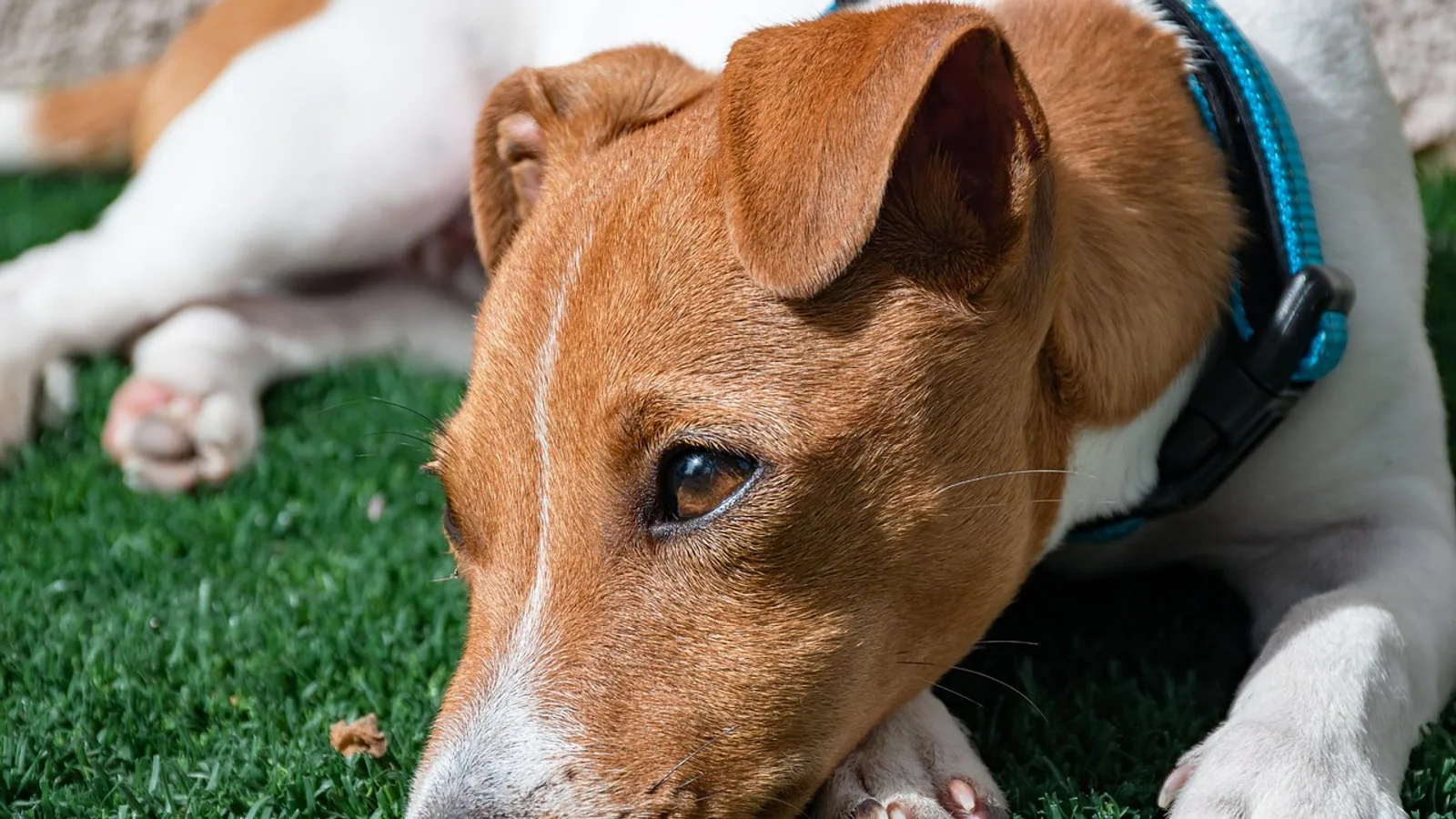
A dog fart is normal. Every dog produces intestinal gas, and most of it passes without anyone noticing. The gas that does get noticed usually comes from something the dog ate, and the fix is a change in diet rather than a medical treatment.
That is the first thing to check. Before you assume your dog has a disease, look at the food bowl, the treat jar, and the kitchen trash. Diet is the most common driver of flatulence in dogs, and it is the easiest variable to control.
This article is educational and is not a substitute for veterinary diagnosis or treatment.
Why Dogs Produce Gas


Intestinal gas in dogs comes from two main sources. The first is swallowed air, which is a minor contributor in most cases. The second, and the one that matters for flatulence, is fermentation by bacteria in the large intestine.
When carbohydrates and proteins reach the colon without being fully digested in the small intestine, colonic bacteria ferment them. That fermentation produces hydrogen, carbon dioxide, methane, and trace gases. Some of these are odorless. The sulfur-containing gases are the ones that smell.
Research in dogs confirms that the colon is a fermentation chamber whose output depends on what reaches it. A study using a canine artificial colon model showed that the nutritional and physicochemical environment of the large intestine drives microbial gas production, and that larger dogs produced more gas and short-chain fatty acids than smaller dogs under the same conditions [1]. The practical point is that gas output is not random. It tracks with what the gut is being fed.
Breath testing in dogs has been used for decades to measure this process. In a classic study, researchers measured hydrogen in the breath of healthy dogs after feeding different carbohydrates. A fully absorbed sugar like glucose did not raise breath hydrogen above fasting levels. An incompletely absorbed sugar like xylose did. A nonabsorbable disaccharide like lactulose raised it substantially, and the rise correlated almost perfectly with the dose given [2]. The same principle applies to your dog's colon. Undigested carbohydrate equals gas.
The Most Common Cause: Diet
If your dog has started farting more than usual, diet is where to look first. Several specific dietary factors are well documented.
High-Fiber Ingredients and Soy
Soy is a frequent culprit. Soybeans contain oligosaccharides that dogs cannot digest, and those sugars ferment in the colon. A study that compared standard soy hulls with soy hulls from which the oligosaccharides had been extracted found measurable differences in intestinal gas production between the two diets [3]. A related study on soy oligosaccharide extraction confirmed that the carbohydrate fraction of soy affects diet digestibility, fecal characteristics, and gas production in dogs [4]. If your dog's food lists soybean meal, soy flour, or soy hulls high on the ingredient panel, that is a reasonable place to start.
Fiber is more complicated. Some fiber sources ferment heavily and produce gas. Others pass through largely intact. The total amount and the type both matter, and a diet that is high in rapidly fermentable fiber will produce more gas than one that is not.
Sudden Diet Changes
The gut microbiome adapts to whatever it is being fed. When you switch foods abruptly, the bacterial population that was tuned to the old diet is suddenly presented with a different substrate. The result is a burst of fermentation, looser stools, and more gas. Most veterinarians recommend a gradual transition over about a week, mixing increasing proportions of the new food into the old.
Table Scraps and Human Food
Human food is a common and underrecognized cause. Fatty scraps, dairy, beans, and high-carbohydrate leftovers all deliver substrates that a dog's digestive system is not designed to handle in large amounts. A study that fed dogs a diet formulated to mimic a human Western diet found significant metabolic changes compared with a control diet, including higher fasting bile acids and serum triglycerides [5]. That study was not about gas specifically, but it demonstrates that human-pattern diets shift canine metabolism in measurable ways.
Lactose Intolerance
Many adult dogs have reduced lactase activity, the enzyme that breaks down milk sugar. When lactose reaches the colon undigested, bacteria ferment it and produce gas. Milk, cheese, ice cream, and some soft treats are common sources. If your dog gets dairy and gets gassy, removing dairy is a simple test.
Beans and Other Fermentable Substrates
The relationship between beans and gas in dogs has been recognized for over half a century. A 1968 study in Gastroenterology examined the relationship between bean substrates, specific intestinal bacteria, and gas production in dogs [6]. Beans remain a reasonable suspect if your dog has access to them.
When Gas Is Not Just Diet
Diet explains most flatulence, but not all of it. When gas comes with other signs, the list of possible causes changes. The signs that should raise your concern are weight loss, chronic diarrhea, vomiting, a dull coat, and a distended or painful abdomen.
Intestinal Parasites
Giardia and intestinal worms can cause gas, loose stools, and weight loss. Giardia lives in the small intestine and interferes with nutrient absorption. Worms compete for nutrients and can cause inflammation. A dog with parasites often has intermittent diarrhea, a poor coat, and gas that does not respond to diet changes.
Parasite diagnosis requires a fecal test. A single fecal flotation can miss infections, so many veterinarians recommend testing multiple samples or using a more sensitive method. A case report of intestinal Echinococcus multilocularis in a dog illustrates how a standard flotation missed the organism while a molecular PCR test on the same sample detected it [7]. That dog presented with reduced appetite, weight loss, and blood in the stool, and had not received routine deworming or fecal testing. The lesson is that fecal testing matters, and that a negative flotation does not always rule out a parasite.
Inflammatory Bowel Disease
Inflammatory bowel disease (IBD) is a chronic inflammatory condition of the gastrointestinal tract. It causes waxing and waning diarrhea, vomiting, weight loss, and gas. The inflammation damages the intestinal lining and impairs digestion and absorption, which means more undigested material reaches the colon and ferments.
IBD is diagnosed by excluding other causes and, in many cases, by intestinal biopsy. Diet trials are part of the diagnostic process because food-responsive enteropathy can look identical to IBD.
Exocrine Pancreatic Insufficiency
Exocrine pancreatic insufficiency (EPI) occurs when the pancreas stops producing enough digestive enzymes. Without those enzymes, fats and proteins pass through the small intestine undigested. The result is voluminous, greasy stools, weight loss despite a good appetite, and a great deal of gas. EPI is diagnosed with a blood test for trypsin-like immunoreactivity.
Malabsorption
Malabsorption is an umbrella term for any condition that prevents the small intestine from absorbing nutrients properly. It can result from IBD, EPI, parasites, or other diseases. The common thread is that nutrients reach the colon, ferment, and produce gas. A dog with malabsorption typically loses weight, has chronic diarrhea, and may have a poor coat.
Carbohydrate Malabsorption
Even without a named disease, some dogs do not absorb certain carbohydrates well. The breath hydrogen study described earlier showed that incompletely absorbed sugars reliably increase gas production in healthy dogs [2]. If your dog is sensitive to a specific carbohydrate, that sensitivity alone can explain persistent gas.
A Troubleshooting Table
Use this table to match your dog's signs to the most likely cause. It is a starting point for a conversation with your veterinarian, not a diagnosis.
| Sign | Likely cause | How to confirm | What to do |
|---|---|---|---|
| Gas only, no other signs, recent food change | Sudden diet transition | Review the timeline of the food switch | Transition gradually over about a week |
| Gas after dairy | Lactose intolerance | Remove dairy and watch for improvement | Eliminate dairy from the diet |
| Gas with a soy-rich or high-fiber food | Fermentable carbohydrate load | Check the ingredient panel for soy and fiber sources | Discuss a lower-soy, lower-fermentable-fiber diet with your veterinarian |
| Gas with soft stools and poor coat | Intestinal parasites | Fecal flotation and, if needed, a more sensitive test | Deworm under veterinary guidance |
| Gas with weight loss and greasy stools | Exocrine pancreatic insufficiency | Blood test for trypsin-like immunoreactivity | Veterinary treatment with enzyme replacement |
| Gas with chronic intermittent diarrhea and vomiting | Inflammatory bowel disease or food-responsive enteropathy | Diet trial, then further testing if no response | Elimination diet trial, then veterinary workup |
| Gas with weight loss, diarrhea, and vomiting that does not respond to diet | Malabsorption or chronic enteropathy | Veterinary diagnostic workup | Full medical evaluation |
| Gas with a distended, painful abdomen and unproductive retching | Bloat or intestinal obstruction | Emergency veterinary examination | Seek emergency care immediately |
A Stepwise Approach to Dog Flatulence
Work through these steps in order. Most dogs improve before you reach the end.
Step 1: Review the Diet and Treats
Write down everything your dog eats for a week, including treats, table scraps, dental chews, and anything the dog picks up on walks. Look for soy, dairy, beans, high-fiber ingredients, and fatty scraps. Also note whether you changed foods recently.
Step 2: Try a 2 to 4 Week Elimination Diet Trial
If the review points to a dietary trigger, or if you cannot identify one, an elimination diet trial is the next step. The goal is to feed a single novel protein and a single novel carbohydrate source that your dog has not eaten before, and to feed nothing else for two to four weeks.
The trial only works if it is strict. No treats, no table scraps, no flavored medications, and no rawhides unless they are part of the trial diet. If the gas resolves during the trial, you have your answer. If it does not, the problem is not a simple food intolerance.
Diet trials are also used in dogs with skin and gastrointestinal signs together. A study of dogs with dermatologic disorders found that a test food reduced fecal calprotectin, a marker of intestinal inflammation, compared with a control food [8]. That study was about itch, not gas, but it shows that diet can shift intestinal inflammation in measurable ways.
Step 3: Deworm and Run a Fecal Test
If the diet trial does not resolve the gas, or if your dog has never had a fecal test, this is the next step. Bring a fresh stool sample to your veterinarian. Depending on your dog's history and risk factors, your veterinarian may recommend deworming even if the fecal test is negative.
Step 4: Veterinary Workup
If gas persists after a diet trial and deworming, or if your dog has weight loss, diarrhea, or vomiting, a full workup is warranted. That workup typically includes blood work, a fecal panel, and imaging. Depending on the findings, your veterinarian may recommend specific tests for pancreatic function or intestinal disease.
flowchart TD
    A[Gas noticed] --> B{Other signs present}
    B -->|No| C[Review diet and treats]
    B -->|Yes| D[Veterinary visit]
    C --> E[Elimination diet trial]
    E --> F{Gas resolved}
    F -->|Yes| G[Continue trial diet]
    F -->|No| H[Fecal test and deworm]
    H --> I{Gas resolved}
    I -->|Yes| J[Monitor and prevent]
    I -->|No| K[Full veterinary workup]
    D --> K
Prevention Practices That Work
Prevention is mostly about consistency and substrate control.
Transition foods gradually. A slow switch over about a week gives the gut microbiome time to adjust and prevents the fermentation spike that comes with an abrupt change.
Keep table scraps out of the bowl. Human food is a common trigger, and the Western-diet study in dogs showed that human-pattern diets produce measurable metabolic shifts [5].
Identify your dog's trigger ingredients. Soy is a documented contributor to gas production in dogs [3][4]. Dairy is a common one. Beans are another [6]. Once you know your dog's triggers, you can avoid them.
Feed a consistent diet. Frequent changes in protein and carbohydrate sources keep the gut microbiome in a constant state of adjustment.
Keep up with parasite prevention. Routine fecal testing and deworming are the standard of care. The Echinococcus case report shows what can happen when a dog goes without them [7].
Manage fiber intelligently. Fiber is not inherently bad, but rapidly fermentable fiber produces more gas. If your dog is gassy on a high-fiber diet, discuss the fiber source with your veterinarian.
Limitations and When to Contact a Veterinarian
This article covers common patterns, but individual dogs vary. Your veterinarian can examine your dog, review the full history, and run the tests needed to reach a diagnosis.
Contact a veterinarian promptly if your dog has gas along with any of the following:
- Weight loss, even if your dog is eating normally
- Diarrhea lasting more than a few days, or diarrhea with blood
- Vomiting that is frequent or persistent
- A distended, painful, or hard abdomen
- Unproductive retching or attempts to vomit without producing anything
- A dull coat, lethargy, or a decline in activity
- Gas that does not improve after a strict two to four week elimination diet trial and deworming
Seek emergency care immediately if your dog has a swollen abdomen, unproductive retching, or signs of severe pain. These can indicate bloat or an intestinal obstruction, both of which are emergencies. A case report of intestinal foreign body in a dog described anorexia and an inability to pass feces as presenting signs, with a foreign body confirmed on imaging and removed surgically [9]. Do not wait on signs like these.
Reading the Odor: What Flatulence Quality Tells You
Owners often describe gas in vague terms, but the character of the gas carries diagnostic weight. A veterinarian listening to a history wants to know whether the gas is frequent and quiet, explosive and loud, foul or relatively mild, and whether it is passed with effort or passively. These details are not trivia. They narrow the list of causes before any test is run.
Gas that is frequent but mild in odor tends to point toward a high fermentable carbohydrate load reaching the colon. Hydrogen and carbon dioxide dominate in that scenario, and both are largely odorless. Gas that is low in volume but intensely foul suggests protein fermentation, because sulfur-containing amino acids broken down by colonic bacteria produce hydrogen sulfide and related compounds. A dog on a high-protein diet, or a dog with malabsorption losing protein into the colon, may produce small volumes of very offensive gas. This is a pattern worth mentioning to your veterinarian because it shifts the dietary conversation from carbohydrate sources toward protein sources and digestibility.
Explosive gas passed with stool, or gas that seems to arrive alongside urgency, is a different signal. It suggests that the colon is handling a large fermentable load and that motility is pushing contents through quickly. That combination is common in acute dietary indiscretion and in some chronic enteropathies. Passive, continuous leakage of gas without the dog seeming aware of it is less common and may reflect sphincter function or severe large bowel disease, and it deserves a veterinary examination rather than a diet change alone.
The practical takeaway is that you should describe the gas, not just count it. Frequency, volume, odor intensity, relationship to meals, and relationship to defecation are all useful data points. A written log over several days is more reliable than memory, and it gives your veterinarian something concrete to work with.
The Gut Microbiome and Why Gas Output Shifts
The bacterial population of the canine colon is not static. It responds to diet, age, medications, stress, and disease. When that population shifts, gas output shifts with it. Understanding this helps explain why two dogs on the same food can have very different flatulence patterns.
The artificial colon model work cited earlier is instructive here. It showed that the nutritional and physicochemical environment of the large intestine drives microbial gas production, and that body size influences the output, with larger dogs producing more gas and short-chain fatty acids than smaller dogs under identical conditions [1]. That finding has two implications for owners. First, a large breed dog may simply produce more gas than a small breed dog on the same diet, and that is not necessarily abnormal. Second, the substrate reaching the colon is the controllable variable, which is why dietary manipulation is the first lever a veterinarian reaches for.
Antibiotics are a common and underappreciated disruptor. A course of antibiotics can alter the colonic bacterial population for weeks, and some dogs develop gas, loose stools, or both during and after treatment. If your dog started farting more after a course of antibiotics, that timeline is worth reporting. Probiotics and prebiotics are sometimes used to support the microbiome after such disruption, but the evidence base in dogs is still developing, and product quality varies widely. This is a conversation to have with your veterinarian rather than a decision to make from a label.
Stress also plays a role. The gut and the brain communicate through the vagus nerve and through hormonal signaling, and stress can alter motility and secretion. Dogs with anxiety, kennel stress, or recent household changes may show gastrointestinal signs including gas. This does not mean the gas is imaginary. It means the gut environment has changed, and the change can be real and measurable.
Diagnostic Workflow: What Your Veterinarian Is Actually Doing
Owners often arrive at a veterinary visit expecting a single test that answers the question. In reality, the diagnostic process for chronic flatulence is a sequence of narrowing steps, and understanding that sequence helps you participate in it.
The first step is history and physical examination. Your veterinarian will ask about diet, treats, medications, deworming history, travel, boarding, and the timeline of signs. The physical examination assesses body condition, hydration, abdominal palpation, and the coat. This step alone often identifies the likely direction, whether dietary, parasitic, or systemic.
The second step is usually fecal testing. A fecal flotation looks for parasite eggs and oocysts. Because shedding can be intermittent, a single negative result does not rule out infection, and many veterinarians recommend testing multiple samples or using a more sensitive method. The Echinococcus multilocularis case report is a clear illustration: a standard flotation missed the organism, while a molecular PCR test on the same sample detected it [7]. That dog had reduced appetite, weight loss, and blood in the stool, and had not received routine deworming or fecal testing. The case reinforces two points. Fecal testing is not optional in a dog with chronic gastrointestinal signs, and a negative flotation is not the end of the investigation when clinical suspicion remains high.
The third step, when diet and parasites have been addressed, is blood work. A complete blood count and chemistry panel assess for anemia, inflammation, organ function, and protein loss. Depending on the findings, your veterinarian may add a specific test for pancreatic function, such as trypsin-like immunoreactivity, when exocrine pancreatic insufficiency is a consideration. The greasy, voluminous stool and weight loss despite a good appetite described earlier are the classic triggers for that test.
The fourth step, when the picture suggests chronic enteropathy, is often a diet trial with a novel or hydrolyzed protein. Food-responsive enteropathy can look identical to inflammatory bowel disease on history and examination, and a strict trial is the least invasive way to separate them. If the dog responds, the diagnosis is food-responsive disease. If it does not, further testing, including imaging and possibly intestinal biopsy, may be warranted.
Imaging plays a role when structural disease is suspected. Radiographs and ultrasound can identify foreign bodies, masses, and changes in intestinal wall thickness. The intestinal foreign body case report described anorexia and an inability to pass feces as presenting signs, with the foreign body confirmed on imaging and removed surgically [9]. That is the kind of structural problem that no diet change will fix, and it is why imaging is part of the workup when signs are severe or persistent.
The key message for owners is that the workflow is sequential for a reason. Each step is cheaper, safer, and less invasive than the next, and each one either resolves the problem or narrows the field. Skipping steps usually costs more in the end.
Preparing for the Veterinary Visit
A productive visit starts before you walk through the door. The single most useful thing you can bring is a written history. Include the following.
A diet log covering at least seven days, listing every food, treat, chew, supplement, and table scrap, with approximate amounts and times. Note any food changes in the preceding two months and the exact date they occurred.
A stool log describing consistency, color, frequency, and any blood or mucus, along with the dates. Photographs of abnormal stools are genuinely helpful and are easy to take.
A gas log describing frequency, odor intensity, and relationship to meals and defecation, as discussed above.
A medication and parasite prevention history, including product names, dates given, and any recent antibiotics.
A list of other signs, even ones that seem unrelated, such as scratching, ear infections, lethargy, or changes in thirst and urination. Skin and gut signs often travel together, and the diet study in dogs with dermatologic disorders showed that a test food reduced fecal calprotectin, a marker of intestinal inflammation, compared with a control food [8]. That link between skin and gut is worth reporting.
Bring a fresh stool sample if you can. A sample collected within a few hours and kept cool is generally preferred, and your veterinary team can advise on their specific requirements.
Finally, write down your questions in advance. Visits are short, and it is easy to forget the one thing you most wanted to ask. If you are considering a diet change, ask which specific diet your veterinarian recommends and why, rather than choosing one from a shelf. If you are considering a supplement, ask whether there is evidence for it in dogs and whether it could interfere with any testing.
Prevention: Building a Stable Gut Environment
Prevention of recurrent flatulence is less about any single product and more about stability. The gut microbiome rewards consistency and punishes abrupt change.
Transition foods gradually, over roughly a week, mixing increasing proportions of the new food into the old. This is the single most effective preventive measure for diet-related gas, and it costs nothing.
Keep the diet consistent once you find one that works. Rotating proteins and carbohydrate sources frequently keeps the microbiome in a state of adjustment. If you want variety, discuss it with your veterinarian rather than improvising.
Control what reaches the bowl. Table scraps, fatty leftovers, and human foods are common triggers, and the study feeding dogs a human-pattern Western diet found measurable metabolic changes including higher fasting bile acids and serum triglycerides compared with a control diet [5]. That study was not about gas, but it demonstrates that human-pattern feeding shifts canine metabolism in ways that owners do not see.
Identify and avoid your dog's trigger ingredients. Soy is a documented contributor, with studies showing that the oligosaccharide fraction of soy affects digestibility, fecal characteristics, and gas production in dogs [3][4]. Beans are another long-recognized substrate [6]. Dairy is a common one because many adult dogs have reduced lactase activity. Once you know your dog's triggers, avoidance is straightforward.
Keep parasite prevention current. Routine fecal testing and deworming are standard of care, and the Echinococcus case report shows the consequences of skipping them [7]. Your veterinarian can tailor a prevention plan to your dog's lifestyle and risk.
Manage fiber with intention. Fiber is not inherently good or bad, but rapidly fermentable fiber produces more gas than fiber that passes through largely intact. If your dog is gassy on a high-fiber diet, the fiber source is a reasonable topic for discussion.
Feed meals rather than free-feeding when practical. Scheduled meals produce a more predictable fermentation pattern and make it easier to associate signs with food.
Manage stress where you can. Because gut function is influenced by stress, a stable routine, gradual introductions to new environments, and appropriate behavioral support can reduce gastrointestinal signs in sensitive dogs.
Prognosis: What to Expect
The prognosis for most dogs with flatulence is excellent. When the cause is dietary, and it usually is, a gradual transition or an elimination diet trial resolves the problem within two to four weeks in most cases. These dogs need no long-term medication, only consistent feeding.
When the cause is parasitic, treatment is generally effective, and signs resolve once the infection is cleared. Follow-up fecal testing is often recommended to confirm clearance, particularly for infections that are difficult to detect on a single sample.
When the cause is a chronic enteropathy such as inflammatory bowel disease or food-responsive enteropathy, the prognosis depends on the specific diagnosis and the response to treatment. Many dogs do well with dietary management alone or with diet plus medication. Others require long-term management and periodic monitoring. The earlier the diagnosis, the better the opportunity to intervene before significant weight loss or nutritional compromise occurs.
When the cause is exocrine pancreatic insufficiency, the condition is manageable but not curable. Enzyme replacement, dietary adjustment, and regular monitoring are the mainstays, and many dogs improve substantially with treatment. Weight gain and stool quality are the markers owners and veterinarians track.
When the cause is a structural problem such as a foreign body or obstruction, the prognosis depends on how quickly the problem is identified and addressed. This is why the emergency signs listed earlier matter. Delay in these cases carries real risk.
The honest caveat is that not every case reaches a tidy diagnosis. Some dogs have intermittent gas that never fully resolves and never progresses to serious disease. In those cases, the goal shifts from cure to management, and the focus becomes keeping the dog comfortable, well-nourished, and monitored for any change in signs.
Special Populations
Some dogs warrant a different level of attention, and flatulence in these groups should lower your threshold for contacting a veterinarian.
Puppies are at higher risk from parasites and from dietary indiscretion, and their small body size means that fluid loss from diarrhea can become serious quickly. A puppy with gas, loose stools, and reduced appetite should be seen promptly rather than managed at home.
Senior dogs deserve a lower threshold for workup because the pretest probability of serious disease is higher. Weight loss, changes in appetite, and new gastrointestinal signs in an older dog should prompt a veterinary visit rather than a diet experiment. Chronic enteropathy, pancreatic disease, and other conditions become more common with age.
Brachycephalic breeds, including bulldogs, pugs, and similar dogs, have anatomical features that affect breathing and swallowing and may swallow more air. They also have a higher prevalence of gastrointestinal signs in general. Gas in these dogs is worth mentioning to your veterinarian, particularly if it comes with regurgitation, difficulty breathing, or exercise intolerance.
Dogs with known food allergies or chronic skin disease often have concurrent gastrointestinal signs, and the skin-gut link is well recognized. The diet study in dogs with dermatologic disorders showed that a test food reduced fecal calprotectin compared with a control food [8]. If your dog has both skin and gut signs, a coordinated approach addressing both is more likely to succeed than treating them separately.
Dogs on long-term medications, particularly antibiotics or immunosuppressants, may have altered gut flora and altered gastrointestinal function. Gas in these dogs should be reported to the prescribing veterinarian, who can assess whether the medication is contributing and whether any adjustment is appropriate.
Dogs with a history of bloat, or breeds at high risk for it, deserve special caution. Gas that comes with a distended abdomen, unproductive retching, or signs of pain is an emergency regardless of the dog's history, and the earlier emergency care is sought, the better the outcome.
Evidence Limitations and Honest Uncertainty
It is worth being clear about what the evidence does and does not support. Much of the specific research on gas production in dogs comes from controlled studies using artificial colon models, breath testing, and defined diets [3][4][2][1][6]. These studies are valuable because they isolate variables and demonstrate mechanisms. They are also not the same as a clinical trial in a diverse population of pet dogs with naturally occurring flatulence.
The breath hydrogen work, for example, established that incompletely absorbed carbohydrates raise gas production in healthy dogs, and that the rise correlates with the dose given [2]. That is a mechanistic finding. It does not tell us how much of a given commercial diet will cause clinical flatulence in a specific dog, because individual microbiomes, transit times, and sensitivities vary.
The soy studies demonstrated that the oligosaccharide fraction affects digestibility, fecal characteristics, and gas production [3][4]. That supports soy as a reasonable suspect, but it does not mean every soy-containing diet causes gas in every dog.
The Western diet study showed metabolic shifts including higher fasting bile acids and serum triglycerides [5]. It did not measure flatulence, so it should be cited as evidence that human-pattern diets change canine metabolism, not as direct evidence about gas.
The case reports on Echinococcus multilocularis and intestinal foreign body illustrate diagnostic pitfalls and the value of appropriate testing and imaging [7][9]. They are single cases and cannot establish prevalence or predict outcomes, but they are useful illustrations of why certain steps matter.
The practical conclusion is that the mechanisms are well supported, the general approach is sound, and the individual response varies. That is exactly why a stepwise approach with veterinary input is better than a single universal recommendation.
A Note on Products Marketed for Dog Gas
The market for pet digestive supplements is large and lightly regulated compared with pharmaceuticals. Products marketed for gas often contain probiotics, prebiotics, enzymes, adsorbents, or herbal ingredients, and the evidence for many of them in dogs is limited or absent. Some may help, some may do nothing, and some may interfere with diagnostic testing or with other treatments.
The safest approach is to tell your veterinarian about every supplement your dog receives, including ones you consider natural or harmless. Bring the label or a photograph of it. Your veterinarian can assess whether the product is appropriate, whether it could affect testing, and whether it duplicates something already in the diet.
Do not give human gas medications to your dog without veterinary guidance. Some human products contain ingredients that are not appropriate for dogs, and the underlying cause of the gas needs to be identified before any symptomatic treatment is considered. Masking a sign without addressing the cause can delay diagnosis.
Putting It Together
Dog farting is usually a diet problem, and the fix is usually dietary. That is the reassuring headline. The important caveat is that gas is sometimes the first visible sign of a condition that needs diagnosis and treatment, and the difference is usually found in the accompanying signs. Weight loss, chronic diarrhea, vomiting, a poor coat, and a painful or distended abdomen are the signals that change the conversation from management to investigation.
The practical path is straightforward. Review the diet and treats. If a trigger is obvious, remove it and transition gradually. If it is not, consider a strict two to four week elimination diet trial. If gas persists, or if other signs are present, arrange a veterinary visit with a written history and a fresh stool sample. Work through the diagnostic steps in order, and do not skip the fecal test. Seek emergency care immediately for a swollen abdomen, unproductive retching, or signs of severe pain.
Most dogs with flatulence do well. The ones who need more help are usually identified by the signs that accompany the gas, not by the gas itself. Paying attention to those signs, and acting on them promptly, is the most useful thing an owner can do.
This article is educational and is not a substitute for veterinary diagnosis or treatment. Your veterinarian can examine your dog, review the full history, and run the tests needed to reach a diagnosis.
Frequently Asked Questions
Is it normal for dogs to fart?
Yes. All dogs produce intestinal gas, and passing it is a normal part of digestion. The question is whether the amount, frequency, or odor has changed, and whether gas comes with other signs.
What foods make dogs gassy?
Soy, high-fiber ingredients, dairy, beans, fatty table scraps, and any food your dog is not used to are common triggers. Sudden diet changes also cause gas because the gut bacteria need time to adjust.
Can dog farting be a sign of a serious illness?
Yes, when it comes with weight loss, chronic diarrhea, vomiting, or a poor coat. Parasites, inflammatory bowel disease, exocrine pancreatic insufficiency, and malabsorption can all cause gas as one of several signs.
How long should an elimination diet trial last?
Two to four weeks is the standard window. If the gas resolves, you have identified a dietary trigger. If it does not, the cause is likely not a simple food intolerance.
Should I deworm my dog if it has gas?
Discuss it with your veterinarian. Routine fecal testing and deworming are standard preventive care, and parasites are a reasonable consideration in a dog with gas and loose stools. Your veterinarian can advise on the right testing and treatment for your dog.
Can I give my dog human gas remedies?
Do not give human gas medications to your dog without veterinary guidance. Some human products contain ingredients that are not safe for dogs, and the underlying cause of the gas needs to be identified first.
Does a high-fiber diet cause gas in dogs?
It can. Fiber that ferments rapidly in the colon produces more gas than fiber that passes through largely intact. The type and amount of fiber both matter.
When should I see a veterinarian about my dog's gas?
See a veterinarian if gas comes with weight loss, diarrhea, vomiting, a poor coat, or a painful abdomen, or if gas does not improve after a strict diet trial and deworming. Seek emergency care for a swollen abdomen or unproductive retching.
Related Articles
- Cat Scooting: Causes and When to Worry
- Cat Urinating Frequently: Causes and When to Worry
- Cat Vomiting at Night: Causes and When to Worry
- Cat Diarrhea with Mucus: Causes and When to Worry
- Cat Sneezing: Common Causes and When to Worry
- Dog Vomiting Clear Liquid: Causes and When to Worry
- Do Cats Fart? Causes of Gas in Cats
- Dog Digestive Issues: Causes, Symptoms, and When to Worry
- Do Dogs Get Hiccups? Causes and When to Worry
Sources
- Large intestinal nutritional and physicochemical parameters from different dog sizes reshape canine microbiota structure and functions in vitro
- Evaluation of intestinal carbohydrate malabsorption in the dog by pulmonary hydrogen gas excretion.
- Effect of soya hulls on diet digestibility, palatability, and intestinal gas production in dogs
- The effect of soy oligosaccharide extraction on diet digestibility, faecal characteristics, and intestinal gas production in dogs
- 109 Diet-induced Clinical Responsiveness of Translational Dog Model for Human Western Diet (WD)-related Disease Research
- Relationship of bean substrates and certain intestinal bacteria to gas production in the dog.
- Novel molecular diagnostic (PCR) diagnosis and outcome of intestinal Echinococcus multilocularis in a dog from western Canada.
- Diet Intervention Alleviates Pruritus by Reducing Intestinal Inflammation to Improve Skin Health in Dogs (P09-001-19).
- Successful surgical retrieval of intestinal foreign body in a Labrador dog: A case report