Do Cats Chew Their Food? Why Some Cats Swallow Whole
By Dr. Zubair Khalid, DVM, MS, PhD ·
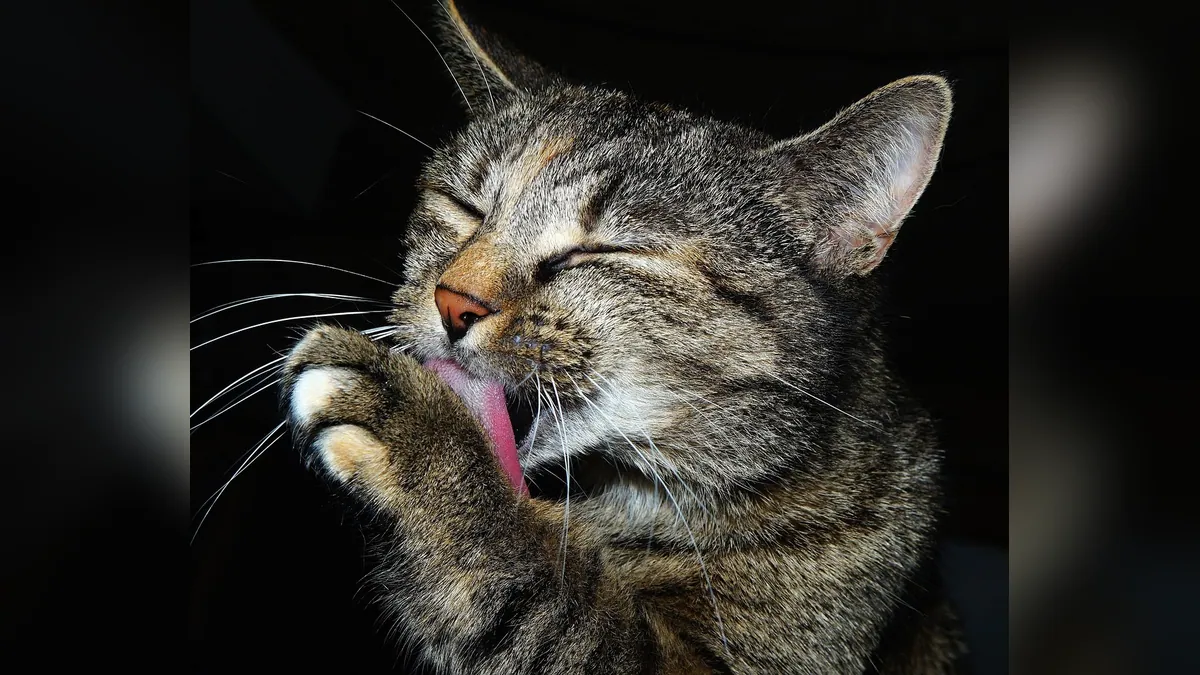
Is it normal for cats to not chew their food? Often, yes. Cats are built to shear and swallow, and many healthy cats barely chew kibble before it goes down. But if your cat has suddenly started bolting food, dropping pieces, or showing pain while eating, that change deserves a closer look.
This article is educational and is not a substitute for veterinary diagnosis or treatment.
Quick Answer
- Many cats swallow dry food whole or with only one or two crunches. This is common and usually harmless.
- Cats have teeth designed for slicing meat, not for grinding like people or cows do.
- A sudden change in how your cat eats matters more than the habit itself.
- Dropping food, chewing on one side, drooling, or flinching at the bowl can point to dental pain.
- Vomiting right after meals, weight loss, or diarrhea can point to a digestive problem that needs a vet visit.
What Normal Eating Looks Like in Cats
Cats Are Not Built to Grind
Chewing looks different across species. Some animals process food in the mouth with rhythmic cycles, while others rely on what happens after swallowing, including stomach grinding and chemical digestion [1]. Cats sit closer to the second group. Their jaws move up and down in a scissor-like motion, and their teeth are shaped for shearing meat into pieces small enough to swallow.
That anatomy explains a lot. A cat faced with a bowl of small kibble has little reason to work each piece. Many pieces are already small enough to slide down the throat. So when you ask, "do cats chew their food," the honest answer is: some do, some barely do, and both can be normal.
What You Might See at the Bowl
Normal eating in cats can include:
- A few crunches, then a swallow
- Eating quickly, sometimes finishing a meal in under a minute
- Walking away and returning later
- Crunching some pieces and swallowing others
Some cats chew more when the kibble is large. Some chew more when they are relaxed. Some bolt food when another cat is nearby, even if that cat is not threatening them.
When It Becomes a Problem
The habit itself is rarely the issue. The issue is change. A cat who has crunched kibble for years and suddenly stops is telling you something. So is a cat who used to eat slowly and now inhales every meal.
Why Does My Cat Swallow Food Whole?
The Main Causes
| Cause | Typical clues | How urgent |
|---|---|---|
| Normal feline eating style | No pain, normal weight, normal energy, eats well every day | Not urgent |
| Eating too fast or food competition | Gulps meals, vomits soon after, food disappears in seconds, may live with other pets | Routine visit if vomiting repeats |
| Dental pain (tooth resorption, periodontal disease) | Drops food, chews on one side, drools, bad breath, flinches when touched near the mouth | See a vet soon, within days |
| Chronic gingivostomatitis | Severe mouth pain, reduced eating, drooling, red inflamed gums | See a vet soon |
| Gastrointestinal disease | Vomiting, diarrhea, weight loss, poor appetite, swallowing without chewing | See a vet soon |
| Regurgitation or esophageal problems | Food comes back undigested shortly after eating, no retching | See a vet soon |
Dental Pain Is a Common Hidden Cause
Tooth resorption is one of the most common painful dental diseases in cats [2]. In a review of 166 cats with radiographically confirmed tooth resorption, brachycephalic cats (flat-faced breeds like Persians) were younger at diagnosis and had more advanced lesions than other cats [2]. The same review found chronic gingivostomatitis was more common in non-brachycephalic cats [2].
Here is why this matters for chewing. A cat with a painful tooth will often swallow food whole to avoid biting down on the sore spot. You may never hear a cry or see obvious distress. Cats hide mouth pain well. Dropping food, eating on one side, or a sudden preference for wet food over kibble can be the only clues.
Eating Too Fast
Some cats bolt food because of how they were fed as kittens, because they share a home with other pets, or simply because they are wired that way. Fast eating can lead to vomiting right after a meal, and it can also lead to gulping air. If your cat eats fast and vomits regularly, that pattern is worth mentioning to your vet. It can also be a sign of a medical problem, so it should not be dismissed as a quirk.
Digestive and Other Medical Causes
When a cat stops chewing and starts swallowing everything whole, digestive disease belongs on the list. Conditions that cause nausea, stomach pain, or poor nutrient absorption can change how a cat eats. Watch for weight loss, changes in appetite, vomiting, diarrhea, or a dull coat.
If your cat has stopped eating altogether, that is a separate and more urgent problem. See Why Is My Cat Not Eating? A Vet-Reviewed Guide for Pet Owners and Cat Not Eating? When to Worry and What to Do.
Red Flags That Make It an Emergency
Call your veterinarian right away or go to an emergency clinic if you see any of these:
- Your cat cannot swallow, gags repeatedly, or paws at the mouth
- Food or water comes back up with no retching (this can be regurgitation, not vomiting)
- Your cat is drooling heavily, has swelling around the face or jaw, or cannot close the mouth
- There is blood in the saliva, vomit, or stool
- Your cat is breathing with an open mouth or making new breathing sounds
- Your cat has not eaten for more than 24 hours
- Your cat is weak, wobbly, or collapsed
- You suspect your cat swallowed a bone, string, toy, or other object
A cat who is dry heaving or making odd throat movements may not be vomiting at all. That pattern can look like choking or respiratory distress. See Is My Cat Dry Heaving Or Coughing for help telling them apart.
What You Can Do at Home While You Wait
Watch Before You Change
Before you change anything, watch one full meal. Note how long it takes, whether your cat drops food, which side of the mouth they use, and whether they vomit afterward. A short video on your phone can be very useful for your vet.
Safe Adjustments
- Try a slow feeder bowl or a puzzle feeder to slow fast eaters.
- Spread food on a flat plate or lick mat so your cat has to work for it.
- Feed smaller meals more often instead of one large portion.
- If you have multiple cats, feed them in separate rooms.
- Offer wet food if your cat seems to prefer it. Soft food is easier on a sore mouth.
- Keep the food and water bowls clean and in a quiet spot.
What Not to Do
Do not give your cat human pain relievers. Many common pain medications are toxic to cats, and the dose is not something you can guess. Your veterinarian calculates any medication dose from your cat's weight and health status.
Do not switch to a new prescription diet on your own. Diet changes can affect urinary health and other systems, and your vet should guide that choice. For example, controlled dietary acidification is used in commercial cat food to help prevent struvite stones, and the right level is set by the formulation, not by guesswork at home [3].
Do not assume the problem is behavioral. Mouth pain and nausea are far more common causes than most owners expect.
What Your Veterinarian Will Check and Test
The Oral Exam
Your vet will look at the teeth, gums, tongue, and back of the throat. Many cats need light sedation for a full mouth exam because the back of the mouth is hard to see. Dental radiographs (X-rays) are often needed to find tooth resorption, since much of the damage happens below the gumline [2].
The Full Physical Exam
Your vet will check weight, body condition, hydration, and abdominal comfort. They will listen to the heart and lungs and feel the thyroid gland in the neck. They will also ask about diet, appetite, vomiting, stool, and any recent changes at home.
Testing
Depending on what they find, your vet may recommend:
- Blood work, including a complete blood count and chemistry panel
- A thyroid panel, especially in older cats
- Urinalysis, which can also help assess urinary tract health [3]
- Fecal testing
- Abdominal imaging if vomiting or weight loss is present
- A dental cleaning with radiographs under anesthesia
Treatment Depends on the Cause
If dental disease is the cause, treatment may include a professional cleaning, extractions, or pain management. If the cause is digestive, treatment may include diet changes, medication, or further testing. If your cat is simply a fast eater, the plan may be as simple as a slow feeder and smaller meals.
Prevention and Monitoring
Daily Habits That Help
- Feed measured meals at set times so you notice changes early.
- Weigh your cat monthly, or every two weeks for seniors.
- Check the mouth gently at home. Look for redness, tartar, or broken teeth.
- Brush your cat's teeth if they tolerate it, or use vet-approved dental products.
- Keep up with professional dental care. Your vet will set the schedule based on your cat's mouth.
Diet and Oral Health
Diet type can affect oral health. In a 28-week study, cats fed a dry diet had less tooth calculus coverage and thickness than cats fed a wet diet, and gingivitis scores were higher in the wet-diet group [4]. That does not mean wet food is bad. Wet food has real benefits, especially for cats who need more water in their diet. It means oral care matters more if your cat eats mostly wet food.
Diet also plays a role in other conditions. A retrospective review found diet-related differences in tooth resorption among non-brachycephalic cats, and the authors called for more research on early dental screening and targeted nutrition [2]. If your cat has dental disease, ask your vet what diet makes sense for their mouth and their overall health.
Watch for Related Signs
Swallowing food whole is sometimes one piece of a bigger picture. If your cat is also straining in the litter box or not producing stool, see Cat Not Pooping but Eating Normally: Causes and When to Help. If your cat is eating non-food items like litter, that can point to a different problem. See Why Is My Cat eating litter? Pica Mineral Deficiency and Stress.
Limitations and When to Contact a Veterinarian
This article cannot tell you what is happening in your cat's mouth or gut. Only an exam and testing can do that. Individual cases need a veterinarian who can see your cat, ask questions, and run the right tests.
Contact your veterinarian the same day if your cat:
- Drops food or chews on one side
- Has bad breath, drooling, or red gums
- Vomits after most meals
- Is losing weight or has a dull coat
- Has a sudden change in how they eat
Go to an emergency clinic now if your cat:
- Cannot swallow or is gagging
- Is having trouble breathing
- Has swelling around the face or jaw
- Has not eaten for more than 24 hours
- Is weak, collapsed, or in obvious pain
Schedule a routine visit if your cat has always eaten fast but seems otherwise well. Your vet can check the mouth, confirm there is no hidden dental disease, and help you slow meals down.
Frequently Asked Questions
Is it normal for cats to not chew their food?
Yes, it is normal for many cats. Cats have shearing teeth built for slicing meat, and small kibble often does not need much chewing before it can be swallowed. What matters is whether the habit is new or comes with other signs like pain, vomiting, or weight loss.
Why does my cat swallow food whole?
The most common reasons are normal feline eating style, eating too fast, and food competition in a multi-cat home. Dental pain and digestive disease are also common causes, especially when the behavior starts suddenly. A cat with a painful tooth will often swallow whole to avoid biting down.
Should I switch my cat to wet food if they swallow kibble whole?
Not automatically. Wet food can help if your cat has mouth pain or needs more water, but the choice depends on your cat's dental health, urinary health, and overall condition. Ask your vet before making a permanent diet change, since diet affects oral health and urinary stone risk [4][3].
Can swallowing food whole make my cat vomit?
It can, especially if your cat eats very fast. Fast eating can lead to vomiting soon after a meal. If vomiting happens often, or comes with weight loss or diarrhea, your vet should check for a medical cause.
How can I slow down a cat who eats too fast?
Try a slow feeder bowl, a puzzle feeder, or a flat plate that forces your cat to take smaller bites. Feed smaller meals more often, and separate cats during meals if they compete for food. If your cat still bolts food or vomits, talk to your vet about a full checkup.
Related Articles
- Why Is My Cat Not Eating? A Vet-Reviewed Guide for Pet Owners
- Cat Not Pooping but Eating Normally: Causes and When to Help
- Is My Cat Dry Heaving Or Coughing
- Why Is My Cat eating litter? Pica Mineral Deficiency and Stress
- Cat Not Eating? When to Worry and What to Do
- Cat Not Eating: How Long Is Too Long?
- Cat Not Chewing Dry Food: Causes and What to Do
- Why Is My Cat a Picky Eater? Getting Picky Cats to Eat
- Cat Only Eats Wet Food: Is That OK and What to Do
References
- Beyond mammals: the evolution of chewing and other forms of oropharyngeal food processing in vertebrates. Biological reviews of the Cambridge Philosophical Society, 2026.
- Association of Skull Type, Diet, and Chronic Gingivostomatitis with Tooth Resorption in Cats Receiving Dental Treatment. Animals : an open access journal from MDPI, 2026.
- Revisiting feline urinary tract health: the role of diet and acidifying agents in urolith prevention and long-term cat health. Journal of animal science, 2026.
- Oral health indices and microbiota populations of adult cats consuming wet or dry diets. Frontiers in veterinary science, 2025.